
Low Income Senior Housing Charlottesville Va

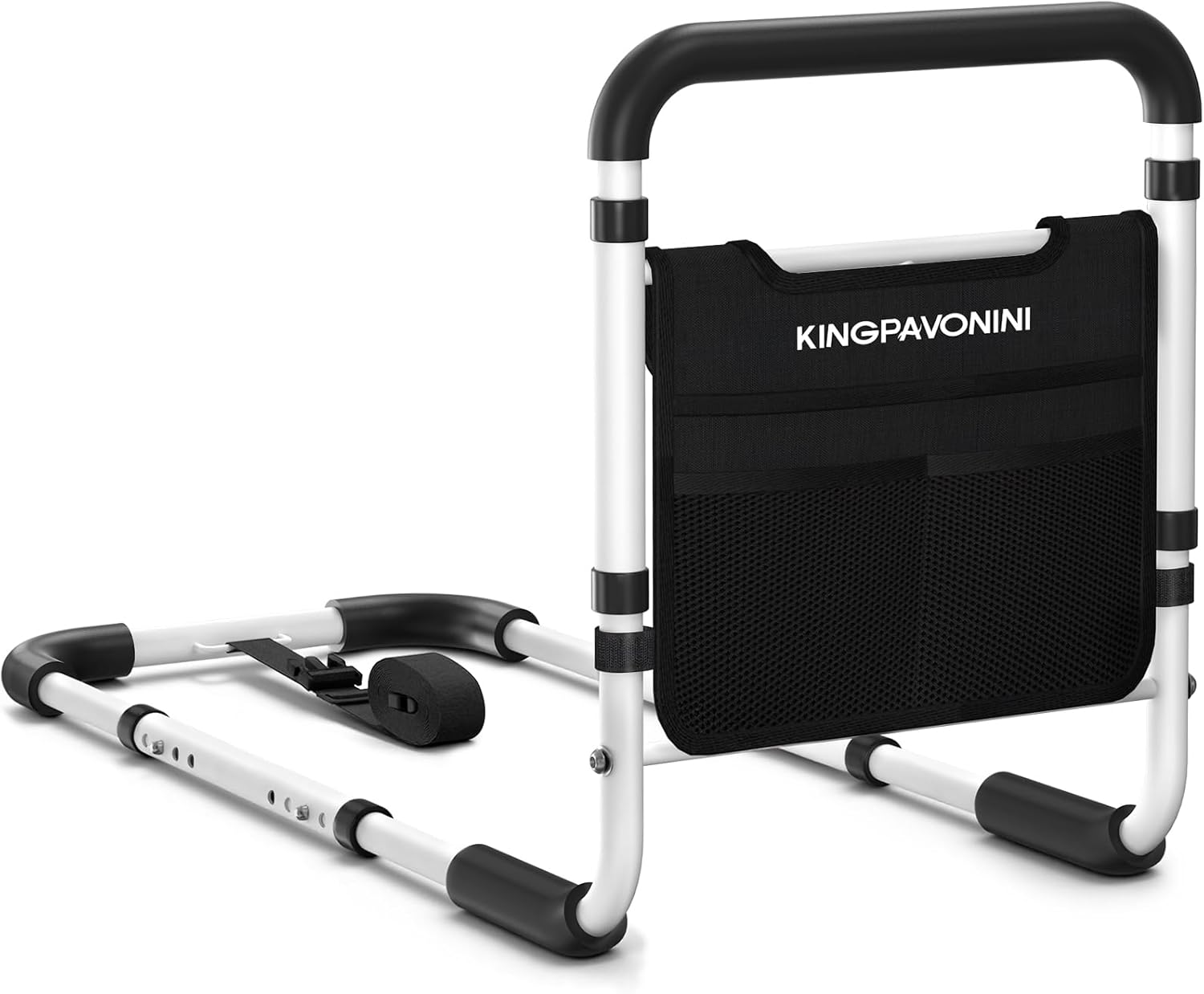
Bed Rail for Seniors

Toilet Safety Rails

Robot Vacuum Cleaner
Finding low income senior housing Charlottesville VA can be overwhelming—but you’re not alone. This guide breaks down every option available, from federally funded apartments to nonprofit communities offering supportive services. Whether you’re a senior, caregiver, or family member, knowing where to look makes all the difference. With rising costs and limited supply, planning early ensures a safe, dignified home for your golden years.
Key Takeaways
- Low-income senior housing in Charlottesville includes HUD-funded apartments, VA benefits, and nonprofit senior communities. These options help reduce rent burdens for fixed-income seniors on Social Security or pensions.
- Eligibility is based on income limits set by the U.S. Department of Housing and Urban Development (HUD). Most programs require income at or below 50% of the area median—around $45,000 annually for a one-person household.
- The Virginia Housing Choice Voucher Program (Section 8) offers rental assistance in Charlottesville. Applications are managed through the Charlottesville Redevelopment and Housing Authority (CRHA).
- Nonprofit senior communities like Commonwealth Senior Living provide affordable housing with added support services. Amenities may include meals, transportation, and social activities tailored to older adults.
- Waiting lists are common due to high demand. Applying early and exploring multiple options increases your chances of securing placement.
- Additional resources include Area Agency on Aging and local nonprofits that offer application help and advocacy. They can assist with paperwork, eligibility checks, and referrals.
- Alternative options exist beyond traditional apartments, such as shared housing or assisted living with sliding-scale fees. These may offer more flexibility and lower monthly costs.
[FEATURED_IMAGE_PLACEHOLDER]
## Finding Affordable Shelter: What Is Low Income Senior Housing?
As we age, our financial situation often changes. Many seniors rely solely on Social Security, pensions, or retirement savings—which may not keep up with rising housing costs. That’s why low income senior housing Charlottesville VA exists: to ensure older adults have safe, stable, and dignified places to live without sacrificing quality of life.
In Charlottesville, Virginia, the challenge isn’t just finding affordable rent—it’s finding housing designed specifically for seniors. While general affordable housing is available, many units lack features like grab bars, step-free entrances, or proximity to medical care. Senior-focused housing addresses these needs while keeping monthly expenses manageable.
The good news? You don’t have to navigate this alone. From federal programs to local nonprofits, several pathways exist to access subsidized senior housing. But knowing which ones apply—and how to qualify—is key. Let’s explore what’s out there.
## Federal Programs That Support Low-Income Seniors
### HUD Section 202 Supportive Housing
One of the most well-known sources of low income senior housing Charlottesville VA comes from the U.S. Department of Housing and Urban Development (HUD). The Section 202 program funds developments exclusively for very low-income seniors (typically 50% or less of area median income). These aren’t just apartments—they’re communities built with aging-in-place in mind.
In Virginia, several Section 202 properties operate across the state, though availability in Charlottesville itself is limited due to population density. However, nearby counties like Albemarle may have openings. Units usually cost between $300–$600 per month, including utilities in some cases. Services often include meal delivery, wellness checks, and emergency response systems.
To apply, contact the property manager directly or reach out to the National Affordable Housing Management Association (NAHMA), which manages many Section 202 sites nationwide.
### Housing Choice Voucher Program (Section 8)
Another powerful tool is the Housing Choice Voucher Program, commonly called Section 8. Administered locally by the Charlottesville Redevelopment and Housing Authority (CRHA), this program provides rental assistance so eligible seniors pay no more than 30% of their adjusted gross income toward rent.
Imagine paying only $90 a month for a two-bedroom apartment instead of $1,200. That’s the reality for many Section 8 participants. While CRHA serves both families and seniors, priority is given to those with disabilities, elderly individuals, or extremely low incomes.
Important note: There’s typically a waiting list—sometimes lasting years. But if you act fast and submit a complete application, you’ll be ahead of the curve when spots open up.
## Local Nonprofits and Charitable Organizations
Beyond federal aid, Charlottesville has a strong network of nonprofits dedicated to helping seniors stay independent at home—or move into supportive housing if needed.
### Commonwealth Senior Living at Charlottesville
One standout option is Commonwealth Senior Living at Charlottesville. This community blends affordability with luxury amenities. Residents enjoy chef-prepared meals, fitness classes, housekeeping, and transportation—all for rates far below market value thanks to state and private grants.
What sets it apart? Flexible pricing based on income level. Even if your Social Security check doesn’t stretch far, you might qualify for a studio or one-bedroom unit for under $800/month. Plus, they accept Medicaid waivers in certain cases, covering additional care services.
Staff work closely with residents to create personalized plans, whether you need help with medications, mobility, or simply want companionship. It’s not just housing—it’s a lifestyle upgrade.
### Area Agency on Aging (AAA)
If you’re unsure where to start, turn to the Virginia Department for Aging and Rehabilitative Services (VDARS). Their regional office acts as an Area Agency on Aging and connects seniors with everything from Meals on Wheels to home modification grants.
They also maintain a statewide database of affordable senior housing—including units in Charlottesville proper. Staff can walk you through eligibility rules, help fill out applications, and even accompany you to viewings.
Pro tip: Call ahead! Many AAA staff speak multiple languages and understand the emotional weight of this decision. They treat each case with compassion and urgency.
## How to Qualify: Income Limits and Documentation
You might wonder: “Am I even eligible?” The answer depends on income, assets, age, and disability status.
### Income Thresholds
For low income senior housing Charlottesville VA, HUD uses specific income limits updated yearly. As of 2024, here’s what counts:
– Very Low Income (50% AMI): ~$45,000/year for one person
– Extremely Low Income (30% AMI): ~$27,000/year
These figures assume no dependents. Households with more members qualify at higher totals.
Remember: Only gross income counts—not savings or property value. So even if you own a paid-off house, your Social Security + pension still determines eligibility.
### Required Documents
Gather these before applying:
– Birth certificate or passport (proof of age)
– Social Security statements
– Pay stubs or benefit award letters
– Bank statements (last 3 months)
– Tax returns (if self-employed)
– Medical bills (to show deductions)
Having everything ready speeds up approval—and reduces stress.
## Tips for Navigating Waiting Lists and Applications
Let’s face it: competition for affordable senior housing is fierce. But smart strategies can improve your odds.
### Apply Early and Widely
Don’t put all your eggs in one basket. Submit applications to:
– CRHA (Section 8)
– Section 202 properties (via NAHMA)
– Commonwealth Senior Living
– Any other qualifying nonprofits
Even if you don’t meet criteria yet, express interest—some programs reserve spots for future openings.
### Stay Persistent
Check in quarterly with housing authorities. Sometimes vacancies open unexpectedly due to moves, deaths, or job relocations. Being proactive shows commitment—and keeps you top-of-mind.
### Consider Nearby Areas
Charlottesville itself has fewer dedicated senior housing units than larger cities. Expanding your search to nearby towns like Waynesboro or Staunton could reveal hidden gems. Just factor in commute time and access to healthcare.
### Ask About Priority Status
Some programs give preference to:
– Veterans
– People with chronic illnesses
– Those experiencing homelessness
If any apply to you, disclose it during intake—it could bump you ahead on the list.
## Beyond Apartments: Other Affordable Options
Not everyone fits the traditional “apartment” mold. Fortunately, alternatives exist.
### Shared Housing
Co-housing arrangements let seniors split rent and utilities with trusted peers. Groups form intentionally—often through churches, senior centers, or online forums. Monthly costs drop significantly, and loneliness decreases too.
Just ensure compatibility: agree on cleanliness, noise levels, and guest policies beforehand.
### Assisted Living with Sliding Scales
While full assisted living can be pricey ($4,000+/month), some facilities offer income-based pricing. For example, similar models exist in Minnesota and could inspire local solutions. Inquire about “assisted living with memory care” programs that partner with Medicaid.
### Home Modifications and Rent Rebates
Sometimes, staying in your current home is cheaper than moving. Virginia offers:
– Rent Rebate Program: Up to $1,000/year for eligible renters over 60
– Home Improvement Grants: For wheelchair ramps, bathroom upgrades, etc.
Contact VDARS to learn how to apply.
## Why Community Matters
Affordable housing isn’t just about four walls and a roof. For seniors, connection is vital. Depression, isolation, and cognitive decline rise when people feel cut off from others.
That’s why communities like Commonwealth Senior Living emphasize social programming—think bingo nights, book clubs, volunteer opportunities. They foster belonging, purpose, and joy.
Plus, having neighbors nearby means quick help in emergencies. One resident told us, “I fell last winter, and my downstairs neighbor heard me calling. He got help within minutes.” Stories like that underscore the human side of housing choices.
## Planning Ahead: Start Early
The best time to plant a tree was 20 years ago. The second-best time? Now.
If you’re approaching retirement age or already retired, begin researching now. Note deadlines, gather documents, and build relationships with housing counselors. Waiting until crisis strikes leaves little room for choice.
And remember: eligibility doesn’t expire. Once approved for Section 8 or a subsidized unit, you retain rights unless you violate lease terms or lose income thresholds.
## Final Thoughts
Navigating low income senior housing Charlottesville VA takes patience, persistence, and hope. But with the right tools and support, affordable, dignified living is absolutely possible.
Whether you choose a bustling nonprofit community or a quiet Section 202 apartment, your comfort and safety matter. Don’t let fear or misinformation stop you from taking the next step.
Reach out today—to CRHA, VDARS, or a trusted advisor. Your future self will thank you.
—
How do I know if I qualify for low income senior housing in Charlottesville?
Eligibility depends on income relative to the area median (usually 50% or less), age (62+), and sometimes disability status. Contact the Charlottesville Redevelopment and Housing Authority or visit their website for current thresholds.
Are there any low income senior housing options in Charlottesville with no waiting list?
While rare, some nonprofit communities like Commonwealth Senior Living may have immediate openings due to income-based pricing. Always call directly and ask about vacancy status—don’t assume.
Can veterans access special senior housing benefits in Virginia?
Yes! The VA offers Aid and Attendance benefits that boost monthly payments for qualified veterans. These funds can be used for housing, assisted living, or home modifications. Visit va.gov or contact a local VA representative.
What’s the average rent for low income senior housing in Charlottesville?
Rent varies by program but typically ranges from $300–$800/month. Utilities may be included. Section 8 participants usually pay only 30% of their income, capping costs regardless of market rates.
How long do waiting lists take for Section 8 or Section 202 housing?
This varies widely—from several months to over five years. Factors include demand, funding, and priority status. Staying engaged and applying broadly improves your timeline.
Are pets allowed in low income senior housing?
Most modern senior communities welcome small companion animals—even emotional support dogs. Policies differ by building, so ask during tours or inquiries. Service animals always permitted under Fair Housing laws.
This is a comprehensive guide about low income senior housing charlottesville va.
Key Takeaways
- Understanding low income senior housing charlottesville va: Provides essential knowledge
Frequently Asked Questions
What is low income senior housing charlottesville va?
low income senior housing charlottesville va is an important topic with many practical applications.
