
Low Income Senior Housing Baton Rouge


Gardening Kneeler Bench

Reading Light for Bed
Medication Reminder Alarm
Finding low income senior housing in Baton Rouge can be overwhelming, but you’re not alone. Many local programs and nonprofits offer subsidized apartments and supportive services tailored for older adults on fixed incomes. This guide walks you through eligibility, application processes, available communities, and practical steps to secure stable, affordable housing.
Finding dignified, affordable housing as a low-income senior in Baton Rouge doesn’t have to be a solo journey. With the right information and support, you can access safe, comfortable homes that fit both your budget and lifestyle needs. Whether you’re looking for independent living, assisted care, or memory-support units, this comprehensive guide breaks down everything you need to know about low income senior housing Baton Rouge—from eligibility rules to real-world examples of thriving communities.
The landscape of senior housing in Louisiana’s capital city is shaped by federal initiatives, state partnerships, and grassroots advocacy. Programs like HUD’s Section 202 Supportive Housing and Louisiana’s own Low-Income Housing Tax Credit (LIHTC) allocations ensure that thousands of older adults avoid homelessness and live with stability. But navigating these systems requires patience, persistence, and sometimes professional assistance.
This article serves as your go-to resource for understanding how Baton Rouge addresses senior housing needs, where to apply, what to expect during the process, and how to advocate for yourself or a loved one. We’ll also share insider tips on reducing stress during applications, maximizing benefits, and connecting with local support networks.
Key Takeaways
- Eligibility is based on income and age: Most programs require applicants to be 62+ and earn below area median income—typically under $35,000 annually for a single person in East Baton Rouge.
- Waitlists are common: Due to high demand, many Baton Rouge senior housing complexes maintain long waiting lists; applying early increases your chances significantly.
- Supportive services vary by community: Some offer meals, transportation, or on-site health clinics, while others focus solely on affordability—know what’s included before choosing.
- Multiple funding sources exist: Federal (HUD), state (Louisiana Housing Finance Agency), and nonprofit programs all contribute to affordable senior housing across the metro area.
- Assistance with applications is available: Local agencies like the Area Agency on Aging or United Way of Greater Baton Rouge often provide free help navigating paperwork and requirements.
- Pet policies differ widely: If you have a furry companion, check if the property allows pets—some charge extra fees or limit breeds/sizes.
📑 Table of Contents
- Understanding Low Income Senior Housing in Baton Rouge
- Who Qualifies for Low Income Senior Housing Baton Rouge?
- Top Affordable Senior Housing Communities in Baton Rouge
- How to Apply for Low Income Senior Housing Baton Rouge
- Financial Assistance and Benefits for Seniors
- Tips for Navigating Waitlists and Maximizing Chances
Understanding Low Income Senior Housing in Baton Rouge
Low income senior housing refers to subsidized rental units specifically designed for adults aged 62 and older who meet strict income limits. These aren’t just cheaper apartments—they’re intentionally built or repurposed to serve vulnerable populations with limited financial means. In Baton Rouge, several types of properties fall into this category:
Affordable senior apartments: Fully independent living spaces with basic amenities like kitchens, laundry facilities, and community rooms. Rent is typically capped at 30% of monthly income.
Supportive housing: Offers optional services such as meal delivery, housekeeping, or wellness checks—ideal if you want independence but appreciate occasional help.
Continuing care retirement communities (CCRCs): More expensive upfront but guarantee access to increasing levels of care as needs change.
Unlike market-rate rentals, these properties undergo rigorous vetting by government bodies. They must comply with accessibility standards, anti-discrimination laws, and ongoing affordability restrictions. Most importantly, they prioritize residents who truly need financial assistance—not just those seeking lower rents.
In East Baton Rouge Parish, demand consistently outpaces supply. According to the Louisiana Housing Authority, over 1,200 seniors applied for just 340 new affordable units released last year. That’s why preparation and strategic planning are essential.
Who Qualifies for Low Income Senior Housing Baton Rouge?
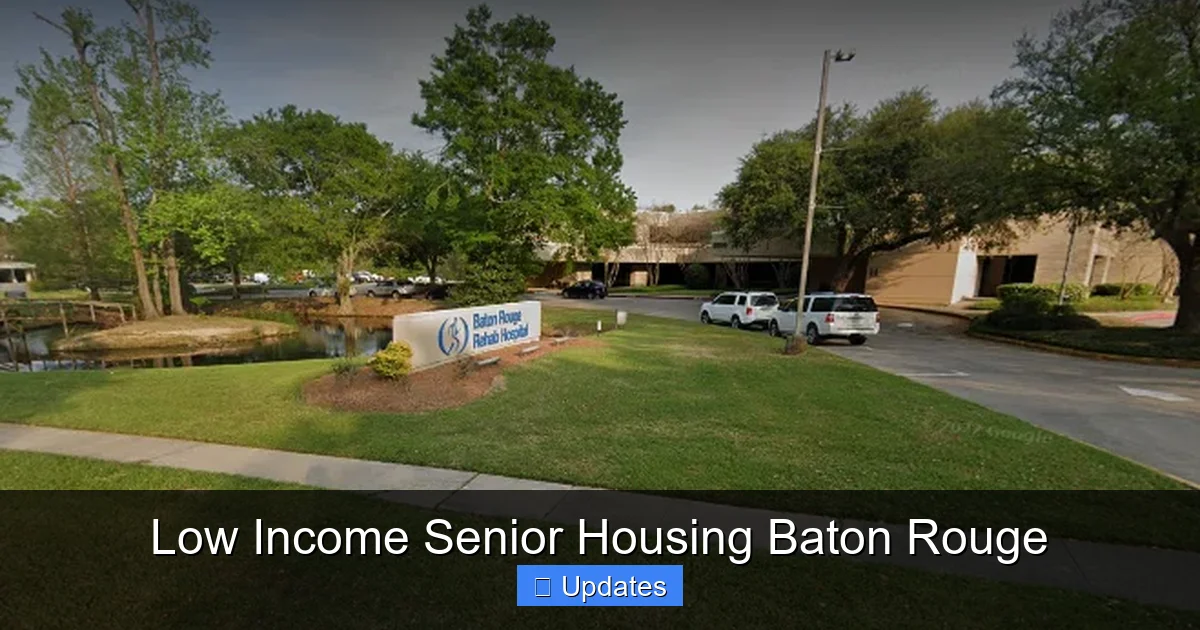
Visual guide about Low Income Senior Housing Baton Rouge
Image source: lowincomehousing.us
Eligibility hinges on two main criteria: age and income. Let’s unpack each:
Age Requirement
All public housing programs serving seniors mandate that applicants be at least 62 years old. Some private developments may accept younger disabled individuals, but traditional senior housing almost always enforces this cutoff. Proof of age—like a driver’s license or birth certificate—is required during screening.
Income Limits
Your household income (including Social Security, pensions, part-time wages, etc.) must fall below a specific threshold set annually by HUD. For Baton Rouge, as of 2024:
– One-person household: ≤ $38,700/year
– Two-person household: ≤ $44,250/year
These figures adjust slightly based on family size and occasionally local cost-of-living variations. Importantly, assets like savings accounts or stocks don’t count toward income limits unless they generate passive income (e.g., interest from CDs).
Other Considerations
While most low income senior housing Baton Rouge properties don’t screen based on credit history or criminal records, some do require background checks. Additionally, certain programs prioritize:
– Veterans
– Survivors of domestic violence
– Households receiving SNAP or TANF benefits
Always disclose any special circumstances upfront—it could improve your placement priority.
Top Affordable Senior Housing Communities in Baton Rouge
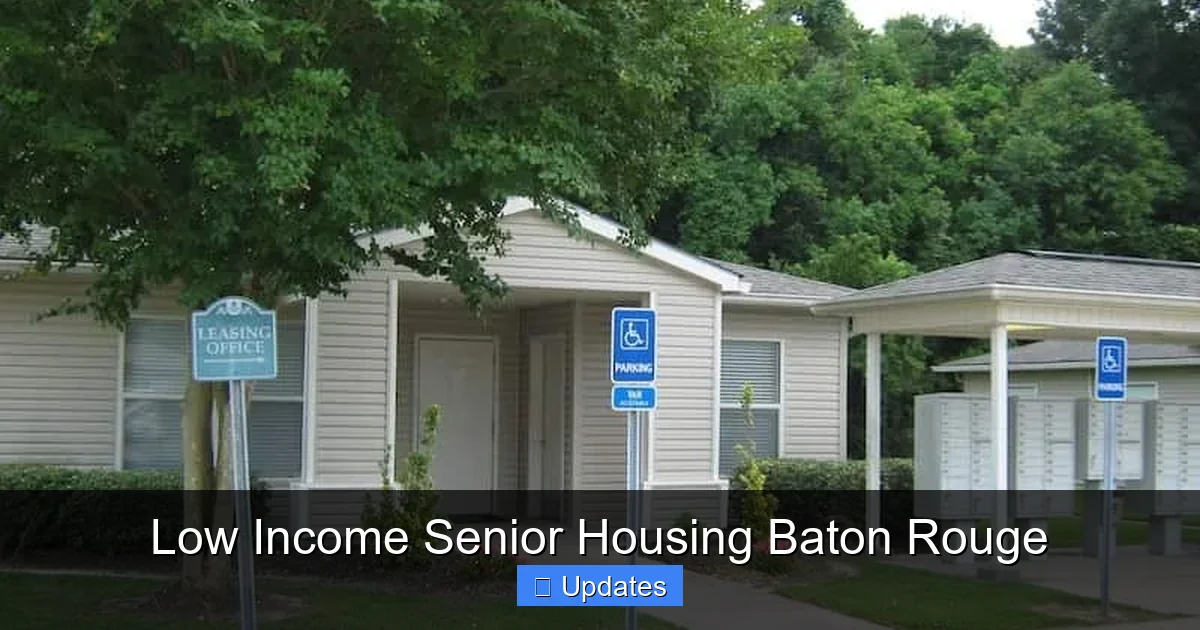
Visual guide about Low Income Senior Housing Baton Rouge
Image source: lowincomehousing.us
Here are five well-regarded options currently accepting applications or maintaining active waitlists. Note that availability shifts frequently, so contact each directly for current status.
1. The Oaks at Riverbend
Located near Perkins Road, this 120-unit complex offers one- and two-bedroom units with energy-efficient appliances and wheelchair-accessible designs. Monthly rent ranges from $450–$650 depending on income level. On-site social activities include bingo nights and fitness classes. Managed by Southern Management Group under HUD guidelines.
2. Magnolia Place Apartments
Situated in the Garden District, Magnolia Place provides studio and one-bedroom layouts with private patios. Residents enjoy weekly meal delivery through Meals on Wheels integration. Waitlist length averages 18 months but fluctuates seasonally. Contact the leasing office for priority codes.
3. St. James Court
Owned by Catholic Charities Archdiocese of New Orleans, this faith-based community features garden-style units with emergency call buttons and scheduled transportation to downtown medical centers. Pet-friendly (up to two cats/dogs under 25 lbs). Application fees waived for veterans.
4. Bayou Senior Living
A newer development in Zachary, Bayou Senior Living emphasizes wellness with an indoor pool, walking trails, and partnership with Our Lady of the Lake Regional Medical Center. Rents start at $525/month for qualified low-income seniors. Currently has a short-term waiting list due to recent openings.
5. Harmony Gardens
Managed by the Louisiana Housing Finance Agency (LHFA), Harmony Gardens focuses on intergenerational programming and community gardens. Units feature walk-in showers and adjustable countertops. Accepts applications year-round but processes them quarterly. Priority given to households earning under 50% AMI.
For the most accurate updates, visit each property’s official website or call their leasing office. Avoid third-party sites charging fees—many legitimate Baton Rouge senior housing providers operate independently.
How to Apply for Low Income Senior Housing Baton Rouge
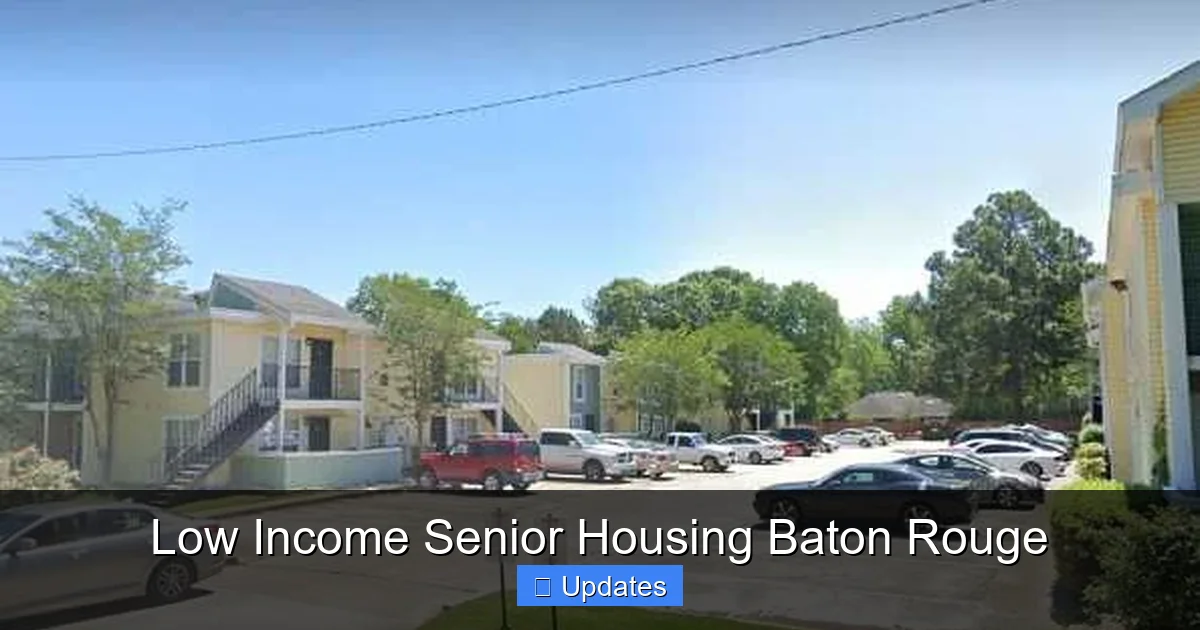
Visual guide about Low Income Senior Housing Baton Rouge
Image source: lowincomehousing.us
The application process varies slightly between developers but follows a consistent pattern:
Gather Required Documents
Before submitting anything, prepare:
– Proof of age (birth certificate or passport)
– Recent pay stubs or benefit statements (last 30 days)
– Bank statements (checking/savings)
– Lease agreements (if currently renting)
– Social Security award letters
– Identification (driver’s license, state ID)
Keep digital copies handy—you’ll likely need to upload them online.
Submit Your Application
Options include:
– Online portal (if offered)
– In-person drop-off at the property
– Mail submission (rarely accepted)
Never pay upfront fees! Legitimate Baton Rouge senior housing never requires deposits until after approval.
Wait for Notification
Processing times range from 2 weeks to 6 months. You’ll receive written notice via mail or email. If placed on a waitlist, ask for an estimated timeline and how to stay updated.
Complete Move-In Requirements
Once approved:
– Pass a final background/credit check (if applicable)
– Sign a lease agreeing to abide by community rules
– Pay first month’s rent + security deposit (often reduced or waived for seniors)
Pro tip: Schedule move-in during off-peak seasons (spring/fall) to avoid rushed transitions.
Financial Assistance and Benefits for Seniors
Beyond subsidized rent, Baton Rouge offers supplementary aid to ease the burden:
Section 8 Housing Choice Voucher
Administered by the Housing Authority of East Baton Rouge (HAEBR), this program helps cover up to 70% of your rent in private market apartments. While waitlists exceed 5 years, it’s worth applying if you prefer flexibility over fixed-location housing.
Property Tax Exemptions
Louisiana grants a homestead exemption for seniors 65+. This reduces taxable assessed value by $7,500, saving hundreds annually on property taxes.
Utility Assistance Programs
– LIHEAP: Low-Income Home Energy Assistance Program covers winter heating costs.
– LAMP: Louisiana Assistive Maintenance Program supports utility payments for disabled or elderly recipients.
Medicare Savings Programs
If your income is extremely low, these state-run programs cover Medicare premiums, deductibles, and copays.
Reach out to the Louisiana Department of Health’s Senior Services Division for personalized referrals.
Tips for Navigating Waitlists and Maximizing Chances
Long waits are frustrating but manageable with smart strategies:
Apply Early and Often
Don’t rely on one application. Submit to multiple Baton Rouge senior housing options simultaneously—even if they seem similar. Each has unique priority systems.
Leverage Referral Networks
Ask friends, clergy members, or case managers about unlisted vacancies. Sometimes properties fill faster than advertised.
Stay Organized
Track application dates, confirmation numbers, and follow-up deadlines using a spreadsheet or calendar alerts.
Attend Community Events
Many properties host open houses or informational sessions. Attending shows initiative and builds rapport with staff.
Remember: persistence pays off. Thousands of Baton Rouge seniors successfully secured housing after years on waitlists—and you can too.
Frequently Asked Questions
What is the average wait time for low income senior housing in Baton Rouge?
Most Baton Rouge senior housing communities maintain waitlists ranging from 12 to 24 months, though some report longer delays up to 3 years. Factors like unit type, income level, and local demand affect timing. Applying to multiple properties increases your odds.
Can I apply for low income senior housing if I already have an apartment?
Yes! Many seniors apply while still renting to explore better options. Just notify your current landlord if you sign a lease elsewhere. There’s no penalty for applying—only for breaking an existing lease without cause.
Are pets allowed in low income senior housing Baton Rouge?
Policies vary by property. Some allow small dogs/cats with breed restrictions and monthly pet fees (typically $25–$50). Others prohibit animals entirely. Always verify during application and review the pet addendum before moving in.
Do I need a co-signer for low income senior housing?
Generally no—most Baton Rouge senior housing trusts your income documentation alone. However, if your income fluctuates or appears unstable, a co-signer may strengthen your application. Check individual property requirements.
What happens if my income changes after moving in?
Notify the property manager immediately if your income rises above eligibility limits. Overpayments may be recouped gradually through rent adjustments. Conversely, if income drops, you might qualify for additional subsidies retroactively.
Is there help with moving costs for low income seniors?
Some Baton Rouge senior housing providers offer relocation stipends or partner with nonprofits like Goodwill for furniture donations. Contact the leasing office directly to inquire about available resources.