
How to Start a Senior Living Home


Smart Doorbell Camera

Orthopedic Sandals

Rollator Walker with Seat
Starting a senior living home is a meaningful journey that combines compassion with business acumen. This guide walks you through essential steps—from market research and legal setup to staffing and daily operations—so you can build a safe, welcoming environment tailored to seniors’ needs. With proper planning, you can create a thriving senior living community that improves lives.
Starting a senior living home isn’t just about providing shelter—it’s about creating a nurturing environment where older adults can thrive physically, emotionally, and socially. As baby boomers continue to age, the demand for high-quality senior living communities is growing rapidly. Whether you’re drawn by a personal connection to aging or a passion for elder care, launching your own facility requires careful planning, regulatory knowledge, and genuine empathy.
In this comprehensive guide, we’ll walk you through every stage—from initial concept to grand opening—and share practical tips based on real-world experience. You’ll learn how to navigate legal requirements, design an inviting space, hire the right team, and build a reputation that attracts residents and their families. By the end, you’ll have a clear roadmap to turn your vision into a reality.
Key Takeaways
- Understand the senior living landscape: Research different types of senior housing (assisted living, memory care, independent living) and identify your target demographic.
- Create a solid business plan: Outline services, pricing, staffing needs, financial projections, and marketing strategies to guide your startup phase.
- Secure proper licensing and certifications: Each state has unique regulations; obtain necessary permits, inspections, and compliance documents before opening.
- Design a senior-friendly facility: Prioritize safety, accessibility, comfort, and social engagement in your layout and amenities.
- Hire qualified and compassionate staff: Recruit caregivers, nurses, activity coordinators, and administrators who understand aging challenges and emotional well-being.
- Develop strong community connections: Partner with local healthcare providers, families, and organizations to build trust and referrals.
- Focus on resident-centered care: Implement personalized care plans, family communication tools, and wellness programs to enhance quality of life.
📑 Table of Contents
1. Understand the Senior Living Industry Landscape
Before writing a single line of code or signing a lease, take time to deeply understand the senior living industry. This sector includes several models: independent living (for active seniors), assisted living (with help for daily activities), memory care (for dementia patients), and skilled nursing facilities. Each model serves distinct needs and operates under different rules.
Start by researching your local market. Are there already many senior living homes in your area? What types are most common? Who is underserved? Talk to social workers, geriatricians, and family members of older adults to hear firsthand what they value in care options. Attend senior expos or visit existing facilities to observe operations firsthand.
Also consider trends shaping the field. For example, more people now prefer aging in place with support rather than moving into large institutions. Technology like telehealth and smart home devices is becoming standard. Sustainability, green spaces, and intergenerational programming are also rising priorities. Staying informed helps you position your senior living home as modern, responsive, and ahead of the curve.
Identify Your Niche and Target Population
Not all seniors need the same level of care. Some want luxury apartments with golf access; others require constant supervision due to cognitive decline. Decide which segment you’ll serve—this shapes everything from your facility design to your staffing model.
For instance:
– If you focus on independent living, your residents may be ages 75+ who still drive but appreciate meal service and social events.
– An assisted living facility might serve those needing help with bathing, medication, or mobility but not intensive medical care.
– A memory care unit would cater to individuals with Alzheimer’s or other forms of dementia, offering secure environments and specialized programming.
Choosing a niche early helps you stand out. You might specialize in LGBTQ+-friendly care, pet-friendly policies, faith-based activities, or culturally specific services. Whatever your angle, make sure it aligns with community demand and your own strengths.
2. Develop a Comprehensive Business Plan
Visual guide about How to Start a Senior Living Home
Image source: seniorsite.org
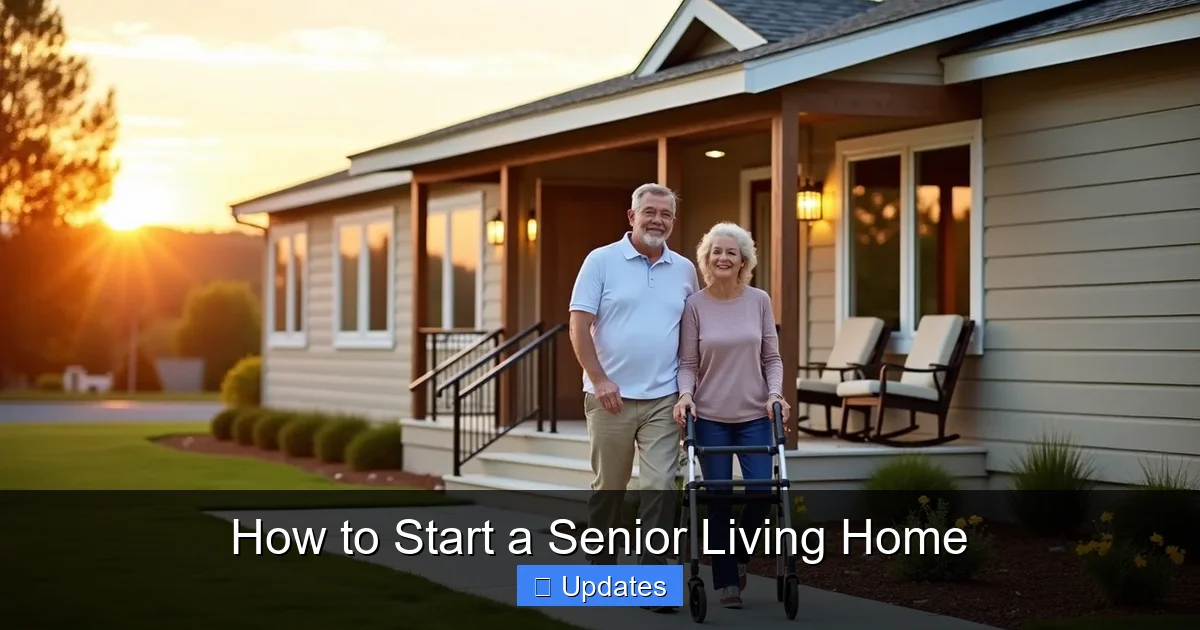
A solid business plan is your blueprint. It’s not just for lenders—it keeps you focused, helps you anticipate challenges, and guides day-to-day decisions. Your plan should include:
– **Executive summary:** Overview of your mission, goals, and unique value proposition.
– **Market analysis:** Demographics, competition, target audience, and growth potential.
– **Services offered:** Types of care, amenities, and pricing structure.
– **Organizational structure:** Roles, responsibilities, and management hierarchy.
– **Marketing strategy:** How you’ll attract residents and families.
– **Financial projections:** Startup costs, operating expenses, revenue forecasts, break-even analysis, and funding sources.
Use realistic numbers. Don’t assume full occupancy overnight. Most new senior living homes reach 80% capacity within two years. Factor in marketing spend, staff training, and unexpected repairs. Consider consulting a healthcare accountant or business advisor familiar with senior care.
You might also explore financing options like SBA loans, private investors, or partnerships with real estate developers. Some entrepreneurs start small—like converting a house into a small board-and-care home—before expanding. Others purchase larger properties outright. Either path works, but always base your choice on feasibility and long-term vision.
Pricing and Revenue Models
How will you charge residents? Common models include:
– **Lifecare contracts:** Residents pay upfront fees in exchange for lifetime care (rare and complex).
– **Monthly rental + care fees:** Base rent plus additional charges for personal care or medical services.
– **All-inclusive rates:** One monthly fee covering room, meals, activities, and some care (common in assisted living).
– **Private pay vs. Medicaid/Medicare:** Understand which residents qualify for government aid and how billing differs.
Be transparent about pricing. Families want clarity on what’s included and what isn’t. Offer payment plans if possible, and clearly outline any move-in deposits or refundable entrance fees (if applicable).
3. Secure Legal Structure and Licensing
Visual guide about How to Start a Senior Living Home
Image source: i.pinimg.com
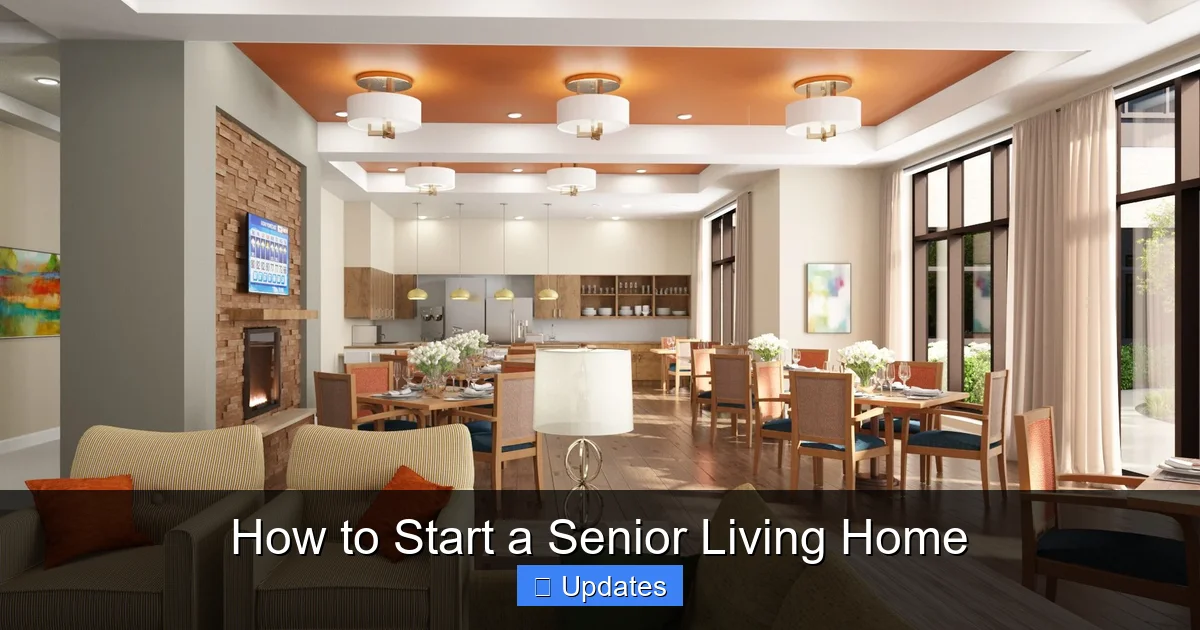
Operating a senior living home legally requires navigating zoning laws, health codes, fire safety regulations, and professional licensing. The exact process varies by state and city, so start by contacting your local Department of Health or Adult Protective Services.
First, choose your business entity—LLC, corporation, or partnership—to limit liability. Then register your name with the Secretary of State and obtain an Employer Identification Number (EIN) from the IRS. Next comes the critical part: licensing.
Most states require a formal application, site inspections, staff background checks, and proof of insurance. You may also need certificates of need (CON) in certain areas, especially if building new. Memory care units often face stricter oversight due to safety concerns.
Don’t rush this step. Delays in licensing can push back your opening date and increase stress. Work closely with a healthcare attorney or consultant who understands senior care regulations. They can help you avoid costly mistakes and ensure ongoing compliance.
Insurance and Risk Management
Even after licensing, protect your business with the right insurance. Essential policies include:
– General liability
– Professional malpractice (for nurses or therapists)
– Workers’ compensation
– Property and equipment coverage
– Umbrella liability
Consider hiring an experienced risk manager. Small lapses—like a slip-and-fall or miscommunication with a doctor—can lead to lawsuits. Having strong protocols and documentation reduces exposure.
4. Design and Build a Senior-Friendly Facility
Visual guide about How to Start a Senior Living Home
Image source: seniorsite.org
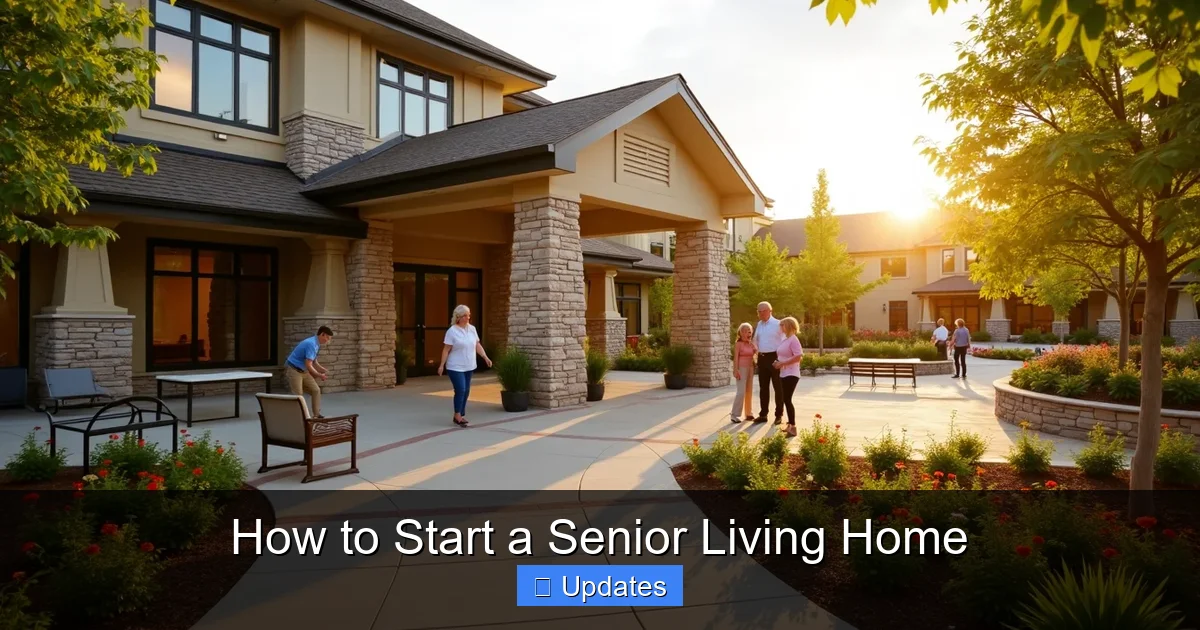
The physical environment plays a huge role in residents’ comfort and safety. Seniors often have reduced mobility, vision issues, or sensory changes, so your design must accommodate these needs.
Key features to include:
– Wide doorways and hallways (minimum 36 inches)
– Lever-style door handles instead of knobs
– Non-slip flooring throughout
– Well-lit corridors with motion-sensor lights
– Emergency call systems in every room
– Accessible bathrooms with roll-in showers or walk-in tubs
– Handrails along stairs and in hallways
– Clearly marked exits with illuminated signage
Common areas should encourage interaction. Think cozy libraries, bright dining rooms, gardens, and activity centers. Avoid cluttered layouts that confuse or overwhelm. Natural light boosts mood—place common areas near windows when possible.
If renovating an existing building, consult an architect specializing in universal design. If building new, work with a contractor experienced in healthcare construction. Budget wisely: safety upgrades cost money upfront but save lives—and lawsuits—later.
Amenities That Attract Residents
Modern families expect more than basic care. Consider adding:
– Fitness classes tailored to seniors (balance, yoga)
– On-site beauty salons or barbershops
– Pet therapy programs
– Movie nights or live entertainment
– Transportation for errands or appointments
– Wi-Fi and tablet lending for virtual visits with grandchildren
These extras justify higher fees and build loyalty. Just remember: amenities shouldn’t compromise care quality. A spa is nice, but reliable medication management is essential.
5. Hire and Train a Compassionate Team
Your staff is the heart of your senior living home. Without dedicated, empathetic caregivers, even the best-designed facility fails. Start recruitment early—good people take time to interview and accept offers.
Core roles typically include:
– Executive director (oversees operations)
– Activities coordinator (plans social events)
– Licensed practical nurse or registered nurse (medical oversight)
– Direct care staff (aides, companions)
– Housekeeping and maintenance
– Kitchen staff (meal preparation)
Prioritize candidates with:
– Relevant certifications (CNA, CMA, etc.)
– Background checks and drug testing
– Experience with seniors (especially if serving memory care)
– Strong communication skills and emotional intelligence
Training is equally important. New hires should learn your philosophy, emergency procedures, infection control, and how to handle behavioral issues in dementia patients. Ongoing education keeps skills sharp and morale high.
Foster a Positive Culture
Turn your team into a family. Recognize achievements, offer flexible scheduling, and hold regular meetings to address concerns. When employees feel valued, they treat residents better. Low turnover means fewer disruptions for residents and lower training costs for you.
Consider forming a staff advisory board. Let your caregivers voice ideas about programming, food menus, or facility improvements. Their insights often reveal hidden opportunities.
6. Launch Marketing and Community Outreach
Getting the word out starts months before your doors open. Begin by building relationships with local hospitals, clinics, and senior centers. Host informational sessions at retirement communities or churches. Create a website with photos, testimonials (once you have residents!), and clear contact info.
Digital marketing matters too. Use Google My Business, Facebook ads targeted to adults over 65, and email newsletters for families. Share stories about your mission—why you started this journey—to humanize your brand.
Word-of-mouth is powerful. Satisfied families become ambassadors. Encourage them to refer friends and post online reviews. Partner with relocation specialists who help seniors downsize and move.
Open House Events
Host a ribbon-cutting ceremony or open house. Invite families, influencers, and media. Tour guests through your beautiful, welcoming spaces. Demonstrate your care routines—show how meals are served, activities run, and emergencies handled.
Make it memorable: offer refreshments, live music, and maybe even a petting zoo or gardening demo. Collect emails during sign-ups so you can follow up with brochures and updates.
Conclusion: Building a Legacy of Care
Starting a senior living home is challenging but profoundly rewarding. It’s not just a business—it’s a calling to serve some of society’s most vulnerable and cherished individuals. Every decision you make—from choosing paint colors to handling a resident’s final wishes—impacts lives deeply.
Success comes from balancing compassion with competence. Stay updated on regulations, listen to feedback, and never stop improving. Celebrate small victories: a resident laughing at a joke, a family expressing gratitude, or someone rediscovering joy in life.
Remember, you’re not alone. Many successful operators started exactly where you are now. Seek mentors, join associations like the National Center for Assisted Living (NCAL), and lean on your support network. With dedication, you can build a senior living community that becomes a beloved home for generations.
—
Frequently Asked Questions
What licenses do I need to start a senior living home?
Licensing requirements vary by state but generally include approval from your Department of Health, fire marshal inspection, zoning compliance, and possibly a Certificate of Need. You’ll also need staff certifications like CNA or RN licenses depending on the level of care provided.
How much does it cost to start a senior living home?
Startup costs range widely—from $500,000 for a small home-based operation to several million for a large assisted living facility. Key expenses include property acquisition/renovation, furniture, equipment, licensing, staffing, and working capital for the first year.
Can I start a senior living home in my own house?
Yes, many small-scale senior care operations begin as family homes licensed as “board and care” or “residential care homes.” These typically serve 6–12 residents and require less capital than commercial builds. Check local ordinances first.
Do I need medical staff if I’m not offering skilled nursing?
If you provide only assistance with daily living (bathing, dressing, medication reminders), you likely don’t need licensed nurses on-site full-time. However, having access to an LPN or RN for consultations is wise. Always follow state-specific scope-of-practice rules.
How long does it take to get licensed?
The process usually takes 3–9 months. It includes submitting applications, passing inspections, completing staff background checks, and sometimes waiting for Certificate of Need approvals. Starting early avoids delays.
Are there grants or loans available for starting a senior living home?
Some government programs and nonprofits offer funding for innovative elder care models, especially those focusing on underserved populations. The SBA provides loans through its Healthcare Loan Program. Research local economic development agencies and aging-focused foundations.