
Equipment to Enhance Senior Independence


Weighted Blanket

Toilet Seat Bidet Attachment

Rollator Walker with Seat
As we age, staying independent at home becomes more important than ever. The right equipment can make everyday tasks easier, safer, and more manageable—giving seniors greater control over their daily lives. From smart home systems to assistive bathroom devices, these tools reduce physical strain and prevent accidents. By investing in the right technology and adaptive gear, seniors can maintain their dignity, boost confidence, and enjoy a higher quality of life.
Key Takeaways
- Adaptive technology empowers seniors to live safely at home longer. Devices like voice-activated assistants and smart lighting help reduce reliance on family or caregivers.
- Mobility aids such as walkers and rollators improve balance and reduce fall risk. Choosing the right device depends on strength, environment, and daily activity levels.
- Bathroom modifications prevent slips and make personal care more accessible. Grab bars, shower chairs, and raised toilet seats are simple upgrades with big impacts.
- Smart home systems increase safety through automated alerts and remote monitoring. Features like fall detection and emergency call buttons provide peace of mind.
- Lighting improvements reduce nighttime hazards and support better vision. Motion-sensor lights and brighter bulbs help seniors navigate safely after dark.
- Communication tools keep seniors connected with loved ones and support networks. Tablets with video calling and large-button phones reduce isolation.
- Regular equipment assessments ensure continued effectiveness and safety. As needs change, so should the tools supporting independence.
📑 Table of Contents
- Equipment to Enhance Senior Independence: A Guide to Staying Safe and Free at Home
- Understanding the Importance of Senior Independence
- Mobility Aids: Walking Safely with Confidence
- Bathroom Safety: Preventing Falls in High-Risk Areas
- Smart Home Technology: Safety Meets Convenience
- Kitchen Adaptations: Cooking Without Strain
- Vision and Hearing Support: Seeing and Listening Clearly
- Stair and Doorway Modifications: Navigating the Home Safely
- Choosing the Right Equipment: Practical Tips
- Conclusion: Empowerment Through Preparedness
- FAQS
Equipment to Enhance Senior Independence: A Guide to Staying Safe and Free at Home
Imagine waking up in your own bedroom, making coffee with one hand while holding a walker nearby, and knowing you can reach the phone in an emergency without rushing. For many older adults, this is not just a dream—it’s a reality made possible by thoughtful equipment choices. As people age, small challenges like climbing stairs, reaching high shelves, or remembering to turn off the stove can grow into serious barriers. But with the right tools, seniors can continue living independently, confidently, and comfortably in their homes.
The goal isn’t to replace human connection or medical care—it’s to support what matters most: autonomy, dignity, and quality of life. Equipment to enhance senior independence doesn’t have to be expensive or complicated. In fact, many solutions are affordable, easy to install, and designed specifically for aging adults. Whether it’s a grab bar in the bathroom or a voice-activated assistant in the kitchen, these tools are quietly transforming how seniors experience daily life.
In this article, we’ll explore the most effective types of equipment that support senior independence, from mobility aids to smart home systems. You’ll learn practical tips for choosing the right devices, where to find them, and how to integrate them seamlessly into your routine. By the end, you’ll have a clear roadmap to creating a safer, more empowering environment—no matter where you live.
Understanding the Importance of Senior Independence
Independence means more than just doing things on your own—it’s about having control over your decisions, routines, and surroundings. For seniors, maintaining independence often becomes a priority as health changes or family members move away. According to the National Council on Aging, nearly 90% of adults aged 65+ prefer to stay in their homes as they age. That preference comes with real benefits: lower stress, preserved social connections, and a stronger sense of identity.
Visual guide about Equipment to Enhance Senior Independence
Image source: miro.medium.com
But independence isn’t always easy to sustain. Chronic conditions like arthritis, vision loss, or reduced mobility can make common tasks overwhelming. Falls are a leading cause of injury among older adults, and many fear losing their ability to live safely at home. This fear can lead to unnecessary restrictions—like avoiding cooking or refusing visitors—which may actually harm mental and emotional well-being.
That’s where equipment comes in. When thoughtfully chosen and properly used, tools and devices can bridge the gap between ability and need. They don’t take away independence—they restore it. And when combined with supportive habits and regular check-ins, these technologies become invisible helpers, working behind the scenes to keep seniors safe and self-reliant.
Mobility Aids: Walking Safely with Confidence
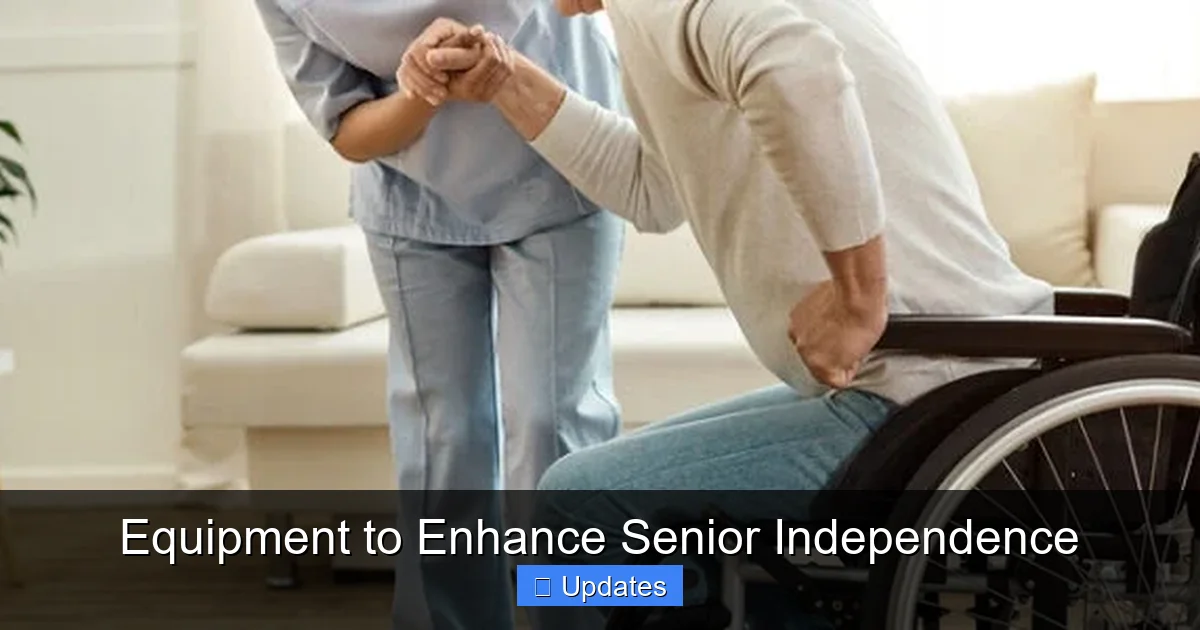
One of the biggest concerns for seniors is maintaining stability while moving around. Whether it’s walking across the kitchen floor or stepping onto a curb, balance issues can turn ordinary moments into potential risks. Mobility aids are designed to provide support without limiting movement—allowing seniors to stay active while reducing the chance of falls.
Visual guide about Equipment to Enhance Senior Independence
Image source: caaapital.com
Walkers vs. Rollators: Which Is Right?
Walkers come in two main styles: standard walkers and rollators (also called wheeled walkers). Standard walkers require both hands to lift and move forward—ideal for those with strong upper body strength and steady hands. They offer maximum stability but demand more effort to use.
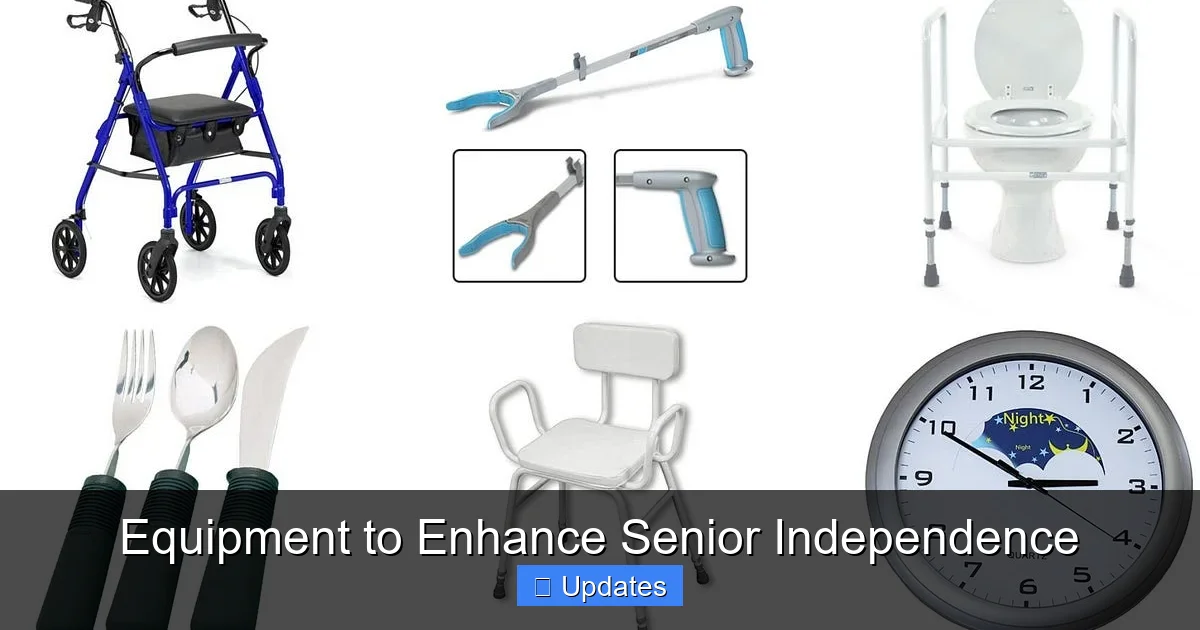
Rollators, on the other hand, have four wheels, brakes, and often a seat and storage basket. They’re easier to maneuver and allow seniors to rest when needed. For someone who spends time outdoors or travels frequently, a rollator is usually the better choice. Both types come with adjustable height settings, so they can fit your posture perfectly.
Tips for Choosing the Right Walker
- Test before buying: Visit a medical supply store and try different models. Ask for help adjusting the height to ensure your elbows bend slightly at 15–20 degrees when gripping the handles.
- Consider terrain: If you live on uneven sidewalks or gravel paths, choose a rollator with larger, rubber-tired wheels.
- Add accessories: Some rollators include cup holders, oxygen tank holders, or even Bluetooth speakers—small luxuries that make outings more enjoyable.
Remember, using a walker isn’t admitting defeat—it’s taking responsibility for your safety. Many seniors report feeling more confident after starting to use one, especially when they know it’s there if they need it.
Bathroom Safety: Preventing Falls in High-Risk Areas
The bathroom is one of the most dangerous rooms in the house for older adults. Slippery floors, low bathtubs, and hard-to-reach fixtures combine to create frequent hazards. Simple modifications can dramatically reduce the risk of slips and injuries.

Visual guide about Equipment to Enhance Senior Independence
Image source: images.squarespace-cdn.com
Grab Bars: Your Invisible Safety Net
Grab bars are among the most effective and affordable bathroom safety tools. Installed near the toilet, inside the tub or shower, and along walls in the shower area, they give seniors something solid to hold onto while standing, sitting, or transferring.
Look for grab bars rated for heavy use and made of corrosion-resistant materials like stainless steel. Avoid decorative styles that may look nice but aren’t structurally sound. Most hardware stores sell adhesive or bolt-on options—choose based on whether you want a permanent installation or something removable.
Shower Chairs and Transfer Benches
Bathing can be exhausting or impossible for some seniors, especially those with limited mobility or joint pain. A shower chair allows you to sit while washing up, eliminating the need to stand on one leg or brace against the wall.
Transfer benches sit outside the tub, letting you slide over from a wheelchair or commode chair. These are ideal for those who still enjoy bathing but need extra support. Look for non-slip seats, backrests, and adjustable heights to match your needs.
Raised Toilet Seats
A standard toilet forces seniors to bend deeply, which can strain backs and knees. Raised toilet seats add several inches to the height, making it easier to sit down and stand up. Models with side handles provide additional grip and leverage.
Some raised seats include built-in bidets or night lights—extra features that add comfort and convenience. Installation is usually straightforward, requiring only a few screws.
Smart Home Technology: Safety Meets Convenience
Technology has evolved beyond smartphones and streaming services—now, it’s helping seniors live safely at home. Smart home systems can monitor activity, detect emergencies, and automate routine tasks. Best of all, many devices work with voice commands, so no technical expertise is required.
Voice-Activated Assistants
Devices like Amazon Echo (Alexa) or Google Nest (Google Assistant) let seniors control lights, play music, set reminders, and even call family members—all with simple voice commands. For someone with arthritis or vision problems, this eliminates the need to fumble with remotes or screens.
You can program routines like “Good morning” that automatically turn on lights, adjust the thermostat, and read the weather forecast aloud. Emergency alerts can also be triggered verbally: “Alexa, I fell,” and a message is sent to designated contacts.
Smart Lighting
Cold fluorescent or dimmable lights make it harder to see—especially at night. Smart bulbs like Philips Hue or LIFX connect to Wi-Fi and respond to voice commands or motion sensors. Set them to gradually brighten at sunrise or turn on automatically when you enter a room.
For added safety, install motion-sensor nightlights in hallways, bathrooms, and staircases. These eliminate tripping hazards and reduce the need to fumble for light switches in the dark.
Fall Detection and Medical Alert Systems
Medical alert systems have come a long way. Modern wearables and pendants include GPS tracking, fall detection, and two-way communication. If you fall and don’t press the button within 30 seconds, the system assumes an emergency and calls for help automatically.
Some models integrate with smart home platforms, so lights flash or alarms sound if a fall is detected. Others send notifications to family members or caregivers via text or app alerts. Subscription plans vary, so compare monthly fees and included features before choosing.
Kitchen Adaptations: Cooking Without Strain
The kitchen is the heart of the home—but it can also be a source of frustration for seniors. Heavy pots, slippery countertops, and appliances out of reach can make meal prep feel impossible. With a few smart upgrades, cooking can remain a joyful, independent activity.
Jar Openers and Adaptive Utensils
Twisting jars is tough on arthritic hands. Electric jar openers do the work for you with the push of a button. Similarly, ergonomic knives, non-slip cutting boards, and angled spoons reduce wrist strain during food prep.
Easy-Use Appliances
Microwaves with large buttons and touchscreens are easier to use than traditional stovetops. Some models include pre-set programs for reheating meals or defrosting meat—perfect for busy seniors. Induction cooktops heat quickly and cool instantly, reducing burn risks.
Pull-Down Shelves and Lazy Susans
Reaching high cabinets is dangerous and uncomfortable. Pull-down shelves bring contents within easy reach, while lazy susans rotate items so nothing gets lost in the back of the fridge or pantry. These are inexpensive additions that pack a big punch.
Vision and Hearing Support: Seeing and Listening Clearly
Sensory decline affects many seniors, but it doesn’t have to limit independence. With the right tools, vision and hearing challenges can be managed effectively.
Magnifying Glasses and Reading Lights
Small print on medicine labels, recipes, or bills can be hard to read. Handheld magnifiers with LED lights help, as do clip-on reading lamps that attach to tables or books. E-readers with adjustable font sizes are another great option for digital reading.
Hearing Assistance Devices
If hearing loss is an issue, personal amplifiers or TV listening systems can help. Devices like Phonak or Widex offer discreet earpieces that stream audio directly from phones or televisions. For group conversations, directional microphones pick up voices clearly while filtering background noise.
Contrast and Lighting Enhancements
High-contrast colors—like black numbers on white dials—make clocks and thermostats easier to read. Adding brighter, warmer lighting throughout the home reduces eye strain and improves depth perception. Motion-activated lights in closets and pantries prevent fumbling in the dark.
Stair and Doorway Modifications: Navigating the Home Safely
Many homes have stairs, which can be treacherous for seniors. Even one slip can result in serious injury. While major renovations aren’t always necessary, small changes can make a world of difference.
Stair Lifts and Ramps
Stair lifts mount to the wall and carry a seated person up and down steps with minimal effort. They’re quiet, safe, and require almost no maintenance. For temporary situations or rental properties, portable ramps made of aluminum or wood are a lightweight alternative.
Handrails and Non-Slip Treads
Install sturdy handrails on both sides of staircases and in hallways. Choose models with rounded edges and textured grips. Non-slip treads or carpet strips on stairs provide extra traction, especially when wet.
Wide Doorways and Lever Handles
Narrow doorways restrict mobility, especially for walkers or wheelchairs. If remodeling is possible, consider widening frames. Otherwise, ensure all doors have lever-style handles instead of knobs—easier to operate with weak fingers or gloves.
Choosing the Right Equipment: Practical Tips
With so many options available, selecting the right equipment can feel overwhelming. Here’s how to make smart, personalized choices:
- Consult a healthcare provider: A doctor or occupational therapist can assess your abilities and recommend specific tools based on your health status.
- Start small: Don’t overhaul your entire home at once. Begin with one area—like the bathroom—and expand as needed.
- Involve family members: Get input from trusted relatives who visit regularly. Their perspective can reveal blind spots you might miss.
- Check insurance coverage: Medicare may cover some durable medical equipment (DME) like walkers or hospital beds. Private insurers sometimes reimburse for home modifications.
- Test before committing: Rent or borrow equipment to see if it fits your lifestyle. Many medical supply stores offer trial periods.
Remember, the best equipment is the kind you’ll actually use. Comfort, ease of operation, and aesthetic appeal all matter. Choose devices that blend into your home rather than stand out as “medical gadgets.”
Conclusion: Empowerment Through Preparedness
Equipment to enhance senior independence isn’t about slowing down—it’s about enabling you to do more, safely and comfortably. Every tool, from a grab bar to a voice assistant, plays a role in preserving your freedom and dignity. When you invest in these solutions, you’re not accepting limitations; you’re reclaiming control.
And here’s the beautiful part: most of this equipment is affordable, accessible, and designed with empathy. You don’t have to wait until a crisis occurs to make changes. Start today by identifying one area where you’d like more support—perhaps the bathroom or kitchen—and begin exploring options.
Living independently doesn’t mean going it alone. It means having the right tools, knowledge, and support to thrive. With the growing availability of smart technology and adaptive devices, aging in place has never been more achievable. So take that first step: reach out to a local senior center, browse online reviews, or schedule a consultation with an occupational therapist. Your future self will thank you.
FAQS
What is the best equipment for seniors who want to stay at home?
The best equipment includes mobility aids like walkers or rollators, bathroom safety tools such as grab bars and shower chairs, and smart home devices like voice assistants and fall detectors. These help seniors maintain safety, independence, and comfort at home.
Are smart home devices safe for seniors with dementia?
Yes, many smart devices are designed for cognitive accessibility. Voice-controlled systems reduce confusion, while automated alerts and simplified interfaces support memory and decision-making. Consult a caregiver or therapist to choose age-appropriate models.
How much does it cost to make a home senior-friendly?
Costs vary widely. Simple items like grab bars start under $50, while full home modifications can range from $1,000 to $10,000+. Medicare and private insurance may cover some expenses, especially if recommended by a doctor.
Can I get free senior equipment?
Some nonprofits and government programs offer free or low-cost assistive devices. Check with local Area Agencies on Aging, charitable organizations, or medical suppliers offering donation programs.
Do I need professional installation for bathroom grab bars?
No, many grab bars come with adhesive or screw-on kits and can be installed in minutes. However, for heavy-duty or structural installations, hiring a contractor ensures safety and compliance with building codes.
How often should I update my senior independence equipment?
Review your equipment every 6–12 months or whenever health changes occur. What worked last year may no longer meet your needs. Stay flexible and proactive about adapting your environment.
Frequently Asked Questions
What is equipment to enhance senior independence?
equipment to enhance senior independence is an important topic with many practical applications.