
Entertaining Games for Senior Citizens


Slow Cooker Crock Pot

LED Magnifying Glass

Bed Exit Alarm Sensor
Entertaining games for senior citizens are more than just fun—they support cognitive health, physical wellness, and emotional well-being. From classic board games to creative crafts, these activities help seniors stay connected, sharp, and happy in their golden years.
Key Takeaways
- Cognitive benefits: Games like crosswords, memory matching, and trivia improve brain function and slow cognitive decline.
- Social connection: Group activities foster friendships and reduce feelings of loneliness among senior citizens.
- Physical engagement: Active games such as dance or light sports enhance mobility, balance, and coordination.
- Emotional well-being: Playful activities boost mood, reduce stress, and increase life satisfaction.
- Accessibility matters: Choose games that accommodate physical limitations—seated options, large print, and simple rules are essential.
- Customization is key: Tailor games to individual interests and abilities to maximize enjoyment and participation.
- Routine builds joy: Regularly scheduled game time creates structure, purpose, and anticipation for seniors.
📑 Table of Contents
- Why Entertainment Matters for Senior Citizens
- The Benefits of Entertaining Games for Senior Citizens
- Top Categories of Entertaining Games for Senior Citizens
- How to Choose the Right Game for Your Loved One
- Creating a Welcoming Game Environment
- Overcoming Common Challenges
- Making Games a Regular Part of Life
- Where to Find Resources and Communities
- Final Thoughts: Fun Is a Gift
Why Entertainment Matters for Senior Citizens
Imagine this: a quiet afternoon, a cup of tea, and the soft clink of dominoes being moved across a table. Or perhaps the lively laughter of friends gathered around a board game, shouting, “Show me your cards!” These aren’t just scenes from a movie—they’re moments of real joy, connection, and mental stimulation happening every day in communities across the country. For senior citizens, entertainment isn’t a luxury; it’s a vital part of healthy aging.
As we grow older, our bodies change, our routines shift, and sometimes, so do our opportunities for fun. But that doesn’t mean joy should fade. In fact, engaging in entertaining games for senior citizens can make a world of difference. Whether it’s a weekly bridge night, a puzzle-solving session, or even a friendly game of bingo at the community center, these activities do more than pass the time—they nurture the mind, strengthen relationships, and uplift spirits.
Modern research supports what many caregivers and families have long known: play keeps us sharper, happier, and more connected. A study published in the *Journal of Aging and Health* found that seniors who regularly engage in mentally stimulating activities are less likely to develop dementia. Another survey by the National Council on Aging revealed that group-based games reduce depression rates by up to 30%. So whether you’re caring for an elderly loved one or looking for ways to enrich your own life, investing in fun is investing in well-being.
The Benefits of Entertaining Games for Senior Citizens
You might wonder—what makes certain games so beneficial? The answer lies in how they work together to support overall health. Let’s break down the key advantages of incorporating fun into daily life for older adults.
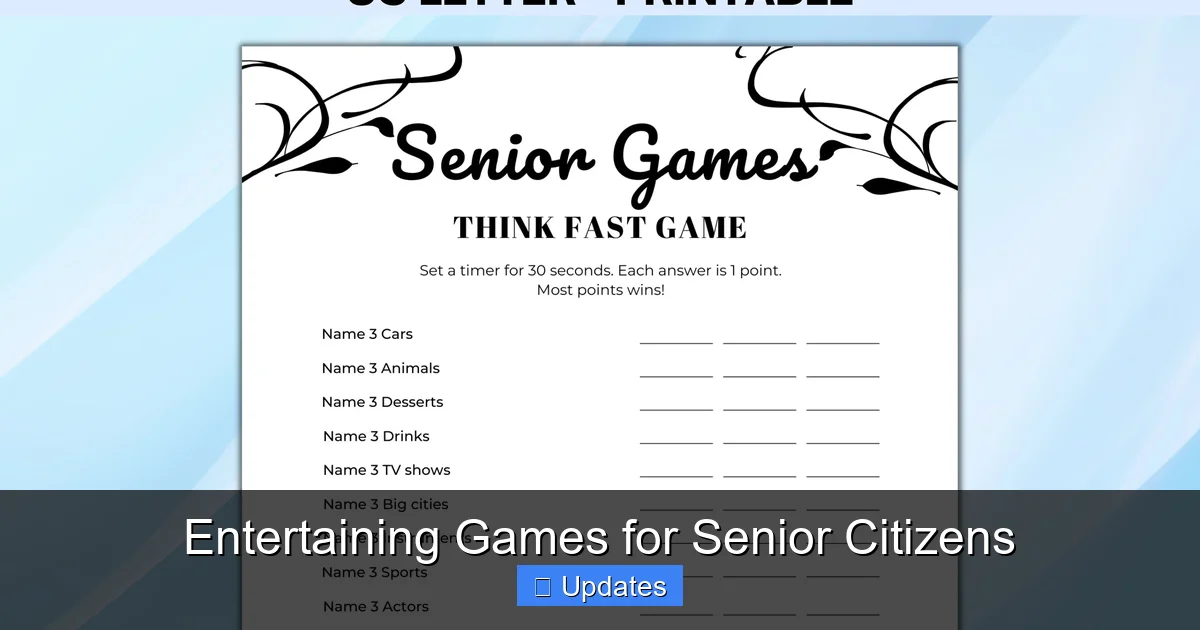
Visual guide about Entertaining Games for Senior Citizens
Image source: worksheets.clipart-library.com
Mental Stimulation That Keeps the Brain Sharp
Just like muscles need exercise, the brain needs challenges to stay strong. Games that require strategy, memory, or problem-solving activate neural pathways and build cognitive reserve. This means better decision-making, faster recall, and improved attention span over time.
For example, chess teaches foresight and planning. Sudoku sharpens number logic. Even bingo, often seen as simple, involves pattern recognition and quick thinking. These aren’t just games—they’re workouts for the mind.
Physical Activity Without the Pressure
Not all fun has to be sedentary. Many games naturally encourage movement—dancing to music, playing catch, or walking to collect tokens. These low-impact activities improve balance, flexibility, and cardiovascular health without the strain of formal exercise.
A group of seniors dancing to swing music from the 1940s may look like recreation, but it’s actually gentle aerobics with rhythm. Plus, it releases endorphins—nature’s feel-good chemicals. That’s why we see so many “senior prom” events popping up in retirement communities: they’re combining fun, fitness, and fellowship all at once.
Emotional Boost Through Laughter and Connection
Laughter truly is medicine. When seniors gather to play games, they share stories, exchange jokes, and create memories. This social interaction fights isolation, which experts say is as harmful to health as smoking 15 cigarettes a day (according to Harvard Medical School).
Games like charades or storytelling rounds give people a reason to talk and laugh together. And when someone wins a round of Yahtzee or solves a crossword clue, it’s not just about the victory—it’s about feeling capable, included, and celebrated.
Building Confidence and Purpose
When seniors master a new card game or teach younger family members how to play checkers, they gain a sense of accomplishment. This boosts self-esteem and gives them something meaningful to contribute—something beyond chores or medical appointments.
In fact, many retirement centers now offer “game ambassadors”—residents who organize tournaments and mentor others. It’s not just about having fun; it’s about leadership, responsibility, and belonging.
Top Categories of Entertaining Games for Senior Citizens
With so many options available, choosing the right game can feel overwhelming. But don’t worry—there’s a category out there for every interest, ability level, and setting. Here are some of the most effective and enjoyable types of games for seniors.
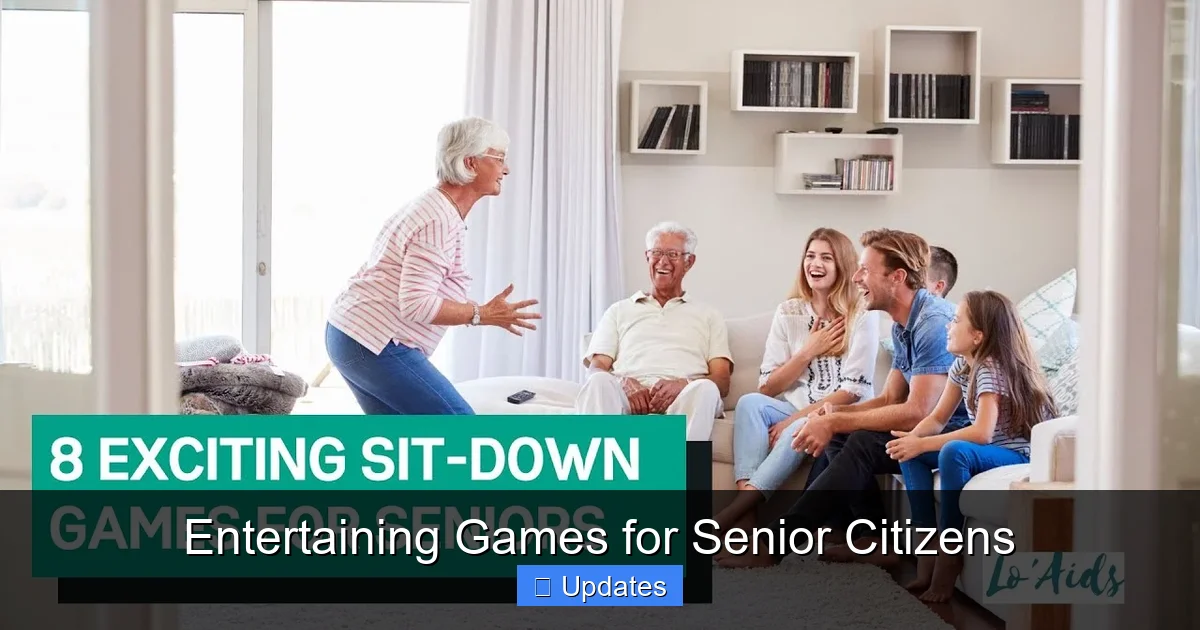
Visual guide about Entertaining Games for Senior Citizens
Image source: i.ytimg.com
Classic Board and Card Games
These timeless favorites never go out of style because they’re easy to learn, require minimal equipment, and spark friendly competition. Best of all, they’re perfect for two players or large groups.
- Bridge: A strategic partnership card game that builds teamwork and memory skills. Ideal for those who enjoy logic puzzles.
- Scrabble: Great for vocabulary lovers. Use large-print versions for easier reading.
- Uno: Simple rules, fast pace, and colorful cards make this a hit with mixed-age groups.
- Rummy: Teaches matching and pattern recognition—excellent for cognitive maintenance.
Pro tip: Keep decks organized and cards in sleeves to prevent bending. You can also use apps like CardPointers that project cards onto a screen for larger viewing.
Puzzle-Based Activities
If your loved one enjoys jigsaw puzzles, crosswords, or Sudoku, you’re already on the path to mental fitness. These games improve focus, patience, and spatial reasoning.
- Jigsaw Puzzles: Start with fewer pieces (200–300) and gradually increase difficulty. Working together adds a social element.
- Crosswords: Choose beginner-friendly books or websites with adjustable grid sizes. Word searches are great alternatives.
- Soduku: Available in print and digital formats, this number-placement puzzle is excellent for daily brain training.
Consider framing completed puzzles as art displays—it gives the activity extra meaning!
Creative and Craft Games
Artistic expression is another powerful form of entertainment. Whether it’s knitting, painting, or building model kits, creative games allow seniors to express themselves while improving fine motor skills.
- Knitting or Crocheting: Creates cozy items while strengthening hand-eye coordination.
- Adult Coloring Books: Calming designs help reduce anxiety and promote mindfulness.
- Model Building: Airplane kits, dollhouses, or historical replicas combine history lessons with tactile learning.
Fun fact: Studies show that adults who engage in regular creative hobbies report higher levels of happiness and lower cortisol (stress hormone) levels.
Active and Movement Games
For those who love staying on their feet, movement-based games keep the body energized and the spirit light.
- Balloon Volleyball: Use a balloon instead of a ball to reduce impact. Lightweight and easy to hit.
- Simon Says: Follow commands based on direction—great for listening and balance.
- Dance Parties: Play favorite songs from past decades. Include chair dances for safety.
- Golf Putting Practice: Set up mini-golf courses in hallways or outdoor spaces.
Always consult a doctor before starting any new physical activity, especially if there are mobility concerns.
Technology-Assisted Games
Don’t let fear of tech hold you back! Tablets and smartphones offer access to thousands of games designed specifically for seniors.
- Solitaire and Mahjong Apps: Large buttons and voice prompts make them user-friendly.
- Memory Match Games: Like “Concentration”—perfect for short attention spans and easy scoring.
- Virtual Reality Experiences: Some VR headsets offer calming nature walks or guided meditation through games.
Tip: Enable accessibility features like high contrast mode, text-to-speech, and simplified interfaces.
How to Choose the Right Game for Your Loved One
Selecting the perfect game isn’t about picking the flashiest option—it’s about matching the activity to the person’s personality, health status, and preferences. Here’s how to make smart choices.

Visual guide about Entertaining Games for Senior Citizens
Image source: worksheets.clipart-library.com
Assess Physical Abilities First
Can your senior sit comfortably for 30 minutes? Do they have trouble gripping small objects? These details matter. Opt for:
- Sit-down games: Bingo, card games, puzzles
- Large-piece puzzles: Easier to handle than tiny tiles
- Voice-controlled devices: Reduce need for fine motor skills
Remember: Comfort comes first. If a game causes pain or frustration, it won’t be enjoyable—no matter how good it sounds in theory.
Know Their Interests
Does your mom love gardening? Try a plant-themed word search. Does grandpa enjoy history? Create a trivia game about World War II. Personalizing the content increases engagement dramatically.
You can even turn hobbies into games! For instance, if someone collects stamps, organize a “stamp show” where they describe rare finds to the group.
Start Small and Build Up
Introduce one new game per week. Observe reactions—do they smile? Ask questions? Stay engaged? If yes, expand. If not, try something else.
Also, mix it up! Too much repetition can become boring. Rotate between categories: one day for puzzles, another for movement, then a card game.
Involve Them in the Selection Process
Ask open-ended questions: “What did you used to enjoy doing as a kid?” or “Is there anything you’ve always wanted to learn?” Their input ensures buy-in and excitement.
And don’t forget caregivers and family members—they’re part of the team too! Including everyone makes the experience richer.
Creating a Welcoming Game Environment
A great game isn’t just about the activity—it’s about the atmosphere. Where and how you play sets the tone for enjoyment.
Comfort Is King
Ensure chairs are supportive, tables are the right height, and lighting is bright enough to see details clearly. Natural light is best, but if that’s not possible, use full-spectrum bulbs.
Keep rooms at a comfortable temperature—too hot or cold distracts from the fun. And minimize noise distractions like TVs or loud appliances.
Accessibility Tips
- Use non-slip mats under rugs
- Label game pieces with pictures or Braille if needed
- Provide magnifying glasses for small print
- Store games in labeled bins for easy setup and cleanup
Foster Inclusivity
Make sure everyone feels welcome. Explain rules clearly, offer help without taking over, and celebrate all contributions—not just wins.
For shy participants, start with observation and slowly invite involvement. Sometimes just sitting nearby shows interest and encourages participation.
Overcoming Common Challenges
Even with the best intentions, obstacles arise. Here’s how to handle them gracefully.
Dealing With Memory Issues
If someone forgets rules or loses track of turns, gently remind them—but avoid embarrassment. Say things like, “Let’s review how this works together,” rather than “You forgot again.”
Use visual aids: draw a rule chart on paper or use color-coded cards. Repetition helps reinforce memory over time.
Managing Competition Anxiety
Some seniors get stressed winning or losing. Shift the focus from outcome to process. Praise effort, teamwork, and creativity instead of scores.
Try cooperative games where everyone wins or loses together—like Forbidden Island or Codenames. These build camaraderie without pressure.
Handling Tech Frustration
If someone struggles with tablets, start with basic functions: volume buttons, home screen, and app icons. Practice once a day for five minutes. Most people adapt quickly with patience.
Alternatively, stick to analog games until confidence grows. There’s no rush.
Making Games a Regular Part of Life
Consistency is key. When games become routine, they stop feeling like “extras” and start feeling like essential parts of daily life.
Schedule Weekly Game Nights
Set a recurring time—every Tuesday at 2 PM, for example—and treat it like an appointment. Send reminders via phone call, email, or printed calendar.
Rotate hosts so different people lead each session. This teaches leadership and keeps things fresh.
Document Progress and Memories
Take photos during games, record funny moments on video, or keep a scrapbook of achievements. Seeing progress over time motivates continued participation.
You could also create a “game journal” where participants write down favorite plays or share life updates between rounds.
Invite Newcomers Gently
Hosting brings in friends from outside the usual circle. Invite neighbors, former coworkers, or church members. Offer refreshments and explain the schedule upfront so newcomers know what to expect.
First-time guests often feel nervous—so make them feel special. Give them a role, like scorekeeper or rule referee.
Where to Find Resources and Communities
You don’t have to figure everything out alone. Plenty of organizations and online platforms support senior-focused gaming.
- Senior Centers: Most offer free or low-cost game nights, bingo, and craft sessions. Check local listings or visit city websites.
- Retirement Communities: Many have dedicated recreation departments with trained staff.
- Online Platforms: Websites like SeniorsProTalk provide curated lists and downloadable resources.
- Library Programs: Public libraries often host chess clubs, book discussions, and puzzle hours.
- Faith-Based Groups: Churches and synagogues frequently organize social events for seniors.
Tip: Call ahead to ask about accessibility accommodations—many places are happy to help!
Final Thoughts: Fun Is a Gift
At the heart of all this advice is one simple truth: joy matters. Every chuckle, every solved puzzle, every hand extended in friendship adds up to a richer, fuller life. By prioritizing entertaining games for senior citizens, we honor their dignity, intelligence, and humanity.
Whether it’s teaching grandchildren how to play Spades, organizing a monthly trivia contest, or simply enjoying a quiet moment with a crossword, these moments define what it means to age with grace and zest.
So next time you think about what your senior loved one needs most, remember: it’s not always medicine or money. Sometimes, it’s a deck of cards, a willing partner, and the courage to say, “Let’s play.”
Frequently Asked Questions
What are the best entertaining games for senior citizens with limited mobility?
For seniors with limited mobility, sit-down games like bingo, card games (Uno, Rummy), puzzles, and word games work best. These require minimal movement and focus on mental stimulation. Large-print versions and adaptive tools (like grip aids) can further improve accessibility.
Are electronic games suitable for older adults?
Yes! Tablets and smartphones offer many senior-friendly apps with large buttons, voice guidance, and simple interfaces. Popular options include solitaire, memory games, and virtual museum tours. Always enable accessibility settings and supervise initial use to build confidence.
How often should seniors play games to see benefits?
Research suggests that engaging in mentally stimulating activities 3–5 times per week yields the best cognitive results. However, even 15–20 minutes daily can improve mood and social connection. Consistency matters more than duration—regular short sessions are better than occasional long ones.
Can games help prevent dementia?
Absolutely. Studies show that regular participation in complex, varied games strengthens neural connections and builds cognitive reserve. Activities requiring strategy, memory, and learning—like chess, bridge, or language puzzles—are particularly effective in delaying cognitive decline.
What if my loved one refuses to play?
Respect their boundaries. Instead of forcing participation, join them—even if just observing. Over time, curiosity may grow. Offer choices: “Would you prefer a puzzle or a card game today?” Involving them in planning increases ownership and willingness.
Where can I find safe, age-appropriate games online?
Websites like SeniorsProTalk offer curated lists of tested games. Look for sites with clear instructions, adjustable difficulty, and positive reviews from caregivers. Avoid ads-heavy or confusing interfaces—opt for simplicity and safety first.