
Elderly Bath Safety Checklist for a Safer Bathroom

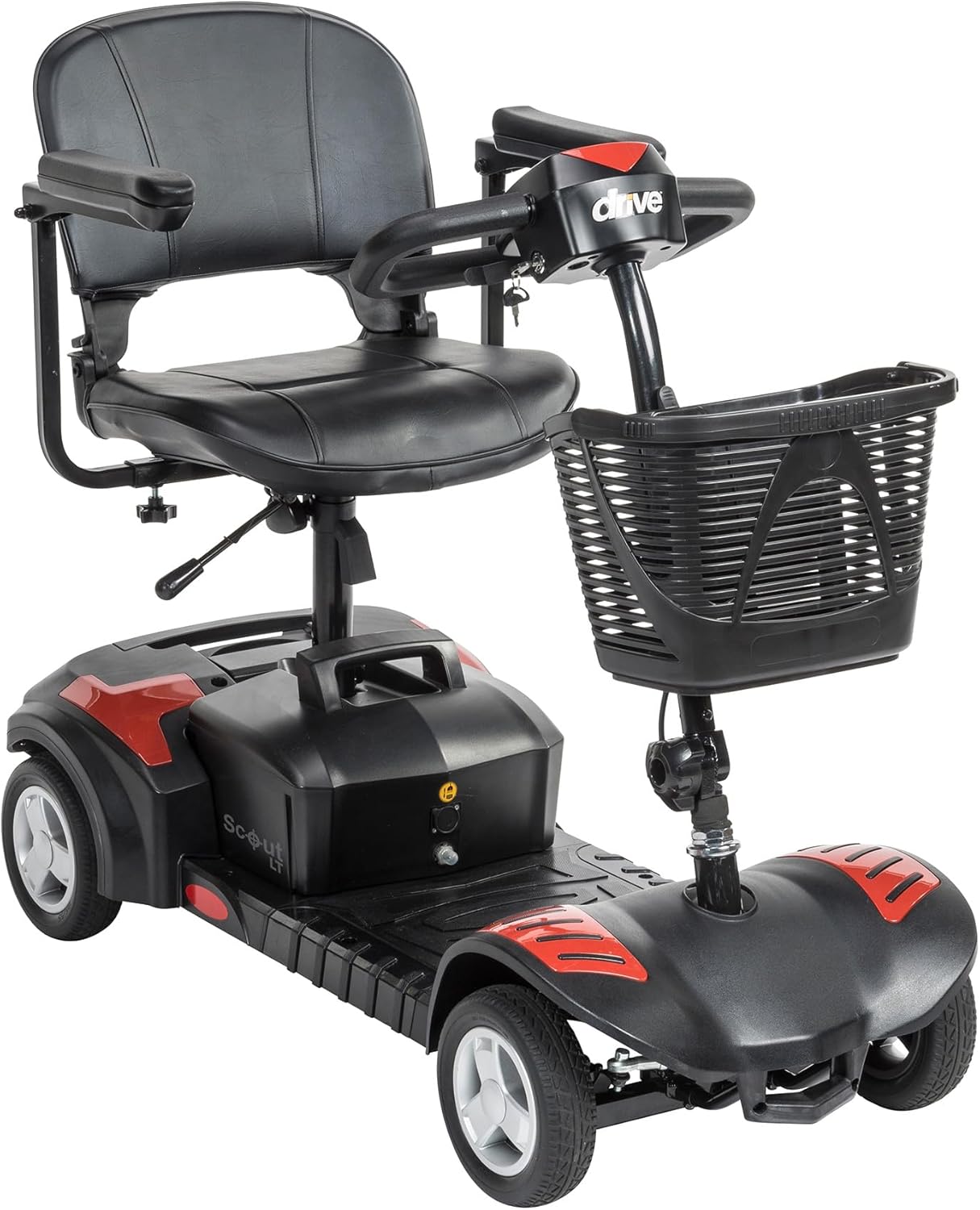
Electric Mobility Scooter

Arthritis Gloves

Quad Cane for Seniors
An elderly bath safety checklist helps reduce falls by focusing on the biggest bathroom risks: slippery floors, poor lighting, unsafe support points, and hard-to-use bathing setups. Review the bathroom regularly and update it as mobility, vision, or medications change.
An elderly bath safety checklist helps families spot hazards before a fall happens. In 2026, a safer bathroom often comes down to simple changes, the right equipment, and regular reviews as mobility, vision, and balance change over time.
- Start with fall risks: Wet floors, loose rugs, and poor lighting are the first hazards to fix.
- Use proper support: Install real grab bars, not towel bars, for balance assistance.
- Add helpful equipment: Shower chairs, non-slip mats, and handheld showerheads can make bathing safer.
- Review often: Recheck the bathroom after health or mobility changes.
Why an Elderly Bath Safety Checklist Matters in 2026
Bathrooms remain one of the highest-risk rooms in the home because they combine hard surfaces, water, tight spaces, and frequent standing or turning. For older adults, even a small slip can lead to a serious injury, a loss of confidence, or a long recovery.
A clear checklist gives caregivers and family members a practical way to notice problems early. It also helps older adults living alone keep track of what needs attention before the bathroom becomes harder to use safely.
How bathroom falls affect older adults at home
A bathroom fall can affect much more than the body. Some seniors become afraid to bathe alone after one close call, which can lead to less frequent bathing and a lower quality of life.
Falls may also be more serious for people with weaker bones, poor balance, arthritis, or a recent illness. If someone has dizziness, numbness, low vision, or takes medicines that cause drowsiness, talk to your doctor or healthcare provider about fall risk.
What caregivers and family members should look for first
Start with the most obvious hazards: wet floors, poor lighting, loose rugs, and hard-to-reach fixtures. Then look at how the person actually moves through the room, not just how the bathroom looks on paper.
For example, a toilet may seem fine until you notice the person struggles to sit down or stand up without using the sink for support. That is a sign the setup needs attention, even if nothing is visibly broken.
Start with a Room-by-Room Bathroom Hazard Check
A room-by-room review helps you focus on the real risks in the bath area. It is often better to correct a few high-impact problems first than to buy many products that do not fit the space or the person’s needs.
Flooring, rugs, and slip risks near the tub and toilet
Check for slick tile, loose bath mats, curled rug edges, and puddles near the sink, tub, or shower. Even a small mat can become a tripping hazard if it slides when stepped on.
If the floor gets wet often, use non-slip products made for bathrooms and remove anything that shifts easily. A towel on the floor is not a safe substitute for a proper mat.
Never rely on a loose rug, folded towel, or furniture piece for balance support in the bathroom. These items can slide, tip, or move suddenly.
Lighting, visibility, and nighttime bathroom access
Poor lighting makes it harder to see water on the floor, soap residue, or the edge of a tub. Nighttime trips are especially risky when someone is sleepy, unsteady, or wearing glasses they may not have on.
Bright overhead lighting, a nightlight, or a motion-activated light can make a meaningful difference. If vision has changed recently, schedule an eye exam and ask whether new glasses or a different lens prescription may help.
Water temperature, faucet controls, and scald prevention
Older adults can be more vulnerable to burns because skin may be thinner and reaction time may be slower. Water that feels “comfortably warm” to one person can still be too hot for another.
Check that faucet controls are easy to understand and that hot water does not come out too quickly. If water temperature is hard to manage, consult a plumber or healthcare provider about safe adjustments, especially for anyone with reduced sensation in the hands or feet.
Essential Safety Equipment to Add to the Bath Area
The right equipment can reduce strain, improve stability, and make bathing less tiring. The best choices depend on mobility, strength, and whether the person uses a cane, walker, or wheelchair.
Grab bars vs. towel bars: what actually supports weight
Grab bars are designed to help a person steady themselves. Towel bars are not built to hold body weight and can pull out of the wall if used for support.
Install grab bars where they are easy to reach during entry, exit, and transfers. If you are unsure where they should go, an occupational therapist or aging-in-place specialist can help with placement.
Many bathroom accidents happen during transitions, such as stepping into the tub, turning to sit, or standing up after bathing. That is why support bars matter most at the points of movement.
Non-slip mats, shower chairs, and transfer benches
Non-slip mats can help inside the tub or shower and on the floor just outside the bathing area. They should lie flat and stay in place after repeated use.
A shower chair may help someone who gets tired quickly, feels weak, or cannot stand for long. A transfer bench can make it easier to enter a tub safely by allowing the person to sit first and move across in small steps.
- Less standing time during bathing
- More stable transfers in and out of the tub
- Reduced fatigue for people with limited stamina
Handheld showerheads and raised toilet seats for easier access
A handheld showerhead can make bathing easier for someone who prefers to sit or who has trouble reaching certain areas. It also helps a caregiver assist without needing awkward bending or stretching.
A raised toilet seat may reduce the effort needed to sit and stand. If someone has knee, hip, or back pain, ask a doctor or physical therapist whether this change would be appropriate.
Bathroom equipment is not one-size-fits-all. A product that helps one older adult may create a problem for another, especially if there is arthritis, stroke recovery, or poor hand strength.
How to Build a Practical Elderly Bath Safety Checklist
The most useful checklist is simple enough to use regularly. It should match the person’s daily routine and be easy for a spouse, adult child, or paid caregiver to follow.
Daily, weekly, and monthly bathroom safety checks
Daily checks should focus on obvious hazards like water on the floor, soap buildup, and clutter. Weekly checks can include testing grab bars, checking mat placement, and making sure toiletries are within easy reach.
Monthly checks should look at the bigger picture: lighting, loose hardware, signs of wear, and whether bathing is still comfortable and safe. If the person’s condition changes, do not wait for the monthly review.
- Floor is dry and free of clutter
- Grab bars are secure and easy to reach
- Mat or non-slip surface stays in place
- Water temperature is safe and comfortable
- Soap, towels, and toiletries are within reach
Example checklist items for caregivers and seniors living alone
If the older adult lives alone, the checklist should be short, visible, and realistic. A simple note on the bathroom door or mirror can help remind them to look for hazards before each bath or shower.
Examples include: “Is the floor dry?”, “Can I reach the grab bar without stretching?”, and “Do I feel steady enough to step in safely?” If the answer to any of these is no, pause and get help if needed.
Make sure the route to the bathroom is clear, well lit, and free of cords, clutter, or loose mats.
Look at how the person sits, stands, or steps into the tub. Any wobble or hesitation is worth addressing.
Signs the current setup is no longer safe
If bathing takes much longer than it used to, the person avoids showers, or they start holding onto unstable surfaces, the bathroom may no longer fit their needs. Frequent near-falls are a warning sign, not something to ignore.
Other clues include bruises, fear of bathing, trouble turning around in the shower, or needing help getting up from the toilet. These signs mean it is time to reassess the space.
Common Mistakes Families Make in Bathroom Fall Prevention
Well-meaning families sometimes buy safety products without checking whether they fit the person or the bathroom. A few smart choices are usually better than several mismatched ones.
Installing safety aids in the wrong places
A grab bar placed too far away or at the wrong height may not help when it matters most. The same is true for shower chairs that are too large for the stall or mats that block movement.
Before drilling holes or making permanent changes, measure carefully and think through the full movement pattern. If needed, ask a professional to confirm the layout.
Relying on temporary fixes instead of proper modifications
Temporary fixes can be useful in a pinch, but they should not become the long-term plan if the bathroom is still unsafe. A loose suction device or unstable stool is not a substitute for a real support solution.
If the older adult needs frequent help, a more durable modification may save stress later. This is especially true after surgery, a stroke, or a major change in balance.
Ignoring mobility changes, vision loss, or medication side effects
Bathroom safety should be reviewed when health changes happen. New medicines, tiredness, dizziness, or blurry vision can all increase fall risk even if the bathroom itself has not changed.
Some medications can make a person feel lightheaded or sleepy. If that is happening, consult your pharmacist or healthcare provider so you understand whether the bathroom routine needs to change too.
When to Call a Professional for Help
Sometimes a home bathroom can be improved with simple changes. Other times, the safest path is to bring in someone who can evaluate the space and the person’s movement more closely.
Warning signs that a home safety assessment is needed
Call for a safety assessment if the person has already fallen, nearly fallen, or started avoiding bathing because it feels unsafe. Ongoing fear or confusion in the bathroom is also a strong reason to get help.
A professional review can be especially useful after illness, surgery, hospitalization, or a noticeable decline in strength. These changes can make a once-safe bathroom feel very different.
When to involve an occupational therapist or aging-in-place specialist
An occupational therapist can help match bathroom tools to the person’s needs and suggest safer ways to move. An aging-in-place specialist can help with layout, equipment, and practical home changes.
This kind of help is often worth considering when there are multiple risks at once, such as limited balance, arthritis, and a narrow bathroom entrance. The right guidance can prevent wasted spending on the wrong equipment.
Red flags that require urgent medical or caregiver support
If the older adult has hit their head, cannot stand, seems confused after a fall, or has severe pain, seek medical help right away. Do not assume they are fine just because they can speak or walk a few steps.
If bathing is no longer safe without hands-on assistance, arrange support before the next shower. Talk to your doctor about whether a change in mobility, balance, or medication could be part of the problem.
If bathroom falls, dizziness, weakness, or confusion are becoming more common, ask your doctor to review balance, vision, and medications. A small health change can create a big safety risk in the bathroom.
Cost Comparison: Budget Fixes vs. Long-Term Bathroom Upgrades
Bathroom safety improvements can range from very low-cost items to larger remodels. The right choice depends on risk level, mobility, and whether the person plans to age in place for years to come.
Low-cost safety improvements that make an immediate difference
Simple changes often include better lighting, non-slip mats, removing clutter, and reorganizing toiletries within reach. These are usually the fastest place to start because they can improve safety right away.
Some families also begin with a shower chair or handheld showerhead before moving to more permanent changes. If budgeting is tight, these basics may offer the best immediate value.
Mid-range and higher-cost modifications for aging in place
More involved changes can include permanent grab bars, a raised toilet seat, a transfer bench, or converting a tub into a walk-in shower. Larger remodels may be helpful when the bathroom is hard to enter or when falls are becoming more likely.
Coverage can vary a lot. Medicare and private insurance may cover some related medical equipment in certain situations, but bathroom remodels are often out-of-pocket. Check your plan details and ask your healthcare provider what might be considered medically necessary.
How to prioritize purchases based on risk and mobility needs
Start with the hazard that creates the greatest danger during daily use. For many older adults, that means fixing slippery floors, adding secure support, and improving access to the tub or toilet.
If someone uses a walker, has poor balance, or cannot step over a tub wall safely, prioritize transfer support and easier entry first. If the main problem is fatigue, a shower chair and handheld showerhead may be more useful than a bigger remodel.
| Option | Best For | Note |
|---|---|---|
| Low-cost fixes | Immediate risk reduction | Good first step, but may not solve access problems |
| Mid-range equipment | Daily bathing support | Often helpful for balance, fatigue, and comfort |
| Major upgrades | Long-term aging in place | Best when mobility limits make the current bath unsafe |
Final Recap: The Most Important Steps for a Safer Bathroom
The best elderly bath safety checklist is the one that gets used. Focus first on the biggest risks: slippery floors, poor lighting, unsafe support points, and difficult entry or exit from the tub or shower.
Then keep reviewing the bathroom as needs change. A setup that worked last year may not be safe after a fall, a new medicine, or a decline in strength.
Quick summary of the highest-impact checklist items
Check the floor, test the lighting, confirm water temperature, and make sure support bars are secure. Add the right bathing equipment if standing is difficult or if the person needs more stable transfers.
Encouragement for ongoing review as needs change
Bathroom safety is not a one-time project. Revisit the checklist regularly, especially after health changes, and ask for professional help when the risks start to grow.
With a few thoughtful updates, many older adults can keep bathing with more confidence, comfort, and dignity.
Frequently Asked Questions
The most important item is reducing fall risk, starting with dry floors, secure grab bars, and good lighting. From there, check water temperature and whether the person can enter and exit the bath safely.
No, towel bars are not meant to support body weight. They can loosen or pull away from the wall, so only use properly installed grab bars for balance support.
A quick daily check is helpful, with a more complete review weekly or monthly. Recheck sooner if the person has a fall, starts feeling weaker, or has a change in vision or medication.
Common helpful items include grab bars, non-slip mats, a shower chair, a handheld showerhead, and a raised toilet seat. The best choice depends on mobility, balance, and the bathroom layout.
Call a professional if there have been falls, near-falls, or signs that bathing is becoming difficult or frightening. An occupational therapist or aging-in-place specialist can help match the bathroom setup to the person’s needs.
Coverage varies by item and plan, and many bathroom remodels are not covered. Check your Medicare or insurance details and ask your healthcare provider what equipment may be considered medically necessary.