
Brookdale Senior Living Pet Policy


Toilet Safety Rails

Mattress Topper Memory Foam

Raised Toilet Seat
Brookdale Senior Living welcomes pets in many of its communities, offering a comforting companionship for residents. The pet policy varies by location, with common rules including breed restrictions, weight limits, and vaccination requirements. Most locations allow small dogs and cats, while some may permit birds or other small animals. Pet owners must pay a refundable deposit and possibly a monthly fee. Health records and temperament assessments are typically required. For specific details, contact your local Brookdale community directly.
Key Takeaways
- Pets are generally welcome: Most Brookdale communities allow pets, though policies differ by location.
- Breed and size restrictions apply: Not all dog breeds are permitted, and weight limits often cap at 50 pounds or less.
- Vaccination and health requirements: Up-to-date shots, especially rabies, are mandatory for all pets.
- Deposit and fee structure: A refundable pet deposit is common, with some communities charging a monthly pet fee.
- Pet agreements are required: Residents must sign a pet addendum outlining responsibilities and rules.
- Service and emotional support animals have different rules: ESA documentation may be needed, but pets still require compliance with basic policies.
- Contact your local community: Policies can vary, so always confirm details with the specific Brookdale location you’re considering.
When it comes to finding a senior living community that feels like home—complete with warmth, comfort, and even a little tail-wagging—pets play a big role. For many older adults, their furry friends aren’t just companions; they’re family. That’s why understanding Brookdale Senior Living pet policy is so important. Whether you’re relocating with your golden retriever or thinking about adopting a cat after retirement, knowing what to expect helps make the transition smoother and happier.
Brookdale Senior Living operates over 800 communities across the United States, offering independent living, assisted living, memory care, and skilled nursing services. With such a large network, it makes sense that their approach to pets isn’t one-size-fits-all. While the company encourages pet-friendly environments, individual communities set their own rules based on facility design, safety needs, and resident well-being. This means that while most locations welcome small pets like cats and dogs, the specifics—like whether your bulldog qualifies or if fish tanks are allowed—can vary.
In this article, we’ll walk through everything you need to know about Brookdale Senior Living pet policy. From breed and size restrictions to vaccination requirements and fees, we’ve got you covered. You’ll also find tips on how to prepare, what to ask during your tour, and how to ensure both you and your pet feel right at home. Plus, we’ll touch on service animals versus emotional support animals, since those come with different legal guidelines. By the end, you’ll be ready to bring your four-legged (or feathered or scaled) loved one into a Brookdale community with confidence.
Key Takeaways
- Understanding brookdale senior living pet policy: Provides essential knowledge
📑 Table of Contents
- What Pets Are Allowed at Brookdale Senior Living?
- Breed and Size Restrictions Explained
- Vaccination and Health Requirements
- Pet Deposits and Fees
- Pet Agreements and Responsibilities
- Service Animals vs. Emotional Support Animals
- Preparing Your Pet for Move-In
- What to Expect During Your Community Tour
- Common Challenges and How to Overcome Them
- Success Stories: Real Residents, Real Pets
- Final Thoughts: Making the Right Choice
What Pets Are Allowed at Brookdale Senior Living?
Most Brookdale communities welcome pets, but the types of animals allowed depend on the facility’s size, layout, and resident population. Generally speaking, small dogs and cats are the most commonly accepted pets. These animals tend to be easier to manage in shared living spaces and don’t pose significant safety risks. Many communities also allow small birds, such as canaries or finches, and even fish in appropriately sized tanks. Some locations may permit small rodents like guinea pigs or hamsters, though this is less common.
It’s important to note that large dogs or aggressive breeds are typically not allowed, regardless of training. For example, a Labrador Retriever might be fine, but a Rottweiler or German Shepherd could be excluded due to liability concerns. Similarly, exotic pets—think reptiles, ferrets, or rabbits—are usually prohibited unless approved in advance and deemed low-risk by management. Always check with your local Brookdale community before bringing any non-traditional pet.
For residents considering adopting a new pet, timing matters. If you’re touring a community, ask about their current pet policies and whether they’ve had issues with allergies, noise, or damage in the past. Some communities maintain a “pet-friendly” rating based on resident feedback, which can help guide your decision. And remember: even if your pet is small and well-behaved, every community has standards to protect all residents.
Breed and Size Restrictions Explained

Visual guide about Brookdale Senior Living Pet Policy
Image source: mlsvc01-prod.s3.amazonaws.com
One of the trickiest parts of Brookdale Senior Living pet policy is understanding which pets qualify—especially when it comes to dogs. Unlike some apartment complexes that follow strict breed bans under the Fair Housing Act, Brookdale communities often evaluate each pet individually, balancing safety, space, and resident comfort. However, there are common patterns:
- Weight Limit: Most communities enforce a maximum weight of 50 pounds. This includes both dogs and cats, so a Maine Coon cat might be too large depending on the rules.
- Breed Restrictions: While no single breed is universally banned, communities often exclude dogs known for aggression or high energy, such as Pit Bulls, Dobermans, or Chow Chows. That said, exceptions can sometimes be made if the pet has been professionally trained and behaviorally assessed.
- Temperament Matters: Even within allowed breeds, a pet’s personality plays a role. A calm, house-trained dog is far more likely to be accepted than one with anxiety or excessive barking.
For example, a resident in Brookdale Senior Living Troy Ohio might enjoy a quiet life with his 35-pound Cavalier King Charles Spaniel, while another in Brookdale Senior Living Poulsbo Wa could share space with a pair of budgies in a secure cage. But a large, vocal dog? That’s where questions start.
If you’re unsure whether your pet fits the profile, bring a recent photo or video to your community tour. Staff can often give preliminary feedback based on what they’ve seen before. Also, consider asking about any “pet resume” requirements—some communities want references from previous landlords or vet recommendations.
Vaccination and Health Requirements
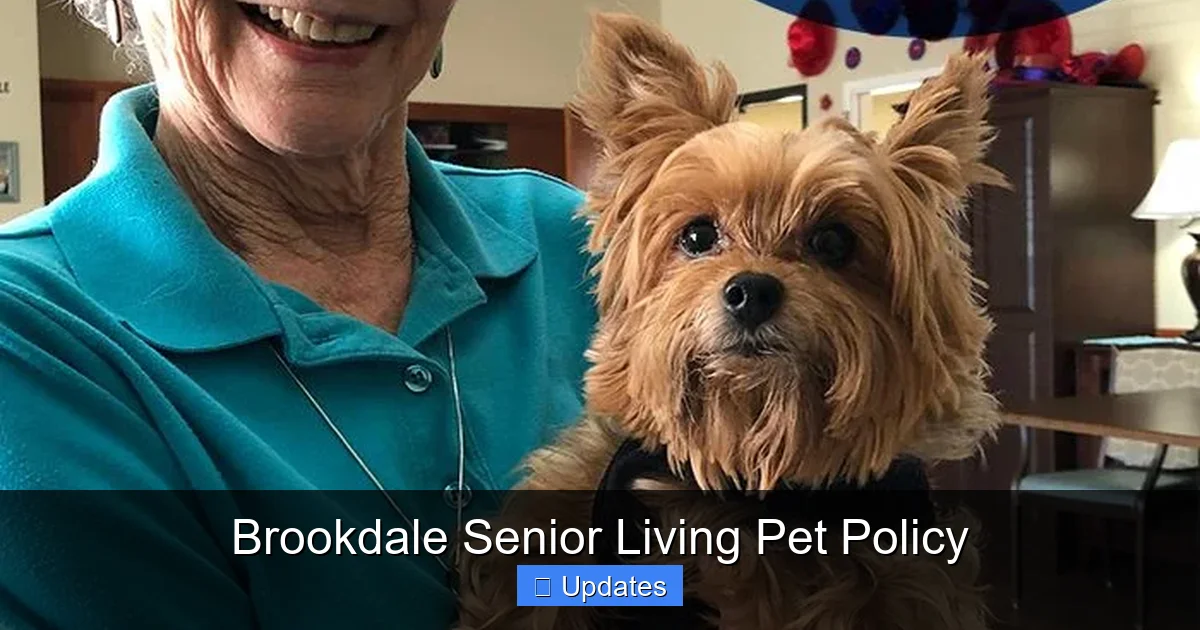
Visual guide about Brookdale Senior Living Pet Policy
Image source: i.pinimg.com
Just because a pet is small doesn’t mean it’s exempt from health checks. Brookdale Senior Living requires all pets to have up-to-date vaccinations, with rabies being non-negotiable. Other common requirements include distemper, parvovirus, and feline leukemia for dogs and cats, respectively. These records must be submitted before move-in and renewed annually.
In addition to vaccines, most communities ask for a current veterinary health certificate. This document confirms your pet is free of infectious diseases and physically fit to live in a communal setting. The vet visit should ideally happen within the last 12 months, though some communities accept slightly older records if accompanied by a recent fecal exam or heartworm test.
Behavioral assessments are also part of the picture. A pet exhibiting fear-based aggression, destructive chewing, or constant whining may not pass muster, even if healthy. Communities want to ensure all residents—especially seniors—feel safe and comfortable. If your pet has behavioral challenges, consider working with a trainer before applying.
Finally, flea, tick, and parasite prevention is usually required year-round. This isn’t just about your pet’s comfort; it’s about protecting others from infestations. Many Brookdale communities partner with local vets who offer affordable wellness plans for residents’ pets.
Pet Deposits and Fees

Visual guide about Brookdale Senior Living Pet Policy
Image source: townsquare.media
Bringing a pet into a Brookdale community isn’t free—but it’s usually affordable. Most locations charge a one-time, refundable pet deposit upon move-in. This covers potential damages beyond normal wear and tear, such as scratched floors or chewed furniture. The deposit amount typically ranges from $200 to $500, depending on the community and pet size.
Some communities also impose a monthly pet fee, which helps cover extra cleaning, landscaping around outdoor areas, and administrative costs. This fee is often $25 to $50 per month and is separate from the deposit. Be sure to clarify upfront whether the deposit is fully refundable (minus deductions for damages) or partially non-refundable.
Payment terms vary, so ask about due dates and acceptable payment methods. Some communities require the full deposit and first month’s pet fee at signing, while others allow installment plans. Keep receipts and documentation in case disputes arise later.
It’s also worth noting that service animals—defined as dogs or miniature horses trained to perform tasks for individuals with disabilities—are exempt from pet deposits and fees under federal law. Emotional support animals (ESAs), however, do not receive the same exemption unless they’re also trained service animals. Always provide proper documentation if claiming an accommodation.
Pet Agreements and Responsibilities
Before your pet moves in, you’ll need to sign a pet agreement—also called a pet addendum. This legal document outlines your responsibilities and sets clear expectations. Common clauses include:
- Leash requirements when outside your unit
- Prohibition of pets in common dining areas unless approved
- Clean-up duty: picking up waste immediately in outdoor spaces
- Liability for damages caused by your pet
- Notification requirement if your pet becomes ill or dies
These agreements help maintain harmony among residents. For instance, a neighbor with severe allergies might request that your dog stay indoors more often, or someone recovering from surgery might prefer limited noise levels. Open communication is key.
Many communities assign a “pet liaison”—often a staff member or respected resident—to mediate concerns. If conflicts arise, they’re usually resolved through discussion rather than eviction. Still, repeated violations of the pet agreement can result in fines or removal from the community.
To avoid surprises, review the agreement carefully before signing. Ask questions like:
– Can my pet sleep on my bed?
– Are there designated potty breaks near my building?
– What happens if my pet bites someone?
Knowing these details ahead of time prevents misunderstandings down the road.
Service Animals vs. Emotional Support Animals
Understanding the difference between service animals and emotional support animals is crucial when navigating Brookdale Senior Living pet policy. Under the Americans with Disabilities Act (ADA), only service animals—dogs or miniature horses trained for specific tasks—are guaranteed access to public areas in housing. ESAs, while beneficial for mental health, don’t have the same legal protections unless they’re also trained.
That said, the Fair Housing Act (FHA) does require reasonable accommodations for ESAs, including pets that provide comfort without task-specific training. To qualify, you’ll need a letter from a licensed mental health professional stating your need for the animal due to a disability. Documentation must be current (usually within the last year) and specific.
Brookdale communities generally honor FHA requests for ESAs, but they may still require basic health records and behavioral standards. They won’t allow an ESA to disrupt daily operations or pose a threat to others. If approved, your ESA will be exempt from pet deposits and fees.
However, be cautious: some scams involve fake ESA letters. Only use providers accredited by reputable organizations like the North American Veterinary Behaviorists Association or licensed therapists. Unverified documents can lead to denial or even eviction.
For residents in Brookdale Senior Living Lewiston Idaho or Brookdale Senior Living Greeneville Tn, for example, the process starts with submitting your ESA letter to leasing staff during the application phase. Early disclosure prevents complications later.
Preparing Your Pet for Move-In
Moving with a pet—even to a pet-friendly community—requires preparation. Start by updating all vaccinations and scheduling a wellness exam. Bring copies of records to your community tour so staff can review them ahead of time.
Next, acclimate your pet to travel if they’re not used to it. Practice short car rides or trips to the vet to reduce stress during the actual move. Label your pet’s belongings clearly: food bowls, leashes, toys, and bedding should all be marked with your name and room number.
Inside your new home, establish routines quickly. Feed, walk, and play at consistent times to help your pet adjust. Introduce them gradually to neighbors and common areas, always keeping them leashed or in a carrier until comfortable.
Many Brookdale communities host “pet orientation” sessions for new residents. These events teach best practices for shared living, including how to handle disagreements and where designated pet relief zones are located. Attending one can ease the transition.
Lastly, build a support network. Talk to other pet owners in your building. Share tips on groomers, emergency vets, and local parks. Having a go-to person makes a big difference when questions come up.
What to Expect During Your Community Tour
When touring a Brookdale community with your pet, treat it like a job interview—for both of you. Observe how staff interact with current pets. Are they friendly and knowledgeable? Do they seem prepared for emergencies?
Ask specific questions about:
– Current pet occupancy rates
– Noise complaints involving pets
– Access to outdoor green spaces
– Proximity to emergency vet clinics
You might also request to meet other pet owners. Hearing real stories builds trust and gives insight into daily life. For instance, a resident in Brookdale Senior Living Carrollton Ga might share how her cat adapted within weeks, while another warns about seasonal shedding near air filtration systems.
Don’t forget to inspect your future home’s pet-friendly features: window screens, balcony railings, and storage for supplies. Small details matter when keeping your pet safe and happy.
And yes—bring your pet! Letting management see them in action demonstrates responsibility. A well-behaved dog or curious cat can be a selling point, showing that your companion fits seamlessly into community life.
Common Challenges and How to Overcome Them
Even in pet-friendly communities, challenges arise. Allergies, noise, and property damage are top concerns. Here’s how to address them proactively:
- Allergies: Encourage open dialogue with neighbors. Use HEPA filters, wash bedding weekly, and designate pet-free zones like libraries or activity rooms.
- Noise Complaints: Train your pet to minimize barking or whining. Provide enrichment toys and consider calming aids recommended by your vet.
- Damage Control: Invest in durable flooring, chew-resistant furniture, and crate training for unsupervised hours.
If tensions escalate, lean on community resources. Mediation services are available at many Brookdale locations. Remember: the goal is coexistence, not conflict.
Also, stay updated on policy changes. Rules evolve as communities grow and resident needs shift. Subscribing to your local Brookdale newsletter ensures you’re informed about new initiatives—like expanding outdoor pet runs or hosting pet socials.
Success Stories: Real Residents, Real Pets
Nothing beats hearing from others who’ve walked this path. Take Margaret, a 78-year-old widow who adopted a rescue terrier named Max after moving into Brookdale Senior Living Battle Creek. Initially worried about rules, she was relieved to learn her small dog was welcome. “Max brings me joy every morning,” she says. “I look forward to our walks in the courtyard.”
Or James, whose emotional support rabbit helped him through depression post-retirement. After submitting his ESA letter, he gained access to common areas and even started a small bunny club for fellow residents. “It’s amazing how much companionship matters,” he reflects.
These stories highlight the human-animal bond’s power to enrich senior living. Brookdale’s flexible policies empower residents to bring their authentic selves—and their beloved pets—into their golden years.
Final Thoughts: Making the Right Choice
Choosing a senior living community is deeply personal. For pet owners, Brookdale Senior Living pet policy offers a welcoming option—provided you understand the nuances. While rules vary, the underlying message is clear: we value your companionship and strive to create inclusive environments.
Take time to research, visit multiple communities, and ask tough questions. Don’t assume all locations are equal. What works in Brookdale Senior Living Reidsville Nc might differ from Brookdale Senior Living Highlands Ranch Co. Direct contact with staff is your best tool.
Ultimately, a pet isn’t just a resident—they’re part of your story. With thoughtful planning and clear communication, you can build a home where both you and your furry friend thrive. After all, love knows no boundaries… not even age or apartment walls.
Frequently Asked Questions
Are there breed restrictions for dogs at Brookdale Senior Living communities?
Yes, most Brookdale communities limit dogs to smaller breeds and enforce a 50-pound weight maximum. Aggressive or high-energy breeds may be excluded regardless of training. Individual assessments are often made based on temperament and behavior.
Do I need to pay a pet deposit at Brookdale Senior Living?
Yes, most locations require a refundable pet deposit ranging from $200 to $500. Some communities also charge a monthly pet fee. Service animals are exempt from these charges under federal law.
Can I bring an emotional support animal to Brookdale Senior Living?
Yes, but only if you provide valid documentation from a licensed mental health professional. Emotional support animals must still comply with basic health and behavior standards, and may require a reasonable accommodation under the Fair Housing Act.
What vaccinations does my pet need to live in a Brookdale community?
Your pet must have up-to-date rabies vaccination and other core vaccines like distemper or feline leukemia. A current veterinary health certificate is also required before move-in.
Are there outdoor areas for pets at Brookdale Senior Living?
Most Brookdale communities feature courtyards, walking paths, or designated pet relief zones. Availability depends on the specific location and facility layout.
What happens if my pet causes damage or disturbs other residents?
Repeated violations of the pet agreement may result in fines or removal from the community. Staff typically work with residents to resolve issues through mediation and education.