
Best GPS Tracker for Dementia Patients in 2026


Bedside Commode Chair
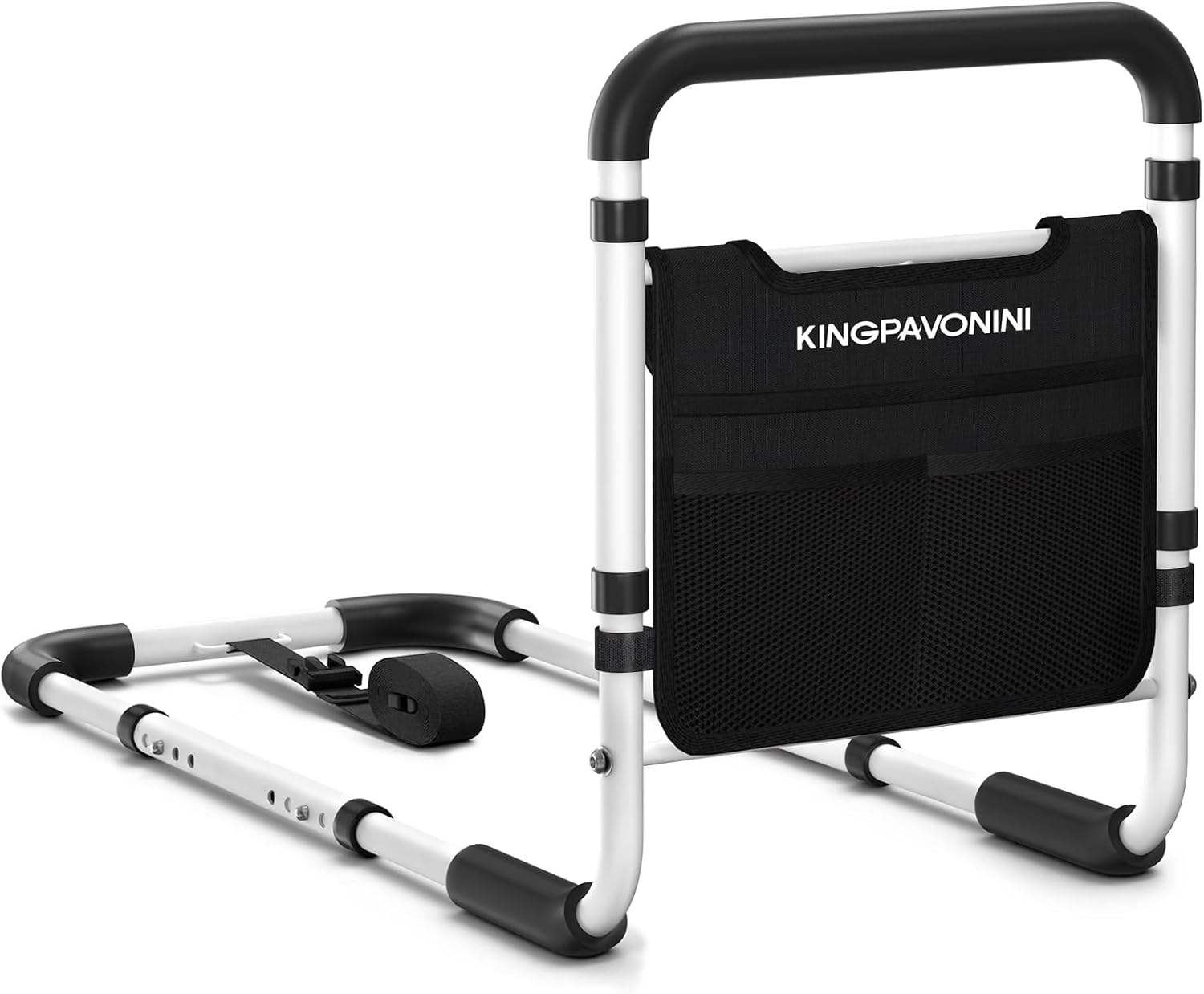
Bed Rail for Seniors

LED Magnifying Glass
The best gps tracker for dementia patients is one that is easy to wear, reliable for location tracking, and simple for caregivers to manage. Comfort, battery life, geofencing, and monthly cost matter just as much as the device itself.
Choosing a gps tracker for dementia patients is really about one thing: helping a loved one stay safe without making daily life harder. The best devices are simple to wear, easy for caregivers to check, and reliable enough to support quick action if wandering happens.
Because needs can change from person to person, there is no single “best” tracker for every family. A good choice depends on comfort, battery life, location accuracy, and how much help the caregiver needs from the app and alerts.
- Safety first: Prioritize live location, geofencing, and dependable alerts.
- Comfort matters: A tracker only helps if the person will wear it.
- Check the full cost: Include subscription fees and accessories.
- Test before relying: Verify alerts, battery life, and coverage.
What a GPS Tracker for Dementia Patients Should Actually Do in 2026
A useful tracker should do more than show a dot on a map. It should help caregivers respond quickly, reduce worry, and fit into the person’s normal routine as smoothly as possible. If you are comparing devices, keep in mind that features vary a lot by brand and by cellular coverage in your area.
Safety features that matter most: real-time location, geofencing, SOS alerts, and fall detection
Real-time location is the core feature most families need. It lets a caregiver see where the person is now, not just where they were several minutes ago. That can matter during a walk, a trip to the store, or any moment when a loved one becomes disoriented.
Geofencing is another helpful feature. This means you set a safe area on the map, and the caregiver gets an alert if the person leaves it. For dementia care, that can be useful around home, a yard, or an assisted living community.
SOS alerts and emergency buttons can help if the person is able to press them. Some devices also offer fall detection, which may be helpful for older adults at risk of falling. Still, fall detection is not perfect, so it should be treated as a support tool, not a guarantee.
No GPS tracker can prevent every emergency. If wandering, falls, or confusion are increasing, talk to your doctor about a broader safety plan.
Why “easy to wear” matters for memory loss, agitation, and daily routines
With dementia, a device only helps if the person will actually wear it. That is why comfort matters so much. A bulky tracker, a strap that irritates the skin, or a device that feels “medical” may be removed or refused.
Many families do better with something that looks familiar, like a watch-style tracker or a small clip-on device. The goal is to make the tracker feel like part of the day, not a reminder that the person is being watched.
When introducing a tracker, keep the explanation simple. Try: “This helps us find each other if we get separated.”
How SeniorsProTalk Evaluates the Best GPS Tracker for Dementia Patients in 2026
At SeniorsProTalk, we look at practical factors families can actually use, not just marketing claims. The best device for dementia care should be accurate, comfortable, easy to manage, and realistic for the caregiver’s daily routine.
Accuracy, battery life, comfort, caregiver alerts, and app simplicity
Accuracy matters because a tracker that is off by too much can slow down a search. Battery life matters because a dead device is not a safety tool. Comfort matters because people with memory loss may resist anything that feels awkward or unfamiliar.
We also look closely at caregiver alerts. A good app should make it easy to see location, set safe zones, and get notified quickly if something changes. If the app is confusing, the family may not use it consistently.
Simple setup is important too. Many caregivers are already juggling medications, appointments, meals, and supervision. A tracker should reduce stress, not add another complicated task.
Battery claims and app features can change by model and software update, so check the newest product details before buying.
Privacy, subscription plans, and cellular coverage considerations
Most GPS trackers rely on cellular service, so coverage matters. A device may work well in one neighborhood and poorly in another. If the person spends time in rural areas, ask how the tracker performs where signal strength is weaker.
Privacy is also worth thinking about. Families should understand who can see the location data, how it is stored, and whether the company shares information with third parties. Read the settings carefully before activating the device.
Subscription plans are common because many trackers need cellular data to work. The monthly cost may be reasonable for some families, but it should be included in the full budget along with the device price.
Best Types of GPS Trackers for Dementia Care: Wearables, Clip-Ons, and Smartwatches
Different tracker formats work better for different personalities and care settings. The right choice often depends on whether the person is likely to remove the device, how active they are, and how much supervision they already have.
Which format works best for wandering risk, resistance to devices, and supervised independence
Wearables, such as watch-style trackers, are often popular because they are easy to keep on during the day. They can support supervised independence for someone who still goes on short walks or runs errands with a caregiver nearby.
Clip-ons may work better for people who dislike wearing a watch or bracelet. They can attach to clothing, a belt loop, or a bag. The downside is that clip-ons can be removed more easily or misplaced.
Some families prefer a smartwatch because it feels familiar and may be less likely to stand out. But if the person is already confused by technology, a smartwatch with too many features may be harder to manage.
| Option | Best For | Note |
|---|---|---|
| Watch-style wearable | Daily wear and routine use | Often easiest to monitor, but may be removed if uncomfortable |
| Clip-on tracker | People who resist wrist devices | Can be lost or taken off more easily |
| Smartwatch tracker | Active users and caregiver oversight | May offer more features, but can be more confusing |
Practical examples: at-home use, assisted living, and outdoor walks
At home, a tracker can help caregivers know whether a loved one has left the house unexpectedly. In assisted living, it may be used as an added layer of safety, especially if the person tends to wander hallways or leave common areas.
For outdoor walks, a tracker can provide peace of mind if the person likes fresh air but may become disoriented. It does not replace supervision, but it can make it faster to locate someone if they do not return as expected.
If your loved one lives in a facility, check the community’s rules before buying a device. Some places have policies about wearables, charging, or location-sharing devices.
Top Features Caregivers Should Compare Before Buying
When comparing a gps tracker for dementia patients, focus on the features that affect everyday use. A long feature list is not as important as how well the device works in real life.
Live tracking vs. location history
Live tracking shows where the person is right now. Location history shows where they have been over a period of time. Both can be useful, but live tracking is usually the priority for wandering safety.
Location history may help caregivers understand patterns, such as repeated trips to the same place or times of day when the person tends to leave. That information can help with routine planning.
Battery performance and charging reminders
Battery life is one of the most important buying factors. If a tracker needs frequent charging, the caregiver must build that into the routine. Some products offer reminders or low-battery alerts, which can be very helpful.
Ask how long the battery lasts under normal use, not just in ideal conditions. Real-world use often includes location checks, alerts, and variable signal strength, all of which can affect battery performance.
Two-way communication, emergency buttons, and caregiver notifications
Two-way communication can be useful if the person can answer a call or speak clearly. Some devices allow caregivers to call the wearer directly, which may help calm confusion or confirm safety.
Emergency buttons can be helpful, but only if the person understands how to use them. Caregiver notifications should also be easy to customize so alerts go to the right people at the right time.
If the person is becoming more confused, has had recent falls, or is wandering more often, ask a doctor or dementia care specialist whether the tracking plan needs to change.
Water resistance, durability, and tamper alerts
Water resistance matters because older adults may forget to remove a device before washing hands, bathing, or being caught in the rain. Durability matters if the tracker might be dropped or bumped during daily use.
Tamper alerts can be useful if the person tends to remove devices. Some trackers notify the caregiver if the device is taken off, which may help catch problems early.
Cost Breakdown: Device Price vs. Monthly Subscription vs. Hidden Expenses
The true cost of a tracker is more than the sticker price. Families should look at the device, the monthly service plan, replacement parts, charging accessories, and any setup or activation fees.
What families typically pay in 2026 for dementia GPS tracking
Costs vary widely by brand and features, so it is best to compare current prices directly. In general, a lower-cost device may look affordable at first, but a subscription can add up over time.
Medicare and private insurance usually do not cover every consumer tracking device, but coverage can differ by plan, diagnosis, and medical need. If you are unsure, check with the plan directly and ask your healthcare provider what documentation, if any, may help.
When a higher-priced tracker may save money over time
A more expensive tracker may be worth it if it has stronger battery life, better location accuracy, clearer caregiver alerts, or a more reliable app. Those features can reduce frustration and the risk of having to replace a device too soon.
In dementia care, the cheapest option is not always the least expensive in the long run. If a low-cost device is hard to use or frequently fails, families may end up buying a second one.
Comparing budget, mid-range, and premium options
Budget trackers may work for families who only need basic location sharing and can monitor the device closely. Mid-range options often add better alerts, improved battery life, or a more polished app.
Premium devices may be better for families who want stronger support, more reliable geofencing, or a design that is easier for the wearer to accept. The right tier depends on how much risk you are managing and how much oversight is needed.
Common Mistakes Families Make When Choosing a GPS Tracker for Dementia Patients
Many families buy a tracker with good intentions, then discover it does not fit the person’s routine. A little planning before purchase can prevent a lot of stress later.
Buying a tracker that is too complicated to use
If the app, charging process, or alerts are hard to understand, the device may go unused. For dementia care, simplicity is often more valuable than extra features.
Try to choose a tracker that the main caregiver can manage confidently, even on a busy day. If several family members will share responsibility, make sure everyone understands the same setup.
Ignoring battery life and signal reliability
Some devices look great on paper but do not hold a charge long enough for real-life use. Others depend heavily on strong signal coverage, which may be a problem in certain neighborhoods or buildings.
Before buying, ask how the device behaves when signal is weak. A tracker that struggles indoors or in rural areas may not be dependable enough for wandering risk.
Assuming a device works without testing caregiver alerts and geofences
Do not assume the alerts will work exactly the way you expect. Test geofences, notifications, and emergency functions before you rely on them in a real situation.
It is also wise to test the app on the phones of the people who will actually respond. A tracker only helps if the right person receives the alert and knows what to do next.
Overlooking comfort, skin sensitivity, and willingness to wear it
Even a strong tracker is not useful if it is left on the dresser. Check whether the band, clasp, or clip feels comfortable and whether it may irritate sensitive skin.
If your loved one has arthritis, tremor, or sensory sensitivity, the device should be easy to put on and tolerate throughout the day. When in doubt, ask a doctor, occupational therapist, or pharmacist for practical suggestions.
Expert Help Warning: When a GPS Tracker Is Not Enough
A tracker can be a valuable tool, but it is not a complete safety plan. If the person is becoming more confused, unsafe, or resistant to care, the whole support system may need attention.
Signs the person needs a broader safety plan, not just a device
If wandering is happening more often, if the person is leaving home at unsafe times, or if they are forgetting how to use familiar places, a tracker alone may not be enough. Frequent falls, nighttime confusion, and sudden behavior changes also deserve attention.
These changes can sometimes be linked to illness, medication side effects, dehydration, pain, or worsening dementia. A healthcare provider can help sort out what is going on.
When to involve a doctor, occupational therapist, or dementia care specialist
Talk to your doctor if the person’s memory loss or wandering is getting worse, or if you are unsure whether the device is appropriate. An occupational therapist may also help with daily routine strategies, home safety, and wearable comfort.
A dementia care specialist can help families think through supervision, routines, and communication approaches that fit the person’s stage of care. That support is especially useful when the family is feeling overwhelmed.
Safety steps to pair with tracking: ID tags, routine planning, and home modifications
Tracking works best when paired with other safety steps. ID tags, updated emergency contact information, and a clear daily routine can all make a real difference.
Home modifications may also help, such as better lighting, door alerts, and removing trip hazards. If your loved one is still active, planning regular walks and structured activities may reduce the urge to wander.
- Helps caregivers find a loved one faster
- Can reduce worry during walks or outings
- Works best as part of a larger safety plan
Final Verdict: Choosing the Right GPS Tracker for Dementia Patients in 2026
The best gps tracker for dementia patients in 2026 is the one that balances safety, comfort, and ease of use. For some families, that means a simple wearable. For others, it means a more advanced tracker with stronger alerts and better caregiver controls.
Best-fit recommendations by need: wandering risk, budget, simplicity, and caregiver oversight
If wandering risk is high, prioritize reliable live tracking, geofencing, and strong battery life. If budget is the main concern, look for a basic device with the features you truly need and a subscription you can sustain.
If simplicity matters most, choose a tracker with a clean app and a design the person is more likely to wear. If several caregivers are involved, make sure the alert system is easy for everyone to understand and use.
Quick recap of the most important buying factors
Before you buy, compare comfort, battery life, location accuracy, caregiver alerts, privacy settings, and monthly costs. Then test the device carefully and keep your doctor in the loop if safety concerns are growing.
- Choose a tracker that the person will actually wear.
- Prioritize live location, geofencing, and reliable alerts.
- Check battery life, app simplicity, and cellular coverage.
- Pair tracking with routine planning and home safety steps.
Frequently Asked Questions
The most important features are real-time location, geofencing, SOS alerts, and a battery that lasts long enough for daily use. Comfort and simple caregiver alerts matter too, because a device only helps if it is worn and monitored consistently.
Coverage varies, and many consumer GPS trackers are not covered by Medicare. Check your specific plan and talk to your healthcare provider or plan representative for the most accurate answer.
Watch-style wearables are often easiest for daily use, while clip-on devices may work better for people who dislike wristbands. The best format depends on comfort, wandering risk, and whether the person is likely to remove the device.
Check whether the device uses cellular service and whether coverage is strong where your loved one lives, walks, or travels. If possible, test the tracker in real locations before depending on it.
Besides the device price, many trackers include a monthly subscription, activation fees, replacement bands, or charging accessories. Always compare the full ongoing cost, not just the upfront price.
Talk to your doctor if wandering is becoming more frequent, the person is falling, or confusion is worsening. A tracker can help, but it should be part of a broader safety plan.