
Senior Centers in Allegheny County


Fixodent Complete Denture Adhesive Cream, Original, 2.4 oz (3-Pack)

Bed Rails for Elderly Adults Safety, 380 LBS

Non Slip Bath Tub and Shower Mat 40 x 16 Inch Extra Large
Senior centers in Allegheny County offer vital resources for older adults, including nutritious meals, social activities, fitness classes, and health services—all at low or no cost. These community hubs empower seniors to maintain independence while building meaningful connections. Whether you’re looking for transportation, counseling, or just a friendly place to spend the day, Allegheny County’s senior centers are here to support your journey with compassion and care.
Senior centers in Allegheny County play a crucial role in supporting the health, happiness, and independence of older adults across western Pennsylvania. From Pittsburgh to smaller boroughs, these vibrant community spaces offer more than just meals—they serve as lifelines for social connection, wellness education, and access to essential services. Whether you’re seeking companionship after retirement, need help navigating Medicare, or simply want to try a new hobby, there’s likely a senior center nearby that fits your needs.
The history of senior centers in Allegheny County dates back decades, rooted in national movements during the 1970s focused on aging-in-place and elder rights. Today, they operate under the umbrella of agencies like the Allegheny County Office of Aging and partner organizations such as the United Way and local nonprofits. Their mission remains consistent: to enhance quality of life through holistic programming that addresses physical, emotional, intellectual, and spiritual well-being.
Key Takeaways
- Access to Nutritious Meals: Most senior centers provide congregate meals five days a week, often featuring balanced menus tailored to dietary needs like diabetes or hypertension.
- Social Engagement Opportunities: Activities range from arts and crafts to game nights, helping combat loneliness and promote mental well-being.
- Health and Wellness Programs: Many centers offer blood pressure checks, flu shots, exercise classes (like chair yoga), and chronic disease management workshops.
- Transportation Services: Free or subsidized rides help seniors get to appointments, shopping, or center events—especially valuable for those without reliable vehicles.
- Supportive Staff and Volunteers: Trained professionals and dedicated volunteers create a welcoming environment where dignity and respect are prioritized.
- Low-Cost or No-Cost Access: Fees are typically based on income; most services are free for eligible residents over 60.
- Community Resource Hub: Centers often host legal aid clinics, benefit enrollment assistance, and referrals to housing or home care services.
📑 Table of Contents
Why Senior Centers Matter in Allegheny County
Living longer comes with unique challenges—mobility issues, chronic conditions, social isolation, financial strain—and senior centers are uniquely positioned to address many of them. Unlike clinical settings, these centers foster a warm, inclusive atmosphere where participants feel seen and valued. For example, the North Hills Senior Center in Allison Park hosts weekly bingo games followed by hot lunches, creating routine and camaraderie among attendees who might otherwise dine alone. Meanwhile, the McKeesport Area Community Center offers tai chi sessions led by certified instructors, helping members improve balance and reduce fall risk.
Beyond recreation, senior centers act as gateways to critical resources. Staff often assist with applications for SNAP benefits, utility assistance programs, or Medicaid waivers. They also coordinate with healthcare providers to bring mobile clinics into neighborhoods, ensuring seniors can receive vaccinations or screenings without traveling far. In fact, during the COVID-19 pandemic, several centers pivoted quickly to deliver grab-and-go meal kits and virtual activity groups—proof of their adaptability and commitment.
A Day at a Typical Senior Center
Imagine stepping into a bright, airy room filled with laughter, music, and the aroma of freshly baked cookies. This is what a typical day at an Allegheny County senior center feels like. Morning hours often begin with coffee and conversation around large tables, followed by structured activities. One Tuesday at the East Liberty Senior Center, retiree Margaret D. joined a quilting circle while her friend James attended a computer skills workshop taught by a teen volunteer from a local high school.
Afternoon offerings vary widely. Some centers feature live performances—a jazz quartet at the Homewood Senior Center or a storytelling session about local history at the West View Recreation Center. Others organize educational talks, such as “Understanding Your Social Security Statement” or “Preventing Financial Scams.” Transportation is usually provided, making participation easy even for those with limited mobility.
For many, the highlight comes at lunchtime. The menu rotates seasonally and complies with USDA guidelines, offering three balanced meals per week. Vegetarian, diabetic-friendly, and low-sodium options are always available upon request. Nutrition education is woven throughout: a recent class at the South Side Senior Center explained how to read food labels to manage cholesterol levels.
Types of Programs Offered Across Allegheny County
Visual guide about Senior Centers in Allegheny County
Image source: assets1.cbsnewsstatic.com
While every senior center tailors its offerings to community needs, most share core program categories. Let’s break down what you’ll commonly find:
Meal Programs
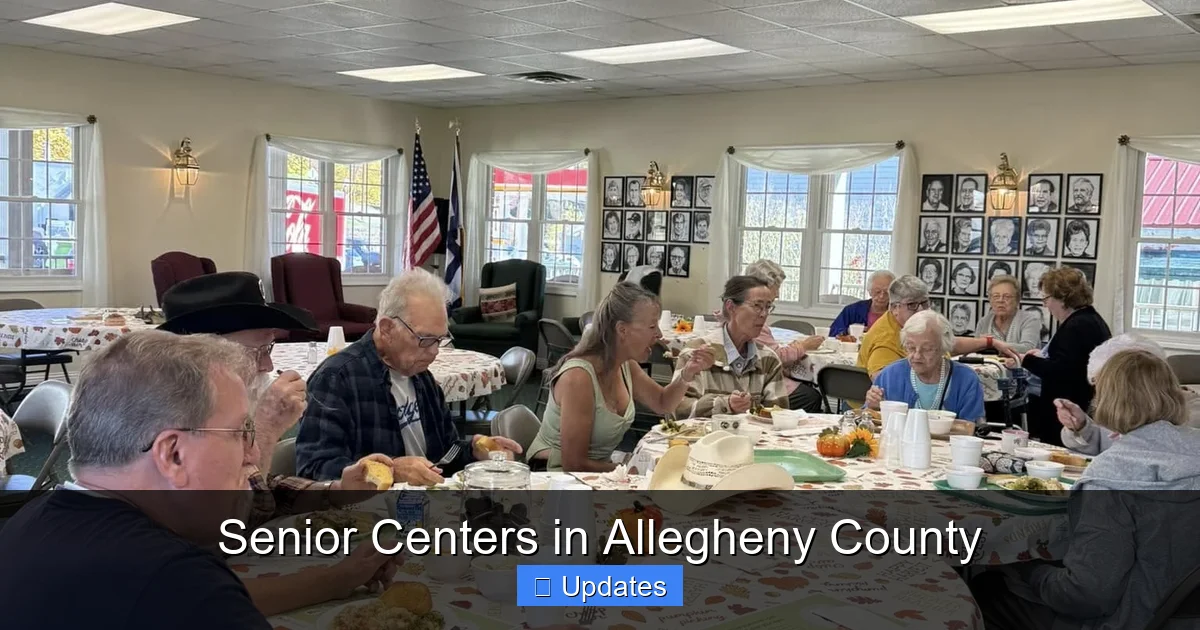
Congregate dining is arguably the most well-known service. Seniors gather daily for sit-down meals, which cost between $3–$5 depending on income. Home-delivered meals (often called “meals-on-wheels”) extend this support to housebound individuals. In Allegheny County, agencies like Meals on Wheels America partner with local governments to ensure no one goes hungry due to isolation or disability.
Recreational & Educational Activities
From bridge tournaments to line dancing, these activities keep minds sharp and bodies moving. Popular classes include:
– Chair aerobics
– Watercolor painting
– Foreign language basics
– Genealogy research
Volunteer-run book clubs and movie matinees are also common. The Oakmont Senior Center recently launched a “Tech Savvy” series, teaching seniors how to video-call grandchildren using tablets.
Health Promotion
Many centers host monthly health fairs with free blood pressure checks, glucose monitoring, and vision screenings. Partnerships with UPMC Mercy Hospital have brought flu shot clinics directly to the West End Senior Center every October. Mental health support is increasingly integrated—counselors from Family Resources offer grief groups and stress management workshops.
Legal and Benefits Assistance
Navigating government paperwork can be overwhelming. Fortunately, legal aid volunteers visit select centers monthly to help with advance directives, will preparation, and public benefits enrollment. The Allegheny County Bar Association runs a pro bono program that connects seniors with attorneys for estate planning consultations.
Finding the Right Senior Center Near You
Visual guide about Senior Centers in Allegheny County
Image source: thecouncilonaging.org
With dozens of locations across Allegheny County, choosing the best fit may seem daunting. Start by identifying your priorities: Do you value proximity to home? Are you interested in specific hobbies? Is transportation assistance essential?
The easiest way to explore options is through the Allegheny County Office of Aging website, which maintains an up-to-date directory with contact details, operating hours, and program calendars. You can filter by ZIP code or city (Pittsburgh, McKeesport, Monroeville, etc.). Calling ahead allows you to ask about waitlists, accessibility features (ramps, handrails), and whether pets are welcome (some centers allow service animals).
Here are a few standout examples:
– Pittsburgh’s Hill District Senior Center: Located in a historically rich neighborhood, it offers cultural events tied to African-American heritage alongside standard fare like nutrition workshops.
– Bethel Park Senior Center: Known for its robust arts program, including pottery and stained-glass workshops.
– Stowe Township Community Center: Provides bilingual Spanish/English programming and collaborates with faith-based groups for outreach.
Remember, attending a center doesn’t require formal registration—just showing up on open-house days is perfectly acceptable. Most staff warmly welcome newcomers and explain how things work.
Cost and Eligibility Requirements
Visual guide about Senior Centers in Allegheny County
Image source: marionseniors.org
One of the greatest misconceptions about senior centers is that they’re prohibitively expensive. In reality, fees are minimal and income-based. To qualify for most programs in Allegheny County, you must be at least 60 years old (or 55+ if disabled). Proof of residency (driver’s license, utility bill) and age (birth certificate or passport) is usually required.
Meal costs follow a sliding scale:
– Under $18,500 annual income: Free
– $18,501–$30,000: $2–$3 per meal
– Above $30,000: $4–$5 per meal
Some centers charge nominal registration fees ($5–$10) for special events like trips to Kennywood Park or museum tours. However, transportation itself is often free thanks to federal Older Americans Act funding and county grants.
For those struggling financially, additional aid exists. The Supplemental Nutrition Assistance Program (SNAP) can sometimes offset meal expenses if used at participating vendors near centers. Utility assistance via the Pennsylvania Home Energy Assistance Program (HEAP) may also apply.
How to Get Involved Beyond Attendance
Participating isn’t just about receiving services—it’s also about contributing. Many centers rely on volunteers for everything from serving meals to leading craft sessions. Retirees with professional backgrounds often mentor youth or teach resume-writing workshops. Even young adults can gain experience through community service hours.
Donations are gratefully accepted but never mandatory. Monetary contributions fund meal programs for low-income seniors, while non-perishable food items supplement pantry shelves. Recycled materials like cardboard boxes help with art projects.
If you’re passionate about advocacy, consider joining the Allegheny County Area Agency on Aging advisory council. Members meet quarterly to influence policy decisions affecting older adults countywide.
Future Outlook and Innovations
As demographics shift—with Baby Boomers aging into their 70s and beyond—senior centers are evolving. New initiatives include:
– Hybrid models blending in-person and virtual attendance (via Zoom)
– Expanded telehealth partnerships allowing remote consultations during flu season
– Intergenerational programs pairing seniors with elementary students for reading buddies or tech tutoring
Sustainability efforts are growing too: solar panels now power parts of the Carnegie Library Senior Center, reducing energy costs. Urban gardens at select sites supply fresh herbs for meal prep.
Despite budget uncertainties, advocates remain optimistic. Federal funding streams like Title III of the Older Americans Act continue supporting core operations. Plus, strong community networks ensure these centers endure as pillars of resilience.
Tips for Maximizing Your Experience
To truly benefit from your time at a senior center, keep these suggestions in mind:
1. **Introduce yourself**—staff and regulars appreciate knowing names and stories.
2. **Ask about trial periods**—many centers let you attend multiple times before committing.
3. **Bring a friend**—newcomers often feel more comfortable with company.
4. **Follow up on referrals**—if a counselor mentions housing assistance, call within 48 hours.
5. **Stay flexible**—schedules change; check bulletin boards or websites weekly.
6. **Share feedback**—program directors value input and adjust offerings accordingly.
And don’t forget: curiosity opens doors. Ask about hidden gems like a secret poetry slam night or a monthly “memory café” for dementia-friendly conversations.
Conclusion
Senior centers in Allegheny County are far more than places to eat lunch—they’re dynamic ecosystems nurturing purpose, belonging, and dignity in later life. With diverse programming, compassionate staff, and deep roots in local communities, they embody the spirit of mutual support. Whether you’re rediscovering a forgotten talent, learning to use a smartphone, or simply craving human connection, there’s a welcoming space waiting for you.
Take the first step today. Visit the Allegheny County Office of Aging online or drive by your nearest center. Smile, say hello, and let the journey begin. After all, aging well starts not with medicine alone, but with meaningful relationships—and senior centers are designed exactly for that.
—
Frequently Asked Questions
Are senior centers in Allegheny County free?
Most core services—including meals, basic activities, and transportation—are offered at no cost or very low cost based on income. Fees are typically under $5 per meal, with discounts for those earning less than $30,000 annually.
Do I need to register in advance?
No formal registration is required. You can walk in during open hours, though calling ahead helps ensure availability, especially for popular events or meal programs.
Can I bring my dog?
Only service animals are permitted due to liability and allergy policies. Emotional support animals do not qualify unless officially certified as working service dogs.
What if I live outside Allegheny County?
If you reside in neighboring counties like Butler or Washington, some centers may still accept visitors. Otherwise, check with your own county’s aging office for similar resources.
Are there senior centers specifically for veterans?
While general centers often host veteran-specific events (like Memorial Day observances), specialized veteran-focused centers exist elsewhere. In Allegheny, the VA Pittsburgh Healthcare System partners with local centers to offer targeted support.
How do I apply for home-delivered meals?
Contact your preferred senior center directly or call the Allegheny County Office of Aging at (412) 350-5600. An intake worker will assess eligibility and arrange delivery, usually within 5–7 business days.