
Regular Flex Vs Senior Flex Golf Clubs


REHAND Walking Cane - Foldable, Adjustable, Collapsible

Grab Bars for Shower, 2 Pack 16 in Anti Slip Safety Bath Handle

Bed Rails for Elderly Adults Safety, 380 LBS
Choosing between regular flex and senior flex golf clubs can make a big difference in your performance and enjoyment on the course. Regular flex shafts are better suited for players with faster swing speeds who want more control and distance, while senior flex shafts bend more easily, offering a smoother feel for those with slower swings. Understanding your swing speed and physical needs helps you pick the right equipment for maximum results.
Key Takeaways
- Shaft Flexibility Affects Performance: Regular flex shafts are stiffer and designed for faster swing speeds, while senior flex shafts are more flexible, ideal for slower swings.
- Senior Flex Eases Swing Effort: Senior flex reduces strain on wrists and shoulders, making it easier for older or less flexible golfers to generate power.
- Regular Flex Offers More Control: Players with higher swing speeds benefit from regular flex’s responsiveness and ability to maximize distance.
- Matching Flex to Swing Speed: Use a launch monitor or professional fitting to determine if senior flex or regular flex suits your swing.
- Comfort Leads to Consistency: Playing with the wrong flex can lead to slices, hooks, or inconsistent shots—comfort improves confidence and performance.
- Senior Flex Isn’t Just for Seniors: Younger players with slow swings can also benefit from senior flex clubs.
- Equipment Matters as You Age: As mobility decreases, switching to senior flex can help maintain performance without overexertion.
📑 Table of Contents
- Understanding Golf Shaft Flex: Why It Matters
- What Is Shaft Flex in Golf Clubs?
- Regular Flex Golf Clubs: Who Should Use Them?
- Senior Flex Golf Clubs: Designed for Comfort and Control
- How to Choose Between Regular and Senior Flex
- Practical Examples: Real Golfer Experiences
- Frequently Asked Questions About Regular vs Senior Flex
Understanding Golf Shaft Flex: Why It Matters
Golf isn’t just about skill—it’s about having the right tools. One of the most important yet often misunderstood components of your golf clubs is the shaft. The flex of the shaft determines how much the club bends during your swing. This bending affects ball flight, distance, and overall feel. Two of the most common options are regular flex and senior flex, each designed for different types of players.
Think of shaft flex like the suspension of a car. A stiff suspension handles high speeds better, while a soft suspension offers a smoother ride for lower speeds. In golf, regular flex acts like a stiff suspension—ideal for drivers and strong swingers. Senior flex, on the other hand, is softer, absorbing energy and helping slower swingers generate more power. Choosing between them isn’t just about age—it’s about matching the club to your unique swing characteristics.
In this guide, we’ll break down everything you need to know about regular flex vs senior flex golf clubs. We’ll explain what makes each type different, who benefits from which, and how to choose the best option for your game. Whether you’re a seasoned player or new to golf, understanding shaft flex can help you hit straighter shots, play more consistently, and enjoy the game even more.
What Is Shaft Flex in Golf Clubs?
The Role of the Shaft in Your Golf Swing
Every golf club has three main parts: the grip, the shaft, and the clubhead. While the clubhead delivers the impact, the shaft connects your hands to the club and plays a crucial role in transferring energy. When you swing, the shaft bends slightly under pressure—this is called flex. The amount of bend depends on the shaft’s material, design, and how stiff or flexible it is.
Visual guide about Regular Flex Vs Senior Flex Golf Clubs
Image source: skilledgolf.com
Shaft flex directly influences how the club behaves during your swing. A flexible shaft bends more, storing energy that’s released at impact. A stiff shaft resists bending, allowing faster swingers to control the release. This means that even small differences in flex can change your shot shape, distance, and accuracy.
Common Types of Shaft Flex
Most golf shafts fall into one of five flex categories: extra light, ladies, senior, regular, and stiff. Each is designed for specific swing speeds. For example, what is senior flex golf clubs explains how these clubs are tailored for players with moderate to slow swing speeds. Senior flex is softer than regular flex, making it easier to compress the clubface and generate launch.
Regular flex sits in the middle of the spectrum—stiffer than senior flex but not as rigid as stiff or extra-stiff shafts. It’s popular among average male golfers with swing speeds between 85 and 95 mph. Senior flex, by contrast, is ideal for players below 85 mph, especially seniors or those recovering from injury.
How Flex Affects Ball Flight
The flex of your shaft doesn’t just affect distance—it changes how the ball flies. A softer shaft (like senior flex) tends to promote higher launch angles and more spin, which can help weaker swingers get the ball airborne. A stiffer shaft (like regular flex) allows for lower ball flight and less spin, which is preferred by stronger players seeking control.
This is why professional fittings often test multiple shafts. A player might hit farther with a stiff shaft, but struggle with accuracy. Another might sacrifice distance for consistency with a senior flex. The right balance depends on your goals and physical capabilities.
Regular Flex Golf Clubs: Who Should Use Them?
Ideal Players for Regular Flex
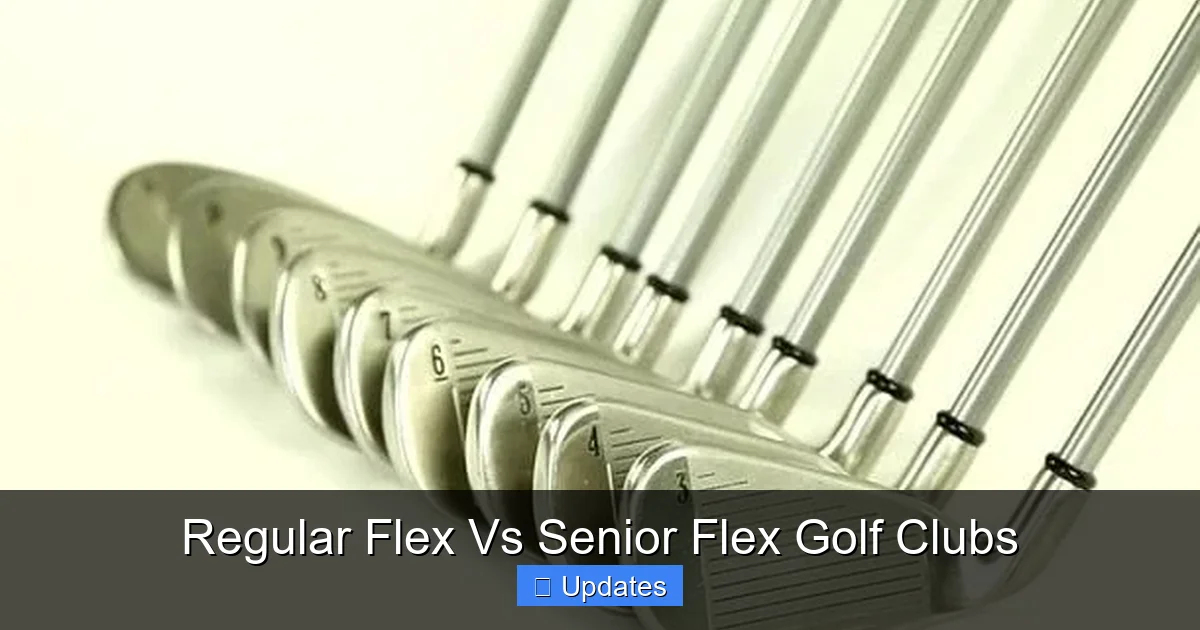
Regular flex shafts are best suited for golfers with moderate to fast swing speeds—typically between 85 and 95 miles per hour. These players have enough strength and flexibility to load the shaft fully during the downswing, allowing them to store and release energy efficiently. As a result, they can generate more power and achieve longer drives.
Visual guide about Regular Flex Vs Senior Flex Golf Clubs
Image source: skilledgolf.com
Men with average height and build, particularly those in their 30s to 50s, often find regular flex to be the sweet spot. It offers a blend of responsiveness and forgiveness without being too soft. However, younger players with slow swings or seniors with limited mobility should avoid regular flex unless they have unusually strong wrists and forearms.
Benefits of Regular Flex Clubs
One of the biggest advantages of regular flex is its ability to maximize distance for capable swingers. The shaft doesn’t bend excessively, so the clubhead stays on plane longer, promoting solid contact. This leads to straighter shots and better rollout after landing.
Another benefit is control. With a regular flex, you can fine-tune your swing tempo and attack angle more precisely. This is especially helpful for players working on their short game or trying to shape shots around obstacles. Additionally, regular flex clubs tend to be more durable and resistant to wear over time.
Drawbacks of Using Regular Flex
Despite its strengths, regular flex isn’t for everyone. If your swing speed is below 85 mph, you may struggle to compress the shaft properly. This results in thin shots, low trajectory, and reduced carry distance. You might also feel like the club is fighting you during the swing, leading to inconsistency.
Players with arthritis, joint pain, or limited wrist action may find regular flex uncomfortable. The stiffer feel increases vibration at impact, which can be painful over time. That’s why many opt for senior flex instead—even if they aren’t technically “seniors.”
Senior Flex Golf Clubs: Designed for Comfort and Control
Who Benefits Most from Senior Flex?
Senior flex golf clubs are engineered specifically for players with slower swing speeds, typically under 85 mph. This includes many men over 50, women of all ages, and anyone recovering from injury or surgery. The softer shaft allows for easier loading and unloading, reducing the physical demand of the swing.
Visual guide about Regular Flex Vs Senior Flex Golf Clubs
Image source: skilledgolf.com
These clubs are also great for beginners or high-handicap players who haven’t yet developed a consistent swing rhythm. Because senior flex promotes higher launch and more forgiving contact, it helps new golfers get the ball in the air more easily and reduce slice or hook tendencies.
Key Features of Senior Flex Shafts
Senior flex shafts are made with materials and designs that enhance flexibility without sacrificing durability. They often feature lighter weight and a softer tip section, which encourages early release and helps square the clubface at impact. Some models also include mid or high kick points to optimize ball flight.
Compared to regular flex, senior flex shafts have a lower flex rating on the PGA scale. This means they bend more easily, even with minimal force. As explained in senior shaft vs regular shaft, this difference is critical for matching equipment to swing dynamics.
Advantages of Senior Flex Clubs
The primary advantage of senior flex is comfort. By reducing the effort needed to swing the club, it lowers stress on the wrists, elbows, and shoulders. This makes it an excellent choice for aging golfers or those with physical limitations.
Senior flex also improves consistency. Because the shaft bends predictably, players experience fewer mishits and more repeatable ball striking. This builds confidence and accelerates improvement, especially for weekend warriors who play infrequently.
How to Choose Between Regular and Senior Flex
Step 1: Test Your Swing Speed
The most reliable way to choose between regular and senior flex is to measure your swing speed. You can do this at a local driving range with a launch monitor or through a professional club fitting session. Aim for an average of your full swing speed across several swings.
If your average is 85 mph or higher, regular flex is likely your best match. Below 75 mph, senior flex is almost always recommended. Between 75–85 mph? Consider senior flex for added comfort, or try both during a fitting.
Step 2: Consider Your Physical Condition
Age isn’t the only factor—your health matters too. If you have arthritis, back pain, or limited shoulder rotation, a softer shaft like senior flex can make a huge difference. Even if you’re young, poor flexibility or weak core muscles may benefit from the added forgiveness.
Conversely, if you’re in peak physical condition with no joint issues, regular flex gives you more feedback and control. It’s also worth noting that some players prefer the “feel” of regular flex regardless of swing speed—personal preference plays a role.
Step 3: Try Before You Buy
Never assume based on swing speed alone. Many stores offer demo days where you can test clubs on the range. Bring a friend or visit during off-peak hours to get honest feedback. Pay attention to how the club feels during your setup, takeaway, and follow-through.
Ask yourself: Does the club feel heavy or light? Is the ball flying high or low? Do I feel in control? These sensations reveal whether the flex matches your swing. Remember, comfort leads to better performance.
Practical Examples: Real Golfer Experiences
Case Study: Mike, Age 62
Mike had played golf for decades but started struggling with back pain after switching to regular flex clubs. His swing speed dropped from 90 mph to 78 mph due to discomfort. After testing senior flex, he regained distance and felt less strain. “It’s like the club does half the work,” he says. “I can play 18 holes without fatigue.”
Case Study: Sarah, Age 28
Sarah is a competitive junior golfer with a natural athletic background. Her swing speed averages 92 mph, so she uses stiff flex for maximum power. But during recovery from a wrist injury, she tried senior flex to ease the load. Surprisingly, her accuracy improved because the softer shaft helped her relax and maintain tempo.
Case Study: Tom, Age 45, High Handicap
Tom struggled with slicing until he switched to senior flex. His slow swing couldn’t close the clubface quickly enough with regular flex. The softer shaft allowed earlier release, straightening his shots. Within six months, his handicap dropped by four strokes.
Frequently Asked Questions About Regular vs Senior Flex
Can I use senior flex clubs if I’m young?
Yes! Young players with slow swings or physical limitations can absolutely benefit from senior flex. It’s not just for seniors—anyone who struggles with control or comfort may find it helpful.
Do senior flex clubs give more distance?
Not necessarily. While senior flex helps weaker swingers launch the ball higher and compress the face more easily, it doesn’t automatically add distance. Stronger players may lose yards with senior flex due to reduced energy transfer.
Are senior flex clubs only for men?
No. Women, juniors, and seniors of all genders use senior flex regularly. In fact, many female golfers prefer it because it matches their typical swing speeds and body mechanics.
Will senior flex make me hit the ball farther?
It can, but indirectly. By improving launch conditions and reducing mishits, senior flex helps weaker swingers maximize what they already have. It won’t magically increase power, but it makes efficient use of your swing.
Can I mix regular and senior flex in one set?
Technically yes, but it’s not ideal. Mixing flexes can create inconsistency between clubs. Most sets come pre-matched, so stick to one flex per club for best results.
How do I know if my current clubs have regular or senior flex?
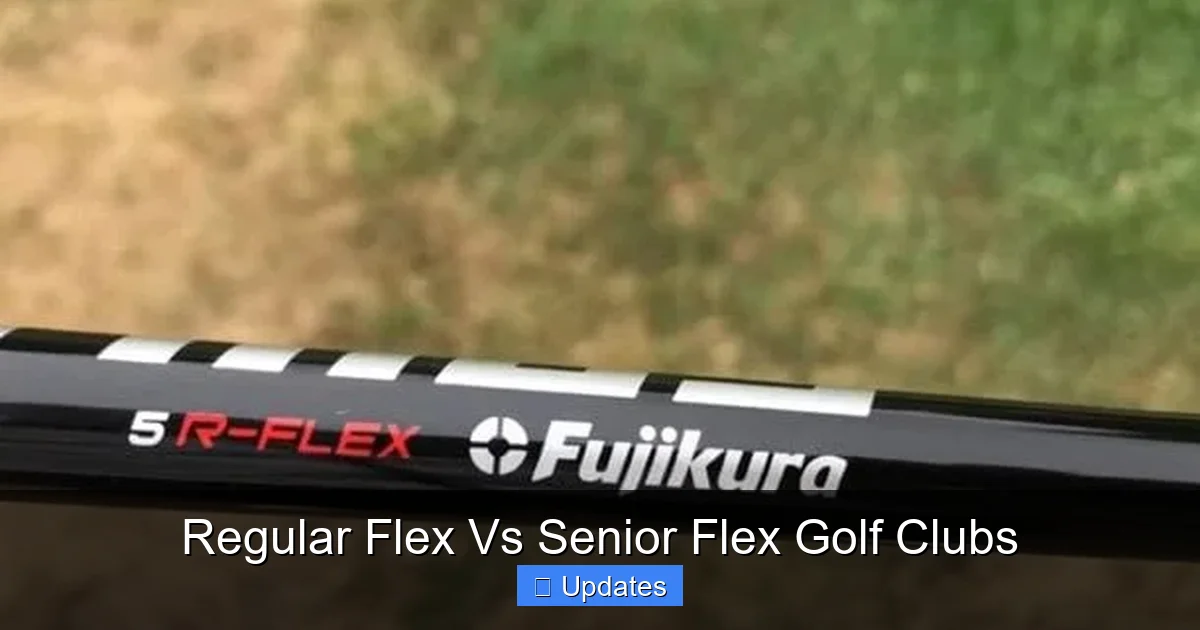
Check the label on the shaft near the grip. Manufacturers usually print “L” for ladies, “R” for regular, “S” for stiff, and “A” or “X” for senior. You can also consult a pro or use a swing analyzer.
Frequently Asked Questions
Can I use senior flex clubs if I’m young?
Yes! Young players with slow swings or physical limitations can absolutely benefit from senior flex. It’s not just for seniors—anyone who struggles with control or comfort may find it helpful.
Do senior flex clubs give more distance?
Not necessarily. While senior flex helps weaker swingers launch the ball higher and compress the face more easily, it doesn’t automatically add distance. Stronger players may lose yards with senior flex due to reduced energy transfer.
Are senior flex clubs only for men?
No. Women, juniors, and seniors of all genders use senior flex regularly. In fact, many female golfers prefer it because it matches their typical swing speeds and body mechanics.
Will senior flex make me hit the ball farther?
It can, but indirectly. By improving launch conditions and reducing mishits, senior flex helps weaker swingers maximize what they already have. It won’t magically increase power, but it makes efficient use of your swing.
Can I mix regular and senior flex in one set?
Technically yes, but it’s not ideal. Mixing flexes can create inconsistency between clubs. Most sets come pre-matched, so stick to one flex per club for best results.
How do I know if my current clubs have regular or senior flex?
Check the label on the shaft near the grip. Manufacturers usually print “L” for ladies, “R” for regular, “S” for stiff, and “A” or “X” for senior. You can also consult a pro or use a swing analyzer.