
Orthopedic Beds for Senior Cats


Kindle Paperwhite 16GB (2024)

Moen 18 Inch Shower Grab Bar

HOMLAND Shower Chair with Padded Armrests and Back
Orthopedic beds for senior cats are specially designed to support aging joints, reduce discomfort from arthritis, and promote restful sleep. These beds feature memory foam, supportive contours, and easy-to-clean materials that cater to your cat’s changing needs as they age.
As our feline friends enter their golden years, their bodies undergo natural changes—many begin showing signs of stiffness, reduced mobility, or chronic pain. Just like humans, cats can suffer from conditions such as arthritis, hip dysplasia, or general wear and tear on their joints. A quality orthopedic bed can make a world of difference in their comfort and quality of life. This guide walks you through everything you need to know about choosing, using, and caring for orthopedic beds for senior cats, so your pet can enjoy peaceful naps and better mobility.
If you’ve noticed your older cat hesitating before jumping onto the couch, limping slightly after a nap, or curling into unusual positions just to find comfort, these may be early signs that your furry companion is entering the senior stage. Cats typically become seniors around 7 years old, though this can vary by breed and genetics. As they age, their bodies naturally lose muscle mass, cartilage softens, and inflammation increases—especially in joints. One of the most impactful ways to support your senior cat’s comfort is by providing a proper place to rest: an orthopedic bed for senior cats.
These beds aren’t just fancy cushions—they’re medical-grade resting surfaces designed to mimic the support of a human orthopedic mattress. With features like contoured shapes, high-density foam, and breathable fabrics, they help distribute weight evenly and take pressure off aching hips, elbows, and spine. Whether your cat has been diagnosed with arthritis or simply seems stiff after long periods of sitting, the right bed can turn rest time into recovery time.
In this article, we’ll explore why orthopedic beds matter, what features to look for, how to choose the best one, and even share some real-world examples of how these beds have transformed the lives of aging felines. Plus, we’ll touch on complementary care strategies—like diet and exercise—that work hand-in-hand with better bedding.
Key Takeaways
- Joint Support: Orthopedic beds help alleviate pressure on sore joints, reducing pain from arthritis and improving mobility in older cats.
- Memory Foam Technology: High-density memory foam conforms to your cat’s body shape, offering targeted support and reducing stress on sensitive areas.
- Improved Sleep Quality: Senior cats sleep more deeply when supported properly, which aids in recovery and overall well-being.
- Easy Maintenance: Most orthopedic beds come with removable, machine-washable covers, making cleanup simple and hygienic.
- Customizable Comfort: Options range from flat mats to elevated frames, allowing you to match your cat’s preference and physical needs.
- Preventive Care: Investing in a good orthopedic bed now can prevent future mobility issues and extend your cat’s active life.
📑 Table of Contents
- Why Senior Cats Need Specialized Beds
- Top Features to Look for in Orthopedic Beds for Senior Cats
- Best Types of Orthopedic Beds for Senior Cats
- How to Introduce an Orthopedic Bed to Your Senior Cat
- Maintaining Your Senior Cat’s Orthopedic Bed
- Complementary Care for Senior Cats with Joint Issues
- Real-Life Success Stories: How Orthopedic Beds Changed Lives
- When to Consult Your Veterinarian
- Conclusion: Giving Your Senior Cat the Gift of Comfort
Why Senior Cats Need Specialized Beds
Just like us, senior cats experience wear and tear over time. Their joints produce less synovial fluid (the lubricating substance that keeps joints moving smoothly), their muscles weaken, and inflammation can build up—leading to conditions like osteoarthritis. According to the American Association of Feline Practitioners, up to 90% of cats over age 6 show some radiographic evidence of arthritis. While not every cat with arthritis shows obvious symptoms, many do: decreased activity, reluctance to climb stairs, or avoiding favorite sleeping spots.
An ordinary blanket or cardboard box just won’t cut it anymore. Your senior cat deserves a bed that actively supports their body instead of adding strain. An orthopedic bed provides:
– **Pressure Relief:** Memory foam adapts to your cat’s body, reducing pressure points that cause pain.
– **Spinal Alignment:** Contoured designs keep the spine in a neutral position, easing tension.
– **Thermal Regulation:** Some beds include cooling gel layers or breathable fabrics to prevent overheating during sleep.
– **Stress Reduction:** Soft, enclosed spaces offer a sense of security, which is especially important for anxious seniors.
Think of it this way: if you had lower back pain, wouldn’t you want a mattress that molds to your shape? The same principle applies to your cat.
Top Features to Look for in Orthopedic Beds for Senior Cats
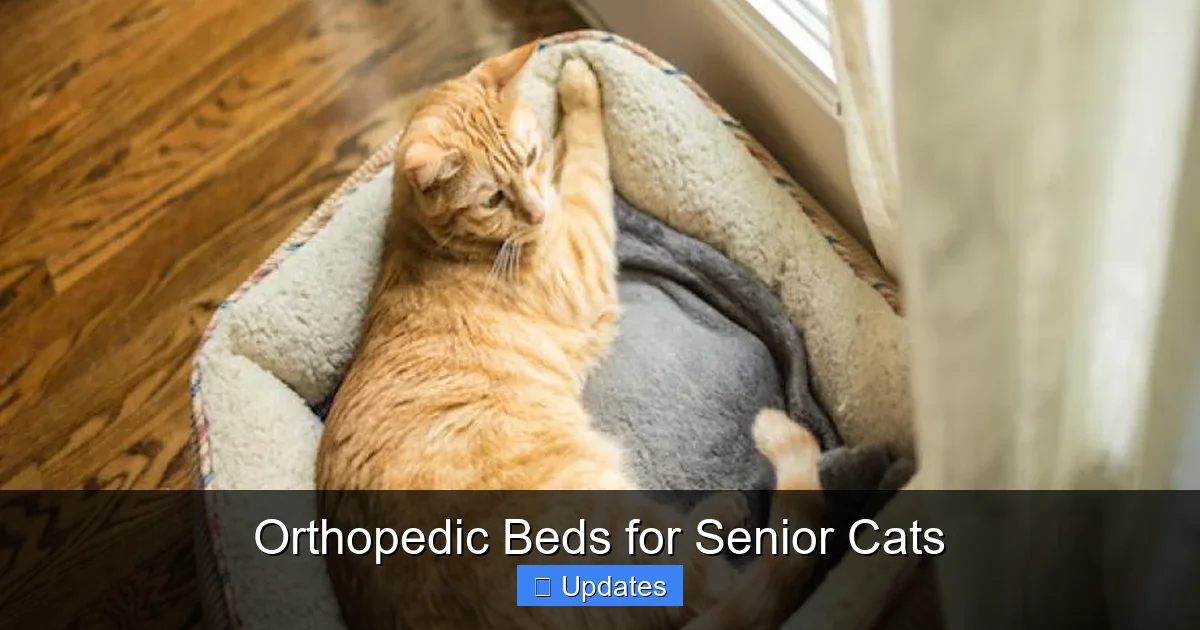
Visual guide about Orthopedic Beds for Senior Cats
Image source: image.petmd.com
Not all orthopedic beds are created equal. When shopping for your senior cat, focus on these key features:
High-Density Memory Foam
The core of any good orthopedic bed should be high-quality memory foam—ideally with a density of at least 4 pounds per cubic foot. Lower densities compress too easily and lose support over time. Look for CertiPUR-US® certified foams, which are free from harmful chemicals and odors.
Removable & Washable Covers
Senior cats may develop incontinence or simply shed more as they age. A zip-off cover that’s machine washable ensures hygiene without hassle. Opt for moisture-resistant fabrics like microfiber or bamboo blends.
Non-Slip Bottom
Cats often shift positions while sleeping. A rubberized or textured base prevents sliding, especially on hardwood floors.
Elevated or Raised Edges
Some senior cats benefit from raised sides that act like a hammock, gently supporting their belly and hips. Others prefer flat, low-profile beds for easy access.
Size Appropriateness
Measure your cat from nose to tail and add 6–8 inches for ample room. Oversized beds can feel unstable; undersized ones restrict movement.
Temperature Control
Older cats are more sensitive to heat and cold. Some beds include cooling gel inserts or use breathable mesh panels.
Best Types of Orthopedic Beds for Senior Cats
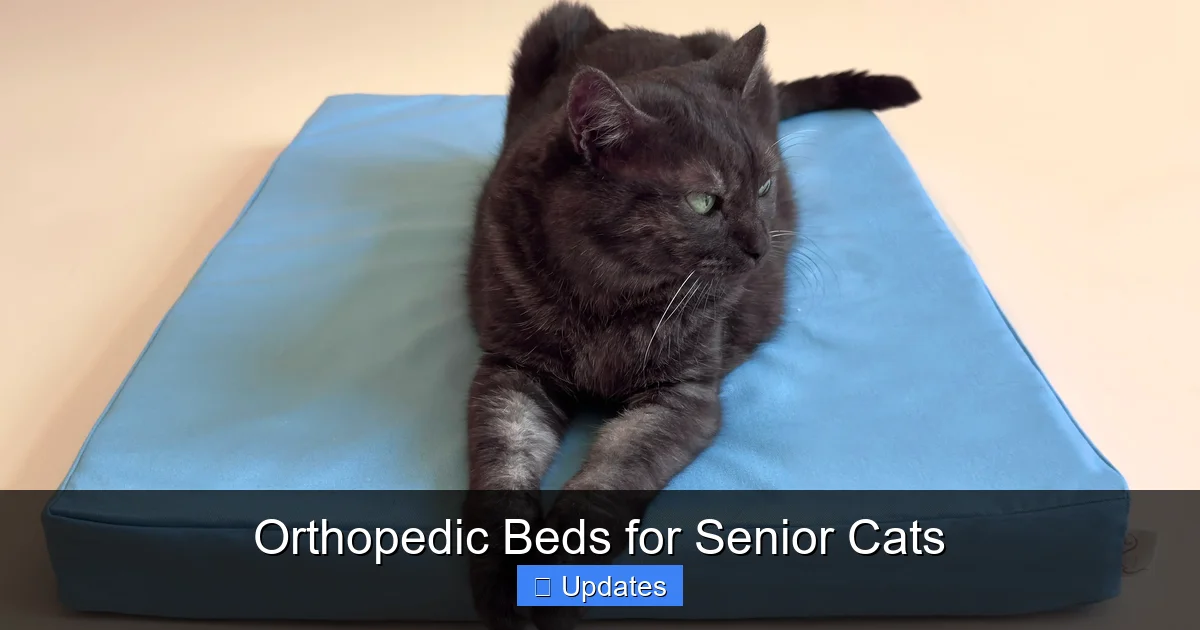
Visual guide about Orthopedic Beds for Senior Cats
Image source: catsessentials.com
There’s no one-size-fits-all solution. Depending on your cat’s habits and health, different styles might suit them best.
Flat Orthopedic Mats
These are the simplest form—flat rectangles or oval pads filled with memory foam. Ideal for cats who like to stretch out or curl tightly. Brands like FurHaven and Arf Puf offer excellent options with waterproof liners.
Donut or Bolster Beds
Circular beds with raised edges provide gentle support around the chest and belly. Great for cats who like to tuck in. The downside? They can trap heat and aren’t ideal for overweight seniors.
Hammock-Style Beds
Suspended between two posts or mounted on walls, these allow cats to rest comfortably while feeling secure. Perfect for cats with mobility issues who struggle to jump. See our related guide on best cat trees for senior cats for wall-mounted alternatives.
Cave or Dome Beds
Fully enclosed with a soft opening, these offer privacy and warmth. Best for anxious or cold-sensitive seniors. Just ensure there’s enough airflow.
Heated Orthopedic Beds
For cats with severe arthritis or those living in chilly climates, heated beds can provide soothing warmth. Always use a thermostat-controlled pad—never plug directly into the bed.
How to Introduce an Orthopedic Bed to Your Senior Cat
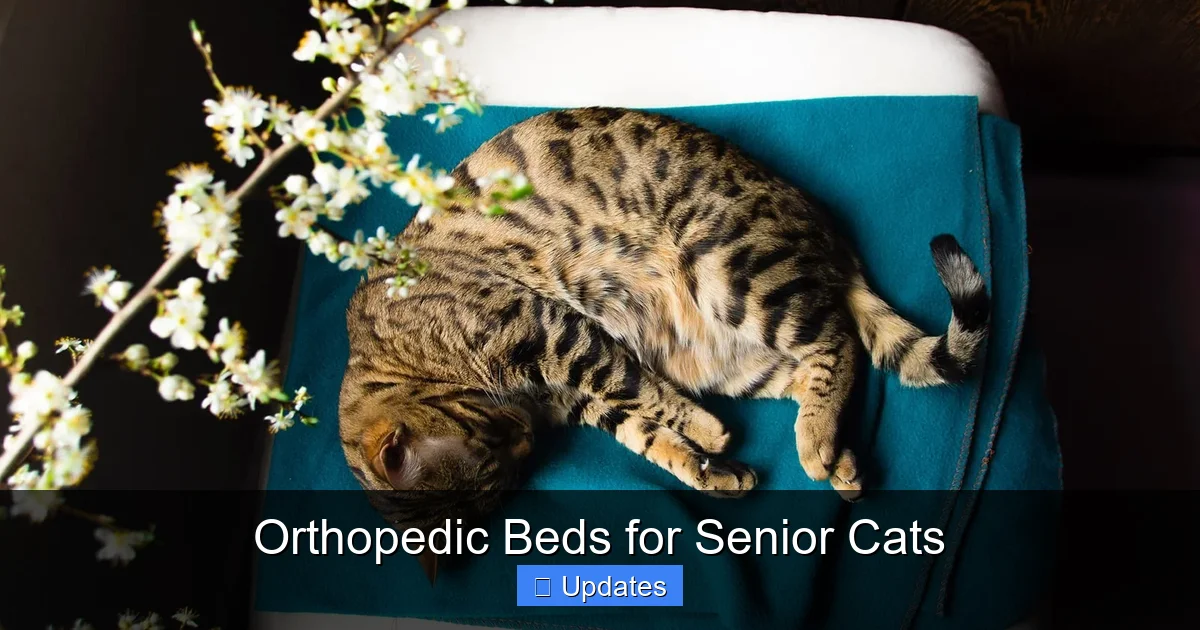
Visual guide about Orthopedic Beds for Senior Cats
Image source: senior-cats.com
Switching to a new bed doesn’t have to be stressful. Follow these steps for a smooth transition:
1. **Place it in the same spot** where your cat already likes to nap. Familiarity reduces resistance.
2. **Spray it lightly** with Feliway or place a worn T-shirt nearby so it smells like home.
3. **Encourage playtime** near the bed using treats or toys to build positive associations.
4. **Be patient.** Some cats take days, others weeks. Never force them onto it.
5. **Rotate bedding** occasionally to prevent boredom—just like rotating toys keeps them engaged.
If your cat refuses the bed entirely, try layering a soft towel or fleece over it temporarily. Gradually remove the covering as they grow accustomed to the surface beneath.
Maintaining Your Senior Cat’s Orthopedic Bed
A clean bed is a healthy bed. Here’s how to keep it in top condition:
– **Vacuum weekly** to remove loose hair and dander.
– **Wash covers monthly** (or more often if accidents happen).
– **Air out the foam insert** every few months to prevent odor buildup.
– **Inspect regularly** for tears, flattening, or loss of support. Replace if the foam loses its springiness.
Avoid placing the bed in direct sunlight or damp areas, as moisture can degrade foam over time.
Complementary Care for Senior Cats with Joint Issues
While a great bed makes a huge difference, it’s only part of the puzzle. Consider these lifestyle adjustments:
– **Dietary Support:** Omega-3 fatty acids, glucosamine, and chondroitin in food can reduce inflammation. Explore options like high-protein wet cat food for senior cats that also supports joint health.
– **Gentle Exercise:** Short, daily play sessions with wand toys encourage movement without overexertion.
– **Litter Box Accessibility:** Make sure the litter box is easy to enter and exit. Our guide on litter boxes for senior cats with arthritis offers practical solutions.
– **Weight Management:** Excess weight puts extra strain on joints. Consult your vet about portion control and calorie-dense foods if needed.
Remember, small changes add up. Combining a supportive bed with smart nutrition and gentle activity can significantly boost your cat’s comfort and lifespan.
Real-Life Success Stories: How Orthopedic Beds Changed Lives
Meet Whiskers, a 12-year-old tabby diagnosed with early-stage hip dysplasia. Before getting an orthopedic donut bed, he refused to lie down except in tight corners. After three weeks, his owner reported he was napping peacefully for hours—even stretching fully across the bed. His vet noted reduced limping during checkups.
Another story involves Mittens, a 14-year-old rescue who developed kidney disease and became lethargic. Her owners added a heated orthopedic mat to her favorite sunbeam. Within a month, she was grooming herself again and exploring the house more freely.
These stories aren’t rare. Many senior cat owners report seeing renewed energy, better appetite, and improved mood once their pets got comfortable support.
When to Consult Your Veterinarian
While orthopedic beds are safe and beneficial, they’re not a cure-all. If your senior cat shows sudden weight loss, refusal to eat, or extreme lethargy, consult your vet immediately. Pain from untreated conditions may mask other serious issues like dental problems or organ dysfunction.
Also, discuss any new bedding with your vet if your cat has skin sensitivities or allergies. Hypoallergenic fabrics like organic cotton or bamboo can be worth trying.
Conclusion: Giving Your Senior Cat the Gift of Comfort
Choosing an orthopedic bed for your senior cat isn’t just about buying a product—it’s about investing in their dignity, comfort, and joy. As they slow down physically, they still deserve moments of peace and relaxation. A well-designed bed can mean the difference between a stiff morning and a playful afternoon.
Take time to observe your cat’s preferences. Does she like enclosed spaces? Does he prefer to sprawl out? Match the bed to their personality and physical needs. And remember: comfort isn’t selfish—it’s essential.
With the right support, your senior cat can enjoy their twilight years with fewer aches, more zzz’s, and plenty of purrs. After all, every cat—no matter their age—deserves a cozy corner where they can rest easy.
Frequently Asked Questions
What age is considered senior for cats?
Most veterinarians consider cats 7 years and older to be seniors. However, smaller breeds may reach this stage earlier than larger ones due to faster aging processes.
Do orthopedic beds really help cats with arthritis?
Yes, studies show that memory foam beds reduce joint pressure and improve sleep quality in arthritic cats. Consistent use can lead to noticeable improvements in mobility and mood.
Can kittens use orthopedic beds?
Generally, no. Kittens have developing bones and flexible spines, so firm, flat surfaces are usually better. Only introduce orthopedic beds after consulting your vet, typically once the cat reaches adulthood.
How often should I replace my senior cat’s orthopedic bed?
Replace the bed every 2–3 years, or sooner if the foam becomes compressed, develops permanent dents, or loses its supportive shape. Regular inspection helps catch wear early.
Are heated orthopedic beds safe for all senior cats?
Heated beds are safe for most cats, but avoid them if your cat has diabetes, poor circulation, or cognitive decline. Always use thermostat-controlled pads and never leave unattended.
Should I buy a large or small orthopedic bed for my senior cat?
Choose based on your cat’s size and habit. Measure from nose to tail and add 6–8 inches. Larger beds offer more space but may feel unstable; smaller ones are snug and supportive for curled-up sleepers.