
Low Income Senior Housing in Rhode Island


RMS 32 Inch Reacher Grabber, 2 Pack

Philips Norelco 2400 Series Electric Shaver

5X Large Rechargeable Hands Free Magnifying Glass with Light
Finding low income senior housing in Rhode Island can provide peace of mind and dignity during your golden years. This guide walks you through available programs, eligibility requirements, and practical tips to secure affordable housing for seniors across the state—from Providence to Newport.
Key Takeaways
- Low income senior housing in Rhode Island includes public, nonprofit, and private subsidized options like Section 202 and LIHTC properties.
- Eligibility is based on income limits (typically 50-80% of area median), age (62+), and residency requirements.
- The Rhode Island Housing Authority manages most affordable senior housing programs and maintains waiting lists.
- Applications are submitted online or in person; some properties offer priority for disabled or very low-income residents.
- Resources like Senior Solutions and Area Agencies on Aging help seniors navigate applications and find supportive services.
- Alternative options include co-housing, congregate care, and assisted living with sliding-scale fees.
- Proactive planning—applying early and staying informed—can significantly improve chances of securing housing.
Finding safe, dignified, and affordable housing as a senior doesn’t have to feel overwhelming—even if your income is modest. In Rhode Island, a range of programs and properties are designed specifically for low income senior housing in Rhode Island residents who need support but want to maintain independence and community connection. Whether you’re looking near family in Providence, seeking a coastal retreat in Newport, or exploring options in smaller towns like Westerly or Woonsocket, this guide will walk you through everything you need to know.
Rhode Island has long recognized that aging shouldn’t mean financial stress. From federally funded developments to state-supported nonprofit communities, the Ocean State offers more than just shelter—it provides environments where seniors can thrive socially, physically, and emotionally. And while demand often exceeds supply, understanding the system, knowing your rights, and applying strategically can make all the difference.
In this comprehensive article, we’ll break down:
– The types of low income senior housing available in Rhode Island
– Who qualifies and how income limits are calculated
– How to apply and what documentation you’ll need
– Tips for navigating waiting lists and maximizing your chances
– Supportive services included in many senior housing communities
– Alternatives if traditional subsidized housing isn’t accessible
Let’s dive in so you can start building a stable future with confidence.
Key Takeaways
- Understanding low income senior housing in rhode island: Provides essential knowledge
📑 Table of Contents
- Types of Low Income Senior Housing in Rhode Island
- Who Qualifies for Low Income Senior Housing in Rhode Island?
- How to Apply for Low Income Senior Housing in Rhode Island
- Tips for Navigating Waiting Lists & Increasing Your Chances
- Supportive Services in Senior Housing Communities
- Alternatives to Traditional Subsidized Housing
- Conclusion: Start Planning Now
Types of Low Income Senior Housing in Rhode Island
Not all affordable senior housing looks the same. Rhode Island offers several models tailored to different needs, budgets, and lifestyles. Understanding these distinctions helps you choose the best path forward.
Publicly Funded Senior Housing
These properties receive federal or state funding to keep rents affordable. They’re typically managed by government agencies or nonprofit organizations under strict oversight. Examples include projects developed under HUD’s Section 202 Supportive Housing for the Elderly program, which provides rent subsidies and may include on-site services like meals or transportation.
Many of these communities feature one-bedroom apartments ideal for singles or couples, with kitchens, private bathrooms, and emergency call systems. Some even offer communal dining rooms, activity centers, and wellness programs. Because they serve vulnerable populations, they prioritize accessibility—think wide doorways, roll-in showers, and proximity to elevators.
Nonprofit & Faith-Based Communities
Organizations like the Episcopal Retirement Services (ERS) or Jewish Federations operate affordable senior housing across Rhode Island. These aren’t religiously exclusive—they welcome anyone regardless of background—but they often reflect values like compassion, service, and neighborliness.
Properties like ERS’s Village Court in East Greenwich or Park Place at Coventry Commons in Cranston offer studio and one-bedroom units with monthly rents capped based on income. Residents benefit from planned social events, fitness classes, and partnerships with local healthcare providers.
LIHTC Properties
The Low-Income Housing Tax Credit (LIHTC) program incentivizes private developers to build affordable housing by offering tax breaks. In return, they agree to keep rents low for 30+ years. Many Rhode Island senior housing complexes fall into this category.
While not always offering full-service amenities, LIHTC properties often include basic utilities, maintenance, and sometimes meal programs. They’re popular because they blend affordability with modern design and location convenience.
Congregate Care & Assisted Living Options
For seniors needing a bit more support but not full-time nursing care, congregate housing may be ideal. These communities provide private apartments plus shared meals, housekeeping, and assistance with daily activities like bathing or medication management.
Examples include Arbors at Olney Farm in Cumberland or Watermark at Conanicut in Jamestown. While slightly higher than basic subsidized housing, many accept rental vouchers or offer sliding-scale fees based on income.
Who Qualifies for Low Income Senior Housing in Rhode Island?
Visual guide about Low Income Senior Housing in Rhode Island
Image source: lowincomehousing.us
Eligibility rules vary by property, but most share core requirements. Knowing them ahead of time prevents wasted effort and keeps you focused on the right opportunities.
Age Requirement
Nearly all programs require applicants to be at least 62 years old. A few exceptions exist for younger individuals with disabilities, but those are rare and usually require additional documentation.
Income Limits
This is arguably the biggest factor. Rhode Island sets income thresholds as a percentage of the Area Median Income (AMI). For example:
– Very Low Income: ≤50% of AMI
– Low Income: 51–80% of AMI
As of 2024, 50% of AMI in Rhode Island for a single person is around $37,000 annually, while 80% is roughly $59,000. Couples see slightly higher limits due to combined income.
Each property publishes its own income cap, so check individual websites or contact leasing offices directly. Some prioritize households earning ≤30% AMI, especially if they include a disabled member.
Residency Requirements
You must be a Rhode Island resident—usually defined as living in the state for at least 6 months prior to application. Proof might include driver’s license, voter registration, or utility bills.
Background Checks & Asset Limits
Most properties conduct criminal background checks and review assets (like bank accounts or stocks). However, retirement savings, primary home equity, and personal belongings are generally exempt. The goal is to ensure stability, not punish past mistakes.
How to Apply for Low Income Senior Housing in Rhode Island
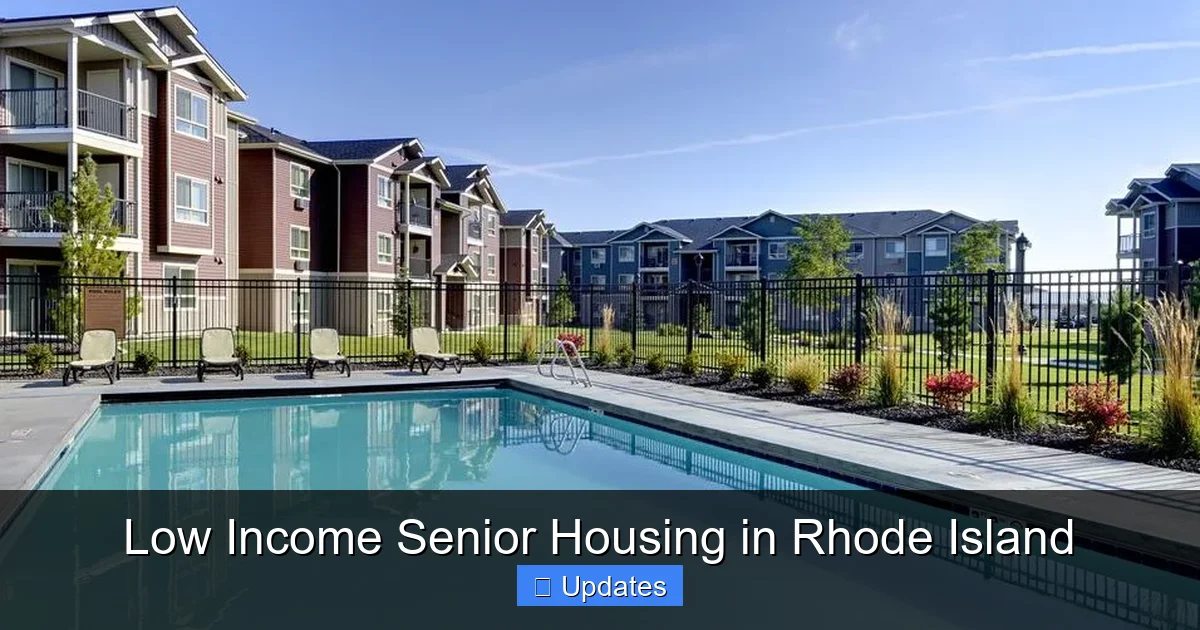
Visual guide about Low Income Senior Housing in Rhode Island
Image source: lowincomehousing.us
The application process can feel daunting, but it’s structured and transparent once you know the steps. Most applicants follow a similar path.
Gather Required Documents
Before applying, collect these essentials:
– Government-issued photo ID (driver’s license or passport)
– Social Security cards for all household members
– Proof of Rhode Island residency (utility bill, lease agreement)
– Recent pay stubs or retirement statements (last 3 months)
– Tax returns or benefits documentation (Social Security, SSI, pension)
– Medical records if applying for disability-priority status
Having everything ready speeds up approval and shows you’re serious.
Complete the Application
Most programs use centralized systems. For example, Rhode Island Housing manages waitlists for many developments via an online portal. You’ll create an account, fill out demographic and financial info, and upload documents.
Some nonprofits accept paper applications mailed or dropped off in person. Call ahead to confirm hours and whether appointments are needed.
Submit & Wait
Once submitted, your file enters a queue. Wait times vary wildly—from 6 months to 3+ years—depending on location, size, and demand. Urban areas like Providence tend to have longer waits than rural towns.
During this time, keep your contact info updated and check periodically if your status changes. Sometimes vacancies open unexpectedly.
Attend Interviews & Home Visits
If selected from the waitlist, expect a phone or in-person interview. Be honest about your needs (e.g., wheelchair access, pet policy). Then comes a brief home visit to verify occupancy details.
Tips for Navigating Waiting Lists & Increasing Your Chances
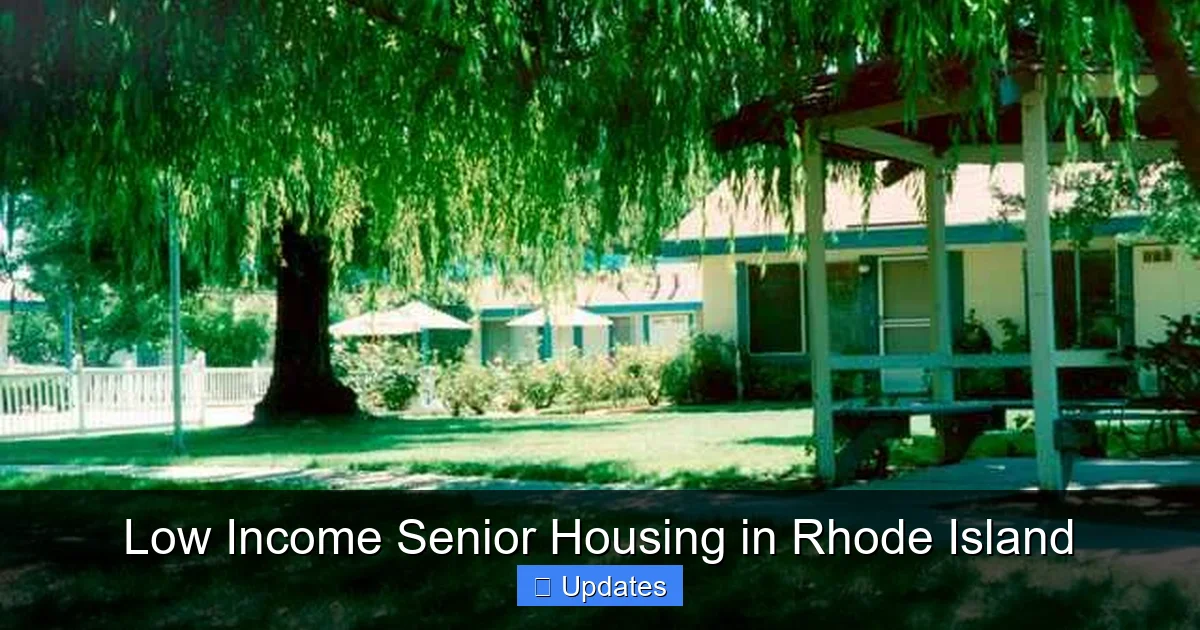
Visual guide about Low Income Senior Housing in Rhode Island
Image source: publichousing.com
Waiting lists are the reality of low income senior housing in Rhode Island—but there are ways to improve your odds.
Apply Early & Widely
Don’t put all your eggs in one basket. Submit applications to 3–5 different properties, even if they seem less appealing. Diversity increases your chances. Plus, some developments partner with others; being listed elsewhere could fast-track you.
Prioritize Accessibility Needs
If you use a wheelchair or have mobility challenges, specify this on every application. Many properties reserve units for disabled seniors or offer priority scheduling. Include medical letters from doctors if possible.
Stay Engaged
Check email regularly. Leasing offices send updates when your number moves up or a unit opens. Calling monthly to confirm your interest rarely hurts—and sometimes leads to immediate offers.
Consider Smaller Towns First
Providence, Newport, and Warwick attract the most applicants. Expanding your search to places like North Smithfield, Tiverton, or Burrillville often means shorter waits and more availability.
Use Local Resources
Agencies like Senior Solutions (formerly RI Elderly Housing Task Force) offer free application assistance. Their staff knows the ins-and-outs and can help you target the best matches.
Supportive Services in Senior Housing Communities
Affordable doesn’t mean bare-bones. Many low income senior housing communities in Rhode Island go beyond shelter to enhance quality of life.
Meals & Nutrition Programs
On-site cafeterias or meal delivery services combat isolation and ensure healthy eating. Some operate on a donation basis; others charge sliding-scale fees.
Transportation
Free or discounted shuttles connect residents to grocery stores, medical appointments, or cultural events. This is crucial for those without cars or licenses.
Health & Wellness Activities
Yoga, tai chi, bingo nights, and book clubs keep minds sharp and bodies active. Partnerships with visiting nurses or physical therapists add preventive care.
Social Connection
Regular gatherings—holiday parties, garden days, movie nights—build friendships and reduce loneliness. Loneliness affects health as much as smoking!
Housekeeping & Maintenance
Basic cleaning, trash removal, and minor repairs are often included. This lightens the burden of independent living.
Alternatives to Traditional Subsidized Housing
If you’re still struggling to find availability, consider these flexible options:
Co-Housing & Shared Living
Groups of seniors pool resources to rent larger homes and split costs. Platforms like Shared Living Network list Rhode Island matches. It’s less formal than assisted living but offers companionship and economy.
Continuing Care Retirement Communities (CCRCs)
Though pricier upfront, CCRCs guarantee lifetime residency with tiered care levels. Some offer initial discounts for low-income applicants or income-based pricing.
Rental Assistance Programs
HUD’s Section 8 Housing Choice Voucher program can subsidize rent in private apartments. Waitlists are long, but Rhode Island Housing accepts applications year-round. Combine this with senior housing vouchers for extra savings.
Home Modification Grants
If you prefer staying in your own home, programs like Home Modifications for Independent Living (HIM) fund grab bars, ramps, or bathroom upgrades. This keeps you safe and reduces future relocation pressure.
Conclusion: Start Planning Now
Securing low income senior housing in Rhode Island takes time, patience, and persistence—but it’s absolutely achievable. By understanding eligibility, applying early, leveraging local support, and considering alternatives, you position yourself for a comfortable, dignified future.
Remember: you’re not alone. Organizations like Senior Protalk and RI Housing Authority offer ongoing guidance. And if you’re exploring similar options elsewhere, our comparative guides can help you weigh regional differences.
Take the first step today—gather your documents, pick three properties to contact, and reach out. Your golden years deserve more than just survival; they deserve joy, safety, and belonging.
Frequently Asked Questions
What is the average wait time for low income senior housing in Rhode Island?
Wait times vary significantly by location and demand. Urban areas like Providence may have waits of 2–3 years, while smaller towns like Tiverton or Burrillville often offer openings within 6–12 months. Applying early and to multiple properties improves your chances.
Can I get priority if I’m disabled?
Yes. Many Rhode Island senior housing programs reserve units or offer priority scheduling for applicants with disabilities, especially if mobility or medical needs require accommodations. Provide medical documentation and specify your needs on each application.
Do I need to be a U.S. citizen to qualify?
Generally, yes. Most federally funded programs (like Section 202 or Section 8) require U.S. citizenship or eligible immigration status. However, some nonprofit properties may accept non-citizens—check individual policies.
Are pets allowed in low income senior housing?
It depends on the property. Some allow small dogs or cats with landlord approval and possibly an extra deposit. Others prohibit pets entirely due to liability concerns. Always ask before applying.
What if my income increases after I move in?
Rent is typically recalculated annually based on updated income. If your income rises above the threshold, you may be asked to pay a higher rent or relocate. However, many programs offer grace periods and work with residents to avoid sudden displacement.
Can I bring my adult child to live with me?
Most low income senior housing units are designed for one or two people. Adding another adult usually violates occupancy rules unless the property explicitly allows dependents (rare for seniors-only buildings). Exceptions exist for caregivers, but these require special approval.