
Clark County Senior Advocate Program


Handheld Shower Head

Orthopedic Pillow

Compression Socks
The Clark County Senior Advocate Program is a comprehensive initiative designed to support older adults in Clark County by connecting them with essential resources, healthcare access, housing assistance, and legal aid. Through personalized advocacy, the program helps seniors navigate complex systems and maintain their independence and dignity. Whether you’re seeking help with benefits, transportation, or social engagement, this program offers compassionate, professional guidance every step of the way.
If you’re a senior living in Clark County, you’re not alone—and you don’t have to face life’s challenges by yourself. The Clark County Senior Advocate Program is here to help. This dedicated initiative brings together trained advocates, community partners, and essential resources to ensure that older adults can age with dignity, independence, and peace of mind. Whether you’re dealing with medical appointments, housing concerns, or simply want someone to talk to, this program is your trusted ally.
Over the years, aging populations across the U.S. have increasingly relied on structured advocacy programs to bridge gaps in care and support. In Clark County, where diverse communities include rural, suburban, and urban residents, the need for culturally sensitive, accessible services has never been greater. That’s why the Clark County Senior Advocate Program stands out—not just for its reach, but for its deep commitment to empowering seniors through personalized, respectful, and practical assistance.
This article walks you through everything you need to know about the Clark County Senior Advocate Program: what it does, who it helps, how to get involved, and why it matters so much to the well-being of our older adults. You’ll also find tips for navigating the system, real-life examples of how the program makes a difference, and answers to common questions.
Key Takeaways
- Comprehensive Support: The Clark County Senior Advocate Program provides holistic assistance, including healthcare navigation, housing support, and financial counseling.
- Personalized Advocacy: Trained advocates work one-on-one with seniors to understand their unique needs and connect them with appropriate services.
- Access to Critical Resources: Seniors gain access to food programs, transportation, legal aid, and emergency assistance through the program.
- Community Engagement: The program promotes social inclusion by linking participants with senior centers, volunteer opportunities, and wellness activities.
- Free and Confidential Services: All services are offered at no cost, ensuring privacy and accessibility for low-income and vulnerable seniors.
- Ongoing Assistance: Advocates provide continuous follow-up to ensure long-term success and adapt support as needs change over time.
- Partnerships with Local Organizations: The program collaborates with nonprofits, government agencies, and healthcare providers to maximize impact.
📑 Table of Contents
- What Is the Clark County Senior Advocate Program?
- Core Services Offered by the Program
- How to Access the Clark County Senior Advocate Program
- Real Stories: How the Program Has Made a Difference
- Partnerships That Strengthen the Program
- Challenges and Future Directions
- Conclusion: A Lifeline for Seniors in Need
What Is the Clark County Senior Advocate Program?
At its core, the Clark County Senior Advocate Program is a nonprofit-driven effort designed to improve the quality of life for adults aged 60 and older. Funded through a mix of local grants, state allocations, and private donations, the program operates under the umbrella of the Clark County Department of Aging and Community Services. Its mission is simple: ensure that every senior in Clark County has access to the tools, information, and support they need to thrive.
Unlike generic senior centers or drop-in clinics, this program takes a proactive approach. Instead of waiting for seniors to come forward with problems, advocates actively outreach to underserved populations—such as those living in poverty, non-English speakers, or individuals with mobility challenges. These advocates are more than just service coordinators; they are trusted guides who help clients understand their rights, apply for benefits, and stay connected to their communities.
One of the most powerful aspects of the program is its emphasis on person-centered advocacy. This means each senior receives individualized attention. An advocate might sit down with a client who speaks limited English, explain Medicaid options in their native language, and even accompany them to an enrollment appointment. Or, they might help a widow apply for survivor benefits after her husband’s passing. The goal is always the same: dignity, clarity, and control.
How Does the Program Operate?
The Clark County Senior Advocate Program runs through a network of regional hubs located throughout the county. Each hub serves a specific geographic area, making it easier for seniors to access help without traveling far. Staffed by licensed social workers, case managers, and bilingual volunteers, these centers offer walk-in consultations, phone support, and home visits when necessary.
Clients begin by scheduling a free intake assessment. During this session, an advocate gathers basic information about health status, income level, living situation, and personal goals. Based on this, they create a customized action plan. For example, a senior struggling with high utility bills might be connected to the Low-Income Home Energy Assistance Program (LIHEAP). Another who feels isolated might be enrolled in weekly check-in calls or invited to a senior social club.
Importantly, all interactions are confidential and protected under federal privacy laws. No personal data is shared without consent, and advocates are trained in trauma-informed care—meaning they recognize signs of abuse, neglect, or financial exploitation and know exactly how to respond.
Who Benefits from the Program?
The program is open to any resident of Clark County aged 60 or older, regardless of citizenship status or income level. However, priority is given to those facing economic hardship, language barriers, or physical limitations. Here are some examples of people who benefit:
- A retired teacher on a fixed income who needs help understanding Medicare Part D options.
- A widower with mobility issues who requires transportation to dialysis appointments.
- A Spanish-speaking immigrant who wants to enroll in a nutrition program but doesn’t speak English fluently.
- A low-income senior experiencing housing instability and needs help applying for rental assistance.
- A caregiver struggling with burnout who seeks respite care and emotional support.
In short, if you’re a senior facing any challenge related to health, finances, safety, or social connection, this program can help.
Core Services Offered by the Program
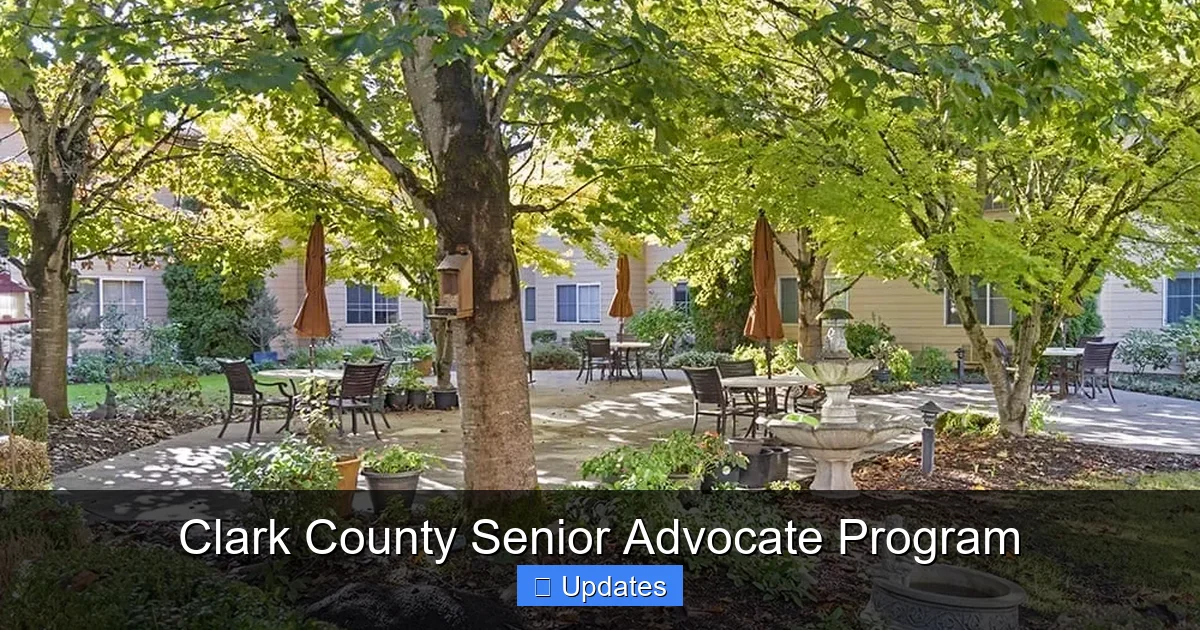
Visual guide about Clark County Senior Advocate Program
Image source: img1.wsimg.com
The Clark County Senior Advocate Program offers a wide range of services tailored to meet the evolving needs of older adults. These services fall into several key categories: health and wellness, housing and utilities, financial stability, legal assistance, and social engagement.
Health and Wellness Coordination
Good health is foundational to independence. Yet many seniors struggle with fragmented care, lack of insurance, or difficulty getting to appointments. The program addresses this through health navigation services.
Advocates help clients schedule doctor visits, understand medication instructions, and coordinate with specialists. They also assist with enrolling in programs like Medicare Savings Programs or Supplemental Security Income (SSI), which reduce out-of-pocket costs. Additionally, mental health resources—including counseling and support groups—are available on-site or via telehealth.
For instance, Maria, a 78-year-old widow, had been skipping her blood pressure medication because she couldn’t afford the co-pay. Her advocate helped her apply for a Medicare savings plan, reducing her monthly costs by $150. Within three months, her condition stabilized, and she reported feeling “like myself again.”
Housing and Utility Assistance
Housing insecurity can lead to serious health consequences. To combat this, the program connects seniors with emergency rental aid, weatherization programs, and subsidized housing options. Advocates also help clients appeal property tax assessments or apply for homestead exemptions—especially important in areas like Clark County where property values have risen sharply.
Utility assistance is another critical service. With energy costs rising, many seniors risk disconnection during winter months. The program partners with LIHEAP and other agencies to secure grants that cover heating bills or repair broken appliances.
Consider James, a 65-year-old veteran who lives alone in a drafty apartment. After his advocate arranged for insulation upgrades and a discounted utility rate, James said, “I finally feel safe in my own home.”
Financial Counseling and Benefit Enrollment
Navigating government benefits can be overwhelming—but it shouldn’t be. The Clark County Senior Advocate Program includes certified financial counselors who help seniors apply for Social Security, SNAP (food stamps), veterans’ benefits, and more.
These experts use plain language to explain eligibility rules, deadlines, and required documentation. They also conduct benefit checks annually to ensure clients aren’t missing out on money they’re entitled to. In one case, an advocate discovered that a client was eligible for $2,400 in back payments from SSI—money that changed the family’s ability to pay rent.
Legal Aid Referrals
Seniors often encounter legal issues—from landlord disputes to power-of-attorney problems. While the program doesn’t provide direct legal representation, it maintains relationships with pro bono attorneys and nonprofit legal clinics. Clients receive referrals and may qualify for free or low-cost services.
For example, a senior facing eviction due to unpaid rent might be matched with a lawyer who helps negotiate a payment plan. Another might receive help drafting a will or setting up guardianship for a grandchild.
Social Connection and Community Building
Isolation is a silent crisis among older adults. Recognizing this, the program organizes regular events—potlucks, movie nights, fitness classes, and educational workshops—at local senior centers. It also facilitates volunteer opportunities, such as mentoring younger seniors or helping at food pantries.
Transportation is often the biggest barrier to participation. Fortunately, the program coordinates rideshare vouchers, volunteer driver networks, and partnerships with public transit agencies to ensure no one misses out.
How to Access the Clark County Senior Advocate Program
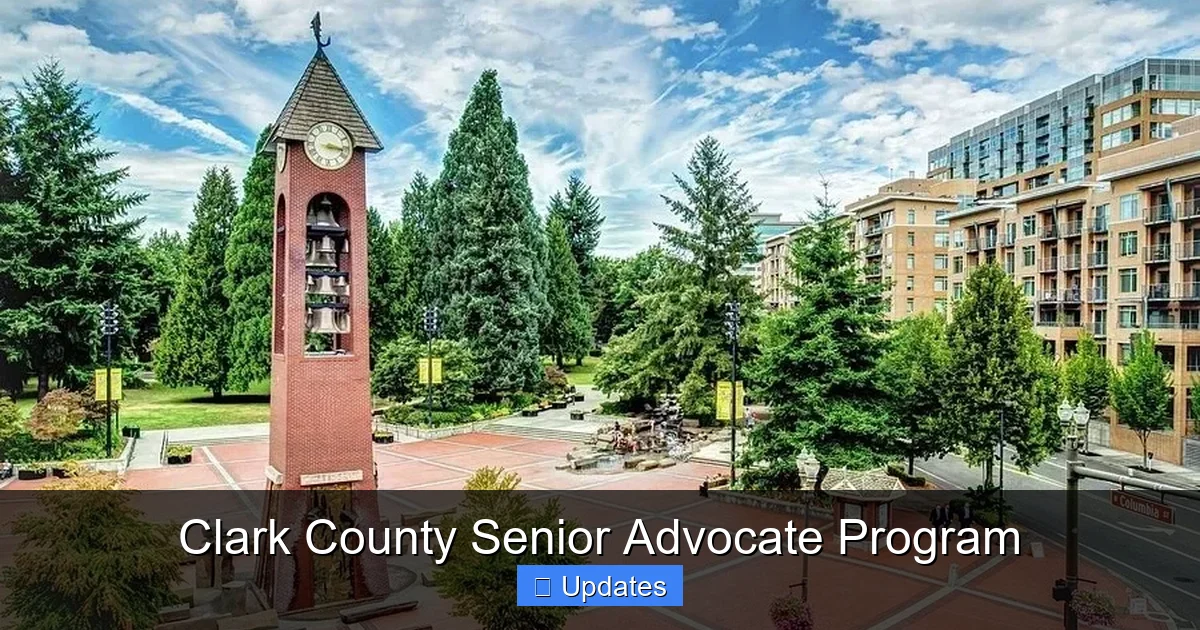
Visual guide about Clark County Senior Advocate Program
Image source: img1.wsimg.com
Getting started is easy. There’s no application form to fill out, and no minimum income requirement. Simply contact your nearest regional hub or call the main helpline at (555) 123-4567. A representative will ask a few basic questions and schedule an intake appointment.
During the first visit, you’ll meet with an advocate who will listen carefully to your concerns and develop a plan together. All services are free, and you’re never obligated to accept anything you’re uncomfortable with.
If you live outside the city or have mobility issues, home visits are available upon request. Bilingual staff serve clients who speak Spanish, Vietnamese, Mandarin, and other languages common in the county.
Tips for Making the Most of Your Experience
To get the best results, consider these tips:
- Bring identification and proof of residence—such as a driver’s license or utility bill—to speed up the intake process.
- List all current medications and doctors’ names so your advocate can help coordinate care.
- Ask questions! Advocates are there to explain things clearly—don’t hesitate to say “Can you repeat that?” or “What does that mean?”
- Update your advocate regularly as your needs change. Needs evolve, and so should your support plan.
- Invite a trusted friend or family member to your appointment if you feel more comfortable having support.
Remember, using this program isn’t a sign of weakness—it’s a smart, proactive step toward staying healthy and independent.
Real Stories: How the Program Has Made a Difference

Visual guide about Clark County Senior Advocate Program
Image source: s3-media0.fl.yelpcdn.com
Behind every statistic is a person. Let’s look at a few real-life examples from Clark County seniors who’ve benefited from the advocate program.
Lena’s Story: Lena, 72, immigrated from Mexico decades ago and never learned English. When her arthritis worsened, she stopped going to the clinic because she didn’t understand the forms. Her daughter heard about the advocate program and brought her in. Within weeks, Lena was enrolled in a Spanish-language arthritis support group, got help scheduling physical therapy, and even received free ride vouchers to her appointments. “Now I go every week,” she says. “I feel strong again.”
Robert’s Story: Robert, 68, lost his job during the pandemic and fell behind on mortgage payments. He felt ashamed and didn’t know where to turn. A neighbor suggested the senior advocate program. His advocate helped him apply for unemployment benefits, negotiate with his lender, and connect him with a faith-based food pantry. Today, Robert’s caught up on payments and attends a weekly woodworking class at the local senior center. “They gave me hope,” he says.
Elena’s Story: Elena, 81, lives alone and worries about falling. She avoided leaving her house until an advocate visited her home and assessed her safety risks. Recommendations included grab bars in the bathroom, better lighting, and a medical alert system. The advocate also signed her up for a balance-training class at the community center. “I haven’t fallen in six months,” Elena beams. “And I’m walking around the park now!”
These stories illustrate the transformative power of personalized advocacy. It’s not just about solving problems—it’s about restoring confidence and agency.
Partnerships That Strengthen the Program
No single organization can solve the complex challenges faced by seniors. That’s why the Clark County Senior Advocate Program thrives through strong partnerships.
It works closely with the Clark County Department of Health to streamline referrals to clinics and vaccination drives. Collaboration with United Way ensures consistent funding and volunteer support. Nonprofits like Meals on Wheels deliver nutritious meals to homebound seniors, while Legal Aid Society of Clark County provides pro bono legal services.
Additionally, the program participates in regional coalitions such as the Western Washington Commission on Aging, sharing best practices and advocating for policy changes that benefit all seniors.
These alliances allow the program to scale its impact—helping hundreds of seniors each year rather than just dozens.
Challenges and Future Directions
Despite its successes, the program faces challenges. Funding remains unstable due to reliance on grants, and demand often exceeds capacity. Rural areas within Clark County have fewer services, creating disparities in access.
Looking ahead, leaders aim to expand telehealth options, hire more multilingual staff, and launch a mobile advocacy unit that travels to remote neighborhoods. They’re also exploring technology solutions—like a user-friendly app—that could help seniors track benefits, schedule appointments, and connect with advocates remotely.
Another priority is addressing elder abuse. With trained staff screening for signs of financial exploitation or caregiver stress, the program plays a crucial role in early detection and intervention.
Ultimately, the vision is clear: every senior in Clark County should feel seen, supported, and safe.
Conclusion: A Lifeline for Seniors in Need
The Clark County Senior Advocate Program isn’t just another government initiative—it’s a lifeline. For older adults navigating life’s complexities, it offers clarity, compassion, and concrete solutions. Whether you need help with bills, medical care, or simply someone to listen, reaching out is the first step toward reclaiming your independence and joy.
Remember, asking for help isn’t a burden—it’s an act of courage. And with programs like this one, no senior has to go it alone. If you or a loved one is 60 or older in Clark County, take advantage of this free, confidential resource. Call today, visit your local hub, or start with a simple online inquiry. Your future self will thank you.
For more information on similar programs in neighboring counties, check out our guides on Lake County Illinois Senior Services or Senior Transportation Connection Cuyahoga County. These resources show how communities nationwide are innovating to support their aging populations.
And if you’re interested in advocacy training or volunteering, explore our article on Senior Program Manager Job Description to learn how professionals contribute to this vital field.
Frequently Asked Questions
Who is eligible for the Clark County Senior Advocate Program?
The program is open to all residents of Clark County aged 60 or older. Priority is given to those with limited income, language barriers, or physical disabilities. There’s no citizenship requirement.
Are the services provided by the program free?
Yes, all services are offered at no cost. The program is funded through grants, donations, and public allocations, so seniors never pay fees or co-pays for advocacy assistance.
How do I schedule an appointment with a senior advocate?
You can call the main helpline at (555) 123-4567, visit your nearest regional hub, or request a home visit online. No referral is needed—just contact them directly.
Can advocates help with mental health concerns?
Absolutely. Advocates provide emotional support, connect clients to counseling services, and facilitate access to support groups. They also screen for depression and anxiety and refer to specialists when needed.
Does the program offer transportation assistance?
Yes. The program provides ride vouchers, partners with volunteer drivers, and coordinates with public transit to ensure seniors can attend medical appointments, grocery stores, and social events.
What if I live in a rural part of Clark County?
Home visits and telehealth consultations are available for rural residents. Mobile advocacy units also travel periodically to underserved areas to increase access.
