
Senior Dog Keeps Shaking Head but Ears Are Clean


Medical Alert System

Orthopedic Sandals

Large Button TV Remote
A senior dog shaking its head with clean ears can signal serious health concerns. This behavior may stem from allergies, ear infections, neurological problems, or dental pain. Ignoring it could lead to worsening discomfort or permanent damage. Early diagnosis and treatment are key to keeping your aging pup comfortable and healthy.
If your senior dog keeps shaking its head—but you’ve checked and their ears look perfectly clean—you’re probably wondering what’s going on. It’s natural to assume that head shaking means an ear infection, especially since that’s one of the most common reasons for this behavior. But here’s the truth: a clean-looking ear doesn’t always mean everything is fine inside. In fact, many underlying health issues in older dogs can cause head shaking without obvious signs of infection or wax buildup.
As our dogs age, their bodies undergo subtle but significant changes. What might seem like a minor quirk could actually be a symptom of something more serious. Senior dogs are more prone to chronic conditions such as arthritis, cognitive decline, dental disease, and autoimmune disorders. So when your furry friend starts tilting their head or shaking it repeatedly—even after you’ve wiped away any visible dirt—it’s time to dig deeper.
In this article, we’ll explore why your senior dog might keep shaking their head despite clean ears. We’ll cover possible causes ranging from allergies and infections to neurological problems and dental pain. You’ll also find practical tips on how to respond at home and when it’s crucial to visit the veterinarian. By the end, you’ll understand what steps to take next and how to help your aging pup feel better.
—
Key Takeaways
- Ear infections may still develop even with clean-appearing ears – inflammation or fluid buildup can occur without visible debris.
- Allergies are a leading cause – environmental or food allergies often trigger head-shaking in older dogs.
- Dental disease is frequently overlooked – jaw pain from tooth decay or gum disease can mimic ear-related symptoms.
- Neurological conditions increase with age – vestibular disease or brain changes can cause balance and head-tilting issues.
- Pain referral from other areas – neck or shoulder arthritis may refer pain to the ear canal, causing shaking.
- Foreign objects or growths – small items lodged deep or tumors inside the ear can go unnoticed during home checks.
- Veterinary evaluation is essential – persistent head shaking requires professional diagnosis and treatment.
📑 Table of Contents
- Why Dogs Shake Their Heads
- Common Causes of Head Shaking in Senior Dogs
- When to Worry: Red Flags in Senior Dogs
- How Vets Diagnose the Cause
- Treatment Options Based on Diagnosis
- Home Care Tips to Ease Discomfort
- Prevention Strategies for Older Dogs
- Emotional Support for Both You and Your Dog
- Conclusion
Why Dogs Shake Their Heads
Dogs shake their heads for several reasons, just like humans might rub an itchy eye or scratch a sore back. Head shaking is essentially the body’s way of trying to relieve discomfort—whether physical or sensory. While it’s normal for dogs to shake occasionally after swimming or getting water in their ears, persistent or excessive head shaking in senior dogs should never be ignored.
The act of shaking helps dislodge irritants like water, dirt, or foreign objects stuck in the ear canal. It also stimulates the eustachian tube and promotes drainage if there’s mild inflammation. However, when done frequently or intensely over days or weeks, it signals that something isn’t right.
For senior dogs, this behavior becomes even more concerning because aging affects multiple systems simultaneously. Joint stiffness, hearing loss, reduced immune response, and slower healing all contribute to how quickly small problems can escalate. That’s why understanding the root cause behind your dog’s head shaking is critical.
—
Common Causes of Head Shaking in Senior Dogs
Even if your dog’s outer ear looks clean, there are numerous internal factors that could be driving this behavior. Let’s break down some of the most frequent culprits:
1. Ear Infections (Otitis Externa)
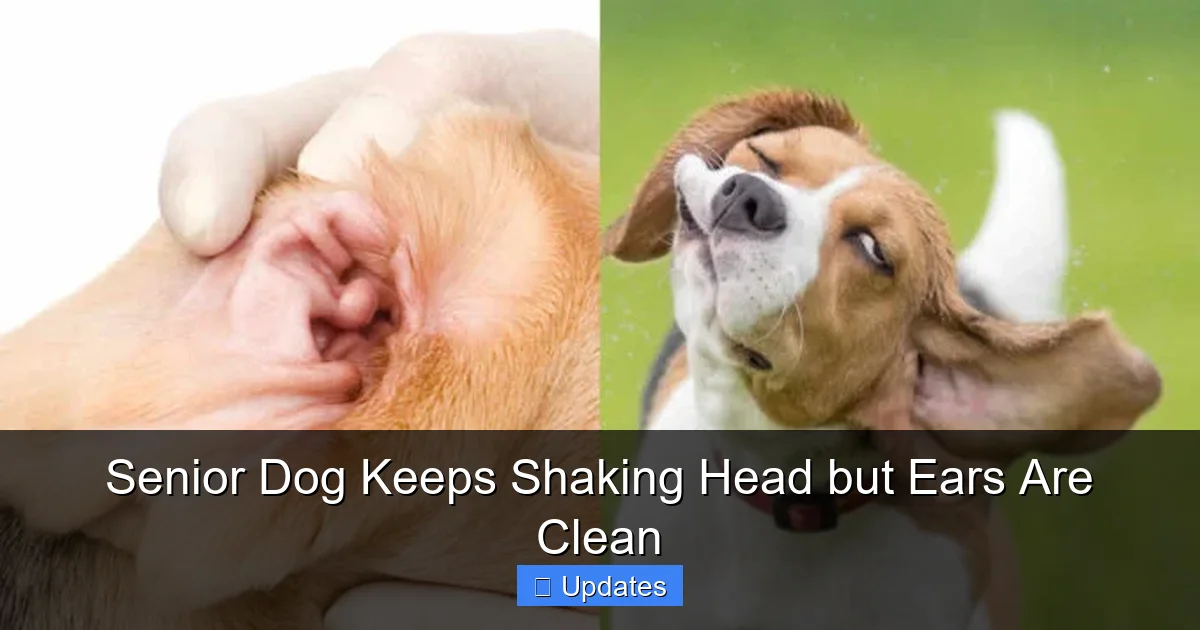
Despite clean-appearing ears, inner infections can still occur. Bacteria, yeast, or mites like Otodectes cynotis can thrive deep within the ear canal. These pathogens don’t always produce visible wax or odor until they’re advanced. In fact, chronic low-grade inflammation may cause irritation without outward signs.
Visual guide about Senior Dog Keeps Shaking Head but Ears Are Clean
Image source: seniortailwaggers.com
In senior dogs, weakened immunity makes them more susceptible to recurrent infections. Additionally, floppy-eared breeds or those with narrow ear canals are at higher risk. If your dog has been shaking their head for more than 24–48 hours, scheduling a vet exam is strongly advised.
2. Allergies
Environmental and food allergies are among the top triggers for head shaking in older dogs. Pollen, mold, dust mites, grass, or certain proteins in food can provoke an allergic reaction that manifests primarily in the ears.
Unlike bacterial infections, allergy-related head shaking often comes with other symptoms: sneezing, paw licking, skin rashes, or gastrointestinal upset. Seasonal patterns also give clues—if your dog shakes more during spring or fall, environmental allergens are likely involved.
Managing allergies usually involves identifying and minimizing exposure, plus possibly antihistamines or corticosteroids under veterinary supervision.
3. Dental Disease
This is a surprisingly common yet often missed cause. Severe dental issues—like periodontal disease, abscessed teeth, or fractured molars—can send pain signals up the trigeminal nerve, which connects the face and jaw to the brainstem. This phenomenon is called “referred pain.”
Your dog may not show obvious signs of dental trouble, but constant jaw clenching or reluctance to chew can lead to head tilting and shaking. Since senior dogs lose teeth naturally and have less saliva production, plaque builds up faster, increasing the risk.
A thorough dental exam by your vet includes X-rays to check below the gumline where most problems hide.
4. Neurological Conditions
As dogs age, neurological changes become more likely. Vestibular syndrome—affecting balance and spatial orientation—is especially prevalent in seniors. Symptoms include head tilt, circling, nystagmus (rapid eye movement), and stumbling.
This condition can result from inner ear inflammation, brainstem degeneration, or even stroke. Unlike ear infections, vestibular disease doesn’t typically cause fever or discharge unless secondary infection exists.
If your dog suddenly develops severe head tilt without prior warning, seek immediate veterinary care.
5. Foreign Bodies or Growths
Sometimes, tiny seeds, grass awns, or even insect parts lodge deep in the ear canal. These items are hard to detect without specialized tools. Similarly, benign polyps or malignant tumors can grow silently inside the ear.
Regular ear cleaning helps prevent blockages, but once a foreign object penetrates the tympanic membrane (eardrum), it becomes dangerous and requires urgent removal.
If you suspect something’s lodged, do NOT attempt extraction yourself. Use tweezers or cotton swabs only if you can clearly see the object—and even then, proceed with caution.
—
When to Worry: Red Flags in Senior Dogs
Not every episode of head shaking is an emergency. But certain behaviors demand prompt attention:
- Shaking lasts longer than 3–4 days – Persistent discomfort indicates an active problem needing intervention.
- Discharge, foul odor, or redness appears – Even if initial checks showed clean ears, new symptoms suggest progression.
- Your dog scratches or rubs their head against furniture – This shows intense pain or irritation beyond simple annoyance.
- Tilting worsens or becomes asymmetrical – Sudden imbalance raises concern for neurological events.
- Loss of appetite, lethargy, or vomiting accompanies shaking – Systemic illness may be affecting multiple organs.
On the flip side, occasional mild shaking after baths or walks usually isn’t serious. The key is recognizing patterns and context.
—
How Vets Diagnose the Cause
Bringing your senior dog to the clinic for evaluation is the safest approach. Veterinarians use several techniques to pinpoint the issue:
Physical Examination
The vet will inspect the external ear flap, canal, and eardrum using an otoscope. They look for swelling, redness, pus, hair loss, or structural abnormalities. Palpation of the skull and jaw helps assess for tenderness linked to dental issues.
Visual guide about Senior Dog Keeps Shaking Head but Ears Are Clean
Image source: img.thepets.net
Visual guide about Senior Dog Keeps Shaking Head but Ears Are Clean
Image source: uahpet.com
Ear Cytology
A swab taken from the ear canal is examined under a microscope. This reveals whether bacteria, yeast, or parasites are present—even if the ear looks clean externally. Cytology is faster and cheaper than cultures and often sufficient for diagnosis.
Imaging Studies
X-rays or CT scans may be needed if tumors, fractures, or neurological disorders are suspected. These tools visualize structures not accessible during routine exams.
Bloodwork and Allergy Testing
Since allergies and systemic diseases overlap in symptoms, blood panels rule out conditions like hypothyroidism or cancer. Intradermal skin testing or serum IgE tests help identify specific allergens.
—
Treatment Options Based on Diagnosis
Once the cause is identified, treatment plans vary widely:
For Ear Infections
Vets prescribe medicated ear drops containing antibiotics, antifungals, or anti-inflammatory agents. Oral medications may be added if infection spreads. Follow-up visits ensure resolution—failure to complete full courses risks recurrence.
For Allergies
Management includes:
- Hypoallergenic diets (consider reviewing Good Wet Dog Food For Senior Dogs)
- Frequent bathing with soothing shampoos
- Muzzle training to reduce licking/chewing
- Immunotherapy shots for long-term relief
For Dental Pain
Tooth extractions, root canals, or antibiotics for abscesses provide relief. Regular dental cleanings every 6–12 months prevent future issues. Soft food diets ease chewing strain post-procedure.
For Neurological Issues
Steroids reduce swelling in acute vestibular cases. Supportive care includes hand-feeding, anti-nausea meds, and environmental modifications (e.g., removing stairs). Most dogs recover gradually over weeks.
—
Home Care Tips to Ease Discomfort
While waiting for a vet appointment, you can take gentle steps to comfort your dog:
- Keep ears dry: After baths, gently towel-dry or use a blow dryer on cool setting held at least 12 inches away.
- Avoid cotton swabs: Inserting Q-tips pushes debris deeper and risks eardrum perforation.
- Use prescribed cleansers: Only apply solutions recommended by your vet—homemade remedies like hydrogen peroxide can harm tissue.
- Monitor eating habits: Painful ears or jaws may reduce appetite; try warming wet food slightly to stimulate interest.
- Provide soft bedding: Elevated beds reduce pressure on sensitive joints and ears.
Avoid giving human medications like ibuprofen or aspirin—they’re toxic to dogs. Always consult your vet before introducing supplements or alternative therapies.
—
Prevention Strategies for Older Dogs
Proactive care reduces the likelihood of recurring head-shaking episodes:
- Monthly ear inspections: Check weekly for redness, odor, or swelling, even if no shaking occurs.
- Gentle weekly cleanings: Use vet-approved wipes or diluted apple cider vinegar (1:1 with water) for routine maintenance.
- Dental hygiene routines: Brush teeth daily or offer dental chews designed for seniors (see Dog Grooming For Senior Dogs).
- Balanced nutrition: Choose senior-formulated foods rich in omega-3s to support skin and joint health (explore options like Blue Buffalo Grain Free Senior Dog Food).
- Weight management: Excess weight strains joints and ears; monitor portion sizes and activity levels.
Regular wellness exams every 6 months allow early detection of hidden issues. Discuss preventive treatments like flea/tick prevention and heartworm prophylaxis during these visits.
—
Emotional Support for Both You and Your Dog
Watching your senior dog struggle is heartbreaking. You want to fix it fast, but sometimes answers take time. Stay patient and compassionate. Gentle petting, quiet voices, and familiar routines provide emotional stability during recovery.
Consider joining online communities like Forever Dream Senior Dog Sanctuary, where owners share experiences and advice. Professional counselors specializing in pet loss can also help process anxiety around aging pets.
Remember: seeking help isn’t surrender—it’s love in action. Taking charge of your dog’s care gives them dignity and comfort in their golden years.
—
Conclusion
When your senior dog keeps shaking their head but ears appear clean, trust your instincts—and don’t delay veterinary care. Hidden infections, allergies, dental pain, or neurological changes could be at play. With timely diagnosis and appropriate treatment, most causes are manageable, improving your dog’s quality of life significantly.
Stay observant, document symptoms, and maintain open communication with your vet. Prevention through regular grooming, balanced nutrition, and routine checkups goes a long way. And always celebrate small victories: a day without shaking, a relaxed nap, or a wagging tail says more than words ever could.
You’re not alone in this journey. Together, we can ensure our aging companions live comfortably, happily, and with unwavering love.
—
Frequently Asked Questions
Can my senior dog have an ear infection even with clean ears?
Yes, inner ear infections can develop without visible wax or odor. Inflammation or fluid buildup behind the eardrum often causes head shaking. A vet exam with cytology is needed for accurate diagnosis.
Is head shaking always a sign of pain in senior dogs?
Not always, but persistent shaking usually indicates discomfort. Neurological conditions like vestibular disease can cause shaking without pain. Still, it’s best to consult a vet to rule out serious issues.
How do I know if my dog’s head shaking is due to allergies?
Allergy-related shaking often occurs alongside sneezing, paw licking, or skin redness. It may follow seasonal changes or exposure to irritants. Blood tests or intradermal testing can confirm allergens.
Can dental problems cause head shaking?
Absolutely. Severe tooth decay or gum disease sends pain signals to the trigeminal nerve, causing referred pain that feels like an earache. Dental X-rays reveal hidden issues not seen during visual exams.
What should I do if my dog suddenly develops severe head tilt?
Seek immediate veterinary care. Sudden head tilt could signal stroke, brain tumor, or acute vestibular disease. Early treatment improves outcomes and reduces complications.
Are there safe home remedies for temporary relief?
Avoid cotton swabs, hydrogen peroxide, or essential oils—they can damage ears. Instead, keep ears dry and use vet-recommended cleansers. Never administer human meds without professional guidance.