
Dog Grooming for Senior Dogs


Weighted Blanket

Bed Rail for Seniors

Button Hook Dressing Aid
Grooming a senior dog is more than just looking good—it’s about maintaining health, preventing discomfort, and improving quality of life. As dogs age, their grooming needs change due to slower metabolism, arthritis, and reduced mobility. This guide walks you through safe, effective techniques tailored specifically for older pups, including nail care, bathing, coat maintenance, and dental hygiene. You’ll also learn how to spot signs that your dog may be in pain during grooming and when to seek professional help. With patience and the right tools, you can keep your aging companion happy, clean, and confident.
When your dog enters their golden years, daily life changes—and so do their grooming needs. Senior dogs often move slower, have less tolerance for long baths, and may suffer from joint stiffness or skin sensitivities. That’s why understanding dog grooming for senior dogs isn’t just about aesthetics; it’s a vital part of maintaining comfort, preventing infections, and catching health issues early. Think of grooming as both self-care and veterinary prevention rolled into one routine.
Just like humans, older dogs deserve gentle attention and adapted care. A well-groomed senior dog is not only more comfortable but also easier to monitor for lumps, rashes, or changes in behavior. Whether you’re brushing out matted fur, trimming overgrown nails, or cleaning ears, each step plays a role in keeping your best friend vibrant and pain-free. Let’s dive into how to make grooming a positive experience at any age.
Key Takeaways
- Senior dogs need gentler grooming: Their skin becomes thinner and more sensitive, requiring softer products and slower handling.
- Mobility issues affect grooming routines: Use non-slip mats, raised feeders, and supportive brushes to reduce strain on joints.
- Nail trimming should be done regularly: Overgrown nails can cause pain and gait problems; trim every 3–4 weeks.
- Bathing frequency depends on lifestyle: Less active seniors may only need baths every 6–8 weeks to avoid dry skin.
- Dental care is part of grooming: Brush teeth weekly or use vet-approved chews to prevent gum disease and tooth loss.
- Watch for signs of discomfort: Whining, flinching, or avoiding grooming sessions may indicate pain or anxiety.
- Professional groomers can help: Look for those experienced with geriatric pets or offer mobile services for home visits.
📑 Table of Contents
- Why Grooming Changes With Age
- Preparing Your Home for Senior Dog Grooming
- Nail Care Essentials for Aging Dogs
- Bathing Senior Dogs Safely
- Brushing and Coat Maintenance
- Dental Hygiene Beyond Brushing
- Ear and Eye Cleaning Basics
- Recognizing Pain During Grooming
- Choosing the Right Tools and Products
- When to Call a Professional Groomer
- Conclusion: Grooming as Love in Action
Why Grooming Changes With Age
As dogs grow older, several physical and behavioral shifts occur that directly impact how they tolerate—or even enjoy—grooming. One of the most noticeable changes is reduced mobility. Arthritis, common in aging canines, makes bending, stretching, and staying still uncomfortable. This means traditional grooming setups like elevated tables or long brushing sessions may no longer work.
Skin also undergoes transformation. The dermal layer thins, reducing natural oil production and making coats duller while increasing dryness and risk of irritation. Older dogs may scratch more due to dry skin or develop hot spots from excessive licking. Additionally, their sense of touch diminishes slightly, making sudden movements or rough handling startling.
Hearing and vision decline too, which affects how they respond to commands or environmental stimuli during grooming. A loud blow dryer might startle an older pup who once slept through it. These factors mean that patience, preparation, and product selection are key when adapting your routine.
Preparing Your Home for Senior Dog Grooming
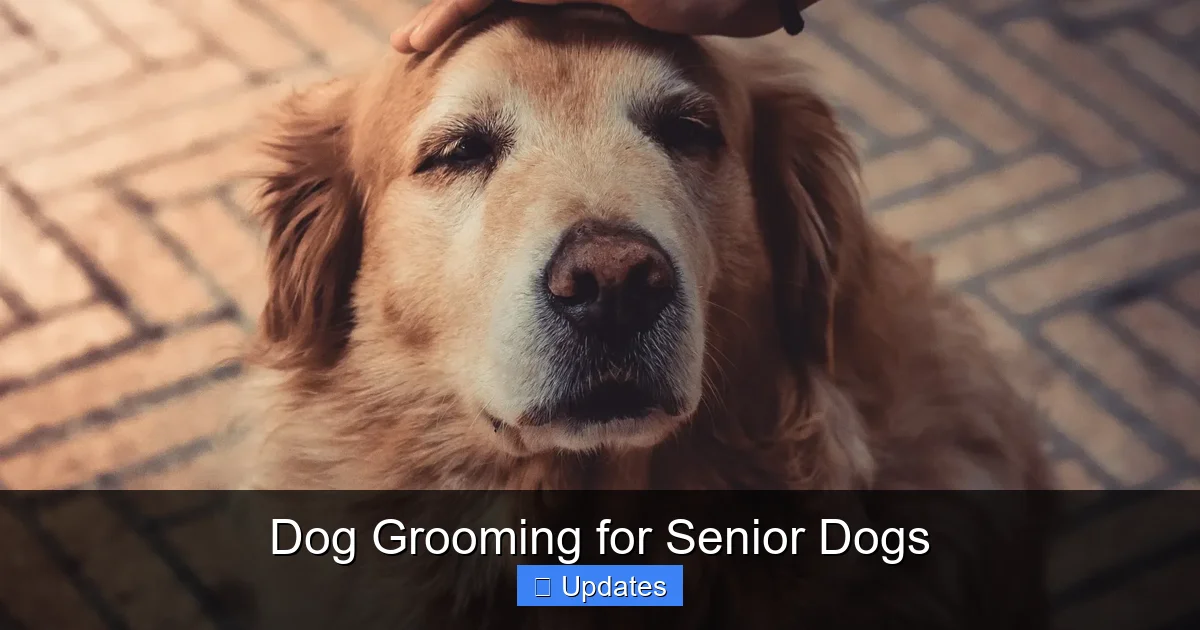
Visual guide about Dog Grooming for Senior Dogs
Image source: lirp.cdn-website.com
Creating a calm, safe space sets the stage for successful grooming sessions. Start by choosing a quiet room with minimal distractions—away from high-traffic areas where toys or other pets might interrupt. Soft lighting and a cozy blanket can help your dog feel secure.
Use non-slip mats under bowls and grooming stations to prevent slipping, especially important if your dog has weak legs. Raised feeding stations reduce neck strain during meals, and similarly, a low grooming table or sturdy chair works better than a tall stand. Consider placing a heating pad (on low) underneath the mat if your dog has cold-sensitive joints.
Stock up on senior-friendly supplies: fragrance-free shampoos, moisturizing conditioners, soft-bristle brushes, and rounded-tip clippers. Avoid cotton balls—they can be swallowed—and opt for washcloths instead. Having everything within reach prevents awkward stretching or reaching that could trigger discomfort.
Setting Up a Comfortable Grooming Station
Your grooming station should prioritize ease and safety. Lay down a thick towel or rubber mat on the floor or table surface. Position a small step stool nearby so your dog can get on and off independently if possible. Keep towels handy to dry them quickly after washing, reducing time spent shivering.
For dogs with severe arthritis, consider doing all grooming in one session to minimize repeated stress. Plan nail trims before baths since wet nails are harder to cut accurately. Always end on a positive note—offer treats, praise, or playtime to build trust.
Nail Care Essentials for Aging Dogs
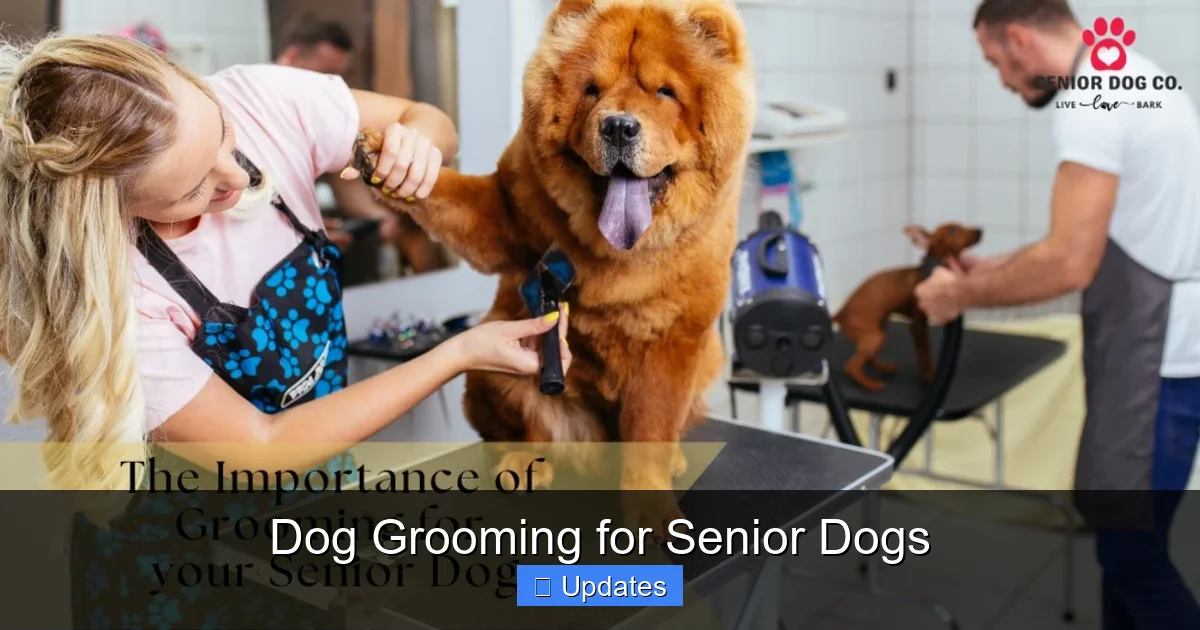
Visual guide about Dog Grooming for Senior Dogs
Image source: kajabi-storefronts-production.kajabi-cdn.com
Overgrown nails are more than unsightly—they’re painful. As dogs age, they often walk differently to avoid pressure on sore joints, causing nails to grow unevenly and curl inward. Regular nail trims prevent this and reduce risk of breakage or splintering.
The ideal nail length is just past the quick—the pink inner part containing blood vessels and nerves. But many older dogs have darkened nails where the quick is hard to see. In these cases, clip small amounts frequently rather than trying to remove large sections at once. If unsure, ask your vet or groomer to demonstrate.
Use guillotine-style clippers for precision, or scissor-type ones for control. Never use human nail clippers—they don’t provide enough leverage. Trim only the white tip; if you hit the dark area, stop immediately and apply styptic powder to stem bleeding. Most importantly, go slowly and reward your dog with verbal encouragement or a favorite chew.
How Often Should You Trim Nails?
Frequency depends on activity level and breed. Active dogs wear nails naturally; less mobile seniors may need trims every 3–4 weeks. Watch for signs like clicking sounds when walking, reluctance to climb stairs, or dragging feet. These indicate nails are getting too long.
If your dog hates nail trims, try acclimating them gradually. Start by touching paws gently, then offering treats. Next, lift a foot and simulate clipping without cutting. Over time, they’ll associate the motion with rewards. Consistency beats perfection—even five minutes of practice builds familiarity.
Bathing Senior Dogs Safely
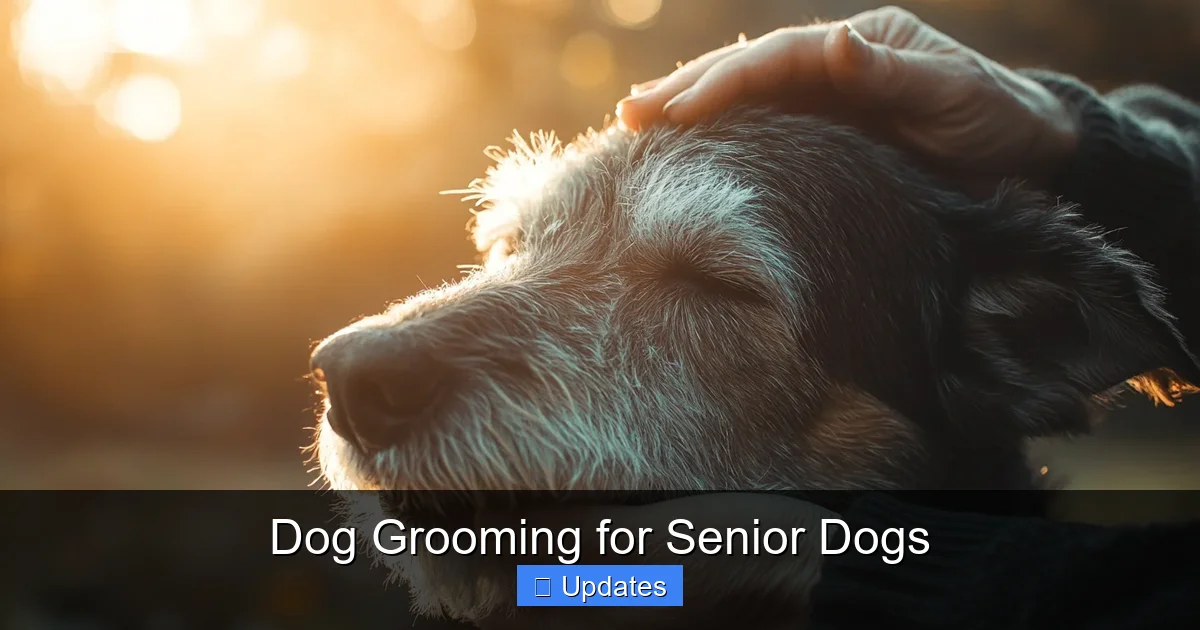
Visual guide about Dog Grooming for Senior Dogs
Image source: assortedanimals.com
Bathing too often strips natural oils, leaving skin vulnerable. However, some senior dogs—especially those with medical conditions like diabetes or skin allergies—may require more frequent washes. Consult your vet to determine the right balance.
When it’s time for a bath, choose a mild, hypoallergenic shampoo designed for sensitive skin. Lukewarm water is essential—hot water dries skin further, while cold shocks older systems. Use a handheld showerhead or spray bottle to control flow and avoid spraying directly into ears or eyes.
Support your dog’s body fully during the bath. For wobbly pups, sit on the floor with them cradled against your chest. Never force them underwater—let them get accustomed to splashing first. Massaging gently helps distribute shampoo evenly and promotes circulation without tiring them out.
After rinsing thoroughly, wrap your dog in a warm towel and dry in a draft-free area. Blow dryers should be used cautiously—only on low heat and held at least 12 inches away. Some dogs prefer air drying; others enjoy gentle warmth. Either way, keep sessions short to prevent stress.
Tips for Bathing Dogs With Mobility Issues
For dogs who can’t stand in a tub, consider using a waterproof bed or portable sink. These allow full-body immersion without lifting. Alternatively, spot-clean dirty areas between baths to extend time between full washes. Wet wipes made for pets can refresh paws, belly, and facial folds safely.
Always dry behind ears, under armpits, and between toes thoroughly—moisture trapped there invites yeast infections. And remember: if your dog resists repeatedly, consult a professional groomer experienced with geriatric pets. They often offer mobile services that come to your home.
Brushing and Coat Maintenance
Regular brushing does double duty: removing loose fur, distributing natural oils, and checking for skin abnormalities. Long-haired breeds like Maltese or Afghan Hounds are prone to mats, which become painful when they pull on underlying skin. Daily brushing prevents this, but for seniors, even every-other-day sessions count.
Start with a slicker brush to loosen tangles, then follow with a wide-toothed comb. Work from head to tail, focusing on trouble zones like behind ears, under legs, and around collar areas. If you encounter a knot, don’t yank—cut it out carefully with blunt-tipped scissors or seek help from a groomer.
Short-haired breeds benefit from weekly brushing to stimulate circulation and remove dead hair. Use a rubber curry brush for light exfoliation and muscle massage. For dogs with thinning coats, consider adding omega-3 supplements to their diet—consult your vet before starting any new regimen.
Dealing With Mats and Tangles
Mats near the skin are dangerous—they restrict blood flow and trap moisture, leading to infections. Never attempt to cut them yourself unless trained; improper snipping can nick skin. Instead, schedule regular appointments with a groomer skilled in de-matting. They use specialized tools and techniques to minimize discomfort.
In the meantime, gently separate loose hairs around mats to slow progression. Apply a detangling spray or leave-in conditioner recommended for sensitive skin. If your dog tolerates it, lightly comb outward from the mat edge toward the body.
Dental Hygiene Beyond Brushing
Many people overlook dental care as part of grooming, but healthy gums equal a healthier heart and liver. Plaque buildup leads to tartar, gingivitis, and tooth loss—all painful and costly to treat. While brushing remains ideal, not all senior dogs cooperate.
If brushing fails, explore alternatives: dental chews, water additives, or prescription diets formulated to reduce plaque. Products like Oravet or Greenies Senior are designed for smaller jaws and softer textures. Always check ingredient lists—avoid treats with excessive fillers or artificial flavors.
Daily oral care looks different for seniors. Use finger brushes for dogs who reject regular brushes. Apply pet-safe toothpaste (never human kind!) in tiny amounts. Focus on front teeth first, then back molars. Reward progress with praise and a senior-friendly treat.
When to See a Veterinarian About Teeth
Signs of dental distress include bad breath, drooling, pawing at mouth, difficulty eating hard kibble, or weight loss. These warrant immediate veterinary attention. Your vet may recommend professional cleaning under anesthesia—a procedure many older dogs handle well with proper prep.
Preventive care is cheaper and safer than emergency treatment. Schedule biannual dental exams as part of your wellness plan. Just like annual checkups, consistency matters more than intensity.
Ear and Eye Cleaning Basics
Ears require weekly inspection, especially floppy-eared breeds like Cocker Spaniels or Basset Hounds. Wax buildup, debris, and moisture create ideal conditions for infection. Use a vet-approved ear cleaner and cotton balls (not Q-tips—they push wax deeper). Wipe outer ear only; never insert anything into the canal.
For eye discharge, dab gently with a damp cloth using cool water. Corners near nostrils often collect crust—remove with a soft wipe. If eyes appear red, swollen, or produce thick discharge, contact your vet promptly. Chronic irritation can signal allergies, dry eye, or glaucoma.
Managing Sensitive Areas
Some seniors develop sensitivity around ears, eyes, or anal glands. Avoid forcing cleaning in these zones. Instead, distract with toys or offer treats during routine checks. Gradual desensitization teaches them to accept touch without fear.
Anal gland expression should only be done by a groomer or trained vet tech unless your dog shows clear signs of impaction (scooting, odor). Improper expression causes injury. When in doubt, skip it and monitor closely.
Recognizing Pain During Grooming
Even with the gentlest approach, some dogs express discomfort subtly. Learn their language: whining, lip licking, tail tucking, or freezing mid-motion often signal distress. Sudden aggression—growling, snapping—is a red flag requiring immediate stoppage.
Pay attention to body language beyond vocal cues. A stiff posture, pinned-back ears, or avoidance behaviors mean “enough.” Never punish reactions; they’re instinctive responses to pain. Instead, adjust your technique, shorten sessions, or consult a professional.
If your dog consistently avoids grooming, consider underlying causes: untreated arthritis, nerve damage, or cognitive decline. Pain management plans developed with your vet can make a world of difference. Medication, joint supplements, or therapeutic bedding all support mobility and confidence.
Building Trust Through Routine
Consistency builds trust. Perform grooming steps in the same order each time, using calming phrases like “good boy” or “you’re doing great.” Pair actions with high-value treats—especially before nail trims or baths. Over weeks, your dog will begin anticipating positive outcomes rather than dreading them.
Rotate activities to maintain interest. One week: nails + ears. Next: full bath + brushing. Vary locations slightly to keep them engaged. Novelty reduces boredom and strengthens bonding.
Choosing the Right Tools and Products
Not all grooming items suit senior dogs. Fragrances, alcohol-based sanitizers, and harsh scrubs irritate thin skin. Opt for pH-balanced, fragrance-free formulas. Moisturizing shampoos help combat dryness, while oatmeal-based washes soothe inflamed areas.
Invest in ergonomic handles for better grip and reduced wrist strain during prolonged sessions. Lightweight clippers and silent blow dryers minimize stress. Store supplies in labeled bins near your grooming station for easy access.
Product Recommendations
Look for brands like Earthbath, Burt’s Bees, or TropiClean Gentle Care lines. Read reviews from owners of similar-sized or aged dogs. When testing new products, patch-test behind ears first to watch for reactions.
Avoid DIY remedies like baking soda or vinegar washes—they disrupt skin pH and invite infections. Stick to vet-recommended options unless advised otherwise.
When to Call a Professional Groomer
You don’t have to do everything yourself. Professional groomers bring expertise, tools, and patience—especially valuable for complex cases like severe matting, dental scaling, or anxious seniors. Many offer mobile services that visit your home, eliminating travel stress.
Ask for referrals from your veterinarian or online communities. Interview potential groomers by observing how they interact with nervous dogs. Do they speak softly? Offer treats? Respect boundaries?
Remember: outsourcing doesn’t mean failure—it means prioritizing your dog’s comfort. Even occasional professional visits reinforce that grooming is safe and caring, not scary.
Finding Geriatric-Savvy Groomers
Search terms like “mobile groomer for seniors” or “arthritis-friendly grooming” yield targeted results. Check certifications (e.g., Certified Professional Pet Groomer) and read detailed reviews. Don’t hesitate to call and ask specific questions about handling elderly clients.
Some groomers specialize exclusively in senior or disabled pets—these professionals understand pacing, positioning, and pain signals intimately. Their fees may reflect training, but peace of mind is priceless.
Conclusion: Grooming as Love in Action
Dog grooming for senior dogs transcends cleanliness—it’s an act of compassion rooted in observation and adaptation. By tuning into your aging companion’s changing needs, you empower them to live fuller, happier lives. From gentle nail trims to soothing baths, every effort honors the bond you share.
And while challenges arise—stubborn mats, fearful reactions, or chronic pain—remember that progress isn’t always linear. Some days, five minutes of ear wiping is a victory. Other times, scheduling a vet appointment takes courage. Both matter.
With love, consistency, and the right support, grooming becomes less a chore and more a cherished ritual. Your senior dog deserves nothing less than your best attention, especially when their bodies ask for gentleness in return.
—
Frequently Asked Questions
How often should I bathe my senior dog?
Most senior dogs only need baths every 6–8 weeks unless they have medical conditions like skin allergies or diabetes. Over-bathing strips natural oils and dries skin. Adjust frequency based on your dog’s activity level and coat type, and always use gentle, fragrance-free shampoos.
Can I use human toothpaste to brush my senior dog’s teeth?
No, never use human toothpaste. It contains ingredients toxic to dogs, such as fluoride and xylitol. Only pet-safe toothpastes—available in poultry or beef flavors—should be used. These are designed for canine enamel and safe if swallowed.
What if my senior dog hates nail trims?
Start by touching paws gently and rewarding calm behavior. Gradually introduce clippers without cutting, letting your dog sniff and lick them. Practice daily for short periods, pairing each step with treats. If resistance persists, consult a groomer or vet for alternative strategies.
Are electric clippers safe for senior dogs?
Yes, but choose quiet, low-vibration models designed for sensitive skin. Test on a small area first to ensure no overheating or discomfort. Always use rounded blades and maintain steady pressure—never force movement. Electric clippers are great for trimming fur between professional visits.
Should I groom my senior dog indoors or outdoors?
Indoors is usually better—it’s quieter, warmer, and free from distractions. Outdoor grooming exposes dogs to weather extremes and unfamiliar noises, which can increase anxiety. Bring all supplies inside, including towels and bowls, to create a predictable environment.
How do I know if my dog is in pain during grooming?
Watch for whining, freezing, lip-licking, tail tucking, or sudden aggression. Stiff posture, avoiding eye contact, or hiding also signal discomfort. If your dog consistently resists grooming, consult your vet to rule out underlying conditions like arthritis or neuropathy.