
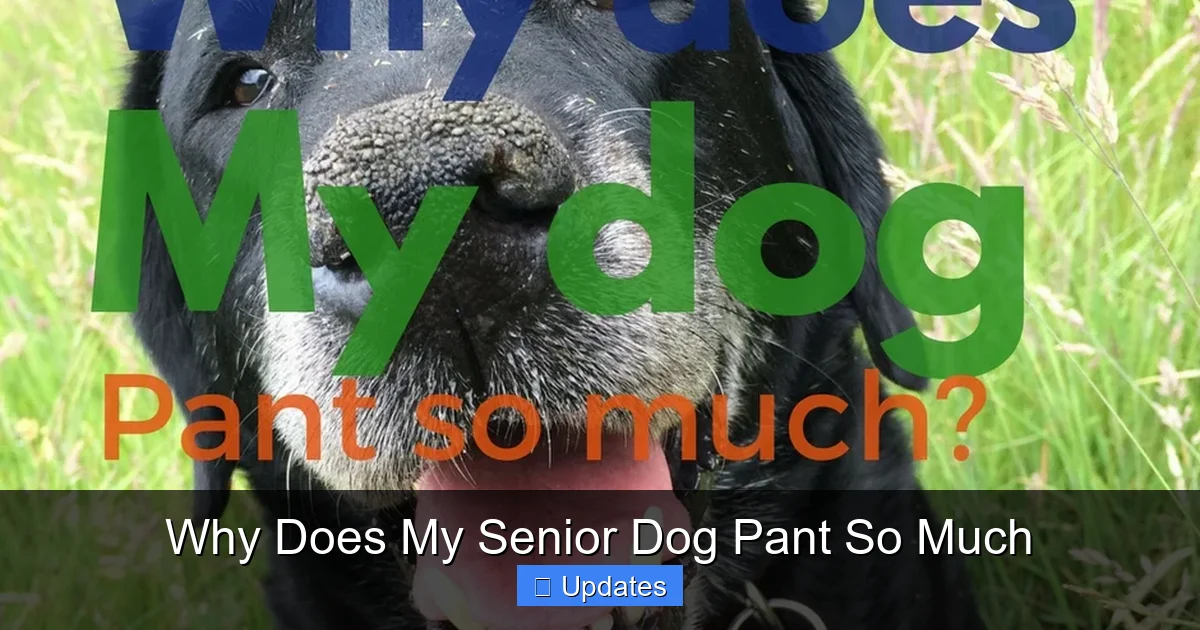
Why Does My Senior Dog Pant So Much


Pulse Oximeter Finger Monitor

Foot Massager Machine

Robot Vacuum Cleaner
Senior dogs pant for many reasons, from natural aging to underlying health issues like pain, heart disease, or cognitive decline. While some panting is normal, excessive or sudden changes may signal a need for veterinary attention. Understanding the causes can help you provide comfort and care during your dog’s golden years.
If you’ve noticed that your senior dog is panting more than usual—especially when resting, at night, or in cool weather—you’re not alone. Many pet parents grow concerned when their once-active older dog starts breathing heavily without exertion. While some panting is perfectly normal, persistent or unexplained panting can be a sign of an underlying issue. Understanding *why does my senior dog pant so much* helps you respond appropriately and keep your furry companion comfortable and healthy in their golden years.
As dogs age, their bodies undergo significant changes. Their metabolism slows, joints stiffen, and internal organs gradually lose efficiency. These shifts affect how they regulate temperature, process medications, and manage stress. Panting, which is primarily a cooling mechanism, becomes more frequent or pronounced as a result. But when it goes beyond normal limits, it could point to pain, illness, or emotional distress. Let’s explore the most common reasons behind excessive panting in senior dogs and what you can do about it.
Key Takeaways
- Panting is a cooling mechanism: Just like humans, senior dogs pant to regulate body temperature as their metabolism slows and coat thickness changes.
- Aging affects organ function: Over time, kidneys, liver, and heart may weaken, leading to fluid retention, discomfort, or reduced oxygen flow—all of which can cause increased panting.
- Pain and stiffness are common: Arthritis, joint inflammation, or dental pain in older dogs often manifest through excessive panting, especially after rest or minimal activity.
- Medications and diet influence panting: Certain prescriptions, overheating from food, or low-quality senior dog food can contribute to respiratory changes in aging pets.
- Emotional stress matters: Cognitive dysfunction syndrome (similar to dementia) can make senior dogs anxious or disoriented, causing them to pant when confused or scared.
- Monitor for red flags: If panting is rapid, accompanied by coughing, vomiting, lethargy, or loss of appetite, seek veterinary care promptly.
- Preventive care is key: Regular vet check-ups, balanced nutrition, and a calm environment can reduce unnecessary panting and improve quality of life.
📑 Table of Contents
- Normal Aging and How It Affects Breathing
- Arthritis and Joint Pain: Hidden Sources of Discomfort
- Cardiac Concerns: When the Heart Struggles
- Respiratory and Neurological Issues
- Dental Pain and Digestive Discomfort
- Environmental and Behavioral Triggers
- Medication Side Effects and Dietary Influences
- When to See a Veterinarian Immediately
- How to Help Your Senior Dog Stay Comfortable
- Conclusion: Patience, Observation, and Love
Normal Aging and How It Affects Breathing
Just like humans, senior dogs experience physiological changes that impact their respiratory system. One of the most noticeable shifts is a slower metabolism. As your dog enters their senior years (typically 7–11 years depending on breed), their basal metabolic rate decreases. This means they generate less internal heat, but also produce fewer sweat glands—dogs primarily cool themselves by panting. So even though they’re generating less heat, their limited ability to sweat forces them to rely more heavily on panting to maintain a safe body temperature.
Another factor is coat thickness. Older dogs often develop thicker or coarser fur due to hormonal changes or reduced grooming efficiency. This extra insulation traps heat, making it harder for them to cool down. Imagine wearing a heavy winter coat on a hot day—your dog feels that way too. Without proper airflow, panting becomes their only effective cooling method.
Additionally, cartilage and muscle mass around the throat and chest may soften or shrink with age. This can slightly narrow the airways, making breathing—and especially panting—feel more labored. While this isn’t usually dangerous, it contributes to the perception that your dog is “panting too much.”
It’s important to remember that mild panting during sleep, after eating, or in warm environments is generally normal. However, if your dog is panting heavily while resting comfortably in a cool room, that’s worth investigating further.
Arthritis and Joint Pain: Hidden Sources of Discomfort
Visual guide about Why Does My Senior Dog Pant So Much
Image source: caringforaseniordog.com
One of the most common yet underdiagnosed causes of panting in senior dogs is chronic pain from arthritis or other joint conditions. Unlike young dogs who may yelp or limp when hurt, older dogs often mask pain. Instead, they might breathe heavily, avoid movement, or seem irritable. Panting becomes a subtle way their body signals distress.
Osteoarthritis affects nearly 60% of dogs over age 7. It causes inflammation, stiffness, and bone-on-bone rubbing in joints like hips, elbows, knees, and spine. Even mild discomfort from these conditions can trigger a stress response. The body releases cortisol and adrenaline, which increase heart rate and respiration—leading to panting.
You might notice your senior dog panting more after naps, during car rides, or when trying to jump onto furniture. They may also resist walks, whine softly, or lick a specific sore spot repeatedly. These behaviors, combined with panting, strongly suggest pain.
Managing arthritis involves more than medication. Weight control is crucial—even a few extra pounds put immense strain on arthritic joints. Switching to gentle, high-protein senior dog food can support lean muscle mass without adding fat. Omega-3 supplements from fish oil reduce inflammation, and physical therapy exercises improve mobility. In severe cases, your vet may recommend prescription anti-inflammatories or joint supplements like glucosamine and chondroitin.
Cardiac Concerns: When the Heart Struggles

Visual guide about Why Does My Senior Dog Pant So Much
Image source: caringforaseniordog.com
Heart disease is another leading cause of excessive panting in senior dogs. Conditions like mitral valve disease (common in small breeds), congestive heart failure, or arrhythmias reduce the heart’s ability to pump blood efficiently. This leads to poor circulation, fluid buildup in the lungs or abdomen, and reduced oxygen delivery to tissues.
When the heart can’t meet the body’s demands—even during quiet rest—the dog’s body compensates by increasing breathing rate. Panting becomes a way to take in more oxygen and remove carbon dioxide faster. Unfortunately, this creates a cycle: the heart works harder because it’s not getting enough oxygen, which makes panting worse.
Signs of cardiac issues include:
– Persistent coughing (especially at night)
– Weakness or reluctance to exercise
– Blue-tinged gums or tongue
– Sudden weight gain or loss
– Fainting episodes
If your senior dog pants heavily and seems unusually tired, consult your veterinarian immediately. Early detection and management can significantly extend your dog’s lifespan and improve quality of life. Treatment may include medications like pimobendan, diuretics, or oxygen therapy. Your vet might also recommend dietary changes, such as switching to low-sodium wet senior dog food, which supports kidney and heart function.
Respiratory and Neurological Issues

Visual guide about Why Does My Senior Dog Pant So Much
Image source: blog.tryfi.com
Beyond heart problems, several respiratory and neurological conditions can cause abnormal panting in older dogs. For example, laryngeal paralysis—where the vocal cords don’t open properly during inhalation—can lead to noisy, labored breathing and panting, especially during excitement or exercise. This condition becomes more likely with age and is often seen in large breeds like German Shepherds or Labrador Retrievers.
Neurological disorders like degenerative myelopathy or brain tumors can also disrupt normal breathing patterns. Dogs with cognitive dysfunction syndrome (CDS), often called canine dementia, may become disoriented, anxious, or confused. This mental fog can trigger panic responses, resulting in rapid panting even in familiar environments.
Other possibilities include:
– Lung infections or tumors
– Nasal blockages (from polyps or foreign objects)
– Allergic reactions or asthma
– Obesity-related breathing difficulties
If your dog’s panting is accompanied by nasal discharge, difficulty swallowing, wheezing, or head tilting, seek veterinary care right away. Diagnostic tools like X-rays, blood work, or MRI scans help pinpoint the root cause.
Dental Pain and Digestive Discomfort
Believe it or not, dental health plays a surprisingly big role in panting. Gum disease, tooth abscesses, or fractured teeth cause intense pain that radiates throughout the body. Senior dogs with advanced periodontitis often pant excessively because even gentle chewing or swallowing hurts. Since they can’t easily express oral discomfort, panting becomes their default distress signal.
Similarly, gastrointestinal issues like acid reflux, gastritis, or constipation can irritate the diaphragm or esophagus. When the stomach is bloated or inflamed, it presses against the lungs, limiting airflow and forcing deeper, quicker breaths—essentially panting.
You might notice your dog:
– Drooling more than usual
– Refusing hard kibble
– Pawing at their mouth
– Having bad breath or loose stools
Switching to soft, easy-to-chew canned senior dog food can ease digestive strain. Regular dental cleanings and daily tooth brushing prevent future problems. Always rule out pain first—many dogs stop eating or drinking due to mouth discomfort, worsening dehydration and confusion.
Environmental and Behavioral Triggers
Sometimes, the answer to “why does my senior dog pant so much” lies outside medical causes. Environmental factors play a major role. Warm indoor temperatures, humid days, or poorly ventilated rooms trap heat, prompting panting even in healthy dogs. Similarly, anxiety from loud noises (fireworks, thunderstorms), separation stress, or unfamiliar visitors can trigger a fight-or-flight response. In senior dogs, whose nervous systems may already be declining, emotional triggers are more potent.
Cognitive dysfunction syndrome (CDS) mimics human dementia. Affected dogs may forget routines, pace nervously, bark at nothing, or become clingy. These behaviors elevate stress hormones, increasing respiratory rate. Nighttime panting is particularly common in CDS cases, as disorientation peaks during sleep transitions.
To minimize environmental stress:
– Keep your home cool and draft-free
– Use white noise machines to drown out startling sounds
– Maintain consistent daily routines
– Provide cozy, elevated sleeping areas
– Consider calming aids like pheromone diffusers or CBD oil (consult your vet first)
For dogs with CDS, behavioral enrichment helps. Puzzle feeders, short training sessions, and gentle massage reduce anxiety and promote relaxation.
Medication Side Effects and Dietary Influences
Certain medications commonly prescribed for senior dogs can indirectly cause panting. Steroids like prednisone increase metabolism and body temperature, prompting more frequent panting. Beta-blockers used for heart rhythm issues may alter breathing patterns. Always review your dog’s prescriptions with your vet to identify potential side effects.
Diet also matters. Feeding large meals or rich foods close to bedtime can cause indigestion, heartburn, or reflux—each of which irritates the diaphragm and triggers panting. High-fat diets exacerbate this, especially in sedentary seniors prone to pancreatitis.
Optimal nutrition includes:
– Smaller, frequent meals
– Lean proteins and fiber-rich grains or vegetables
– Avoiding table scraps and fatty treats
– Ensuring fresh water is always available
Consider switching to grain-free senior dog food if allergies or sensitivities are suspected. Wet food provides hydration and eases digestion. Always transition diets gradually over 7–10 days to avoid upset stomachs.
When to See a Veterinarian Immediately
Not all panting warrants panic—but certain signs demand urgent care. Contact your vet if your senior dog exhibits any of these red flags:
– Rapid, shallow panting while resting
– Cyanosis (blue lips or gums)
– Collapse or fainting
– Loss of appetite lasting over 24 hours
– Vomiting or diarrhea
– Excessive drooling with difficulty swallowing
– Sudden weight loss despite normal eating habits
These symptoms suggest serious conditions like heart failure, respiratory infection, or metabolic crisis. Early intervention improves outcomes dramatically.
Regular wellness exams every 6 months are essential for seniors. Blood panels, urinalysis, blood pressure checks, and cardiac ultrasounds catch hidden issues before they escalate.
How to Help Your Senior Dog Stay Comfortable
Even if no serious illness is found, you can take steps to reduce unnecessary panting and boost your dog’s comfort:
1. **Control Temperature**: Use fans, air conditioning, or cooling mats. Never leave your dog in a parked car.
2. **Ease Joint Pain**: Provide orthopedic beds, ramps instead of stairs, and non-slip flooring.
3. **Promote Calm**: Play soft music, use lavender-scented sprays (safe for dogs), and limit stressful situations.
4. **Encourage Light Exercise**: Short, slow walks improve circulation without overtaxing joints.
5. **Hydrate Well**: Offer fresh water frequently. Add broth or wet food to increase fluid intake.
6. **Monitor Weight**: Track body condition weekly. Adjust portions based on activity level.
7. **Stay Connected**: Monitor behavior changes. Keep a journal noting when panting occurs, its intensity, and accompanying symptoms.
Remember, your senior dog relies on you to interpret subtle cues. Trust your instincts—if something feels off, ask for professional advice.
Conclusion: Patience, Observation, and Love
So, why does my senior dog pant so much? The truth is, there’s rarely just one reason. It could be a combination of aging, pain, medication, stress, or undiagnosed illness. What matters most isn’t the panting itself—it’s what it tells you about your dog’s overall well-being.
With patience and proactive care, many senior dogs live happy, comfortable lives despite increased breathing. Regular vet visits, a nutrient-rich diet, pain management, and emotional support go a long way. And sometimes, the simplest solution is creating a cooler, calmer space where your dog feels safe and relaxed.
Your senior dog has earned their rest—and you deserve peace of mind knowing you’re giving them the best possible care. Watch closely, listen intently, and respond with compassion. After all, their love has lasted a lifetime. Now it’s your turn to return the favor.
Frequently Asked Questions
Is it normal for senior dogs to pant at night?
Yes, mild panting during sleep is common due to slower metabolism and reduced ability to regulate temperature. However, if it’s rapid, paired with restlessness or snoring, it could signal respiratory or cardiac issues. Monitor patterns and consult your vet if concerned.
Can anxiety cause excessive panting in senior dogs?
Absolutely. Cognitive dysfunction syndrome or environmental stressors like loud noises can trigger anxiety, leading to panting even when there’s no physical exertion. Creating a calm routine and using calming aids can help reduce these episodes.
Should I worry if my senior dog pants after eating?
Mild panting after meals is normal due to digestion heating the body. But if it’s heavy, accompanied by vomiting or refusal to eat, it may indicate acid reflux, gastritis, or dental pain. Switching to smaller, frequent meals or soft food can help.
How can I tell if my senior dog’s panting is due to pain?
Look for other signs: reluctance to move, whining, limping, licking a specific area, or guarding joints. Panting during rest, after naps, or when touched near sensitive spots often points to underlying pain needing veterinary evaluation.
Are there specific dog breeds more prone to panting?
Breeds with brachycephalic (flat-faced) features like Pugs or Bulldogs pant more naturally due to narrow airways. Larger breeds like Labs or German Shepherds may develop laryngeal paralysis or heart disease later in life, increasing panting risk.
What kind of diet helps reduce panting in senior dogs?
A balanced, high-quality senior dog food with lean protein, fiber, and omega-3s supports joint health and digestion. Wet food increases hydration. Avoid high-fat or spicy ingredients that can trigger reflux or inflammation.