
When Is a Horse Considered Senior


Medication Reminder Alarm

Sudoku Puzzle Book

Compression Socks
When is a horse considered senior? Most horses enter their senior years between 15 and 20 years old, though this can vary by breed and size. Senior horses often experience slower metabolism, dental issues, and mobility challenges that require special attention. Recognizing these signs early helps you adjust care routines and maintain your horse’s comfort and quality of life.
When Is a Horse Considered Senior?
Have you ever wondered when your horse officially becomes a senior? It’s not always easy to tell just by looking at them—especially since horses mature much faster than humans. While a 20-year-old human might be considered middle-aged, a 20-year-old horse has lived about half its natural lifespan. So, when does that transition happen?
Generally speaking, most horses are considered seniors between the ages of 15 and 20. But here’s the thing: it’s not one-size-fits-all. A small pony might show senior traits around 18, while a large draft horse could still feel young at 22. Genetics, lifestyle, diet, and overall health all play a big role in determining when your horse enters this new chapter.
Understanding your horse’s age relative to seniority isn’t just about labels—it’s about recognizing when they might need extra care, different feeding strategies, or adjustments to their routine. Think of it like knowing when your dog turns 7 (in dog years)—you start paying closer attention to joint health, appetite, and energy levels.
In this article, we’ll walk through what defines a senior horse, how to spot the signs, and how to support your aging equine friend with practical tips and expert advice.
Key Takeaways
- Breed and Size Matter: Larger breeds like draft horses or warmbloods typically reach senior status later than smaller breeds such as Arabians or ponies.
- Common Age Range: Most horses are considered seniors between 15 and 20 years old, but some may show signs earlier or later depending on genetics and health.
- Physical Changes Appear: Look for gray hair, weight loss, poor coat condition, dental problems, and reduced stamina as early indicators of aging.
- Senior Care Is Crucial: Adjust feeding, hoof care, exercise, and veterinary visits to meet the changing needs of older horses.
- Preventive Health Checks: Annual vet exams, dentistry, vaccinations, and parasite control should continue into retirement years.
- Quality of Life Focus: Monitor behavior and mood; senior horses may need more rest, social interaction, or environmental enrichment.
- Retirement Planning Helps: Transitioning a horse to pasture retirement or modified workload supports long-term well-being.
📑 Table of Contents
How Old Is a Horse in Human Years?
Before diving into seniority, let’s clear up a common misconception: horses don’t age exactly like humans. The old rule of “one human year equals five horse years” is outdated and misleading. Instead, scientists now use a more accurate scale based on biological development.
Here’s a quick reference:
– Year 1: Equivalent to about 15 human years.
– Years 2–4: Each horse year ≈ 9 human years.
– Years 5–10: Each horse year ≈ 4 human years.
– After Year 10: Each horse year ≈ 3–5 human years, depending on individual factors.
So, a 15-year-old horse is roughly equivalent to a 60-year-old human in terms of physical maturity—but mentally and emotionally, they’re still very much a horse. This accelerated aging means horses reach full physical maturity by age 5–6, which is why they’re often retired from competition as young as 15.
This brings us back to our main question: when do they become seniors?
Most veterinarians and equine experts agree that the threshold begins around **15 years old**. However, the term “senior” isn’t strictly defined by age alone. It’s also influenced by behavior, physical condition, and how the horse functions in daily life.
For example, a 16-year-old Thoroughbred that’s been ridden hard every day might show more wear-and-tear than a 19-year-old pasture pet who rarely leaves the paddock. That’s why it’s important to look beyond the calendar and consider your horse’s unique story.
What Defines a Senior Horse?

Visual guide about When Is a Horse Considered Senior
Image source: helpfulhorsehints.com
Being labeled a senior isn’t just about crossing a certain birthday. It’s a combination of physiological changes that signal the body is slowing down. These signs include:
– Graying of the muzzle (called “frosting”)
– Weight loss or difficulty maintaining body condition
– Dental issues like missing teeth or uneven chewing surfaces
– Reduced muscle mass and strength
– Slower metabolism and less tolerance for cold weather
– Joint stiffness or arthritis symptoms
– Decreased vision or hearing
– More frequent illnesses or longer recovery times
These aren’t sudden switches—they happen gradually over time. As owners, the key is learning to read your horse’s signals and respond before problems escalate.
One helpful way to think about it is comparing your horse to yourself: if you started needing reading glasses, taking longer to recover from colds, or felt stiff after sitting too long, those would be red flags—even if you’re only 45. Same goes for horses.
Also worth noting: some breeds naturally age differently. For instance, miniature horses often live longer than full-sized breeds and may stay active well into their late teens. Meanwhile, ponies tend to show senior traits later due to their compact size and efficient metabolism.
Age Ranges for Senior Horses by Breed

Visual guide about When Is a Horse Considered Senior
Image source: helpfulhorsehints.com
While 15–20 years is a general guideline, breed plays a significant role in determining when a horse reaches senior status. Here’s a breakdown:
Larger Breeds (e.g., Draft Horses, Warmbloods)
Draft horses like Clydesdales or Percherons can live 25+ years and often remain functional well past 20. Because they’re bigger and built for endurance, they may not show typical senior signs until much later. In fact, many draft horses are still competing or pulling carriages into their mid-20s.
That said, even large breeds benefit from proactive care once they hit 18–20. Regular vet checks, proper nutrition, and gentle exercise help maintain mobility and prevent obesity-related issues.
Smaller Breeds (e.g., Arabians, Quarter Horses, Ponies)
Arabians and Quarter Horses usually reach senior status closer to **15–18 years**, especially if they’ve had intense training or racing careers. Ponies, particularly Shetlands or Welsh Corries, may stay vibrant until 20–22 due to their hardy constitutions.
Miniature horses are a special case—they often live 25–30 years and may not be considered seniors until 20 or older. Their longevity makes them excellent companions for elderly riders, but it also means owners must stay vigilant about age-related conditions.
Sporting and Performance Horses
Racehorses, show jumpers, and eventers often retire earlier due to wear and tear. Even if they’re only 16–18, they might exhibit signs of joint damage or chronic inflammation that classify them as seniors regardless of age.
Conversely, a retired pleasure horse living a relaxed life may breeze past 20 without noticeable decline. Environment matters just as much as breed.
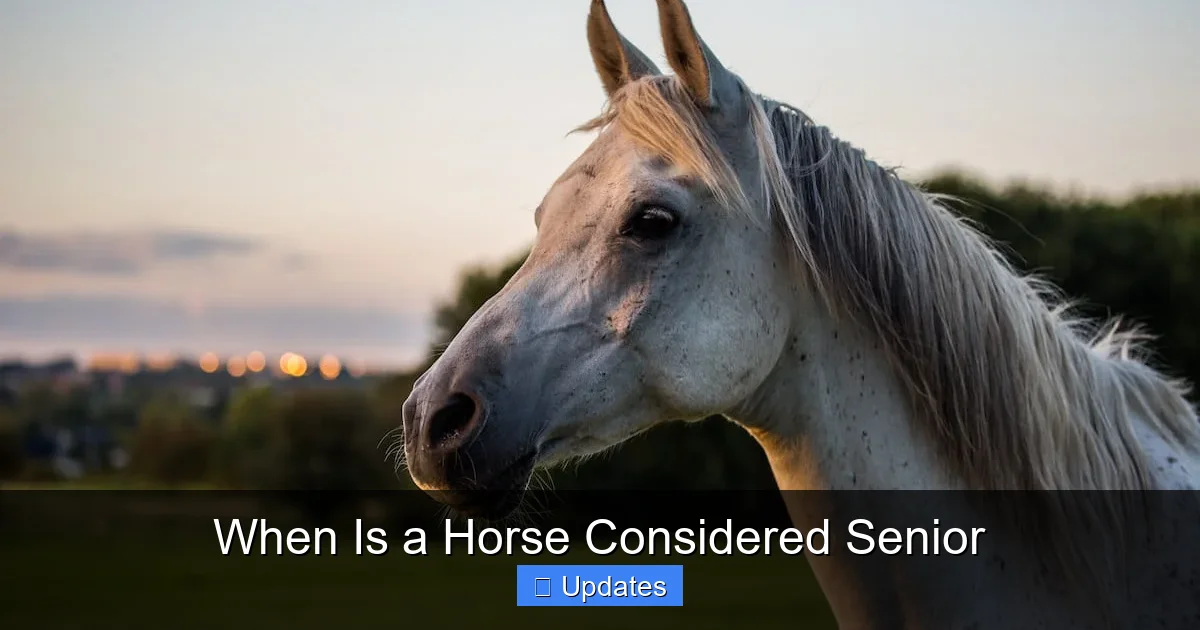
Signs Your Horse May Be Entering Its Senior Years
Visual guide about When Is a Horse Considered Senior
Image source: helpfulhorsehints.com
Spotting the shift can be subtle, but awareness saves time and money down the road. Watch for these common indicators:
Dental Problems
Horses lose teeth as they age, and their chewing surface wears down unevenly. You might notice:
– Dropping feed while eating
– Preference for soft foods like hay cubes or soaked hay
– Weight loss despite normal appetite
– Bad breath or loose teeth
Many senior horses need floating (smoothing out sharp edges) every 6–12 months instead of annually.
Weight Loss or Difficulty Gaining Weight
Metabolism slows with age, making it harder to maintain ideal body condition. If your horse is losing weight or struggling to put on muscle, it could be due to:
– Poor dentition
– Parasites
– Kidney or liver disease
– Dental pain
Regular weigh-ins and body condition scoring (using the Henneke system) help track changes accurately.
Gray Hair and Physical Changes
Frosting—the white hairs around the eyes, muzzle, and tail—is a classic sign. While not everyone considers this an indicator of aging, it often correlates with other slowdowns. Also watch for:
– Loose skin
– Brittle hooves
– Lameness or reluctance to move
Reduced Stamina and Energy
An older horse may tire more easily during trail rides or struggle to keep up with younger herd mates. This doesn’t mean they should never exercise—moderate, consistent movement keeps joints flexible and muscles strong.
Behavioral Shifts
Just like people, senior horses can become quieter, more cautious, or less interested in play. Some develop mild cognitive dysfunction (similar to dementia in humans), showing confusion or disorientation.
If you notice sudden behavioral changes, consult your vet to rule out underlying medical causes.
Practical Tips for Caring for Senior Horses
Transitioning to senior care doesn’t have to be overwhelming. With the right approach, your horse can enjoy comfort and quality of life well into retirement.
Adjust Their Diet
Senior horses often need:
– Soaked hay or hay cubes to ease chewing
– High-fat feeds (like rice bran or flaxseed oil) for calories without bulk
– Supplements like glucosamine for joints or B vitamins for energy
– Reduced grain if prone to laminitis
Always introduce new feeds gradually and monitor for digestive upset.
Maintain Hoof Care
Older horses may develop thrush, abscesses, or cracked heels more easily. Schedule farrier visits every 6–8 weeks instead of monthly, and clean boots regularly. Soft bedding in stalls reduces pressure sores.
Support Joint Health
Joint supplements (with vet approval) can help manage arthritis. Gentle turnout, low-impact exercise like walking, and avoiding slippery surfaces reduce strain.
Stay on Top of Veterinary Care
Annual checkups should include:
– Dental exam and floating
– Bloodwork to catch organ issues early
– Vaccinations tailored to local risks
– Skin and eye screenings
Chronic conditions like PPID (Cushing’s disease) are common in older horses—early diagnosis improves outcomes.
Provide Mental Stimulation
Even quiet senior horses benefit from enrichment. Try:
– Puzzle toys filled with treats
– Social interaction with compatible herd mates
– Access to pasture with varied terrain
Mental engagement prevents boredom and loneliness.
Should You Retire Your Senior Horse?
Retirement is a personal decision. Some horses gracefully step away from work, while others miss their purpose. Signs it might be time include:
– Chronic pain or lameness
– Recurrent infections
– Declining performance despite training
– Difficulty managing weight or hydration
There’s no shame in retiring a beloved partner. Many senior horses find joy in light riding, hacking, or simply being spoiled on pasture.
If you’re unsure, talk to your trainer or vet. They can assess your horse’s fitness and suggest a trial period without work.
Remember: retirement doesn’t mean stopping care—it means shifting focus to comfort and happiness.
Conclusion: Embracing Your Horse’s Golden Years
So, when is a horse considered senior? The answer lies between 15 and 20 years—but truly, it’s about more than numbers. It’s about recognizing the quiet changes in your horse’s body, behavior, and spirit. Whether they’re a spirited 16-year-old or a wise 22-year-old draft horse, every horse deserves compassionate care as they age.
By staying observant, adjusting routines, and partnering closely with your vet, you can ensure your senior horse lives comfortably and joyfully. After all, horses have given us so much—loyalty, companionship, freedom. Now it’s our turn to give back.
If you’re curious about other species’ senior thresholds, you might enjoy learning when cats are considered senior or how large dogs age compared to horses. Understanding these parallels helps us appreciate the unique rhythms of each animal.
And if you’re wondering about human definitions of seniority, check out when someone is considered a senior citizen—it’s fascinating how culture shapes these milestones across species and societies.
Frequently Asked Questions
At what exact age is a horse considered a senior?
A horse is generally considered a senior between 15 and 20 years old. However, this varies by breed—smaller breeds like Arabians may show signs earlier, while larger breeds like draft horses often remain functional well past 20.
Do all horses become seniors at the same age?
No, individual differences in genetics, diet, lifestyle, and health mean some horses transition earlier or later than others. A retired pasture horse may stay healthy into their 20s, while an athletic performance horse might need adjusted care by 15.
Can a 14-year-old horse be considered a senior?
Sometimes—especially if the horse shows physical or behavioral signs of aging like weight loss, dental issues, or reduced stamina. Veterinarians often recommend increased monitoring and care for horses showing these traits, regardless of age.
What are the first signs of aging in horses?
Early signs include graying muzzle (“frosting”), dropping food while eating, decreased energy, and stiffness after rest. These changes are gradual and vary by individual.
How long do senior horses typically live?
With good care, many senior horses live into their late teens or early twenties. Miniature horses often exceed 25 years, while some draft horses live 30+ years.
Is there a difference between a senior and geriatric horse?
Yes—most vets define geriatric as 20 years or older. At this stage, horses often require more intensive care due to multiple age-related conditions like Cushing’s disease, severe arthritis, or organ decline.