
Water Flosser vs Electric Toothbrush for Seniors

Spill-Proof Adult Cup

Memory Foam Seat Cushion

Talking Clock
Choosing between a Water Flosser vs Electric Toothbrush can be confusing because they do different jobs. An electric toothbrush cleans the teeth with a powered brush head. A water flosser uses a stream of water to clean between teeth and along the gumline.
For many seniors, the choice is not really about which one is better. It is about what kind of cleaning help is needed. An electric toothbrush may be easier for daily tooth cleaning. A water flosser may be more useful for cleaning between teeth.
Quick Comparison
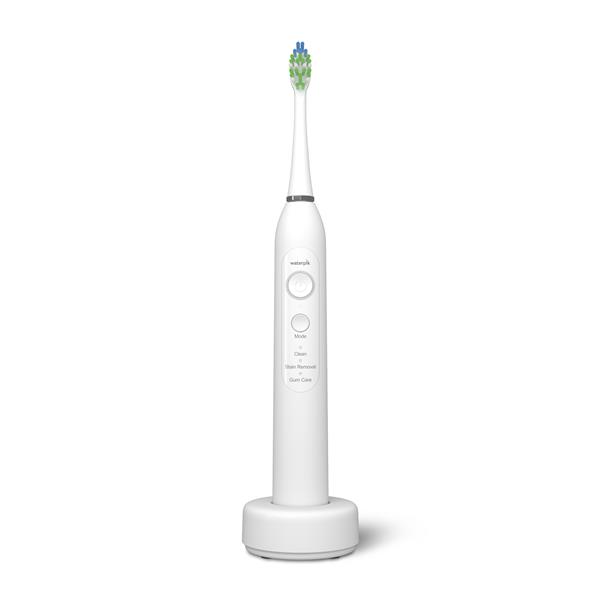
An electric toothbrush is the better choice for most seniors who need a simple powered toothbrush for daily cleaning. It can reduce the hand motion needed to brush.
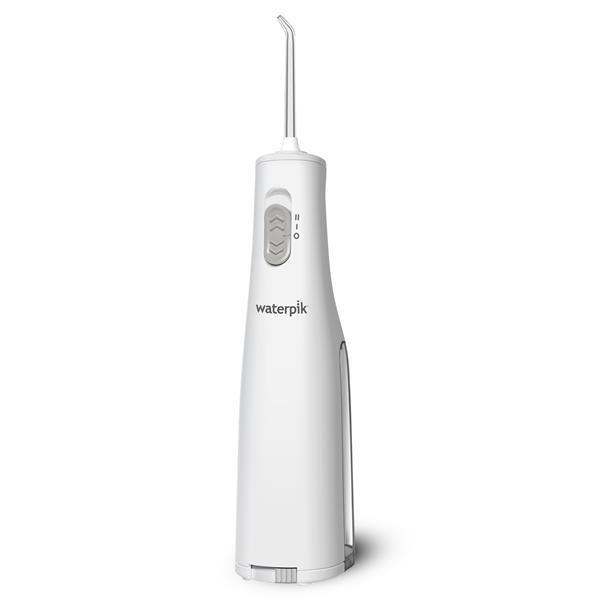
A water flosser is better for seniors who want help cleaning between teeth and may find traditional string floss hard to handle.
If budget allows, using both can provide two different types of cleaning. They should not be viewed as direct replacements for each other.
Water Flosser vs Electric Toothbrush At a Glance
The two products work in different ways, so the right choice depends on the task.
| Feature | Water Flosser | Electric Toothbrush |
|---|---|---|
| Main job | Cleans between teeth and near the gumline | Cleans tooth surfaces |
| Hand effort | Low, but needs water control | Low brushing effort |
| Dexterity | May be easier than string floss | Usually simple to operate |
| Setup | Fill water and attach tip | Charge or add batteries |
| Cleaning | Tip and water reservoir need care | Brush head needs rinsing |
| Best use | Between teeth | Daily tooth brushing |
| Portability | Varies by model | Usually easy to store |
Water Flosser Review for Seniors
A water flosser can be a useful option when cleaning between teeth feels difficult. It sends a controlled stream of water toward areas that a toothbrush may not reach well.
For seniors, one key benefit is that it does not require the same finger movements as traditional string floss. That may make it more appealing for people who find floss hard to hold or guide.
Ease of Use
A water flosser usually requires a few basic steps. Fill the reservoir, attach the tip, select a suitable setting, and direct the water around the teeth.
The main learning point is aiming the stream. A user may need some practice before the process feels natural.
Water can also splash around the sink. A simple routine can help keep the area cleaner.
Key Strengths
- Helps clean between teeth.
- Does not require handling string floss.
- May be easier for some users with limited finger dexterity.
- Can be useful as part of a wider oral-care routine.
- Different tips and settings may be available on some models.
Potential Drawbacks
- Requires water and setup.
- The reservoir and tip need regular cleaning.
- Water can make a mess if the user is not careful.
- Some models take more storage space than a basic toothbrush.
- Features vary widely between models.
Electric Toothbrush Review for Seniors
An electric toothbrush is designed to make brushing easier by powering the brush movement. The user still needs to guide the brush around the mouth, but less manual brushing motion is required.
This can make an electric toothbrush a practical choice for seniors who want a simple daily brushing routine.
Ease of Use
Most electric toothbrushes are fairly simple to operate. A user normally turns the brush on and guides it across the teeth.
Some models have larger controls or simple one-button operation. Others have more settings, which may add complexity.
A lighter handle can also be helpful for users who do not want to hold a heavy device for long periods.
Key Strengths
- Reduces manual brushing motion.
- Designed for daily tooth cleaning.
- Simple models can be easy to operate.
- Brush heads are generally easy to rinse.
- Some models offer useful brushing features.
Potential Drawbacks
- Requires regular brush-head replacement.
- Needs charging or batteries, depending on the model.
- Some advanced models have controls that may feel unnecessary.
- It does not replace cleaning between teeth.
Which Is Easier for Seniors to Use?
For basic daily tooth brushing, an electric toothbrush may be easier because the powered brush does much of the brushing motion.
A water flosser may be easier for seniors who find string floss difficult to grip or control. However, it still requires the user to aim the water stream around the mouth.
The easiest option is the one that fits the user’s daily routine and can be used comfortably and consistently.
For someone with limited hand dexterity, the shape of the handle and size of the controls matter. For someone who struggles with fine finger movements, a water flosser may also be worth considering instead of traditional floss.
Performance Comparison
The products should not be judged as if they perform the same task.
An electric toothbrush focuses on brushing tooth surfaces. A water flosser focuses more on areas between teeth and around the gumline.
This makes the comparison simple:
| Performance Area | Water Flosser | Electric Toothbrush |
|---|---|---|
| Tooth surface cleaning | Not its main role | Main role |
| Between-teeth cleaning | Main role | Limited |
| Powered cleaning | Water stream | Powered brush movement |
| Daily brushing | Not a replacement | Designed for it |
| Flossing routine | Useful option | Does not replace it |
For many people, the two products can work together rather than compete.
Comfort, Accessibility, and Senior-Friendly Design
Comfort can matter as much as cleaning ability. A product that feels awkward may be used less often.
With an electric toothbrush, look for a handle that feels secure and easy to hold. Large, simple controls can also help.
With a water flosser, consider the handle, water tank, controls, and hose. The user should be able to fill the reservoir and operate the device without unnecessary effort.
Storage also matters. A water flosser needs space for its reservoir and accessories. An electric toothbrush usually needs less counter space.
Features Comparison
Extra features are only useful when they solve a real problem.
| Feature | Water Flosser | Electric Toothbrush |
|---|---|---|
| Adjustable settings | Common on some models | Common on some models |
| Replaceable part | Flossing tip | Brush head |
| Water reservoir | Yes | No |
| Charging | Some models | Common |
| Timers | Some models | Common on many models |
| Travel design | Available on some models | Available on some models |
Feature lists can vary by model. Check the exact product before buying.
Price, Maintenance, and Long-Term Value
Price varies widely across both categories. A basic electric toothbrush can be simpler and cheaper to maintain. A water flosser adds water-related parts that need regular cleaning.
Both products also have replaceable components.
For an electric toothbrush, the main ongoing cost is usually replacement brush heads. For a water flosser, replacement tips may be needed.
The best value is not always the product with the lowest purchase price. Consider the cost of replacement parts, ease of maintenance, storage, and how likely the user is to keep using it.
Who Should Choose a Water Flosser?
Choose a water flosser if:
- Cleaning between teeth is the main concern.
- Traditional string floss is hard to hold.
- The user wants a different way to clean between teeth.
- A powered water stream feels easier to manage.
- There is enough counter space for the device.
- The user is comfortable filling and cleaning the reservoir.
Who Should Choose an Electric Toothbrush?
Choose an electric toothbrush if:
- Daily tooth brushing is the main need.
- The user wants less manual brushing motion.
- A simple handle and button are preferred.
- Easy storage matters.
- The user wants a straightforward daily routine.
- The device will be used as the main toothbrush.
Final Verdict
Best for most seniors: Electric toothbrush
Best for between-teeth cleaning: Water flosser
Best for simple daily brushing: Electric toothbrush
Best alternative to traditional flossing: Water flosser
There is no true overall winner because the products serve different purposes. An electric toothbrush is mainly for brushing teeth. A water flosser is mainly for cleaning between teeth.
Scoring Summary
The scores below are broad category-level guidance, not laboratory test results. Exact models can differ.
| Category | Water Flosser | Electric Toothbrush |
|---|---|---|
| Ease of Use | 8/10 | 9/10 |
| Senior-Friendly Design | 8/10 | 9/10 |
| Between-Teeth Cleaning | 9/10 | 5/10 |
| Daily Tooth Brushing | 5/10 | 9/10 |
| Maintenance | 7/10 | 9/10 |
| Overall Value | 8/10 | 9/10 |
How We Evaluate Products
This comparison focuses on practical factors that can matter to older adults.
We consider:
- Ease of use
- Dexterity needs
- Comfort
- Controls
- Setup
- Cleaning
- Maintenance
- Storage
- Everyday practicality
- Overall value
The comparison does not assume that every senior has the same needs. Age alone does not determine which product is easiest to use.
Senior-Specific Buying Considerations
Physical Effort
Think about how much hand movement is needed. A powered toothbrush may reduce brushing effort. A water flosser may reduce the finger work involved in traditional flossing.
Controls
Simple controls are often easier to learn. Avoid paying more for complicated settings that the user is unlikely to use.
Maintenance
Check how often brush heads or water-flosser tips need replacement. Also consider how easy the parts are to rinse and clean.
Storage
A water flosser can take more counter space. Check the available bathroom space before buying.
Setup
Think about charging, filling the water tank, attaching parts, and putting the device away after use.
Safety
Follow the manufacturer’s instructions. Keep electrical components away from standing water. If there are dental concerns or a specific oral-health condition, ask a dentist or other qualified healthcare professional for advice.
Common Buying Mistakes
- Choosing a product only because it has more features.
- Ignoring handle comfort.
- Forgetting the cost of replacement parts.
- Buying a water flosser without checking storage space.
- Assuming a water flosser replaces tooth brushing.
- Assuming an electric toothbrush replaces cleaning between teeth.
Frequently Asked Questions
Is a water flosser better than an electric toothbrush?
Not for the same task. An electric toothbrush is designed for brushing teeth, while a water flosser is designed mainly for cleaning between teeth.
Can you use a water flosser instead of an electric toothbrush?
No. They perform different jobs. A water flosser should not be treated as a replacement for normal tooth brushing.
Which is easier for seniors with limited dexterity?
Either may be easier depending on the user’s needs. A water flosser can avoid the finger movements needed for string floss, while an electric toothbrush can reduce manual brushing motion.
Can seniors use both products?
Yes. They can serve different parts of an oral-care routine. The exact routine should match the user’s needs and any advice from a dental professional.
Is an electric toothbrush easier to maintain?
It may be simpler because there is no water reservoir to manage. However, brush heads still need regular replacement and cleaning.
What should seniors look for when buying either product?
Focus on a comfortable grip, simple controls, easy setup, manageable maintenance, and a size that fits the available storage space.
Conclusion
The main difference between a water flosser and an electric toothbrush is their job. An electric toothbrush is the stronger choice for everyday tooth brushing, while a water flosser can be useful for cleaning between teeth.
For most seniors looking for a simple powered toothbrush, an electric toothbrush is the better starting point. A water flosser makes more sense when between-teeth cleaning and easier handling than traditional floss are the main priorities. For some users, using both may be the most practical approach.
