
Large Print Books vs E-Reader: The Best Choice


Automatic Can Opener

Bedside Commode Chair

Electric Recliner Lift Chair
Many older adults face a big choice today. They must pick between large print books vs e-reader devices. Reading is a great way to stay sharp and relax. But changing eyesight can make standard books hard to read. Stiff hands also make thick books tough to hold.
Families often wonder if a digital screen is worth the effort. They worry about the learning curve. Others want to know if heavy paper books are still the best path. This guide looks at both choices. We will help you decide which option fits your daily life.
Quick Comparison
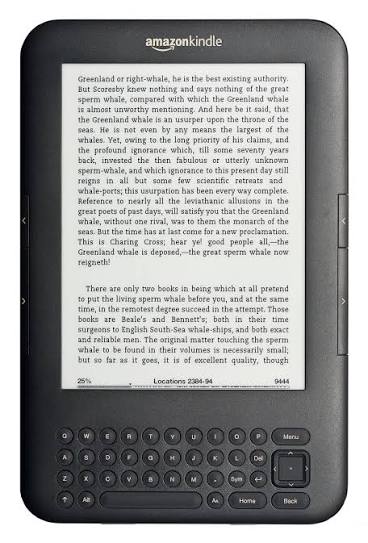
For most seniors, an e-reader is the better overall choice. It has a very light weight. It also has easy, adjustable text. You can make the font as big as you need. It also offers a built-in light for easy reading at night.
However, large print books are best for seniors who prefer a physical page. They are great if you want zero technology to manage. They require no charging. They need no passwords. They involve no screen time.
At-a-Glance Comparison
Here is a quick look at how these two reading methods compare. This table highlights the main differences for daily use.
| Feature | Large Print Books | E-Readers |
| Overall Weight | Often heavy | Very light |
| Text Size | Fixed size | Adjustable size |
| Room Lighting | Needs a lamp | Built-in light |
Large Print Books: A Trusted Choice
Many seniors simply love the feel of real paper. These books offer a familiar joy without any screens. Imagine sitting in a sunny room. You hold a real paper book. You feel the thick pages turn. There is no screen glare. There is no battery alert. You just read.
Ease of Use
You just open the cover and start reading. There are no buttons to press. There are no screens to swipe. You do not need Wi-Fi. You do not need passwords. The thick pages are often easy to turn. This makes them very simple for anyone to enjoy.
Key Strengths
- Zero learning curve required.
- No batteries to charge or replace.
- Familiar and comforting to hold.
- Easy to share with friends.
- No digital glare at all.
Potential Drawbacks
- Can be quite heavy to hold for a long time.
- Book selection is smaller than standard books.
- Requires a good reading lamp nearby.
- Takes up physical space in the home.
E-Readers: A Modern Reading Solution
Digital devices bring a whole library right to your hands. They change how seniors access their favorite stories. Think about reading in bed at night. Your partner is asleep. You do not want to turn on a bright lamp. An e-reader lets you read in the dark.
Ease of Use
Modern reading devices are built to be very simple. You tap the screen to turn the page. You can make the words huge with one touch. Setting it up takes a few steps. You might need to log into Wi-Fi. But reading is very easy after that first setup.
Key Strengths
- Extremely light and easy to hold.
- Text size can change to fit your vision.
- Holds thousands of books at once.
- Built-in warm light helps tired eyes.
- Easy to buy books from your chair.
Potential Drawbacks
- Requires charging every few weeks.
- Setup might require help from family.
- Screen can freeze or need a restart.
- Costs more money up front.
Which Is Easier for Seniors to Use?
When looking at simple products, we must think about daily habits. Both choices offer a unique type of ease for older adults.
For seniors who lack tech skills, physical books win. You never have to worry about a dead battery. You do not have to fix screen glitches. However, turning thick pages can hurt stiff hands. Heavy hardcovers are hard to manage.
E-readers are better for seniors with weak wrists. They are great for arthritis. They weigh just a few ounces. You do not have to hold pages open. A simple tap moves the story forward. You can hold it in one hand.
Reading Experience Comparison
How well you can read the story is the most important factor. Both methods aim to make reading clear. Both aim to make reading fun.
Large print paper books use dark black ink. They need good room lighting. The font is usually large and bold. But the size is fixed. If you need bigger text, you cannot change it. You must use a magnifying glass. This can be annoying.
E-readers win for visual flexibility. You can choose the exact font style you want. You can pick the exact text size you need.
“The ability to change the font size on a screen is a huge help for older adults with changing vision.”
The built-in warm light also stops eye strain. You can read in the dark. You will not wake a sleeping partner. The screen does not shine harsh light into your eyes.
Comfort, Accessibility, and Senior-Friendly Design
Physical comfort matters deeply when you read for hours. Holding a heavy item can cause hand pain. It can also hurt your neck.
Hardcover large print books are often very heavy. The extra thick pages add a lot of bulk. This makes them hard to read in bed. You might need a special pillow to hold them up. They are not very portable.
E-readers are much more accessible. They are thinner than a magazine. You can hold one in a single hand. You can hold it for a long time without pain. They also let you change the background color. A soft yellow screen is much kinder to older eyes. This senior-friendly design makes reading a joy again.
Features Comparison
Comparing extra perks helps show which option offers more value. Here is a look at what each method provides for daily reading.
| Feature | Large Print Books | E-Readers |
| Dictionary Help | Needs separate book | Tap word to define |
| Page Marking | Physical bookmark | Automatic saving |
| Buying Books | Go to store or order | Buy instantly on device |
Price, Maintenance, and Long-Term Value
Cost is a big factor for seniors on a fixed income. You must look at the start cost. You must also check the daily cost.
Physical books cost more per item. A new hardcover book can cost a lot. However, you can use the local library. The library lets you read for free. Paper books need zero software updates. They need no maintenance.
An e-reader costs money upfront. But digital books are usually much cheaper. You can also borrow digital library books for free. You do this right from your home. Over time, the digital device offers better value. Here is a quick look at how costs compare.
| Cost Factor | Large Print Books | E-Readers |
| Upfront Cost | Low | Moderate |
| Cost Per Book | Higher | Lower |
| Maintenance | None | Needs charging |
Who Should Choose Large Print Books?
Some folks will always prefer paper. Choose a physical book if the user fits these traits.
- Dislikes using screens or new technology.
- Forgets to charge digital devices.
- Loves the smell and feel of real paper.
- Has very strong hands to hold heavy books.
- Reads only a few books a year.
- Prefers shopping at a local bookstore.
Who Should Choose An E-Reader?
Digital devices solve many physical reading problems. Choose a digital screen if the user fits these traits.
- Needs text larger than standard large print.
- Has arthritis or weak hands.
- Reads in bed or in dim light.
- Reads many books and wants them instantly.
- Travels often and wants a light bag.
- Likes having a dictionary built right in.
Final Verdict
Deciding between these two comes down to comfort and habit. Each has a clear place in a senior’s home.
Best for most seniors: E-Reader. The light weight and custom text make it a safer, easier choice. It helps aging eyes and hands.
Best for zero technology: Large Print Books. They offer pure, simple joy. They need zero setup.
Best value: E-Reader. The cheap cost of digital books saves money in the long run.
Scoring Summary
We rated these options based on daily senior needs. Here is how they stack up.
| Category | Large Print Books | E-Readers |
| Ease of Setup | 10/10 | 6/10 |
| Physical Comfort | 5/10 | 9/10 |
| Vision Support | 6/10 | 10/10 |
| Long-Term Value | 7/10 | 9/10 |
How We Evaluate Products
We look closely at how real older adults use daily items. We do not focus on flashy ads. We avoid complex tech specs.
Our focus is on weight, grip, and ease of use. We look at how hard it is to hold the item. We also consider how much vision help the product truly offers. We aim to find the most practical choice for daily life.
Senior-Specific Buying Considerations
Always check a few key details before making a choice. Think about the reader’s daily routine and home.
- Physical Effort: Can the senior hold a heavy hardback for an hour?
- Vision Needs: Will a fixed font be large enough next year?
- Wi-Fi Access: Does the home have internet to buy digital books?
- Charging Habits: Will the senior remember to plug in a device?
- Storage Space: Does the home have room for many thick books?
Common Buying Mistakes
Avoid these common errors when picking a reading method. They can ruin the fun of a good story.
- Buying a bright tablet instead of a matte e-reader. Tablets cause harsh glare.
- Assuming large print paper books are light and easy to hold. They are often very heavy.
- Forgetting to buy a protective case for a digital device. Drops can break the screen.
- Overlooking the free digital library apps available today. You can save a lot of money.
- Forcing a senior to use tech if they truly hate screens. This causes useless stress.
- Buying an e-reader with buttons that are too small to press with stiff fingers.
Safety Considerations for Seniors
Safety might seem odd for reading, but physical health matters. Small physical strains add up over time.
Heavy books can cause bad wrist pain. They can also drop on the face during bed reading. This happens if you fall asleep. E-readers stop this risk due to their light weight. They are very easy to hold safely.
However, seniors must avoid bright blue light before bed. It can hurt your sleep patterns. Poor sleep is bad for your health. Always choose an e-reader with a warm light setting. If wrist pain gets worse, you should talk to a doctor.
Conclusion
Finding the right reading tool brings joy back to daily life. The choice between large print books vs e-reader devices comes down to hand strength and vision needs. Both options help older adults stay engaged with great stories.
E-readers are the clear winner for physical comfort and vision support. They are light and highly adjustable. However, large print books remain a great, simple choice. They are perfect for those who want zero tech stress. Think about what brings the reader the most peace and daily comfort.