
Humidifier vs Dehumidifier for Seniors


Upright Walker

Glucose Monitor Kit

LED Magnifying Glass
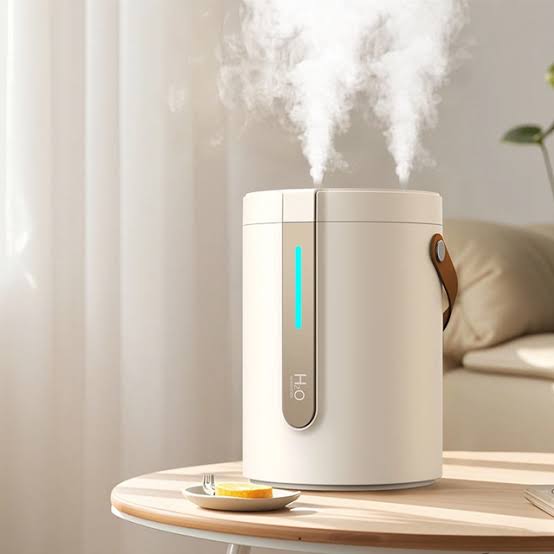
Choosing between a humidifier vs dehumidifier depends mainly on the moisture level in the home. A humidifier adds moisture to dry indoor air, while a dehumidifier removes excess moisture. They solve opposite problems.
For seniors, the better choice is usually the one that matches the home’s air conditions. Easy controls, simple cleaning, noise, water handling, and safe placement can also make a big difference in everyday use.
Quick Comparison
A humidifier is the better fit when indoor air feels too dry. A dehumidifier is more useful when rooms feel damp or humid.
There is no universal winner. The right choice depends on the home’s moisture level and the user’s comfort and maintenance needs.
Humidifier vs Dehumidifier At a Glance
Both appliances manage indoor moisture, but they work in opposite ways.

| Feature | Humidifier | Dehumidifier |
|---|---|---|
| Main job | Adds moisture | Removes moisture |
| Best for | Dry indoor air | Damp indoor air |
| Water handling | Fill water tank | Empty or drain collected water |
| Maintenance | Regular tank cleaning | Tank and filter cleaning |
| Noise | Usually low to moderate | Often low to moderate |
| Main concern | Excess moisture if overused | Very dry air if overused |
Humidifier Review for Senior Home Use
A humidifier can be useful in a home where the air feels noticeably dry. Its main job is simple: add moisture to the air.
For seniors, the appeal is often its straightforward operation. However, regular cleaning is important because water sits inside the appliance.
Ease of Use
Most humidifiers use simple controls for power and moisture output. Some models also have timers or automatic humidity controls.
A model with a large, easy-to-fill tank may be more convenient for someone who does not want to refill it often. A clear water-level indicator can also help.
Key Strengths
- Adds moisture to dry indoor air
- Simple operation on many models
- Often compact enough for a bedroom
- Some models offer automatic humidity control
- Can be useful when indoor air feels uncomfortably dry
Potential Drawbacks
- Requires regular cleaning
- Water tanks need refilling
- Spilled water can create a slip or surface-damage risk
- Too much moisture can make a room excessively humid
Dehumidifier Review for Senior Home Use
A dehumidifier does the opposite. It removes moisture from indoor air and collects the water in a tank or sends it through a drain.
This can be useful in rooms that feel damp. However, the collected water adds another maintenance task.
Ease of Use
A dehumidifier may be easy to operate when the controls are clear and the humidity setting is simple.
Models with automatic shutoff can be helpful when the water tank becomes full. Continuous drainage can also reduce the need to empty the tank, if the setup allows it.
Key Strengths
- Removes excess indoor moisture
- Can make damp rooms feel more comfortable
- Many models offer automatic humidity settings
- Some support continuous drainage
- Automatic shutoff can reduce overflow concerns
Potential Drawbacks
- Water tanks may need regular emptying
- Larger units can be heavy to move
- Filters need cleaning
- Some units can be noticeable when running
Which Is Easier for Seniors to Use?
Ease of use depends on the design of the specific model and the user’s physical needs.
A humidifier may be easier if filling a water tank is manageable. A dehumidifier may be easier when it has automatic controls and a drainage hose that avoids frequent tank emptying.
The easiest appliance is often the one that requires the least lifting, bending, and repeated maintenance.
For someone with limited hand strength, look for an appliance with easy-grip handles, simple controls, and a water tank that is not difficult to remove.
Performance Comparison
The two appliances should not be judged by the same performance goal because they perform opposite jobs.
A humidifier is designed to increase indoor moisture. A dehumidifier is designed to reduce it.
| Performance Area | Humidifier | Dehumidifier |
|---|---|---|
| Adds moisture | Yes | No |
| Removes moisture | No | Yes |
| Best use | Dry rooms | Damp rooms |
| Automatic humidity control | Available on some models | Available on some models |
| Water management | Fill tank | Empty or drain tank |
The most useful feature is therefore the one that matches the home’s actual moisture problem.
Comfort, Accessibility, and Senior-Friendly Design
A senior-friendly appliance should be easy to understand, move, clean, and maintain.
For a humidifier, consider the weight of the filled tank and how easily it can be removed. For a dehumidifier, consider whether the collection tank is easy to carry and empty.
| Senior Need | Humidifier | Dehumidifier |
|---|---|---|
| Easy controls | Look for simple settings | Look for simple settings |
| Water handling | Regular refilling | Regular emptying |
| Portability | Smaller models may be easier | Larger models may be harder to move |
| Maintenance | Tank and internal cleaning | Tank and filter cleaning |
| Storage | Usually easier for compact units | Depends on unit size |
Avoid assuming that every older adult has the same mobility or strength needs. The best design depends on the individual user and room.
Features Comparison
Features can make daily use easier, but more features do not always mean a better appliance.
| Feature | Humidifier | Dehumidifier |
|---|---|---|
| Humidity setting | Common on some models | Common on some models |
| Automatic shutoff | Available on some models | Common on many models |
| Timer | Available on some models | Available on some models |
| Water tank | Requires filling | Collects removed moisture |
| Continuous drainage | Less common | Available on some models |
Simple controls may be more valuable than advanced settings if the appliance will be used every day.
Price, Maintenance, and Long-Term Value
The purchase price varies widely by capacity, design, controls, and features. Rather than choosing only by price, consider the ongoing work involved.
A humidifier requires regular water replacement and cleaning. A dehumidifier also needs water management and filter care.
| Cost Factor | Humidifier | Dehumidifier |
|---|---|---|
| Main consumable | Water | Water is collected, not consumed |
| Cleaning | Regular tank cleaning | Tank and filter cleaning |
| Drainage | Usually not needed | May be useful |
| Replacement parts | Depends on model | Depends on model |
| Long-term value | Best when air is too dry | Best when air is too damp |
A cheaper appliance may not be the better value if it creates more work or is difficult to maintain.
Who Should Choose a Humidifier?
Choose a humidifier if:
- Indoor air regularly feels too dry.
- You want to add moisture to a room.
- A compact appliance is preferred.
- Refilling a water tank is manageable.
- Simple humidity controls are important.
- You can commit to regular cleaning.
Who Should Choose a Dehumidifier?
Choose a dehumidifier if:
- A room regularly feels damp.
- You need to remove excess indoor moisture.
- A room tends to have high humidity.
- You prefer automatic humidity control.
- Continuous drainage would make maintenance easier.
- You can comfortably empty or manage the water tank.
Humidifier vs Dehumidifier — Final Verdict
Best for dry indoor air: Humidifier
Best for damp indoor air: Dehumidifier
Best for simple moisture addition: Humidifier
Best for removing excess moisture: Dehumidifier
There is no meaningful overall winner because these appliances solve opposite problems. The best choice is the one that matches the moisture conditions in the room.
Scoring Summary
These scores are practical comparisons rather than laboratory test results. Actual ease of use varies by model.
| Category | Humidifier | Dehumidifier |
|---|---|---|
| Ease of Use | 8/10 | 8/10 |
| Senior-Friendly Design | 8/10 | 7/10 |
| Performance | 9/10 | 9/10 |
| Maintenance | 7/10 | 7/10 |
| Value | 8/10 | 8/10 |
The scores are close because both appliances can be useful when used for the right purpose.
How We Evaluate Products
We focus on the factors that matter most for everyday senior use.
These include ease of operation, accessibility, comfort, safety, maintenance, performance, value, and long-term practicality. We do not treat manufacturer claims as proof of performance, and we do not claim hands-on testing unless testing information is actually available.
Senior-Specific Buying Considerations
The right appliance should fit both the room and the person using it.
Physical Effort
Check whether the water tank will be easy to lift, carry, fill, or empty.
Controls
Large, clear controls can make everyday operation easier. Avoid unnecessary settings if simple operation is preferred.
Maintenance
Regular cleaning matters for both types of appliances. Choose a design that makes the tank, filter, and other maintenance areas easy to access.
Storage
Consider where the appliance will be stored when it is not needed. Larger units may be harder to move or store.
Setup
Look for an appliance that does not require complicated installation. A dehumidifier with continuous drainage may require more setup but can reduce repeated tank emptying.
Safety
Keep electrical appliances away from standing water and place them on stable, suitable surfaces. Follow the manufacturer’s cleaning and operating instructions.
Common Buying Mistakes
Avoid these common mistakes when choosing between the two.
- Buying a humidifier for a room that is already very humid
- Buying a dehumidifier when the main problem is dry air
- Choosing only by purchase price
- Ignoring tank size and water handling
- Overlooking cleaning requirements
- Buying more features than the user actually needs
Safety
Both appliances use electricity and involve water, so placement and maintenance matter.
Keep the appliance on a stable surface and follow the manufacturer’s instructions. Do not allow water to collect around electrical connections.
A humidifier should not be used simply because moisture feels comfortable. Excess indoor moisture can create its own household problems. Likewise, a dehumidifier should not be run excessively without considering the room’s actual humidity.
If a person has a medical condition affected by indoor humidity or respiratory comfort, product selection may be worth discussing with a healthcare professional.
Frequently Asked Questions
Is a humidifier or dehumidifier better for seniors?
Neither is automatically better. A humidifier suits dry indoor air, while a dehumidifier suits damp indoor air.
Can you use a humidifier and dehumidifier in the same home?
Yes. Different rooms can have different moisture conditions. However, each appliance should be used based on the needs of the specific space.
Which one requires more maintenance?
Both require maintenance. A humidifier needs regular water-tank cleaning, while a dehumidifier requires tank management and filter care.
Is a humidifier easier to use than a dehumidifier?
Not always. A humidifier may be easier when its tank is simple to fill. A dehumidifier may be easier when it has automatic controls or continuous drainage.
What should seniors look for in either appliance?
Look for simple controls, manageable weight, easy water handling, accessible maintenance areas, and safe placement.
Should you choose based only on room comfort?
No. Consider the actual moisture conditions in the room as well as the user’s ability to operate and maintain the appliance.
Conclusion
The choice between a humidifier vs dehumidifier comes down to one basic question: does the room need more moisture or less? A humidifier adds moisture, while a dehumidifier removes it.
For seniors, ease of maintenance is just as important as basic performance. Choose a model with controls, water handling, cleaning, and setup that fit the user’s abilities and daily routine. The best appliance is not the one with the most features. It is the one that solves the home’s moisture problem without creating unnecessary work.
