
Ultrasonic vs Evaporative Humidifier: Which Is Better?

Bed Rail for Seniors

Puzzle Book for Seniors

Automatic Can Opener
Choosing between an ultrasonic vs evaporative humidifier depends on your comfort, cleaning needs, and daily routine. Both add moisture to dry indoor air, but they use different methods.
An ultrasonic model is often a good fit for a quiet bedroom. An evaporative model may suit people who want to reduce mineral dust and do not mind replacing a filter. For seniors, the best choice also depends on how easy the unit is to fill, clean, and maintain.
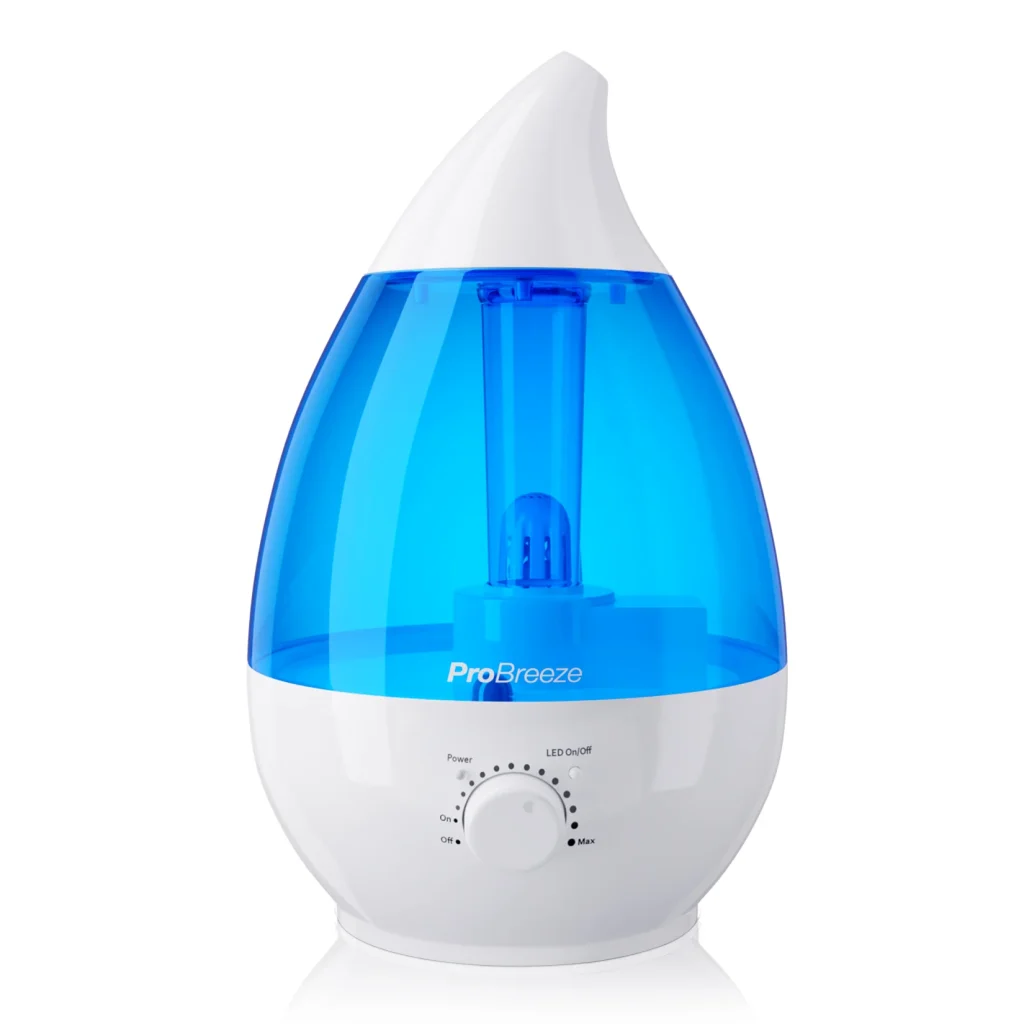
Quick Comparison
An ultrasonic humidifier is often better for quiet operation, while an evaporative humidifier may be better for people concerned about white mineral dust. The right choice depends on the model and your water supply.
If you have limited hand strength, check the tank design and cleaning steps before buying. A simple model that is easy to maintain may be more useful than one with many extra features.
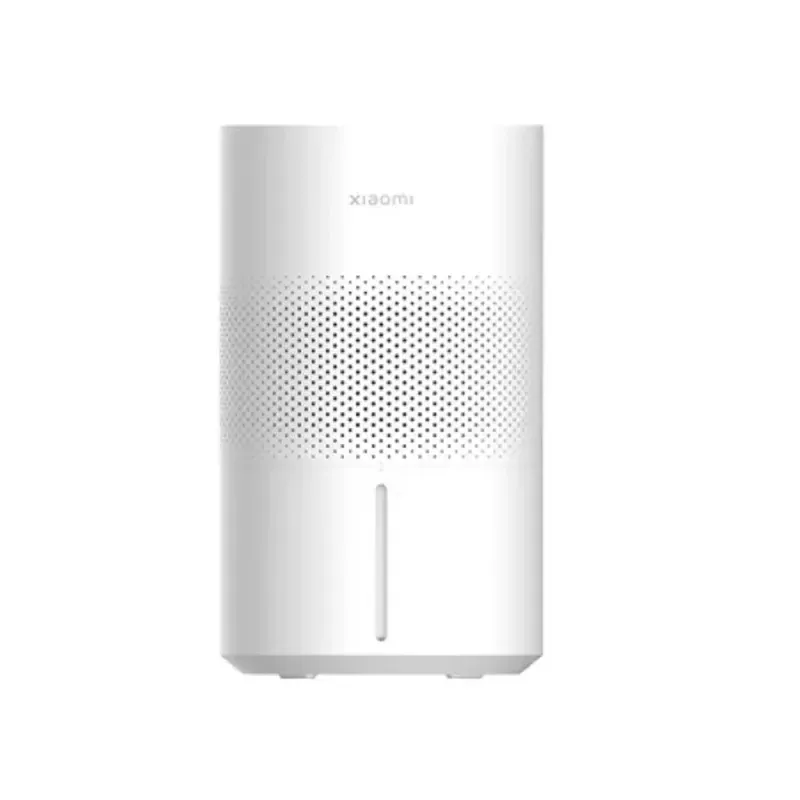
Ultrasonic vs Evaporative Humidifier at a Glance
These humidifiers perform the same basic job. Their main differences are how they release moisture and what maintenance they need.
| Feature | Ultrasonic | Evaporative |
|---|---|---|
| How it works | Uses high-frequency vibrations | Uses a fan and a wet wick or filter |
| Noise | Often very quiet | Fan creates some noise |
| White mineral dust | More likely with mineral-rich water | Usually less likely |
| Filter | Often filter-free, but varies | Usually needs a wick or filter |
| Cleaning | Tank and internal parts need care | Tank, base, and wick area need care |
| Running costs | May need distilled water | May need replacement filters |
| Bedroom use | Good for quiet spaces | Suitable if fan noise is acceptable |
| Ease of use | Depends on tank and controls | Depends on filter access and design |
| Best fit | Quiet operation | Reduced mineral dispersal |
Ultrasonic Humidifier Review for Seniors
Ultrasonic humidifiers use vibrations to turn water into a fine mist. They are popular for bedrooms and other spaces where quiet operation matters.
For seniors who sleep lightly or prefer a calm room, this design can be appealing. Many models also have compact shapes and simple controls, although these features are not available on every unit.
Ease of Use
Look for a humidifier with a wide tank opening, a clear water-level indicator, and controls that are easy to read.
A top-fill model may be easier to refill than one that requires lifting and turning over a heavy water tank. However, check how the tank lid opens and whether the unit can be cleaned without awkward movements.
Key Strengths
- Often operates with very little noise.
- Many models are compact and easy to place on a bedside table.
- Some models offer simple controls and adjustable mist settings.
- Many designs do not require a traditional wick filter.
Potential Drawbacks
- Mineral-rich tap water can produce white dust on nearby surfaces.
- Regular cleaning is essential to keep the water tank fresh.
- Some models need distilled water or compatible demineralization cartridges.
- Mist may dampen nearby furniture if the unit is poorly placed or set too high.
Evaporative Humidifier Review for Seniors
Evaporative humidifiers use a fan to draw air through a wet wick or filter. Water evaporates into the air, while most minerals remain behind in the unit.
This design can be useful for households that want to limit visible mineral dust. However, the wick needs care and may require regular replacement.
Ease of Use
The main task is keeping the tank clean and the wick in good condition. Some models make this easy with removable tanks and accessible filter compartments.
Others require more effort to open, lift, or clean. Before buying, check whether the wick can be removed without much bending or force.
Key Strengths
- Generally releases less mineral material into the air than ultrasonic models.
- Does not create the same visible mist cloud.
- Can suit people who prefer using ordinary water, subject to the manufacturer’s instructions.
- Offers a practical option for regular home use.
Potential Drawbacks
- The fan produces noise that may bother light sleepers.
- Wicks or filters add replacement costs.
- Mineral deposits and dirt can collect inside the unit.
- Filter changes and cleaning may be difficult for people with limited dexterity.
Which Is Easier for Seniors to Use?
Ease of use depends more on the design than on the humidifier type alone. A large, awkward tank can make either model difficult to handle.
| Daily task | Ultrasonic | Evaporative |
|---|---|---|
| Quiet bedroom use | Often easier | Fan noise may be noticeable |
| Refilling water | Depends on tank design | Depends on tank design |
| Replacing parts | May be simpler | Wick changes add a task |
| Avoiding white dust | Needs more attention to water quality | Usually easier |
| Routine cleaning | Essential | Essential |
For someone with arthritis or limited grip strength, look for a top-fill tank, a secure but easy-to-open lid, and controls that do not require small finger movements.
A caregiver may also prefer a unit with easy access to the tank and few removable parts.
Performance Comparison
Both types add moisture to a room, but actual output depends on the model, room size, and operating settings.
Ultrasonic models create a visible cool mist. Evaporative models release moisture through a fan-driven process, so the added water is usually invisible.
Neither design is automatically more effective in every room. Compare the manufacturer’s recommended room coverage and moisture output rather than relying on the technology alone.
An ultrasonic model may be preferable when quiet operation is important. An evaporative model may be a better fit when minimizing airborne minerals is a priority.
Comfort, Accessibility, and Senior-Friendly Design
A good humidifier should fit easily into your daily routine.
Check these features before choosing:
- Easy controls: Large buttons and clear labels help reduce confusion.
- Simple filling: A top-fill tank may reduce lifting and twisting.
- Easy cleaning: Wide openings make it easier to reach inside the tank.
- Stable placement: A firm, level surface helps prevent spills.
- Automatic shutoff: This can stop operation when the water runs low, if the model includes it.
- Clear maintenance instructions: Simple instructions make daily care easier.
Do not assume that every older adult needs the same features. Someone who sleeps lightly may value quiet operation, while someone who wants fewer replacement parts may prefer a different design.
Features Comparison
Extra features can improve convenience, but they are not always worth paying more for.
| Feature | Ultrasonic | Evaporative |
|---|---|---|
| Adjustable output | Common on many models | Common on many models |
| Humidistat | Available on some models | Available on some models |
| Automatic shutoff | Model-dependent | Model-dependent |
| Night mode | Available on some models | Available on some models |
| Replacement parts | May include cartridges | Usually includes a wick or filter |
| Visible mist | Usually yes | No visible mist cloud |
A built-in humidistat can help maintain a chosen humidity level. However, you should still monitor room conditions and follow the manufacturer’s guidance.
Price, Maintenance, and Long-Term Value
The purchase price tells only part of the story. Water, cleaning supplies, and replacement parts can affect long-term costs.
| Cost factor | Ultrasonic | Evaporative |
|---|---|---|
| Initial cost | Varies by model | Varies by model |
| Water | Distilled water may be useful | Follow the model’s water instructions |
| Filters | Often no wick filter | Wick replacement is usually needed |
| Cleaning | Regular cleaning is required | Regular cleaning is required |
| Long-term value | Depends on water and upkeep costs | Depends on filter and upkeep costs |
An ultrasonic model may cost less to maintain if it works well with your water supply and does not require frequent cartridge replacement. An evaporative model may offer better value if reducing mineral dust is important to you.
Compare the cost of replacement filters and recommended cleaning supplies before making a decision.
Who Should Choose an Ultrasonic Humidifier?
Choose an ultrasonic humidifier if:
- You want a quiet unit for a bedroom.
- You prefer a model without a traditional wick filter.
- You can clean the tank regularly.
- You are comfortable using distilled water when needed.
- You find a model with simple controls and an easy-fill design.
Who Should Choose an Evaporative Humidifier?
Choose an evaporative humidifier if:
- You want to reduce visible white mineral dust.
- You do not mind some fan noise.
- You can manage regular wick or filter replacement.
- You prefer a design that releases moisture without a visible mist cloud.
- You want to avoid the extra water costs that may come with an ultrasonic unit.
Ultrasonic vs Evaporative Humidifier — Final Verdict
There is no single winner for every senior. Each design has a different advantage.
- Best for quiet operation: Ultrasonic.
- Best for reducing mineral dust: Evaporative.
- Best for avoiding wick replacement: Many ultrasonic models.
- Best overall: Depends on your cleaning needs, water supply, and preferred noise level.
If you are a light sleeper, start by comparing quiet ultrasonic models. If white dust is a concern, an evaporative model may be the better fit.
Scoring Summary
A fair numerical score requires specific models and reliable specifications. Since this comparison covers two types rather than named products, assigning scores out of 10 would be misleading.
Instead, use these practical preferences:
| Buying priority | Preferred type |
|---|---|
| Quiet operation | Ultrasonic |
| Less visible mineral dust | Evaporative |
| No traditional wick filter | Many ultrasonic models |
| Willingness to replace filters | Evaporative |
| Simple daily care | Depends on the model |
How We Evaluate Products
This comparison focuses on factors that matter in everyday senior use, including noise, ease of filling, control design, cleaning, replacement parts, and long-term costs.
The recommendations are based on the general design of each humidifier type, not personal testing of specific products. Individual models may differ in important ways.
Senior-Specific Buying Considerations
Before buying, check a few practical details.
Physical Effort
Can you lift the water tank when it is full? Would a top-fill model reduce strain on your hands and back?
Controls
Choose clear labels and simple settings. A complicated app is not necessary if you only need basic humidity control.
Maintenance
Check how often the unit needs cleaning and whether the filter or wick is easy to remove.
Storage and Setup
Make sure the humidifier fits on a stable surface near a suitable power outlet. Avoid placing it where someone could trip over the cord.
Room Size
Choose a model rated for the room you plan to use. A larger unit is not always the best choice for a small bedroom.
Common Buying Mistakes
Avoid these mistakes when comparing humidifiers.
- Choosing based only on price: Ongoing filter and water costs also matter.
- Ignoring noise: Fan noise may disrupt sleep.
- Overlooking cleaning: Both types need regular care.
- Buying an awkward tank: Heavy or hard-to-open tanks can make daily use difficult.
- Ignoring water quality: Mineral-rich water can contribute to white dust in ultrasonic units.
- Choosing unnecessary features: Pay for functions you will actually use.
Safety and Proper Care
Humidifier maintenance matters because standing water can support microbial growth. The U.S. Environmental Protection Agency recommends emptying portable humidifiers daily, drying surfaces, and cleaning portable units about every three days, while following the manufacturer’s instructions. It also recommends keeping indoor relative humidity at or below 50% to help limit mold and dust mite growth.
For ultrasonic models, water with low mineral content can help reduce mineral dispersal. Follow the manufacturer’s instructions for water, cleaning agents, and replacement parts. Unplug the unit before cleaning, and do not allow nearby surfaces or flooring to become damp. <Cite refs={[“turn472351search0″,”turn472351search13”]}/>
If you notice respiratory symptoms that seem linked to humidifier use, stop using the unit and contact a healthcare professional.
Frequently Asked Questions
Is an ultrasonic humidifier better than an evaporative one?
An ultrasonic model is often better for quiet operation. An evaporative model may be better if you want to reduce visible mineral dust. The right choice depends on your priorities.
Which humidifier is quieter for sleeping?
Ultrasonic humidifiers are generally quieter because they do not rely on a fan to move air through a wet wick. Noise still varies by model.
Which humidifier produces less white dust?
Evaporative humidifiers generally disperse less mineral material into the air. Using distilled water in an ultrasonic model can also help reduce white dust.
Are ultrasonic humidifiers easier to clean?
Not always. Some have fewer replacement parts, but their tanks and internal surfaces still need regular cleaning. Compare the cleaning instructions for the specific models.
Which humidifier is better for seniors with arthritis?
Neither type is automatically better. Look for a light, easy-fill tank, a wide opening, simple controls, and parts that are easy to remove without twisting or squeezing.
How much humidity should I maintain indoors?
Aim to keep indoor relative humidity at or below 50%, and reduce the setting if condensation or dampness appears. A hygrometer can help you monitor the room.
Conclusion
The main difference between an ultrasonic vs evaporative humidifier is how each releases moisture. Ultrasonic models are often quieter, while evaporative models usually disperse less mineral dust.
For seniors, the best choice is one that is easy to fill, simple to clean, and affordable to maintain. Compare the actual tank design, noise level, and replacement costs before deciding. A well-maintained humidifier that suits your daily routine is a better choice than one with features you will rarely use.
