
Blood Pressure Monitor vs Smartwatch


Orthopedic Sandals
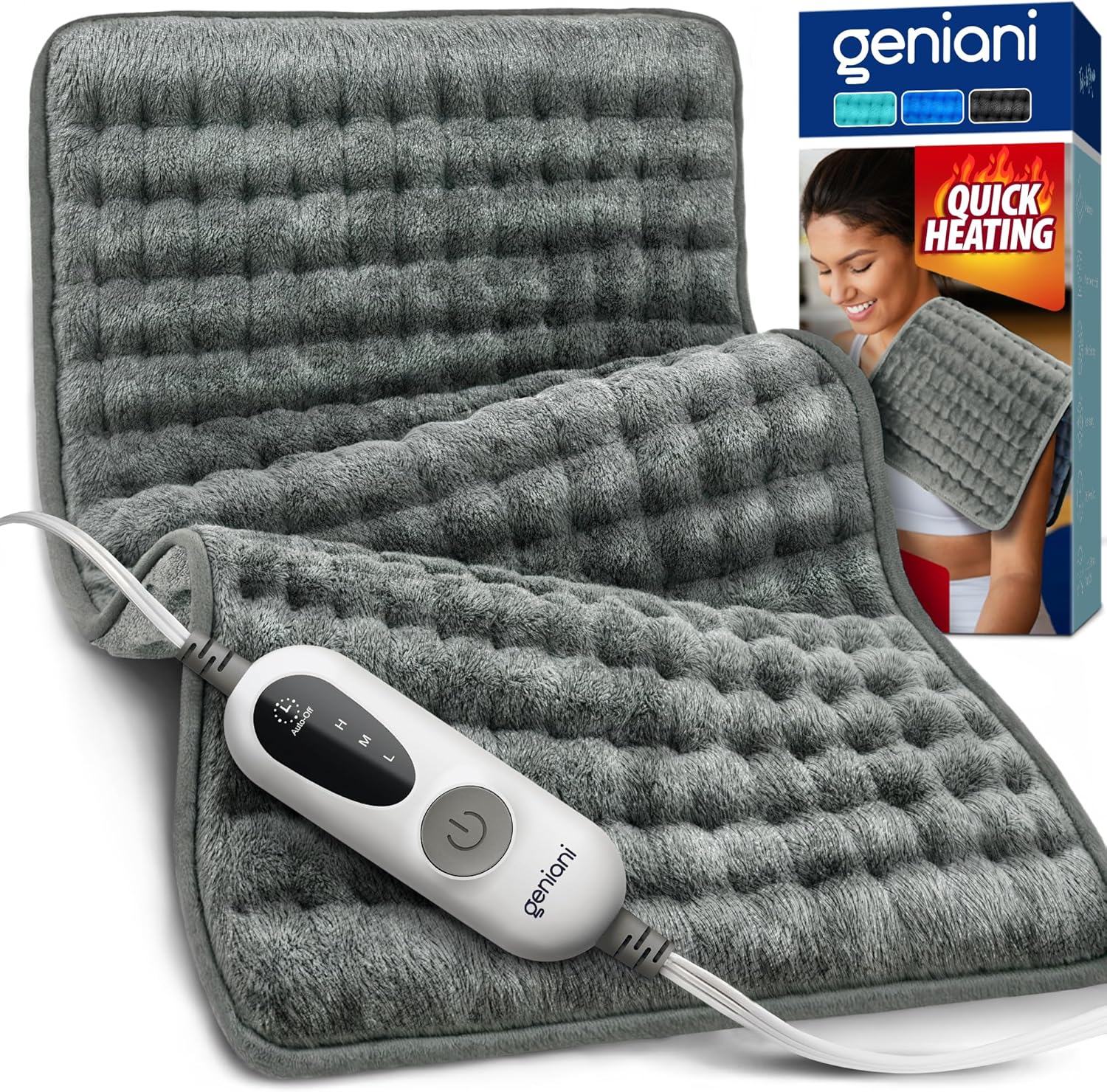
Electric Heating Pad

Folding Walking Stick with Seat
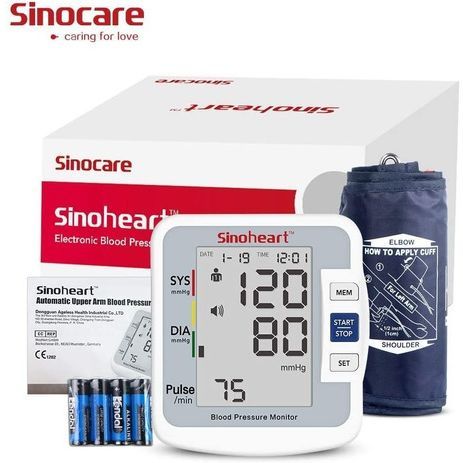
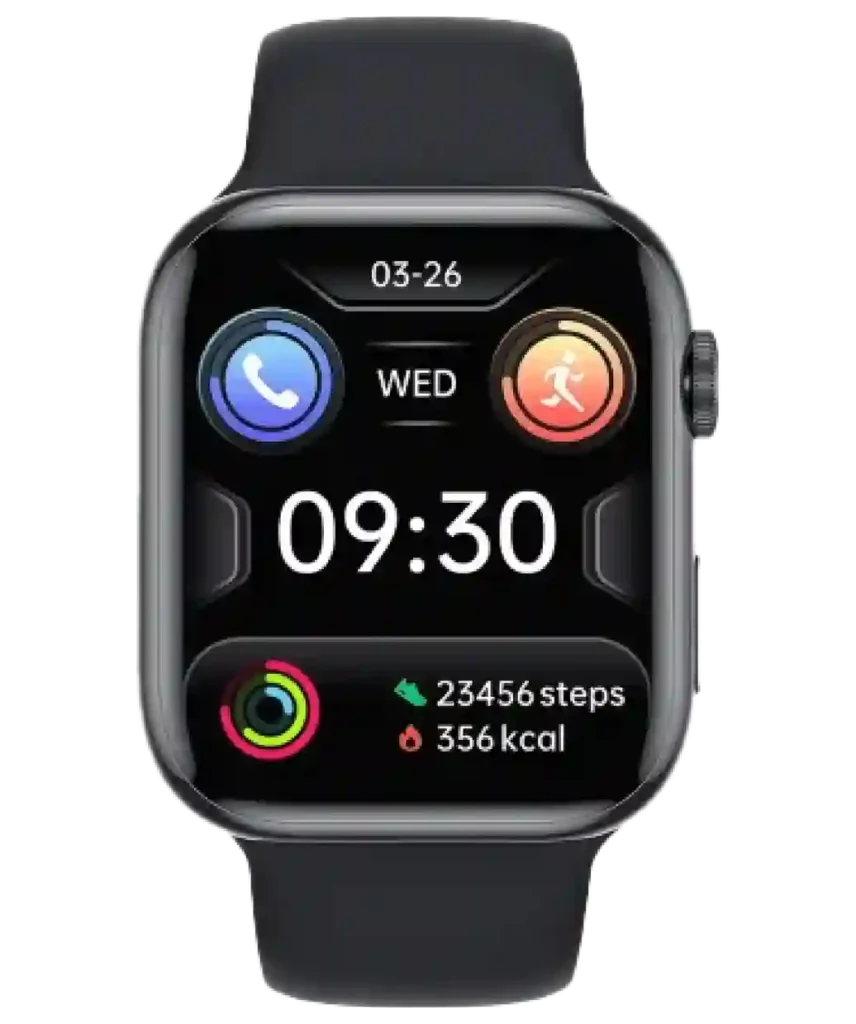
Blood Pressure Monitor vs Smartwatch is a useful comparison for seniors who want an easy way to track blood pressure. A traditional blood pressure monitor uses a cuff. A smartwatch may offer blood pressure features without a cuff.
The key difference is simple. A home blood pressure monitor is built to take a blood pressure reading. A smartwatch is mainly a wearable device with many health and fitness features. Current guidance does not support relying on cuffless wearables for accurate blood pressure decisions yet.
Quick Comparison
For seniors who need regular blood pressure readings, a validated upper-arm blood pressure monitor is the more suitable choice. The American Heart Association recommends an automatic, upper-arm cuff-style monitor for home use.
A smartwatch can still be useful for fitness, heart-rate tracking, notifications, and other daily health features. But its blood pressure feature should not be treated as a replacement for a validated cuff monitor. The FDA has also warned consumers about unauthorized wearable features that claim to measure or estimate blood pressure.
If accurate blood pressure readings matter for your care, use a validated monitor and follow proper measurement steps.
Blood Pressure Monitor vs Smartwatch At a Glance
The two devices serve different roles. One focuses on blood pressure measurement, while the other combines several wearable features.
| Feature | Blood Pressure Monitor | Smartwatch |
|---|---|---|
| Main purpose | Blood pressure measurement | Wearable health and smart features |
| Blood pressure method | Arm cuff on many home models | Cuffless technology on some models |
| Ease of reading BP | Simple, direct | Depends on model and feature |
| Other health features | Limited | Often many |
| Portability | Easy to carry, but larger | Worn on the wrist |
| Setup | Usually simple | May need phone/app setup |
| Ongoing use | Manual readings | Designed for daily wear |
| BP accuracy needs | Choose a validated model | Do not assume BP feature is validated |
| Best role | Home BP monitoring | General health and fitness tracking |
Why a Blood Pressure Monitor May Suit Seniors
A home blood pressure monitor is designed around one main task: measuring blood pressure. That focused design can make the purpose clear.
For home monitoring, the AHA recommends an automatic upper-arm cuff monitor. It also advises choosing a validated device and making sure the cuff fits the upper arm correctly.
Ease of Use
Many automatic monitors are simple to operate.
A senior usually places the cuff on the upper arm, sits quietly, and starts the measurement. The monitor then displays the reading.
The main challenge is correct positioning. The arm should be supported at heart level, and the cuff should be placed on bare skin. The user should also rest quietly before taking the reading.
Key Strengths
- Designed specifically for blood pressure checks
- Clear purpose and simple operation
- Upper-arm models are recommended for home use
- Many models store previous readings
- Some models connect to smartphone apps
- Validated models can provide more confidence in the reading
Potential Drawbacks
- Requires putting on a cuff
- Takes more effort than simply wearing a watch
- Needs proper positioning for a good reading
- Usually offers fewer general health features
- Takes up more space than a smartwatch
Why a Smartwatch May Appeal to Seniors
A smartwatch can be convenient because it stays on the wrist. It can also provide several features in one small device.
Depending on the model, a smartwatch may track heart rate, activity, sleep, notifications, and other wellness data.
The problem comes when blood pressure becomes the main reason for using the watch. Cuffless blood pressure technology is still developing, and the AHA says many personal wearable devices have not been proven accurate or reliable enough for diagnosis or treatment decisions.
Ease of Use
The biggest advantage is convenience.
There is no traditional arm cuff to wrap around the arm. A watch can remain on the wrist during normal daily activities.
However, some blood pressure features may require calibration, an app, or specific procedures. The exact process also varies by device.
Key Strengths
- Comfortable for daily wear
- Very portable
- Useful for many health and fitness tasks
- Can provide notifications and reminders
- Often works with a smartphone
- May reduce the need to carry a separate device
Potential Drawbacks
- Blood pressure features vary by model
- Cuffless readings may not be suitable for medical decisions
- Some features may require calibration
- App setup can add complexity
- Unauthorized blood pressure features can create safety concerns
Which Is Easier for Seniors to Use?
For simple daily wear, a smartwatch may feel easier. It stays on the wrist and does not require a separate cuff.
For taking a dependable blood pressure reading at home, the blood pressure monitor has a clearer role.
The AHA recommends an automatic upper-arm monitor for home blood pressure monitoring. It also says wrist and finger monitors are less reliable and are not recommended for routine home use.
A senior with limited hand strength may find a cuff harder to position. A caregiver may help with setup. But a smartwatch can also create problems if the user needs to manage apps, calibration, charging, or small on-screen controls.
So the easier choice depends on the task.
| Need | More Practical Choice | Why |
|---|---|---|
| Regular BP checks | Blood pressure monitor | Designed for this task |
| Daily wearable use | Smartwatch | Stays on the wrist |
| Simple BP purpose | Blood pressure monitor | Fewer distractions |
| Fitness tracking | Smartwatch | More wearable features |
| Caregiver BP monitoring | Blood pressure monitor | Clear reading and procedure |
Performance Comparison
The most important performance question is not how many features a device has. It is whether the device can provide useful blood pressure information for the intended purpose.
A validated upper-arm monitor has a clear place in home blood pressure monitoring. The AHA recommends validated devices with a correctly sized cuff.
Smartwatch blood pressure technology is different. The AHA’s 2025 scientific statement says more research and standardized validation are needed before cuffless devices can be used to diagnose high blood pressure or guide treatment.
That makes the blood pressure monitor the more appropriate tool when the main goal is regular blood pressure measurement.
Comfort, Accessibility, and Senior-Friendly Design
Comfort matters, but accuracy matters too.
A smartwatch wins on portability. It is small and designed to stay on the wrist. A blood pressure monitor takes more space and requires a measurement routine.
Still, the cuff itself is not necessarily a major problem. The user can sit down, place the cuff correctly, and wait for the reading.
For seniors who have difficulty wrapping a cuff, a caregiver can help. A smartwatch may seem simpler, but its blood pressure feature should still be checked carefully before relying on it.
Features Comparison
The feature gap is much wider than the blood pressure measurement gap.
Smartwatches often include many functions. Blood pressure monitors tend to focus on the measurement process.
| Feature | Blood Pressure Monitor | Smartwatch |
|---|---|---|
| Blood pressure | Core function | Available only on some devices |
| Heart rate | Some models | Common feature |
| Activity tracking | Limited | Common feature |
| Notifications | Some connected models | Common feature |
| Sleep tracking | Limited or absent | Common feature |
| Smartphone connection | Some models | Common feature |
| Dedicated BP cuff | Yes on typical upper-arm models | No on cuffless models |
More features do not automatically make a device better for blood pressure monitoring.
Price, Maintenance, and Long-Term Value
Price varies by model, so it is better to compare the total role of each device than to focus only on the purchase price.
A basic blood pressure monitor can be a focused purchase. Some connected models add smartphone features and reading storage.
A smartwatch can provide many functions in one device. But the buyer may pay for features that have little to do with blood pressure.
For either option, check the device’s current specifications and support before buying. For a blood pressure monitor, also check whether the exact model is validated.
ValidateBP lists devices that have gone through its validation process. Its listings show details such as cuff range, device type, and population served.
Who Should Choose a Blood Pressure Monitor?
Choose a blood pressure monitor if:
- Regular blood pressure checks are the main goal.
- You want a dedicated device.
- You prefer a simple measurement process.
- You need readings to discuss with a healthcare professional.
- You want an upper-arm device recommended for home monitoring.
- You can use the cuff correctly or have caregiver help.
Who Should Choose a Smartwatch?
Choose a smartwatch if:
- You want a wearable device for many daily functions.
- Fitness and activity tracking are important.
- You want heart-rate and other wellness features.
- You value notifications and smartphone integration.
- Blood pressure is not the main reason for buying the device.
A smartwatch can complement a blood pressure monitor. It does not need to replace it.
Blood Pressure Monitor vs Smartwatch — Final Verdict
Best for regular blood pressure monitoring: Validated upper-arm blood pressure monitor.
Best for wearable health features: Smartwatch.
Best for a simple BP-focused setup: Blood pressure monitor.
Best for daily portability: Smartwatch.
Best for seniors who need dependable home BP readings: A validated upper-arm monitor is the more appropriate tool based on current guidance.
The important point is that these devices are not really direct substitutes. A blood pressure monitor is designed around measuring blood pressure. A smartwatch is designed around broader wearable features.
Scoring Summary
Because the two products have different purposes, a simple score should not suggest that a smartwatch is medically equivalent to a validated cuff monitor.
| Category | Blood Pressure Monitor | Smartwatch |
|---|---|---|
| BP-focused use | Strong | Limited by model |
| Daily portability | Moderate | Strong |
| General health features | Limited | Strong |
| Simple BP measurement | Strong | Model-dependent |
| Wearable convenience | Low | Strong |
| Medical BP suitability | Validated models preferred | Cuffless use needs caution |
How We Evaluate Products
For this comparison, the main factors are ease of use, accessibility, comfort, safety, measurement purpose, maintenance, and long-term practicality.
For health-related products, accuracy and validation matter more than a long feature list. We also avoid treating manufacturer claims as proof of clinical accuracy.
The comparison does not assume hands-on testing. It is based on available product information and current guidance from relevant health and regulatory sources.
Senior-Specific Buying Considerations
Before buying, focus on the features that affect real use.
Physical Effort
Check whether the user can place and remove the cuff without help. If not, consider whether a caregiver can assist.
Controls
Look for buttons and displays that are easy to understand. A simple device can be easier than a feature-heavy one.
Setup
Check whether the device requires a phone, app, account, or calibration.
Cuff Fit
Cuff size matters. A cuff that does not fit correctly can affect the reading. The AHA recommends measuring the upper arm and choosing the correct cuff size.
Storage
A blood pressure monitor needs a place to store the monitor and cuff. A smartwatch does not have this issue.
Safety
If blood pressure readings affect medical care, do not rely on an unauthorized wearable blood pressure feature. The FDA warns that inaccurate readings can lead to inappropriate decisions about care.
Common Buying Mistakes
Avoid these mistakes when comparing the two:
- Choosing a smartwatch only because it claims to measure blood pressure.
- Ignoring whether a blood pressure monitor is validated.
- Buying the wrong cuff size.
- Assuming more health features mean better BP measurement.
- Ignoring the setup needed for a smartwatch.
- Treating one blood pressure reading as the full picture.
The AHA recommends taking readings correctly and tracking results over time rather than relying on a single measurement.
Safety
Blood pressure is a health-sensitive topic, so accuracy matters.
The FDA issued a 2025 safety communication warning against unauthorized devices, including smartwatch and smart-ring software features that claim to measure or estimate blood pressure.
For home monitoring, follow the monitor’s instructions. The AHA recommends resting quietly for at least five minutes, keeping the arm supported at heart level, and taking multiple readings as directed.
If blood pressure readings are concerning or medical decisions depend on them, discuss the readings and the device with a healthcare professional.
Conclusion
Blood Pressure Monitor vs Smartwatch is less about choosing between two identical products and more about choosing the right tool for the job.
For seniors who need regular blood pressure readings, a validated automatic upper-arm monitor is the more appropriate option. A smartwatch can still be useful for fitness, heart rate, notifications, and other daily health features.
If blood pressure accuracy is the priority, start with a validated cuff monitor. If broader wearable features are the priority, a smartwatch may be a useful companion rather than a replacement.