
Heated Wrap vs Heating Pad: Which Is Better?


Button Hook Dressing Aid

Lightweight Aluminum Walker

Smart Digital Photo Frame
If you are comparing a Heated Wrap vs Heating Pad, the main choice is simple. A heated wrap is made to fit around part of the body, while a heating pad is usually a flat pad that rests on the area that needs warmth.
For seniors, the better choice often comes down to comfort and ease of use. A wrap can stay in place with less effort. A heating pad can offer a larger, more open heat area and may work well in many spots.
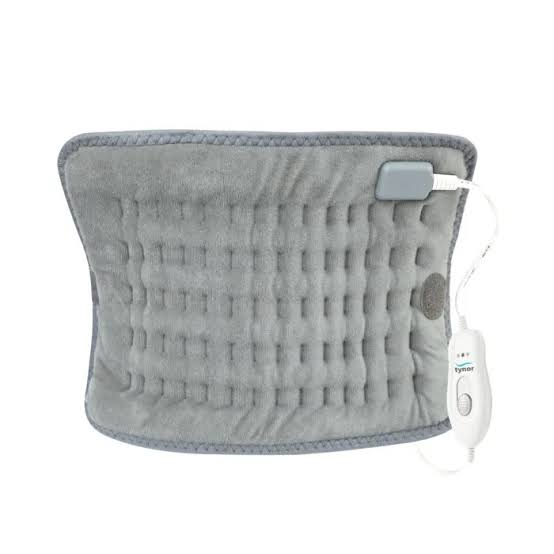
Quick Comparison
A heated wrap is often better for targeted use because it can fit around an area and stay in place.
A heating pad is often better for flexible use because it can be moved from one area to another.
The best choice depends less on heat alone and more on how easy the product is to place, use, and store.
Heated Wrap vs Heating Pad At a Glance
Both products can provide gentle heat, but their designs are quite different. This can affect daily use.
| Feature | Heated Wrap | Heating Pad |
|---|---|---|
| Fit | Wraps around an area | Flat surface |
| Heat area | More targeted | Often wider |
| Hands-free use | Often easier | May need repositioning |
| Portability | Often easy | Depends on size |
| Setup | Simple | Very simple |
| Flexibility | Made for certain areas | Can suit many areas |
| Best for | Targeted comfort | General use |
Heated Wrap Review for Senior Use
A heated wrap can be a good pick when the user wants heat in one clear area. Its shape helps keep the product close to the body.
Ease of Use
A wrap may be easier to place than a flat pad. It can often sit around the target area without needing much adjustment.
This can help users who prefer a simple setup.
The controls also matter. Large buttons and clear heat settings are useful. A simple control can be easier than a small or complex display.
Key Strengths
- Fits around a target area
- May stay in place well
- Can allow hands-free use
- Good for focused heat
- Often easy to carry
- Simple to store
Potential Drawbacks
- May fit only certain body areas
- Some wraps may feel tight
- The heat area can be smaller
- Cord placement may still be an issue
- Some designs may be harder to clean
The exact fit depends on the wrap design. A good fit should feel secure without feeling restrictive.
Heating Pad Review for Everyday Use
A heating pad is a simple and flexible option. Its flat design can make it useful for more than one body area.
Ease of Use
A heating pad usually needs little setup. Place it on the area, select a suitable heat setting, and use it as directed.
Its main drawback is movement. A flat pad may need to be adjusted if the user changes position.
For someone who wants a product that can be used in different ways, this flexibility can be useful.
Key Strengths
- Simple design
- Flexible placement
- Often covers a larger area
- Easy to move
- Useful for different body areas
- Usually simple to store
Potential Drawbacks
- May shift during use
- Can need frequent repositioning
- A larger pad may take more storage space
- Cord management can be less convenient
- Some controls may be small
Which Is Easier for Seniors to Use?
Ease of use can be the biggest difference between these products. A heated wrap may have an edge when staying in place matters.
A wrap can reduce the need to hold or reposition the product. This may be helpful for someone who wants a more hands-free setup.
A heating pad can be easier for another reason. It is not tied to one shape or body area.
For seniors who like simple products, both can work well. The better choice depends on the user’s routine.
| Senior Need | Better Choice | Why |
|---|---|---|
| Targeted use | Heated Wrap | Designed to fit an area |
| Easy repositioning | Heating Pad | Easy to move |
| Hands-free use | Heated Wrap | May stay in place |
| Multi-area use | Heating Pad | More flexible |
| Simple storage | Both | Depends on size |
Performance Comparison
Heat coverage is the key performance difference.
A heated wrap focuses heat on a specific area. This can be useful when the user does not need a large heating surface.
A heating pad can cover more space. Its flat shape also makes it easier to place over different areas.
Neither design is automatically better.
More heat coverage is not always better. The right coverage is the one that fits the user’s actual need.
Heat settings also matter. Multiple settings can offer more control, but too many buttons can make a product harder to use.
For seniors, simple controls are often more useful than a long list of settings.
Comfort, Accessibility, and Senior-Friendly Design
Comfort is not only about warmth. The product should also be easy to position and control.
A heated wrap may feel more secure because it follows the shape of the body. This can reduce the need for constant adjustment.
A heating pad can feel less restrictive. The user can move it or change its position without dealing with a wrap-style fit.
| Comfort Factor | Heated Wrap | Heating Pad |
|---|---|---|
| Secure fit | Strong | Moderate |
| Freedom to move | Depends on design | Good |
| Targeted comfort | Strong | Good |
| Position changes | May need adjustment | Easy |
| Hands-free use | Often better | Less convenient |
Users with limited hand strength may prefer simple controls and easy fastening. Users with limited mobility may also value a product that needs little repositioning.
These are personal needs, not rules for every older adult.
Features Comparison
The most useful features are those that make the product easier to control and use.
Look for clear controls, useful heat settings, comfortable materials, and simple care instructions.
| Feature | Heated Wrap | Heating Pad |
|---|---|---|
| Targeted shape | Yes | No |
| Flexible placement | Moderate | High |
| Heat settings | Varies by model | Varies by model |
| Controls | Varies by model | Varies by model |
| Hands-free design | Often | Less common |
| Cleaning | Depends on cover | Depends on cover |
Always check the instructions for the exact model. Features can vary widely between products.
Price, Maintenance, and Long-Term Value
Price can vary by size, design, controls, materials, and added features. A heated wrap may cost more when it has a specialized shape or extra controls.
A basic heating pad may offer better value for someone who wants one product for several areas.
Maintenance is also important. Check whether the cover can be cleaned and whether the electrical parts must stay dry.
| Cost Factor | Heated Wrap | Heating Pad |
|---|---|---|
| Initial cost | Varies | Varies |
| Cleaning | Model dependent | Model dependent |
| Storage | Usually compact | Depends on size |
| Replacement needs | Model dependent | Model dependent |
| Long-term value | Strong for targeted use | Strong for flexible use |
The cheaper option is not always the better value. A product that is easier to use may be worth more for daily use.
Who Should Choose a Heated Wrap?
A heated wrap may suit you if:
- You want targeted heat.
- You prefer a product that stays in place.
- Hands-free use matters.
- You want a compact option.
- You mainly use heat in one area.
- You prefer a fitted design.
A wrap makes the most sense when its shape matches the user’s needs.
Who Should Choose a Heating Pad?
A heating pad may suit you if:
- You want flexible placement.
- You plan to use it on different areas.
- You prefer a flat design.
- Easy repositioning matters.
- You want a simple product.
- You do not need a fitted wrap.
For general home use, the flexibility of a heating pad can be a strong advantage.
Heated Wrap vs Heating Pad — Final Verdict
There is no single winner for every senior.
Best for targeted use: Heated Wrap
Best for flexible use: Heating Pad
Best for hands-free use: Heated Wrap
Best for moving between areas: Heating Pad
Best value: Depends on how you plan to use it
A heated wrap is the better choice when fit and stability matter most. A heating pad is the better choice when flexibility matters more.
Scoring Summary
These scores are general design-based comparisons, not laboratory test results. Exact products can differ.
| Category | Heated Wrap | Heating Pad |
|---|---|---|
| Ease of Use | 9/10 | 9/10 |
| Senior-Friendly Design | 9/10 | 8/10 |
| Flexibility | 7/10 | 10/10 |
| Targeted Use | 10/10 | 8/10 |
| Maintenance | 8/10 | 8/10 |
| Value | 9/10 | 9/10 |
How We Evaluate Products
This comparison focuses on practical factors that can matter to older adults.
The main areas include:
- Ease of use
- Comfort
- Accessibility
- Heat control
- Safety
- Maintenance
- Storage
- Flexibility
- Long-term value
The goal is not to reward the product with the most features. The goal is to find the design that best fits the user’s daily needs.
Senior-Specific Buying Considerations
A few simple checks can make the choice easier.
Physical Effort
Think about how much effort is needed to place, remove, or adjust the product.
A wrap may reduce repositioning. A pad may be easier to move.
Controls
Look for large, clear controls. Avoid a complicated setup if simple operation is more useful.
Maintenance
Check the cleaning instructions before buying. Some products have removable covers, while others require more care.
Storage
Consider where the product will live between uses. A compact wrap can be easy to store, while a large pad may need more space.
Safety
Heat products need careful use. Follow the manufacturer’s instructions.
Do not use a heated product while sleeping unless the manufacturer specifically says it is designed and safe for that use. Avoid using damaged cords or damaged heating elements.
If someone has reduced heat sensation or another condition that affects safe heat use, it is wise to ask a healthcare professional before using a heated product.
Common Buying Mistakes
Avoid these simple mistakes when choosing between the two:
- Choosing only by price
- Ignoring the product’s size
- Overlooking control design
- Forgetting about cord placement
- Buying more features than needed
- Ignoring cleaning instructions
The best product is the one that fits the user’s real routine.
Safety
Both products use heat and electricity, so safe use matters.
Always follow the instructions supplied with the exact product. Inspect the cord and heating area before use.
Do not fold or bunch a heating product unless the manufacturer says it is safe to do so. Keep the product away from water and use the correct power source.
Stop using it if you notice damage, unusual smells, overheating, or other signs of a problem.
Conclusion
The main difference between a Heated Wrap vs Heating Pad is the design. A wrap offers targeted heat and may stay in place better. A heating pad offers more flexible placement and can work across different areas.
For seniors, the right choice comes down to comfort, control, fit, and daily routine. Choose the heated wrap when secure, targeted use matters most. Choose the heating pad when flexibility and easy repositioning matter more.
