
Treadmill vs Exercise Bike: Best Senior Guide


Large Button TV Remote

Kitchen Timer with Large Display

Easy Grip Knife Set
Choosing between a treadmill vs exercise bike is a major step when setting up a safe, comfortable home workout space. Both machines help keep your heart strong, but they offer very different physical experiences for older adults.
Deciding which one fits your daily life means looking closely at your joints, balance, and available floor space. This guide explores which option makes the most sense for your personal comfort, mobility, and long-term safety.
A treadmill is excellent for building bone density because it matches your natural walking motion. However, an exercise bike—especially a recumbent model—is much better for seniors with knee pain or minor balance issues. The bike easily wins for low-impact safety, while the treadmill wins for a full-body, weight-bearing workout.
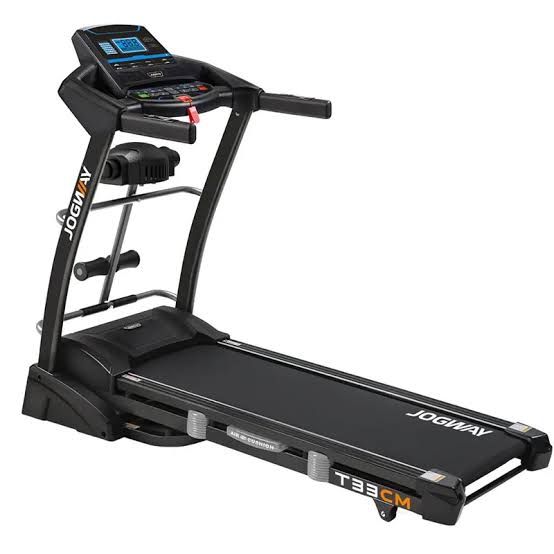
Treadmill vs Exercise Bike At A Glance
Here is a quick look at how these two popular fitness machines compare on key daily factors. We focus on the features that matter most to older adults.
| Feature | Treadmill | Exercise Bike |
| Joint Impact | Moderate to High | Very Low |
| Balance Required | High | Low |
| Space Needed | Large | Compact |
Home Treadmills for Seniors Evaluated
Treadmills allow you to walk indoors safely, regardless of the weather outside. They keep you moving in a natural way that mimics your daily walking routine.
Ease of Use
Most modern treadmills feature a simple start button and easy speed dials. You step on, press the start button, and begin walking at your own comfortable pace.
Key Strengths
- Builds bone density through weight-bearing movement.
- Burns calories efficiently with a full-body motion.
- Mimics natural walking, which supports everyday mobility.
- Offers padded decks that are softer than concrete sidewalks.
Potential Drawbacks
- Requires good natural balance to use safely.
- Places higher impact on knees, hips, and ankles.
- Takes up a significant amount of floor space.
- The moving belt can be a fall hazard if you become dizzy.
Exercise Bikes for Seniors Evaluated
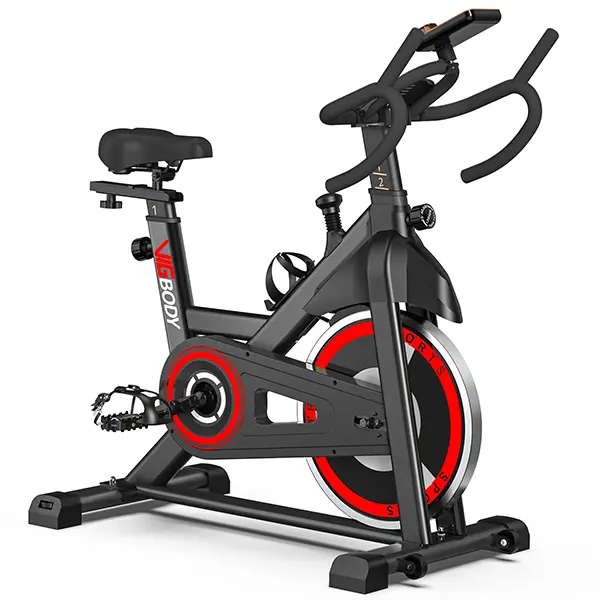
Exercise bikes provide a safe, seated way to boost your heart rate at home. They are a staple in physical therapy clinics for a very good reason.
Ease of Use
Getting on a bike requires a minor step over the center frame. Once seated, the controls are usually right at your fingertips, letting you adjust settings without watching your step.
Key Strengths
- Very gentle on aging joints, especially knees and hips.
- Zero risk of losing your balance while seated.
- Takes up much less room in your living room or bedroom.
- Allows you to stop instantly without waiting for a belt to slow down.
Potential Drawbacks
- Does not help build bone density as much as walking does.
- Seat cushions can sometimes feel stiff over long periods.
- Mounting tall upright models can be tricky for some users.
Which Is Easier for Seniors to Use?
The exercise bike is generally easier for most older adults to use safely on a daily basis. You can sit down, get comfortable, and pedal without worrying about keeping up with a moving surface.
A treadmill requires constant focus to stay centered on the belt. However, walking is a highly familiar motion, which may be easier for seniors who simply dislike the repetitive pedaling action of a bike.
Performance Comparison
Both machines excel at improving heart health, stamina, and daily energy levels. The treadmill pushes your whole body to work, which often burns calories at a slightly faster rate.
The bike isolates your leg muscles and removes your body weight from the equation. It allows you to pedal for a longer time if you tend to get tired or sore easily while standing.
Comfort, Accessibility, and Senior-Friendly Design
Recumbent exercise bikes offer a chair-like seat with a full backrest for support. This design is incredibly accessible and comfortable for seniors who struggle with lower back pain.
Treadmills lack a seat entirely, meaning you must support your own body weight. You must rely on handrails for balance, which can sometimes strain your shoulders if you lean on them too heavily.
Features Comparison
Modern models of both machines offer clear screens, heart rate monitors, and adjustable settings. Here is how their main practical features compare.
| Feature | Treadmills | Exercise Bikes |
| Safety Stop | Pull-cord safety key | Manual brake or stop button |
| Difficulty Control | Belt speed and incline | Magnetic pedaling resistance |
| Seating Support | None | Full seat with backrest options |
Price, Maintenance, and Long-Term Value
Treadmills are typically more expensive upfront and require regular maintenance to run smoothly. You must lubricate the belt periodically and ensure the motor stays free of dust.
Exercise bikes are highly affordable and require very little upkeep. With fewer moving parts and no heavy motor, a bike often provides better long-term value and fewer repair headaches.
Who Should Choose a Treadmill?
- Choose a treadmill if you have good balance and steady feet.
- Choose a treadmill if your doctor recommends weight-bearing exercise for bone health.
- Choose a treadmill if you want to prepare for outdoor walking or hiking.
- Choose a treadmill if you have plenty of dedicated floor space.
Who Should Choose an Exercise Bike?
- Choose a bike if you suffer from knee, hip, or lower back pain.
- Choose a bike if you have a fear of falling or experience dizzy spells.
- Choose a bike if you have limited space in your home.
- Choose a bike if you prefer a recumbent, chair-like seating position.
Final Verdict
Both machines offer excellent, proven ways to stay active in the comfort of your own home.
Best for most seniors: Exercise Bike
Best for bone health: Treadmill
Best value: Exercise Bike
Best for ease of use: Exercise Bike
Scoring Summary
We have broken down the core factors into a simple score to help guide your choice. These scores reflect the average daily needs of older adults.
| Category | Treadmill | Exercise Bike |
| Ease of Use | 7/10 | 9/10 |
| Joint Safety | 6/10 | 10/10 |
| Maintenance | 5/10 | 9/10 |
| Space Saving | 4/10 | 8/10 |
| Overall Value | 7/10 | 9/10 |
How We Evaluate Products
We focus strictly on the practical needs and daily realities of older adults. We look closely at joint impact, fall risks, simple controls, and overall physical comfort.
Our goal is to highlight machines that keep you safe while helping you stay active. We prioritize ease of use and accessibility over complex, flashy workout programs that most people never use.
Senior-Specific Buying Considerations
- Step-Up Height: Can you easily step onto the treadmill deck or over the bike frame without tripping?
- Control Visibility: Are the buttons large, bright, and easy to read without searching for reading glasses?
- Handrail Grip: Do the handles feel secure, sturdy, and comfortable in your hands?
- Emergency Stops: Is there an easy, obvious way to stop the machine quickly if you feel tired or unsteady?
Common Buying Mistakes
- Buying a treadmill without measuring your available floor space first.
- Choosing a tall upright bike instead of a much safer, lower recumbent bike.
- Ignoring the total weight of the machine, making it impossible to move later.
- Paying extra for expensive touchscreens that are too confusing to operate.
- Forgetting to check if the machine requires a special electrical outlet.
Safety
Safety is always the most critical factor when buying any fitness equipment. Treadmills carry a higher risk of falls because the belt keeps moving if you stumble or lose your balance.
“Always use the treadmill safety clip. If you lose your footing, the clip pulls free and stops the belt immediately.”
An exercise bike removes this specific fall hazard entirely. Because you remain seated the whole time, it is often the safest option for independent home workouts. If you have any medical conditions affecting your balance, please consult a healthcare professional before buying a treadmill.
Conclusion
Deciding between these two excellent machines comes down to your joints, your balance, and your daily comfort. A treadmill is ideal for sturdy walkers who want to keep their bones strong and enjoy a natural walking motion.
However, an exercise bike is often the safest, most comfortable choice for a gentle, low-impact routine. Evaluate your home space, consider your joint health, and choose the machine that makes you feel confident and secure.
