
Smartwatch vs Fitness Watch for Seniors


Bedside Commode Chair

Smart Doorbell Camera

Reading Light for Bed
A Smartwatch vs Fitness Watch choice can be hard for seniors because the two types can look very similar. Both can track steps, show activity data, and send useful alerts. But they are made for different needs.
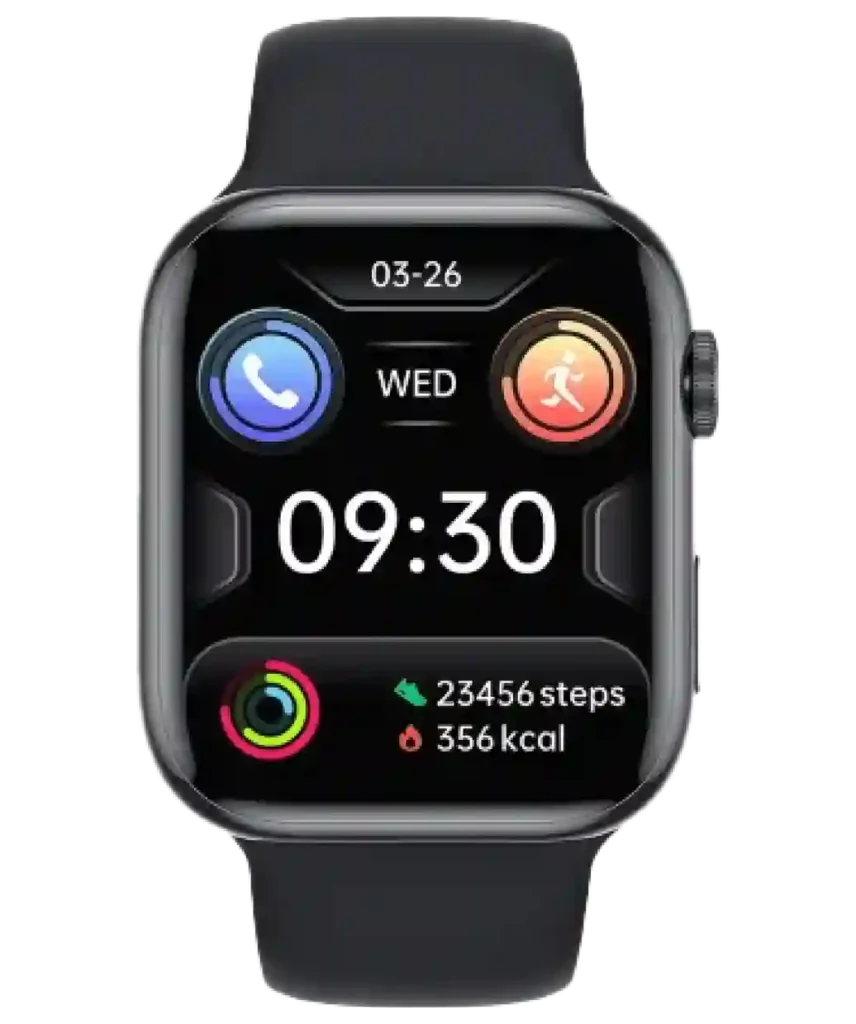
A smartwatch usually does more than track fitness. It may handle calls, texts, apps, payments, and other daily tasks. A fitness watch tends to focus more on activity, exercise, battery life, and simple health tracking.
The key question is not which type has more features. It is which type has the features you will actually use.
Quick Comparison
For most seniors who want one device for calls, alerts, apps, and activity tracking, a smartwatch may be the more useful choice.
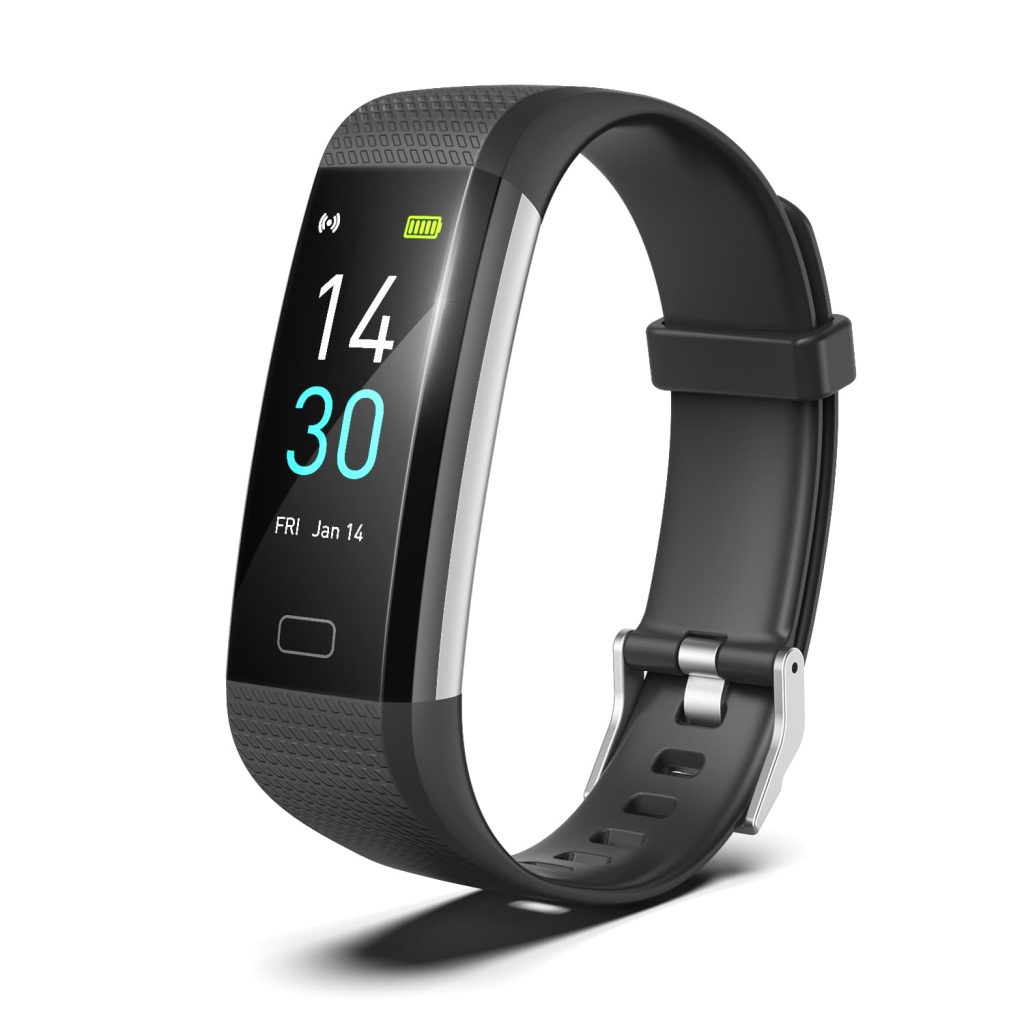
A fitness watch may suit seniors who mainly want activity tracking, longer battery life, and a simpler fitness-focused device.
The biggest difference is focus. A smartwatch is built for both smart features and fitness. A fitness watch puts fitness and activity first.
Smartwatch vs Fitness Watch At a Glance
The table below shows the main differences in simple terms.
| Feature | Smartwatch | Fitness Watch |
|---|---|---|
| Main focus | Daily smart features and fitness | Fitness and activity |
| Calls and messages | Often supported | Usually more limited |
| Apps | Usually more options | Usually fewer |
| Activity tracking | Yes | Yes |
| Fitness tools | Good to advanced | Often a major focus |
| Battery life | Often shorter | Often longer |
| Controls | Touchscreen and buttons may vary | Often simple controls |
| Notifications | Usually strong | Usually more limited |
| Daily use | Very broad | Fitness-focused |
Smartwatch Review for Senior Daily Use
A smartwatch can be a useful all-day device. It can combine activity tracking with alerts and other smart tools.
Ease of Use
The best smartwatch for a senior is not always the one with the most features. A clear screen and simple controls can matter more.
Many smartwatches use a touchscreen. Some also have physical buttons or a crown. These controls can help users move through menus.
However, more features can also mean more settings. A senior who wants simple step tracking may not need a large app library.
Key Strengths
- Combines fitness and smart features
- Can show calls and messages on some models
- Useful for daily notifications
- Often has a large range of apps
- Can provide many activity tools
- May reduce the need to check a phone
Potential Drawbacks
- More features can make setup harder
- Some models need frequent charging
- Touch controls may take time to learn
- Advanced models can cost more
- Some features depend on a compatible phone
Fitness Watch Review for Senior Activity Tracking
A fitness watch is built with activity in mind. This can make it a good fit for seniors who mainly want movement and exercise data.
Ease of Use
A fitness watch may have a more focused interface. Instead of placing many smart functions at the front, it may put steps, workouts, heart rate data, and other activity tools first.
This can make the device easier to understand for a user who does not need many phone-like features.
Still, simplicity varies by model. A fitness watch can also have many menus and settings.
Key Strengths
- Strong focus on activity tracking
- Often offers long battery life
- Useful for walking and exercise
- May have simple fitness-focused menus
- Can be a good fit for active users
Potential Drawbacks
- Smart features may be more limited
- App support can be narrower
- Calls and messages may not work like they do on a smartwatch
- Some advanced fitness tools may still take time to learn
- Phone compatibility can vary
Which Is Easier for Seniors to Use?
Ease of use depends more on the model than the product label.
A smartwatch may be easier for a senior who wants calls, messages, reminders, and activity data in one place. A fitness watch may be easier for someone who mainly wants steps and exercise data.
Screen size also matters. A larger, clear display may help users who find small text hard to read.
Charging is another point to check. A device that needs frequent charging may be less convenient for someone who wants to wear it all day and night.
| Usability Area | Smartwatch | Fitness Watch |
|---|---|---|
| Simple activity tracking | Good | Often very good |
| Smart alerts | Strong | More limited |
| Menu simplicity | Varies | Often more focused |
| Screen needs | Clear display is useful | Clear display is useful |
| Charging routine | May be more frequent | Often less frequent |
Performance Comparison
Both device types can track common activity data. The difference is how much fitness data and smart data each device puts at the center.
A smartwatch can work well for everyday activity. It may also provide workout tracking, heart rate data, and other health-related features.
A fitness watch often gives more attention to exercise. Some models offer detailed workout data, training tools, GPS, and longer battery life.
For simple walking, either type may work well. For regular training, a fitness-focused model may offer more tools.
For daily communication, the smartwatch usually has a broader role.
Comfort, Accessibility, and Senior-Friendly Design
A wearable should be comfortable enough to use every day. Weight, strap design, screen size, and controls all matter.
A large watch may be easier to read but may feel bulky on a smaller wrist. A smaller watch may feel lighter but can make text and controls harder to see.
Charging also affects daily comfort. A long battery can reduce the need to remove the watch.
For seniors with limited hand strength or dexterity, check the charging system and controls before buying. Small buttons and difficult charging connectors may be frustrating.
Simple controls are often more useful than a long list of advanced features.
Features Comparison
The right features depend on what the senior wants from the device.
| Feature | Smartwatch | Fitness Watch |
|---|---|---|
| Steps | Yes | Yes |
| Exercise tracking | Yes | Yes |
| Notifications | Usually broad | Usually focused |
| Calls | Often available on some models | Model dependent |
| Apps | Usually broader | Usually more limited |
| GPS | Common on many models | Common on many models |
| Battery focus | Moderate to strong | Often strong |
Price, Maintenance, and Long-Term Value
Price can vary greatly in both categories. A basic smartwatch may cost less than a high-end fitness watch, while premium smartwatches can cost much more.
Do not compare price alone. Check what features are included and what the user will actually use.
Battery life is also part of long-term value. A watch that lasts several days between charges may be easier to maintain than one that needs daily charging.
Check phone compatibility too. Some smartwatch features work only with certain phones or operating systems.
| Cost Factor | Smartwatch | Fitness Watch |
|---|---|---|
| Purchase cost | Wide range | Wide range |
| Charging needs | Often more frequent | Often less frequent |
| Accessories | Model dependent | Model dependent |
| Phone compatibility | Important | Important |
| Long-term value | Strong if smart features are used | Strong if fitness features are used |
Who Should Choose a Smartwatch?
Choose a smartwatch if:
- You want calls and alerts on your wrist.
- You want fitness tracking plus smart tools.
- You use many phone features each day.
- You want access to apps.
- You prefer one device for several daily tasks.
- You are comfortable learning more controls.
Who Should Choose a Fitness Watch?
Choose a fitness watch if:
- Activity tracking is your main goal.
- You want a fitness-first design.
- Longer battery life matters to you.
- You walk or exercise often.
- You do not need many smartwatch apps.
- You prefer fewer smart functions.
Smartwatch vs Fitness Watch — Final Verdict
A smartwatch and a fitness watch can both be useful for seniors, but they serve different needs.
A smartwatch makes more sense for someone who wants a broad daily device with activity tracking, alerts, and smart features. A fitness watch makes more sense for someone who mainly wants activity and exercise tracking with less focus on phone-style functions.
The best choice depends on the user’s routine. Think about the features that will be used every day, not the features that simply look impressive on a product page.
How We Evaluate Products
This comparison focuses on practical factors that can affect everyday senior use.
We look at:
- Ease of use
- Screen and controls
- Comfort
- Accessibility
- Activity features
- Smart features
- Battery needs
- Setup
- Maintenance
- Long-term value
No hands-on testing is claimed here. Product features can vary by model and generation.
Senior-Specific Buying Considerations
Before choosing a watch, check these points.
Physical Effort
Look for a strap and charging system that are easy to handle. Small parts may be harder to use for some people.
Controls
Check whether the buttons, touchscreen, menus, and text are easy to understand.
Battery
Think about how often the watch must be charged. A longer battery can make daily use simpler.
Setup
Check whether the watch needs a phone, an app, an account, or extra setup.
Safety
Do not assume that a smartwatch or fitness watch is a medical device. Health-related features can vary by model and may not replace professional medical advice.
Common Buying Mistakes
Avoid these common mistakes:
- Choosing based only on the number of features
- Ignoring screen readability
- Forgetting battery needs
- Buying a watch without checking phone compatibility
- Paying for features that will not be used
- Ignoring the charging system
- Choosing a bulky design without considering comfort
Frequently Asked Questions
Is a smartwatch better than a fitness watch for seniors?
It depends on the user’s needs. A smartwatch may suit someone who wants smart features and fitness tracking. A fitness watch may suit someone focused mainly on activity.
Which has better battery life?
Fitness watches often focus more on battery life, but actual battery performance varies by model, settings, and use.
Can seniors use a smartwatch for walking?
Yes. Smartwatches can provide activity and workout tracking. The exact tools depend on the model.
Is a fitness watch easier to use?
It can be, especially for users who want a focused activity device. However, ease of use varies between models.
Should seniors choose a large watch?
A larger screen may make text and controls easier to see. But size and weight should still feel comfortable.
Does a smartwatch replace a medical device?
Not necessarily. Health features vary by device and should not automatically be treated as a replacement for a medical device or professional advice.
Conclusion
The main difference in Smartwatch vs Fitness Watch is focus. A smartwatch combines fitness with broader smart functions, while a fitness watch puts activity and exercise closer to the center.
For seniors, the better choice is the one that fits the daily routine. Look at screen readability, controls, battery life, comfort, phone compatibility, and the features that will actually be used.
