
Sonic vs Oscillating Toothbrush: Which Is Better?


Digital Blood Pressure Monitor

Kitchen Timer with Large Display

Folding Walking Cane
Sonic vs Oscillating Toothbrush is a useful comparison if you want electric brushing but are unsure which cleaning action fits your daily routine. The two designs work in different ways, even though both can make brushing easier than a manual brush.
For seniors, the choice is not only about cleaning power. Grip, pressure control, brush head size, noise, charging, and replacement heads can make a bigger difference in daily use.
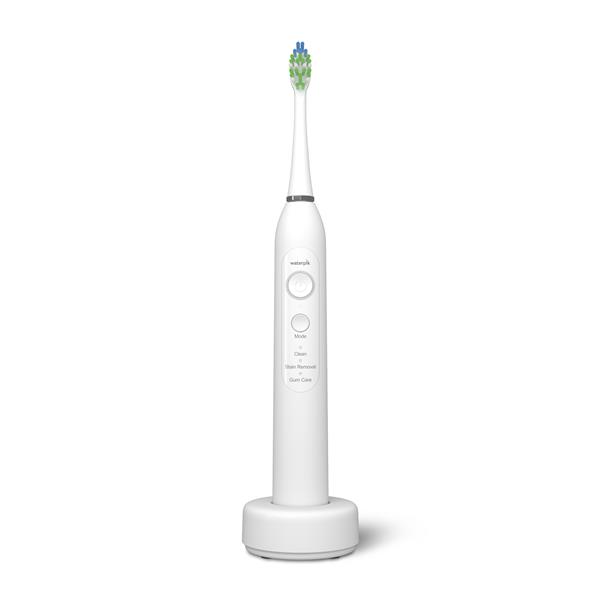
Quick Comparison
For most seniors who want the strongest evidence for plaque and gingivitis reduction, an oscillating-rotating toothbrush has a slight edge.
A sonic toothbrush may be the better fit if you prefer a wider brush head, a smooth vibrating feel, or a familiar sweeping motion. The best choice is the one you can use comfortably and correctly every day.
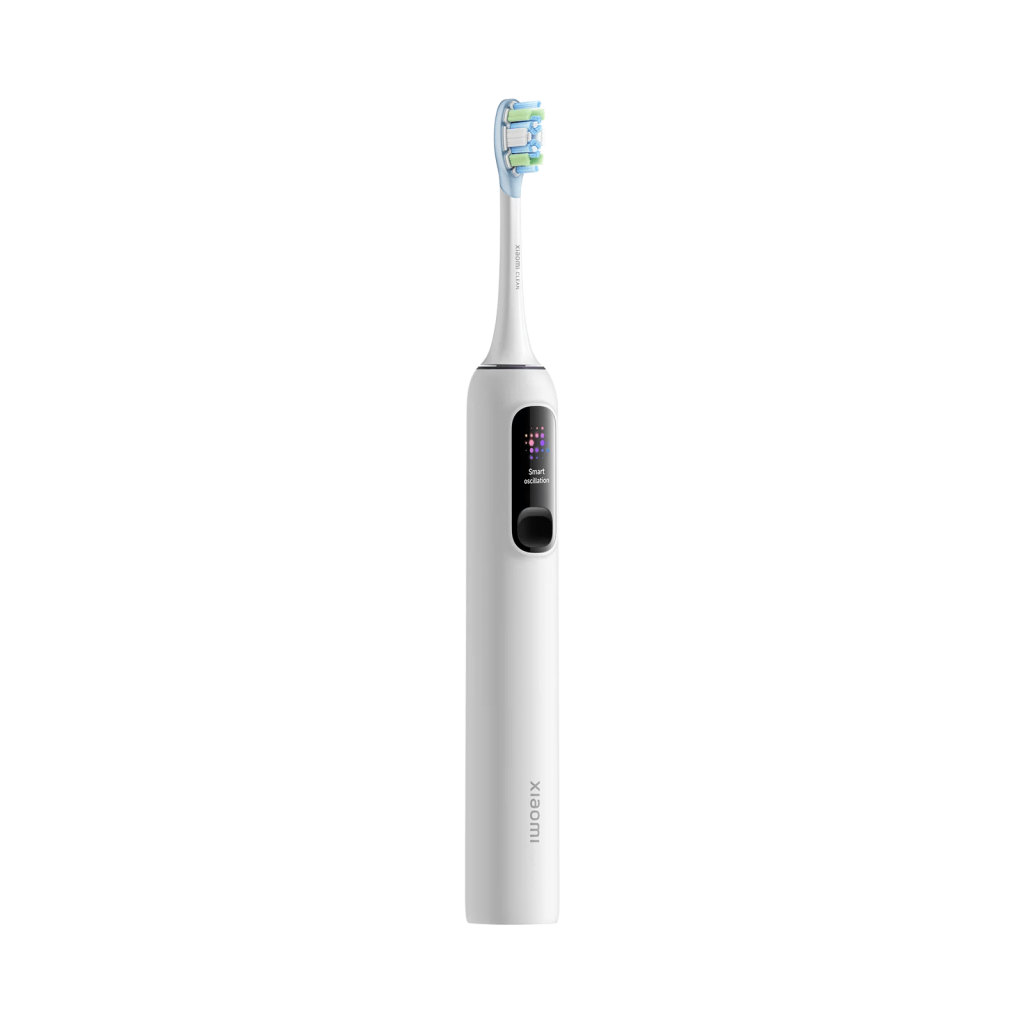
Sonic vs Oscillating Toothbrush At a Glance
The biggest difference is the movement of the brush head. Sonic brushes use very fast side-to-side vibration. Oscillating brushes use a small round head that moves back and forth, often with rotation.
| Feature | Sonic | Oscillating |
|---|---|---|
| Cleaning action | Fast sonic vibration | Back-and-forth rotation |
| Brush head | Usually longer | Usually small and round |
| Tooth-by-tooth use | Less focused | More focused |
| Ease of learning | Simple | Simple, but needs positioning |
| Pressure control | Available on many models | Available on many models |
| Senior usability | Very good | Very good |
| Overall cleaning evidence | Strong | Strong, with an edge in recent evidence |
Sonic Toothbrush Review for Seniors
A sonic toothbrush uses rapid vibration to move the bristles across the teeth and gumline. Many models also use timers and pressure sensors to make brushing easier to follow.
For seniors who like a gentle, smooth brushing feel, this design can be appealing.
Ease of Use
Sonic brushes are usually simple to operate. Press the power button, guide the brush around the mouth, and let the motor do most of the work.
Many models provide a timer. Some also divide brushing into short intervals so you know when to move to another part of your mouth.
A pressure sensor can also be useful. Some current sonic models warn you when you press too hard and may reduce vibration automatically.
Key Strengths
- Smooth, familiar brushing motion
- Long brush heads can cover several teeth
- Many models offer pressure sensors
- Timers can support consistent brushing
- Good choice for people who prefer gentle vibration
- Many replacement head options are available
Potential Drawbacks
- The longer head may feel less precise for some users
- Vibration can feel unusual at first
- Features vary greatly between models
- Premium models can become expensive
- Some replacement heads can add to long-term cost
Oscillating Toothbrush Review for Seniors
An oscillating-rotating toothbrush normally uses a small round head that moves back and forth. Some newer models also add micro-vibrations.
The small head is designed for tooth-by-tooth brushing. This can make it easier to focus on the front, back, and sides of individual teeth.
Ease of Use
The basic controls are usually simple. The main learning point is positioning.
Instead of moving the brush quickly across many teeth, you generally place the small head against a tooth area and move around the mouth in an organized way.
For someone who likes a very focused brushing method, this can work well.
Key Strengths
- Small round head supports tooth-by-tooth brushing
- Strong evidence for plaque and gingivitis reduction
- Pressure sensors are available on many models
- Easy to focus on individual teeth
- Useful for users who like a guided brushing routine
Potential Drawbacks
- The brushing sensation can feel stronger to some people
- Moving tooth by tooth may take a little practice
- Replacement heads can be more expensive on some ranges
- Advanced models may include features that some users do not need
Which Is Easier for Seniors to Use?
Both can be senior-friendly. The better option depends on how you prefer to brush.
A sonic toothbrush may feel easier if you prefer a broad, sweeping motion. An oscillating toothbrush may feel easier if you like to focus on one tooth area at a time.
Pressure control is especially useful. Brushing harder does not automatically mean brushing better. A model that gives clear pressure feedback may help users develop a gentler routine.
For someone with limited hand strength or dexterity, look for a handle that is easy to grip and buttons that are easy to identify. These details can matter more than having several brushing modes.
Performance Comparison
The two technologies are both effective electric brushing systems. The difference is in how they move the bristles.
Recent evidence has placed oscillating-rotating technology ahead of sonic technology in overall rankings for plaque and gingivitis reduction. However, this should not be treated as proof that every person will get better results with an oscillating brush.
For seniors, consistency matters. A sonic brush that feels comfortable and is used properly every day can be a better practical choice than an oscillating brush that feels awkward.
The best technology is not very useful if the brush is uncomfortable enough to stop you using it regularly.
Comfort, Accessibility, and Senior-Friendly Design
Comfort can decide this comparison more than raw cleaning performance.
A senior-friendly toothbrush should have a comfortable handle, simple controls, useful pressure feedback, and a charging system that does not create unnecessary fuss.
| Senior Need | Sonic | Oscillating |
|---|---|---|
| Comfortable grip | Depends on model | Depends on model |
| Simple controls | Usually available | Usually available |
| Pressure feedback | Common on many models | Common on many models |
| Precise brushing | Good | Excellent |
| Gentle options | Common | Common |
| Easy daily routine | Excellent | Excellent |
Neither technology should be judged only by age. Many older adults have excellent hand control and prefer a particular brushing style simply because it feels better.
Features Comparison
Features can make either type easier to use, but more features do not always mean a better toothbrush.
| Feature | Sonic | Oscillating |
|---|---|---|
| Timer | Common | Common |
| Pressure sensor | Available on many models | Available on many models |
| Multiple modes | Common on mid/high models | Common on mid/high models |
| App guidance | Available on some models | Available on some models |
| Sensitive settings | Available on many models | Available on many models |
A simple model with a timer and pressure sensor may be enough for many seniors. An expensive display, app, or large number of modes may not add much value if you want straightforward brushing.
Price, Maintenance, and Long-Term Value
The technology itself does not determine the final price. Entry-level and premium models are available in both categories.
The bigger long-term cost is often replacement brush heads. Check the price and availability of compatible heads before choosing a toothbrush.
Also consider charging. A brush that is easy to keep charged is less likely to become an inconvenience.
| Cost Factor | Sonic | Oscillating |
|---|---|---|
| Entry-level options | Available | Available |
| Premium options | Many | Many |
| Replacement heads | Recurring cost | Recurring cost |
| Maintenance | Low | Low |
| Long-term value | Depends on model | Depends on model |
Do not choose based only on the lowest purchase price. A slightly more expensive model may offer better pressure control, easier handling, or cheaper replacement heads.
Who Should Choose a Sonic Toothbrush?
- Choose sonic if you prefer a smooth vibrating sensation.
- Choose sonic if you like a longer brush head.
- Choose sonic if a broad brushing motion feels natural.
- Choose sonic if you want simple operation with useful guidance features.
- Choose sonic if comfort is more important to you than having the strongest evidence-based technology ranking.
Who Should Choose an Oscillating Toothbrush?
- Choose oscillating if you like focused tooth-by-tooth brushing.
- Choose it if plaque control is your top priority.
- Choose it if you prefer a small round brush head.
- Choose it if clear pressure feedback is important.
- Choose it if you are comfortable taking a little more care with brush positioning.
Sonic vs Oscillating Toothbrush — Final Verdict
Best for most seniors: Oscillating-rotating
Best for a smooth brushing feel: Sonic
Best for focused tooth-by-tooth brushing: Oscillating
Best for simple, broad brushing: Sonic
Best overall cleaning evidence: Oscillating-rotating
The overall evidence gives oscillating-rotating toothbrushes an advantage, but the gap should not be treated as a reason for everyone to switch. Comfort, correct technique, and regular use still matter.
Scoring Summary
These scores are practical editorial scores for senior usability. They are not clinical test scores.
| Category | Sonic | Oscillating |
|---|---|---|
| Ease of Use | 9/10 | 8.5/10 |
| Senior-Friendly Design | 9/10 | 9/10 |
| Performance Evidence | 8.5/10 | 9.5/10 |
| Maintenance | 9/10 | 9/10 |
| Overall Value | 8.5/10 | 9/10 |
How We Evaluate Products
The comparison focuses on the things that can affect everyday senior use.
We look at cleaning action, ease of operation, pressure control, comfort, accessibility, maintenance, replacement costs, and long-term practicality.
The goal is not to reward the toothbrush with the most features. It is to identify which design makes the most sense for different users.
Senior-Specific Buying Considerations
Physical Effort
Look for a handle that feels secure without requiring a tight grip. A comfortable shape can make daily brushing easier.
Controls
Large, simple buttons can be easier to manage than complicated controls. You may not need several brushing modes.
Pressure
A pressure sensor is worth considering if you tend to brush hard. It can provide useful feedback during brushing.
Maintenance
Check how easy it is to rinse the brush head and handle. Also check replacement-head availability before buying.
Storage
A stable charging base can make the daily routine simpler. Make sure there is enough space near the sink.
Setup
Choose a model that is easy to charge and operate. Extra app features are optional, not essential.
Common Buying Mistakes
- Choosing the most expensive model without needing its features
- Ignoring the cost of replacement brush heads
- Picking a brush that is uncomfortable to hold
- Assuming stronger vibration means better cleaning
- Ignoring pressure feedback
- Choosing based only on brand reputation
Safety
Electric toothbrushes are generally designed for routine home use, but follow the manufacturer’s instructions for charging, cleaning, and use.
Do not press the brush aggressively against the teeth or gums. If brushing causes persistent pain, bleeding, or another concerning symptom, discuss it with a dental professional rather than relying on a toothbrush feature to solve the problem.
Conclusion
Sonic and oscillating toothbrushes can both be good choices for seniors. Sonic models offer a smooth, broad brushing experience, while oscillating-rotating models provide focused tooth-by-tooth movement and currently have stronger evidence for plaque and gingivitis reduction.
If cleaning performance is your main priority, an oscillating-rotating toothbrush is the stronger choice. If comfort and a smooth brushing feel matter more, a sonic toothbrush may be the better everyday fit.
