
Social Distancing Activities for Senior Living

Medication Reminder Alarm

LED Magnifying Glass

Digital Blood Pressure Monitor
Social distancing doesn’t mean isolation. For seniors in care communities, meaningful engagement is essential—even when physical proximity isn’t possible. This article shares creative, safe, and uplifting social distancing activities for senior living that support mental health, cognitive function, and emotional well-being. From virtual book clubs to outdoor gardening projects, these ideas help residents stay connected, active, and happy during times of separation.

Key Takeaways
- Maintain emotional wellness: Social distancing activities reduce loneliness and depression by fostering connection and purpose among seniors.
- Adapt activities for accessibility: Choose low-impact, cognitively stimulating tasks that accommodate mobility, vision, or hearing challenges.
- Leverage technology wisely: Use video calls, digital photo albums, and online games to bridge the gap between residents and loved ones.
- Encourage routine and structure: Scheduled activities improve mood and cognitive health while providing a sense of normalcy.
- Involve families and volunteers: Engaging caregivers and community members strengthens social bonds safely.
- Promote physical activity gently: Chair exercises, stretching, and light movement keep seniors mobile and energized.
- Create intergenerational connections: Partnering with schools or youth groups offers fresh perspectives and joyful interactions.
📑 Table of Contents
- Introduction: More Than Just Distance—Keeping Seniors Connected
- Why Social Distancing Activities Matter for Seniors
- Top Virtual Activities to Combat Isolation
- Outdoor and Nature-Based Activities That Promote Safety and Joy
- Crafting and Creative Expression as Emotional Outlets
- Intergenerational Programs That Bring Joy Across Ages
- Technology Tips for Seamless Connectivity
- Creating a Culture of Compassion and Continuity
- Conclusion: Building Bridges, Not Barriers
- Frequently Asked Questions
Introduction: More Than Just Distance—Keeping Seniors Connected
In today’s world, especially during public health crises or seasonal transitions like winter months, social distancing has become a necessary practice—not just for physical safety, but also for the long-term health of older adults. For seniors living in independent or assisted living communities, prolonged separation from family, friends, and familiar routines can lead to feelings of loneliness, anxiety, and even depression. But here’s the good news: you don’t have to choose between safety and connection.
With thoughtful planning and creativity, social distancing activities for senior living can be both enriching and safe. These aren’t just busywork—they’re intentional experiences designed to nurture the mind, body, and spirit. Whether it’s through virtual storytelling, outdoor nature walks, or collaborative art projects, every activity should honor the dignity and individuality of each resident while respecting physical boundaries.
This guide explores practical, compassionate ways to keep seniors engaged, active, and emotionally fulfilled—no matter the distance. Let’s turn physical barriers into opportunities for deeper connection.
Why Social Distancing Activities Matter for Seniors
Loneliness among older adults is more common than you might think—and it’s not always obvious. According to recent studies, nearly one in four U.S. adults aged 65+ report feeling isolated regularly. When combined with reduced mobility, sensory changes, or loss of loved ones, this can significantly impact quality of life. That’s where social distancing activities for senior living come in: they serve as lifelines to emotional resilience.

Visual guide about Social Distancing Activities for Senior Living
Image source: jdisearch.com
The Mental Health Benefits of Purposeful Engagement
Even small moments of interaction can make a big difference. Research shows that regular participation in meaningful activities improves memory, reduces stress hormones, and enhances overall life satisfaction. When seniors feel useful, heard, or remembered, their self-worth rises—and that matters deeply.
Physical Wellness Through Gentle Movement
While many associate social distancing with staying indoors, there are still plenty of low-impact ways to stay active. Simple chair yoga, tai chi, or guided breathing exercises can boost circulation, maintain flexibility, and even improve sleep patterns. Plus, group settings—even virtually—add motivation and accountability.
Building Community Beyond Walls
A senior living community isn’t just about housing—it’s about belonging. By designing activities that encourage collaboration (like puzzle-solving or recipe sharing), staff help residents rebuild social networks without compromising safety. These shared experiences create lasting memories and foster a true sense of home.
Top Virtual Activities to Combat Isolation
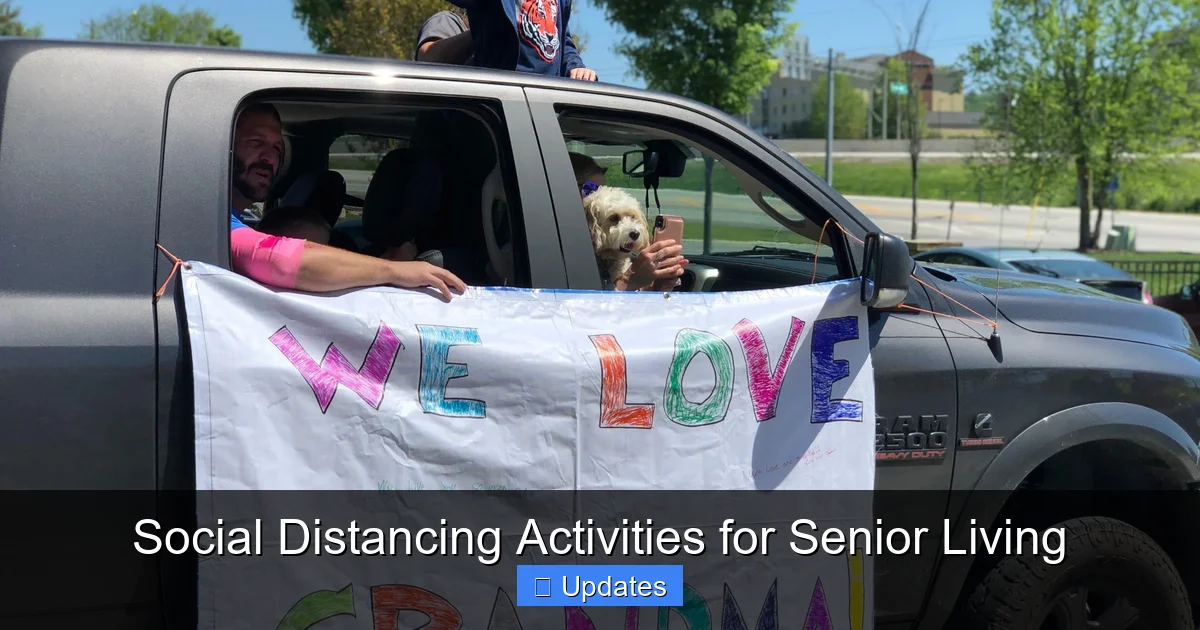
If your loved one lives in a facility with limited visitation, virtual platforms offer powerful tools to maintain closeness. With just a smartphone or tablet, seniors can join live events, watch performances, or simply chat face-to-face. Here are some tried-and-true options:
Visual guide about Social Distancing Activities for Senior Living
Image source: seniorlivingnews.com
Live Virtual Choirs or Music Sessions
Many organizations now host online singing groups tailored for seniors. Participants use headphones to listen to sheet music while following along on screen. It’s joyful, calming, and surprisingly easy! Local music therapists often lead these sessions—check with your community’s activity coordinator for schedules.
Digital Story Circles
Gather residents via Zoom or Google Meet for weekly story-sharing circles. Each person reads a favorite poem, short tale, or personal memory aloud. Others respond with reflections or questions. This builds empathy, sharpens listening skills, and reminds everyone they still have valuable voices.
Online Game Nights
From bingo to trivia, digital game nights keep minds sharp and spirits high. Platforms like Jackbox Games or Kahoot allow real-time multiplayer fun without complex setup. Bonus: families can drop in remotely to play together across miles!
Virtual Museum Tours
Explore the Louvre, the Smithsonian, or local botanical gardens from the comfort of a lounge chair. Many museums offer free guided tours specifically for seniors. Pair this with a themed snack (like French pastries for Paris!) to make it extra special.
Pro Tip: Always test tech devices beforehand. Enlist a family member or volunteer to walk through login steps with the resident so they feel confident joining in.
Outdoor and Nature-Based Activities That Promote Safety and Joy
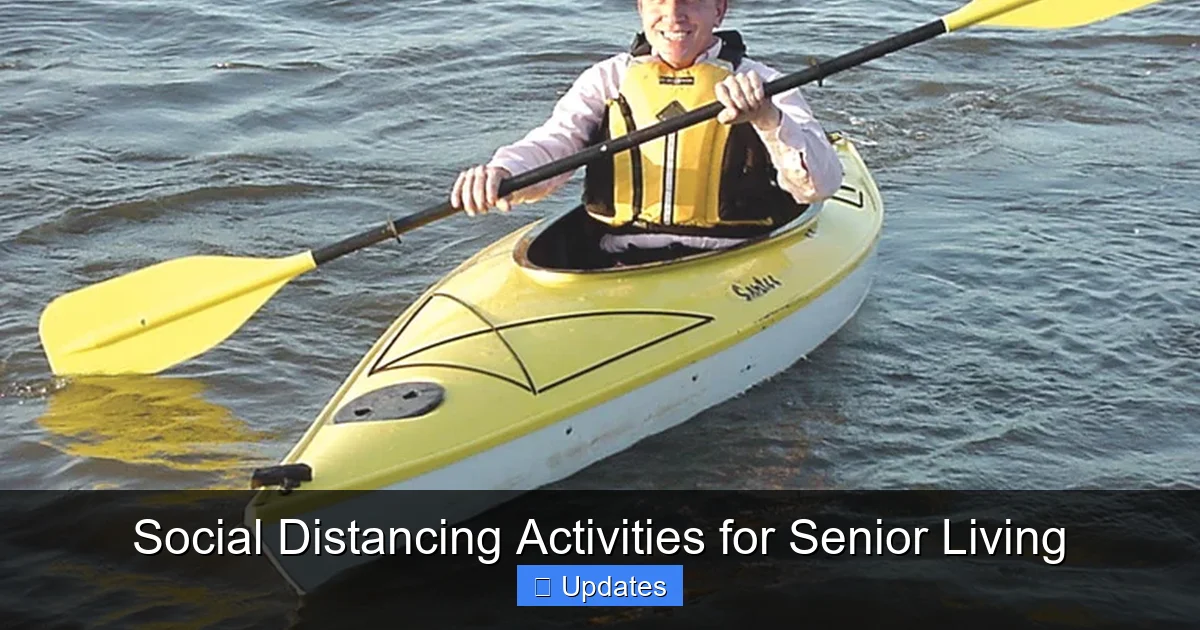
When weather permits, outdoor spaces provide natural sanctuaries for safe socialization. Fresh air, sunlight, and greenery do wonders for mood and vitamin D levels. Best of all, open areas allow for proper spacing while still enabling meaningful interaction.
Visual guide about Social Distancing Activities for Senior Living
Image source: seniornewsandliving.com
Staggered Garden Clubs
Organize weekly garden clubs where residents plant herbs, flowers, or vegetables in individual plots spaced six feet apart. Assign buddies to check on each other’s progress and exchange seeds or cuttings via mail. At the end of the season, host a “harvest celebration” with socially distanced picnic tables.
Birdwatching Buddies
Provide binoculars and bird guides for residents who enjoy nature. Encourage them to identify species in designated zones of the property and share observations during brief, spaced-out check-ins. This teaches patience, observation, and quiet joy.
Sidewalk Chalk Art Walks
Let imagination run wild! Residents can draw colorful pictures, inspirational quotes, or family photos on sidewalks using non-toxic chalk. Place markers at least six feet apart so others can admire the artwork safely. Display favorites in common areas afterward.
For communities with limited outdoor space, consider installing potted plants or vertical gardens near windows where residents can tend to greenery independently. Even watching fish swim in an aquarium provides soothing visual stimulation.
Crafting and Creative Expression as Emotional Outlets
Art has long been proven to heal—and crafting during challenging times gives seniors something beautiful to focus on. Whether they’re creating keepsakes or simply enjoying tactile sensations, hands-on projects reduce anxiety and spark pride.
Memory Box Collaborations
Ask each resident to contribute items representing their life journey: photos, ticket stubs, handwritten letters, or trinkets. Staff compile these into themed boxes (e.g., “Travel Adventures” or “Grandchildren’s Milestones”) and display them in common rooms. Later, host a “story hour” where residents describe their treasures.
Puzzle Challenges
Large jigsaw puzzles are excellent for teamwork and concentration. Assign smaller teams (2–3 people max) to work on separate sections of the same image. Once completed, assemble the whole puzzle in a central location for group viewing. Jigsaws improve problem-solving and hand-eye coordination too!
Scented Craft Kits
Include lavender sachets, cinnamon sticks, or vanilla extract in craft kits sent monthly to residents. Pair this with calming music playlists or aromatherapy diffusers in lounges. Smell is closely linked to memory—so these scents may evoke warm recollections.
Remember: choice is key. Offer multiple craft options each week—knitting, coloring books, origami, or even digital drawing apps—so everyone finds something they enjoy.
Intergenerational Programs That Bring Joy Across Ages
There’s magic in mixing generations. When schools, churches, or local nonprofits partner with senior living communities, mutual learning blossoms. Youngsters gain wisdom; seniors get renewed energy from seeing bright faces.
Pen Pal Projects
Match seniors with elementary school students for letter-writing exchanges. Topics might include favorite hobbies, dream vacations, or advice for staying healthy. Mail arrives weekly—a tangible reminder that someone cares.
Virtual Reading Buddies
High school volunteers read aloud to seniors via video call. Choose classic children’s books or historical fiction to spark discussion afterward. This supports literacy, listening skills, and cultural continuity.
Youth Volunteer Visits (with Protocols)
When safe, allow supervised visits where teens deliver meals, play board games, or assist with light chores. Maintain strict PPE protocols and limit group sizes. These brief but heartfelt encounters often become highlights of the week.
For communities interested in expanding outreach, consider launching a “Senior Mentor Program” where residents teach knitting, history, or cooking techniques to younger learners online.
Technology Tips for Seamless Connectivity
Not all seniors are tech-savvy—but most can learn with patience and support. Start simple: show them how to make video calls, send voice notes, or view family photos on a tablet. Reassure them that mistakes are okay; what matters is trying.
Preloaded Devices Are Lifesavers
Set up smartphones or iPads with large icons, high-contrast displays, and pre-loaded apps like FaceTime, WhatsApp, or Zoom. Include emergency contacts and step-by-step instructions written in clear font. A laminated cheat sheet nearby helps too.
Weekly Tech Check-Ins
Designate staff or volunteers to call residents every Monday to troubleshoot issues and confirm upcoming appointments. This builds trust and ensures no one gets left behind.
Family Training Sessions
Host short webinars for relatives explaining how to use messaging features, schedule calls, or share videos. Offer printed guides if preferred. When families feel equipped, participation increases dramatically.
Remember: consistency beats perfection. Even 10 minutes of daily connection can lift spirits more than hours of sporadic effort.
Creating a Culture of Compassion and Continuity
Ultimately, successful social distancing activities for senior living reflect respect, flexibility, and creativity. Every resident is unique—with preferences, abilities, and histories that shape what brings them joy. The best programs listen closely, adapt quickly, and celebrate small victories.
Personalized Activity Plans
Work with residents to design individualized agendas based on interests. One may thrive on crossword puzzles; another might prefer tending to houseplants. Rotate offerings weekly to keep things fresh.
Staff Empowerment Matters
Train caregivers to recognize signs of disengagement—frowning during calls, declining invitations—and respond with empathy. Sometimes, all someone needs is a gentle nudge or a new suggestion.
Family Communication Is Key
Keep relatives informed about available activities through newsletters or group chats. Invite them to suggest ideas or participate themselves. Shared ownership makes programs stick.
Measure What Matters
Track participation rates, mood surveys, and feedback forms to refine offerings. If an activity flops? Try again—maybe with a different format or time slot.
Above all, remember: connection isn’t measured in inches—it’s measured in hearts. With love and intention, distance becomes a bridge, not a wall.
Conclusion: Building Bridges, Not Barriers
In a world where physical separation feels inevitable, our mission must be clear: protect health without sacrificing humanity. Social distancing activities for senior living prove that joy, laughter, and belonging thrive even at a distance. Whether through a shared laugh over Zoom, the scent of blooming roses in a garden, or the thrill of completing a puzzle as a team, every moment counts.
As providers, families, and communities, we hold the power to transform isolation into inclusion. Let’s choose compassion over convenience, creativity over complacency, and connection over distance. After all, the golden years deserve nothing less than vibrant, purpose-filled days—filled with meaning, memory, and the quiet knowledge that they’re never alone.
Now go ahead—plan that virtual tea party, start that garden club, or schedule a pen pal match. Your efforts will echo far beyond today, shaping brighter tomorrows for the cherished elders in your care.
Frequently Asked Questions
Are virtual activities effective for reducing loneliness in seniors?
Yes, numerous studies confirm that regular video calls and interactive online events significantly lower feelings of isolation. They restore a sense of presence and belonging, which is crucial for emotional health.
How can I help my elderly parent join online activities if they’re not tech-savvy?
Start with hands-on training: sit with them, demonstrate once, then let them try under supervision. Use large-print instructions, pre-set devices, and patient encouragement. Most seniors pick it up quickly with support.
What types of outdoor activities work best for social distancing?
Activities like spaced-out walking paths, garden clubs, birdwatching, and chalk art walks allow close interaction while maintaining safe distances. Always follow local health guidelines regarding group size and duration.
Can intergenerational programs still happen safely during distancing periods?
Absolutely! Virtual pen pal programs, recorded storytelling sessions, and asynchronous art exchanges maintain connection without physical contact. When in-person visits occur, follow strict safety protocols.
How often should social distancing activities be offered?
Ideally, at least three times per week to maintain rhythm and anticipation. Consistency builds routine, which supports cognitive function and emotional stability in seniors.
What if a resident refuses to participate?
Respect their autonomy. Gently ask why they’re reluctant—sometimes it’s fatigue, pain, or grief. Offer alternatives or one-on-one options. Forcing engagement backfires; patience and understanding build trust over time.
Frequently Asked Questions
What is social distancing activities for senior living?
social distancing activities for senior living is an important topic with many practical applications.