
Shower Seat vs Bath Seat: Which?


Portable Radio with Large Buttons

Air Fryer for Easy Cooking

Puzzle Book for Seniors
For many older adults, a Shower Seat vs Bath Seat choice comes down to how the bathroom is used. Both can provide a place to sit while bathing, but they work in different spaces.
A shower seat is made for use inside a shower. A bath seat is made for use inside a bathtub. The right choice depends on the bathroom layout, how easy it is to get in and out, and how much support the user needs.
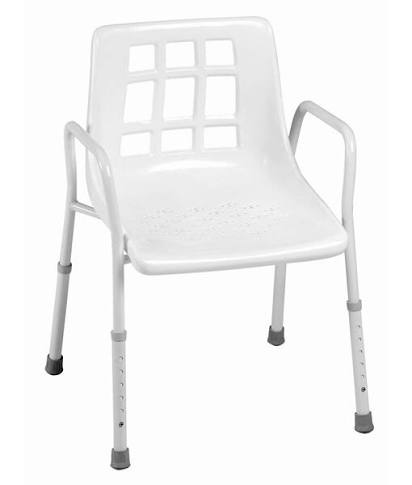
Quick Comparison
A shower seat is usually the simpler choice for a walk-in or step-free shower. It can reduce the need to stand for the full shower.
A bath seat can work well for someone who prefers bathing in a tub and can safely get into and out of the bathtub. The main challenge is the higher tub wall.
The bathroom layout matters more than the name of the product.
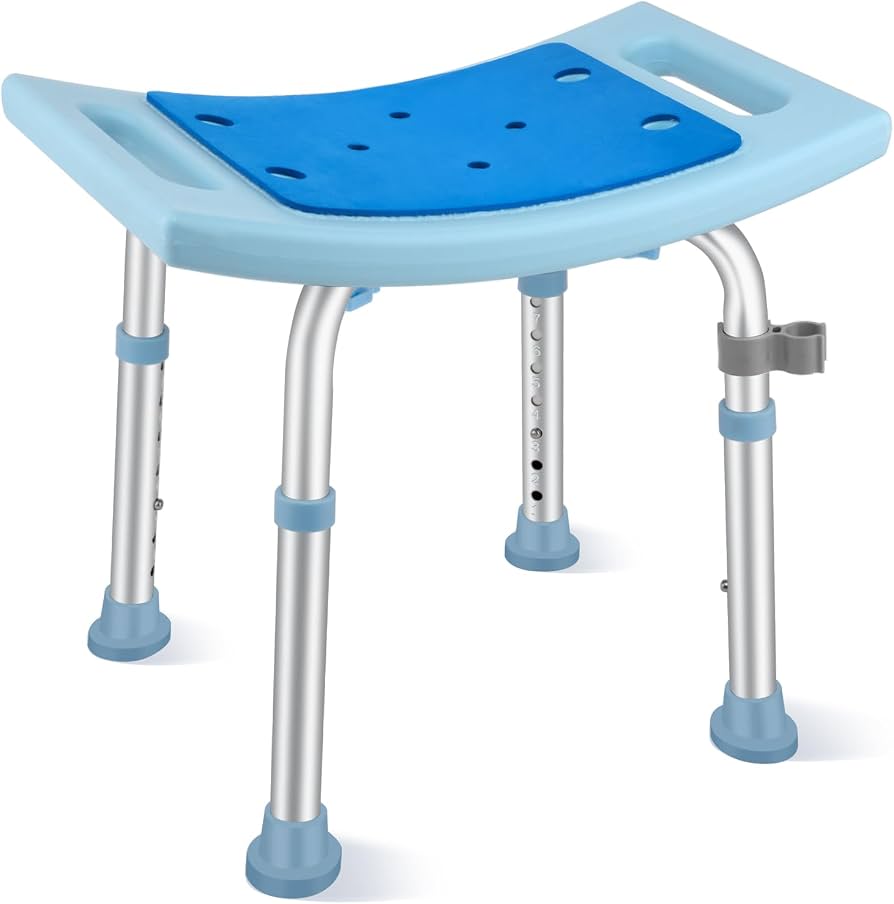
Shower Seat vs Bath Seat At a Glance
Both products let the user sit while bathing, but their setup and access are quite different.
| Feature | Shower Seat | Bath Seat |
|---|---|---|
| Main use | Inside a shower | Inside a bathtub |
| Standing time | Lower | Lower |
| Entry difficulty | Often easier | May require stepping over tub wall |
| Setup | Usually simple | Depends on tub design |
| Cleaning | Usually easy | Usually easy |
| Space | Needs shower floor space | Needs suitable tub space |
| Best fit | Walk-in showers | Bathtubs |
Shower Seat Review for Seniors
A shower seat can make a shower less tiring. The user can sit while washing instead of standing for the whole shower.
The main benefit is easy access when the shower has a suitable floor area and a safe entry.
Ease of Use
Most shower seats have a simple design. The user sits down before washing and can keep needed items within reach.
Look for:
- A stable base
- A suitable seat height
- A non-slip surface
- Easy-to-clean materials
- Armrests when extra support is needed
- A backrest when it adds comfort
A fixed seat may work well in a dedicated shower. A portable seat can be useful when more flexibility is needed.
Key Strengths
- Good for seated showers
- Can reduce standing time
- Simple to use
- Many models are easy to clean
- Some models are easy to move
- Can suit different shower layouts
Potential Drawbacks
- Takes up shower floor space
- May need careful placement
- A small shower can feel crowded
- The seat must be stable before use
Bath Seat Review for Seniors
A bath seat is designed for use inside a bathtub. It can allow the user to sit instead of lowering fully into the bottom of the tub.
This can be useful for someone who wants to continue using a bathtub but prefers a raised sitting position.
Ease of Use
The biggest factor is getting into the tub.
A bath seat does not remove the need to cross the tub wall unless the design is made for a different type of transfer. The user must consider the height of the tub and the space around it.
Before choosing one, check:
- Tub width
- Tub length
- Seat height
- Available leg space
- Seat stability
- Water drainage
- Ease of transfer
Key Strengths
- Allows seated bathing
- Can make a tub easier to use
- May provide a higher sitting position
- Useful for users who prefer baths
- Some designs are easy to remove
Potential Drawbacks
- Tub entry can still be difficult
- Not every seat fits every bathtub
- Installation may take more care
- The user may still need good balance for entry
- A poorly fitted seat can create a safety concern
Which Is Easier for Seniors to Use?
For many users, a shower seat is easier when the shower has a low or level entry.
The reason is simple. The user can often enter the shower, sit down, and begin bathing without climbing over a bathtub wall.
A bath seat can be easier for someone who already uses a bathtub comfortably. But the transfer into the tub remains an important part of the decision.
Consider a shower seat if:
- The bathroom has a walk-in shower.
- The user wants to reduce standing time.
- The shower has enough floor space.
- Easy entry is a priority.
Consider a bath seat if:
- The user prefers a bathtub.
- The tub is easy for the user to enter.
- The seat fits the tub correctly.
- Sitting in the tub is part of the user’s normal routine.
Performance Comparison
The performance of these products is less about power and more about stability, fit, and everyday usability.
A shower seat should stay stable on the shower floor. A bath seat should sit securely in the tub and provide a comfortable sitting position.
| Performance Area | Shower Seat | Bath Seat |
|---|---|---|
| Stability | Depends on floor and design | Depends on tub and design |
| Sitting comfort | Usually good for showers | Good for seated baths |
| Water drainage | Often designed for shower water | Depends on seat design |
| Entry | Usually easier in walk-in showers | Requires tub access |
| Space needs | Shower floor space | Tub space |
A good fit is more important than having extra features.
Comfort, Accessibility, and Senior-Friendly Design
Comfort matters because the seat may be used often. A hard, narrow, or unstable seat can make bathing less pleasant.
A shower seat may be a better fit when the user needs a simple seated shower. A bath seat may suit someone who prefers the tub and can enter it safely.
Look for:
- A comfortable seat height
- A stable base
- Rounded edges
- Easy-to-clean surfaces
- A useful seat width
- Supportive back or arms when needed
A simple seat that fits the bathroom well can be more useful than a feature-heavy seat that does not.
Features Comparison
The most useful features depend on the bathroom and the user’s needs.
| Feature | Shower Seat | Bath Seat |
|---|---|---|
| Backrest | Common on some models | Available on some models |
| Armrests | Available on some models | Available on some models |
| Height adjustment | Common on some models | Depends on design |
| Drainage | Important | Important |
| Non-slip feet | Important | Important |
| Portability | Often available | Depends on design |
Do not assume that every model has these features. Check the exact product before buying.
Price, Maintenance, and Long-Term Value
Both products are relatively simple compared with powered bathing equipment. Long-term value depends more on fit, durability, and ease of care than on having many features.
A lower-cost seat may be useful if it fits well and remains stable. A more expensive model may make sense if it offers useful height adjustment, better support, or a design that fits the user’s bathroom better.
For either product, check:
- Replacement parts
- Seat and frame materials
- Cleaning needs
- Weight capacity
- Warranty
- Fit with the bathroom
- Long-term durability
Avoid choosing only by price.
Who Should Choose a Shower Seat?
A shower seat may be a good fit for seniors who:
- Use a walk-in shower.
- Want to sit while showering.
- Prefer simple daily use.
- Want to reduce time spent standing.
- Have enough shower floor space.
- Need a seat that is easy to clean.
It is especially practical when shower entry is already easy.
Who Should Choose a Bath Seat?
A bath seat may be a better fit for seniors who:
- Prefer taking baths.
- Have a bathtub that fits the seat.
- Can safely enter and exit the tub.
- Want to sit higher inside the bathtub.
- Do not want to replace the bathtub with a shower.
The key point is that the bath seat does not automatically solve difficult tub entry.
Shower Seat vs Bath Seat — Final Verdict
For a bathroom with an accessible shower, a shower seat is often the more practical option for everyday seated bathing. It can make showering simpler without requiring the user to step over a bathtub wall.
A bath seat can be a good choice for someone who prefers a bathtub and can safely get in and out of it. It is less suitable when tub entry itself is already difficult.
The best choice depends on the bathroom, the user’s balance and mobility, and how the person prefers to bathe.
Scoring Summary
Scores below are broad category comparisons, not ratings of every product. Individual models can differ.
| Category | Shower Seat | Bath Seat |
|---|---|---|
| Ease of Use | 9/10 | 7/10 |
| Senior-Friendly Design | 9/10 | 7/10 |
| Everyday Practicality | 9/10 | 7/10 |
| Maintenance | 9/10 | 8/10 |
| Value | 9/10 | 8/10 |
The main difference comes from bathroom access. A bath seat can be useful, but the bathtub wall can make entry harder.
How We Evaluate Products
This comparison focuses on practical factors that can affect daily bathing.
We consider:
- Ease of use
- Bathroom access
- Stability
- Comfort
- Setup
- Cleaning
- Maintenance
- Space requirements
- Long-term practicality
- Senior-friendly design
No hands-on testing is assumed. Exact features can vary by model.
Senior-Specific Buying Considerations
Before choosing either seat, check the bathroom first.
Physical Effort
Think about the effort needed to enter, sit, stand, and leave the bathing area.
A bathtub may require more movement because of its raised wall.
Setup
Make sure the seat fits the available space. A seat that blocks the shower area or does not fit the tub may become difficult to use.
Controls and Reach
Keep soap, shampoo, and other items within easy reach. Avoid placing items where the user must twist or stretch too far.
Storage
If the seat will be removed after use, check whether there is a safe place to store it.
Safety
Check that the seat is stable before sitting. Follow the manufacturer’s weight limit and installation instructions.
A bath or shower floor can also become slippery. Good lighting and a clear bathing area can help reduce unnecessary hazards.
Common Buying Mistakes
Avoid these common mistakes when comparing a shower seat and bath seat:
- Choosing before measuring the bathroom
- Ignoring tub entry height
- Focusing only on price
- Forgetting the user’s sitting height
- Buying a seat that is too large for the space
- Ignoring the manufacturer’s weight limit
The right fit matters more than having the longest feature list.
Safety
Bathing areas can become slippery very quickly. The seat should be placed or installed exactly as the manufacturer recommends.
For a shower seat, check that the legs or mounting system are secure. For a bath seat, make sure the seat is correctly positioned and stable inside the tub.
Do not use a seat that feels loose, damaged, or unstable.
If the user has a significant mobility or balance concern, it can be useful to ask a healthcare professional or qualified bathroom-accessibility specialist which setup is appropriate.
Conclusion
The main difference in Shower Seat vs Bath Seat is where each product works and how the user enters the bathing area. A shower seat is usually easier to use in an accessible shower, while a bath seat can suit someone who prefers a bathtub.
For most everyday decisions, start with the bathroom layout. Then consider the user’s comfort, balance, strength, and preferred bathing style. A seat that fits both the user and the bathroom is usually more useful than one with extra features that are not needed.