
Senior Living in Tinley Park Il


Portable Radio with Large Buttons

Talking Clock

Large Display Clock with Date
Senior living in Tinley Park, IL offers a welcoming blend of affordability, convenience, and quality care for older adults. With easy access to major highways and downtown Chicago, residents enjoy both independence and peace of mind. From vibrant communities like Tinley Court Senior Living to nearby options in Orland Park and Joliet, families find supportive environments designed for comfort and wellness.
When you think of senior living in Tinley Park, IL, you might picture tree-lined streets, quiet neighborhoods, and a small-town feel just outside Chicago’s bustle. But what many don’t realize is that Tinley Park has quietly become a hub for high-quality senior living options — offering everything from cozy independent living apartments to full-service assisted living and memory care. Whether you’re helping a loved one transition into their next chapter or simply exploring your own future possibilities, Tinley Park provides a rare mix of accessibility, affordability, and community spirit.
The city sits conveniently between Chicago and smaller towns like Orland Park and Joliet, giving residents the best of both worlds: urban convenience and suburban tranquility. With major highways running through it and public transit options expanding, getting around is easier than ever. Plus, local parks, shopping centers, and cultural events mean there’s always something going on — even if you prefer quiet evenings at home.
What sets senior living in Tinley Park apart isn’t just location — it’s the thoughtful design of modern communities that prioritize health, happiness, and independence. These aren’t cookie-cutter retirement homes; they’re thoughtfully planned spaces where residents can age gracefully with dignity. Let’s walk through what makes this part of Illinois such a standout destination for older adults and their families.
Key Takeaways
- Affordable Options: Tinley Park provides more budget-friendly senior living compared to nearby suburbs like Naperville or Evanston, making it an attractive choice for retirees.
- Proximity to Healthcare: Residents have quick access to top-rated hospitals such as Silver Cross Hospital and Advocate South Suburban Hospital within minutes.
- Active Lifestyle Amenities: Communities offer fitness centers, walking trails, social clubs, and transportation services tailored to seniors’ needs.
- Transportation Access: Major interstates (I-80, I-57) and Pace bus routes make commuting and outings simple for residents without personal vehicles.
- Family Support Network: Local senior centers, adult day programs, and volunteer organizations foster strong community connections and emotional well-being.
- Pet-Friendly Communities: Many facilities in the area welcome pets, helping residents maintain companionship and emotional stability.
- Memory Care Specialization: Several communities specialize in dementia and Alzheimer’s care, offering trained staff and secure environments.
📑 Table of Contents
- Types of Senior Living Available in Tinley Park
- Top Senior Living Communities in Tinley Park, IL
- Cost of Senior Living in Tinley Park, IL
- Amenities and Lifestyle Features
- Transportation and Accessibility
- Nearby Healthcare and Medical Resources
- Community Events and Social Opportunities
- Practical Tips for Choosing the Right Community
Types of Senior Living Available in Tinley Park
Just like people come in all shapes and sizes, so do the needs of seniors. Fortunately, senior living in Tinley Park offers multiple housing models to match different lifestyles, budgets, and levels of care. Understanding these options helps families make informed decisions based on individual circumstances.
Independent Living
For active seniors who want maintenance-free living without giving up social engagement, independent living communities are ideal. Think of them as upscale apartment complexes designed specifically for older adults. Units typically include one- or two-bedroom layouts with kitchenettes, private bathrooms, and storage space. Most importantly, utilities, landscaping, and housekeeping are handled by the community — so no more snow shoveling or leaky faucets!
These communities often feature common areas like libraries, game rooms, fitness centers, and beautifully landscaped courtyards. Many also organize weekly events — think bingo nights, movie screenings, or guest speakers — keeping life interesting and socially vibrant. If your loved one enjoys gardening but hates yard work, this might be the perfect fit.
Assisted Living
Sometimes called “part-time care,” assisted living bridges the gap between total independence and full nursing home care. Residents live in private or semi-private suites while receiving help with daily activities like bathing, dressing, medication management, or meal preparation. Staff members check in regularly, ensuring safety without taking away autonomy.
What’s great about senior living in Tinley Park is that many assisted living facilities offer personalized care plans. That means if someone starts needing more support later, the community can adjust services accordingly — no need to relocate when needs change.
Memory Care
If cognitive decline like Alzheimer’s or dementia is a concern, specialized memory care units provide a safe, structured environment. These neighborhoods within larger communities use proven techniques such as familiar décor, calming color schemes, and sensory stimulation to reduce confusion and anxiety. Trained caregivers focus on person-centered routines that respect each resident’s history and preferences.
In Tinley Park, several top-rated memory care providers stand out for their compassionate approach and secure outdoor spaces where residents can wander safely.
Continuing Care Retirement Communities (CCRCs)
For those looking long-term, continuing care retirement communities offer a comprehensive solution. You move in as an independent resident, then seamlessly transition to assisted living or skilled nursing as needed — all under one roof. Contracts vary, but many include entrance fees and monthly rates tied to level of care.
While CCRCs tend to be pricier upfront, they eliminate the stress of future moves and give peace of mind knowing support will always be available.
Respite and Short-Term Stays
Not ready for permanent relocation? Respite stays let families take a break while their loved one experiences a facility temporarily. This trial period builds confidence and helps assess fit before committing long-term. It’s also useful if a caregiver needs temporary relief due to illness or travel.
Many senior living in Tinley Park communities offer flexible respite packages — sometimes even month-to-month — making transitions smoother for everyone involved.
Top Senior Living Communities in Tinley Park, IL
Visual guide about Senior Living in Tinley Park Il
Image source: tinleyparkmom.com
Now that we’ve covered the types of care available, let’s spotlight some of the standout communities right here in Tinley Park. Each brings something unique to the table — whether it’s award-winning dining, innovative wellness programs, or deeply rooted community ties.
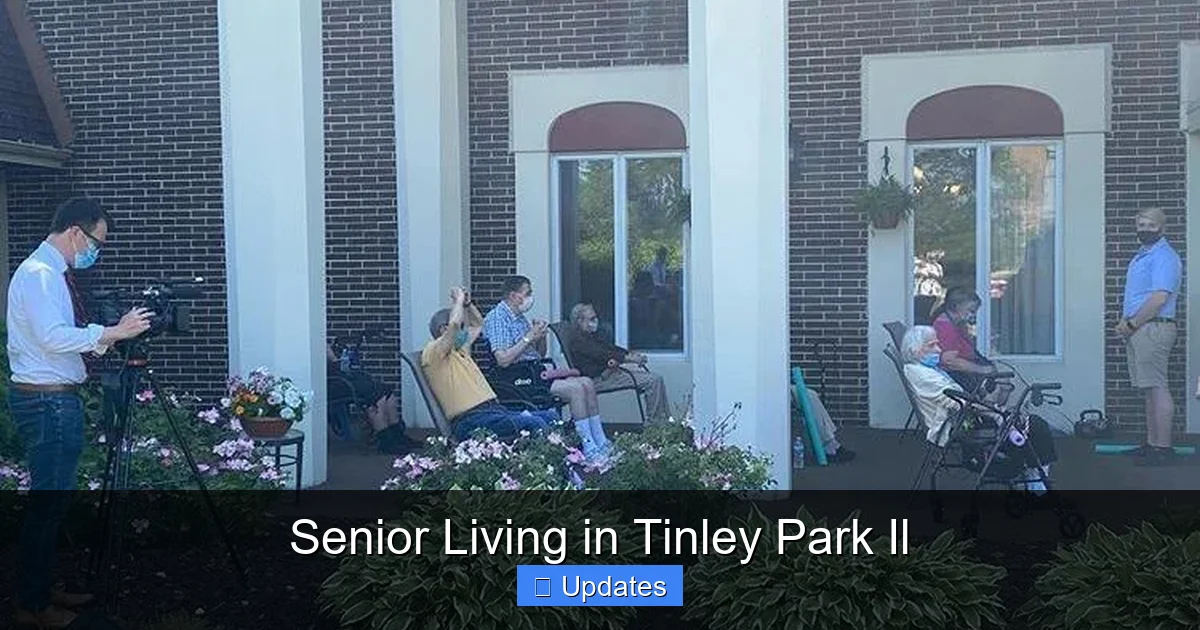
One highly recommended option is Tinley Court Senior Living, located just off Route 83. Known for its warm atmosphere and attentive staff, Tinley Court offers both independent and assisted living suites with spacious layouts and modern finishes. Their signature Memory Care neighborhood uses validated techniques to support residents with cognitive challenges, while their Life Enrichment Coordinator ensures every week feels meaningful. Recent reviews praise the chef-prepared meals and pet-friendly policy — big wins for animal lovers!
Another favorite among families is Evergreen Senior Living in nearby Orland Park. Though technically outside Tinley Park proper, its proximity (just 5 minutes away) and reputation make it worth mentioning. Evergreen stands out for its robust wellness program, including on-site physical therapy, meditation classes, and partnerships with local gyms. They also host intergenerational events with schools and churches — fostering connections beyond the walls of the community.
For those seeking luxury amenities, Kensington Park Senior Living in Orland Park offers elegant villas with gourmet kitchens, wine cellars, and concierge services. While slightly higher priced, their inclusive pricing model means no surprise bills — all meals, utilities, and basic care are covered. Families often note how impressed they are with the transportation fleet, which runs errands and takes trips to malls, museums, and medical appointments.
If memory care is the priority, Deer Park Village Senior Living has earned glowing reviews for its secure gardens and individualized attention plans. Their staff undergoes regular training in dementia communication strategies, and the building layout minimizes disorientation with clear signage and open sightlines. Outdoor courtyards feature sensory plants, water features, and shaded seating — perfect for gentle strolls.
Lastly, don’t overlook Lewis Park Estates, a boutique-style community tucked into a residential neighborhood. Smaller size means more personalized service — think staff who know residents by name and celebrate birthdays with custom cakes. They offer studio, one-bedroom, and two-bedroom options, plus optional add-on services like laundry or transportation. Photos show bright sunrooms, communal dining halls, and a butterfly garden that residents help maintain.
No matter which community catches your eye, visiting in person is key. Schedule tours, ask about staffing ratios, and observe how residents interact with each other and staff. Trust your gut — the right place should feel like coming home.
Cost of Senior Living in Tinley Park, IL
Visual guide about Senior Living in Tinley Park Il
Image source: tinleyparkmom.com
Money talks — especially when planning for long-term care. The good news? Senior living in Tinley Park tends to be more affordable than comparable suburbs like Naperville, Wilmette, or Highland Park. According to Genworth’s 2023 Cost of Care Survey, the average monthly rate for assisted living in Cook County is around $4,800 — but Tinley Park averages closer to $3,900, thanks to lower overhead and fewer luxury amenities.
Here’s a rough breakdown:
– Independent Living: $2,200–$3,200/month
– Assisted Living: $3,600–$4,500/month
– Memory Care: $4,500–$6,000/month
Keep in mind, prices vary widely by community size, room type, and included services. Some charge extra for premium dining, salon treatments, or special activities. Others bundle everything into one flat rate — so read contracts carefully!
Financing options abound too. Long-term care insurance can cover portions of assisted living costs. Veterans benefits may apply if eligible. And Medicaid waivers (like Home and Community-Based Services) sometimes help pay for in-home care instead of moving to a facility. Don’t hesitate to ask financial counselors at prospective communities about payment plans or subsidies.
One tip: Consider timing. Move-in specials, occupancy discounts, or referral bonuses can shave hundreds off initial fees. Also, if your loved one downsizes their home soon, proceeds from the sale could offset entrance fees or monthly charges.
Ultimately, cost shouldn’t be the only deciding factor — but it’s smart to compare value. A slightly pricier community with better food, safety ratings, or staff-to-resident ratios might save money down the line by avoiding hospitalizations or emergency relocations.
Amenities and Lifestyle Features
Visual guide about Senior Living in Tinley Park Il
Image source: res.cloudinary.com
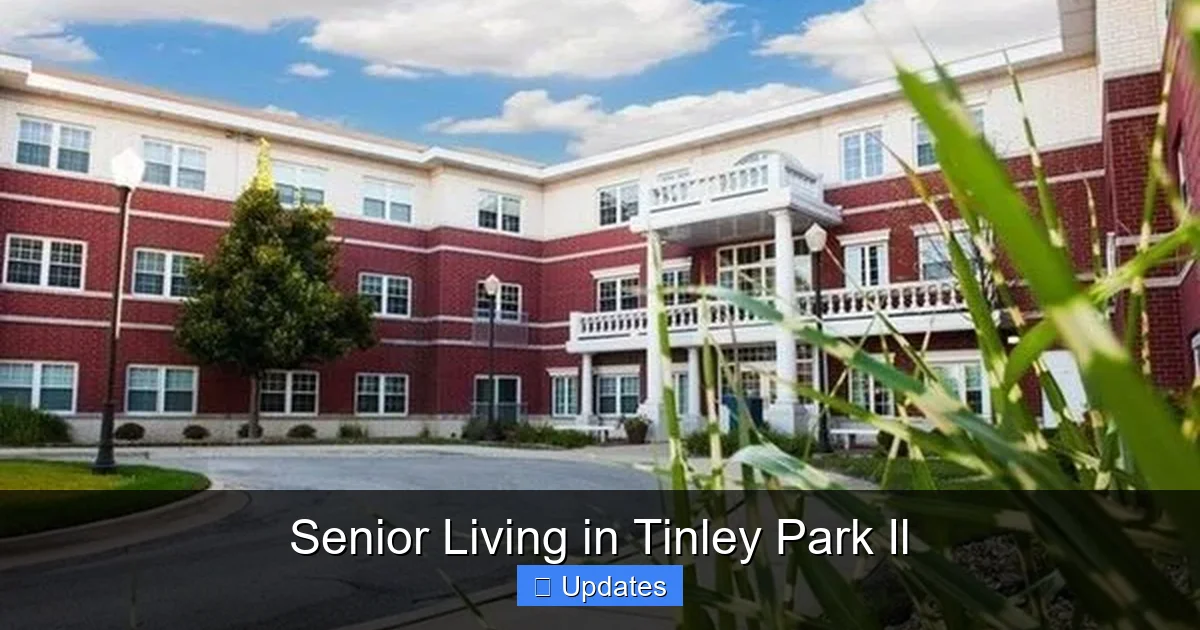
Beyond square footage and monthly rent, what really makes senior living in Tinley Park special are the everyday luxuries and conveniences built right into daily life. Modern communities understand that aging well isn’t just about medical care — it’s about joy, connection, and purpose.
Most facilities boast chef-prepared meals featuring regional ingredients and dietary accommodations (think low-sodium, diabetic-friendly, or gluten-free). Dining rooms double as social hubs during breakfast, lunch, and dinner — encouraging conversation and reducing isolation. Some even offer grab-and-go cafés for late-night snacks or impromptu meetups.
Fitness isn’t overlooked either. On-site gyms stocked with adaptive equipment allow residents to maintain strength and balance. Yoga classes, tai chi workshops, and chair aerobics keep joints limber. For those preferring outdoors, walking paths wind past ornamental ponds and blooming perennials. Gardening plots let green thumbs stay productive, while pet owners enjoy dog parks and grooming stations.
Recreation programs run the gamut: book clubs, bridge tournaments, movie nights, art classes, and seasonal festivals. Cultural excursions — like visits to the Museum of Science & Industry or Chicago Symphony Orchestra performances — broaden horizons. Religious services or interfaith chaplains provide spiritual support for those who seek it.
Healthcare integration is seamless too. Many communities partner with local clinics for routine check-ups, flu shots, or chronic disease management. Telehealth visits minimize trips to doctors’ offices. Medication dispensing systems ensure timely doses, and registered nurses monitor vital signs during wellness checks.
Safety features go beyond alarms and grab bars. Emergency call buttons connect directly to staff 24/7. Non-slip flooring prevents falls. Wide doorways accommodate mobility aids. And lighting is bright enough to reduce nighttime confusion — crucial for memory care residents.
Perhaps most importantly, privacy is respected. Private bathrooms, en-suite bedrooms, and controlled access preserve dignity. Family members receive regular updates via newsletters or video calls, so loved ones stay connected without overstepping boundaries.
In short, senior living in Tinley Park doesn’t feel institutional — it feels like upgraded living with added support. Every detail is designed to promote independence while catching you if you stumble.
Transportation and Accessibility
Getting around shouldn’t be stressful — especially when mobility declines. Fortunately, Tinley Park excels in this area. Major arteries like Interstate 80 and I-57 run east-west and north-south, linking directly to Chicago O’Hare Airport, downtown Loop, and neighboring suburbs. Most communities offer complimentary shuttles for medical appointments, grocery runs, or mall trips. Private transport companies also serve the area, often with discounted senior rates.
Public transit isn’t left behind either. Pace buses operate frequent routes along Harlem Avenue, 159th Street, and Cicero Avenue. Routes 381, 383, and 385 connect Tinley Park to Orland Park, Oak Lawn, and Chicago Heights. Real-time tracking apps let riders plan trips instantly. Plus, paratransit services (demand-response vans) assist those unable to use fixed-route buses due to disability or age.
Walking infrastructure is improving too. Curb cuts, pedestrian signals, and wide sidewalks make strolling safer. Many communities install benches every few blocks and install handrails on ramps. Sidewalks are cleared promptly after snowstorms — a huge relief during winter months.
For drivers, most communities provide reserved parking spots with easy curb access. Grocery stores like Jewel-Osco and Mariano’s stock delivery or curbside pickup options. Pharmacies such as Walgreens and CVS offer drive-thru windows and medication synchronization. Even restaurants participate in third-party delivery apps — meaning hot meals arrive at your door without lifting a fork.
If driving becomes unsafe, many families opt for ride-sharing apps like Uber or Lyft, which offer senior discounts and accessible vehicle options. Alternatively, volunteer driver networks (often organized through churches or senior centers) provide free rides for church services, doctor visits, or family gatherings.
Bottom line: In Tinley Park, getting from Point A to Point B is stress-free — whether you’re 70 or 90 years young.
Nearby Healthcare and Medical Resources
Peace of mind grows when trusted medical care is close by. Thankfully, Tinley Park residents have access to several top-tier hospitals, specialty clinics, and pharmacies within minutes — not hours.
Silver Cross Hospital in nearby New Lenox consistently ranks high for geriatric care, cardiology, and orthopedics. Its Level II Trauma Center handles emergencies efficiently, while outpatient rehab centers support recovery after surgery or stroke. The hospital’s partnership with Rush University Medical Center brings academic expertise to the region.
Advocate South Suburban Hospital in Hazel Crest specializes in women’s health, behavioral medicine, and palliative care — all vital for aging populations. Both hospitals offer telehealth consultations, minimizing travel for routine follow-ups.
Urgent care clinics abound too. ConvenientCare locations at Walmart Supercenters and urgent care centers along Harlem Avenue treat non-life-threatening issues like infections, sprains, or flu symptoms. Average wait times are under 20 minutes — far better than ER overcrowding.
Specialists aren’t hard to find either. Internal medicine physicians, neurologists, and ophthalmologists maintain offices in Tinley Park or Orland Park. Physical therapists, occupational therapists, and speech-language pathologists provide in-home or facility-based rehabilitation. Durable medical equipment suppliers (wheelchairs, walkers, hospital beds) deliver same-day when prescribed.
Pharmacies are equally convenient. Chain stores like Walgreens, CVS, and Jewel-Osco offer prescription delivery, immunizations, and health screenings. Independent compounding pharmacies customize medications for swallowing difficulties or allergies.
Mental health resources shouldn’t be overlooked. Counseling centers, support groups, and teletherapy platforms help combat loneliness or depression — common yet treatable conditions among seniors. Faith-based organizations often host grief support or caregiver stress workshops.
Finally, preventive care is emphasized. Annual wellness exams, bone density scans, colonoscopies, and mammograms are encouraged through community health fairs and mobile screening units. Vaccination clinics pop up seasonally for flu, pneumonia, and shingles.
With such robust healthcare infrastructure, families rarely worry about accessing quality medical attention — even in emergencies.
Community Events and Social Opportunities
Loneliness kills slower than cancer — studies prove it. That’s why senior living in Tinley Park prioritizes social engagement above all else. Daily life pulses with activity: laughter echoes in dining halls, hands clasp during bingo games, and minds spark during trivia contests. Outside the gates, broader community ties strengthen through partnerships with local institutions.
Weekly calendars read like a festival lineup. Tuesdays might bring “Morning Movement” yoga followed by coffee hour. Thursdays feature trivia nights with prizes donated by nearby retailers. Fridays host live music performances — jazz quartets, acoustic duos, or polka bands depending on resident tastes. Monthly potlucks celebrate cultural heritage, while holiday parties fill halls with festive cheer.
Educational enrichment keeps brains sharp. Guest lecturers discuss history, science, or current events. Technology workshops teach smartphone basics or video calling grandparents. Art studios let creativity flow through painting, pottery, or scrapbooking. Book clubs debate novels while sipping herbal tea.
Outings extend beyond campus. Trips to Brookfield Zoo, Navy Pier, or local wineries build lasting memories. Volunteer opportunities abound: reading to schoolchildren, serving meals at shelters, or assisting at farmers markets. Intergenerational programs pair seniors with preschoolers or high school students — mutual learning flourishes.
Faith communities integrate seamlessly. Churches hold worship services inside facilities or nearby sanctuaries. Pastoral counseling addresses end-of-life wishes or family conflicts. Spiritual retreats offer quiet reflection amid nature.
Even mundane tasks become social: sharing grocery lists, carpooling to appointments, or swapping recipes. Neighbors look out for one another — a hallmark of true community spirit.
For those preferring solitude, private libraries, meditation rooms, and sun-drenched reading nooks provide peaceful alternatives. Balance is key — and most communities respect individual rhythms.
In Tinley Park, aging doesn’t mean withdrawing from life — it means rediscovering joy in new ways.
Practical Tips for Choosing the Right Community
Picking a senior living community is emotional, logistical, and financial — all at once. Here are actionable steps to simplify the process and avoid costly mistakes.
Start early. Waiting until a crisis occurs limits options and increases pressure. Begin researching 6–12 months before anticipated move date. Create a checklist: budget range, preferred amenities, required medical support, pet policies, visiting hours, and contract terms.
Schedule multiple tours. Visit at different times of day — morning (cleanliness), afternoon (meal service), evening (noise levels). Observe interactions between staff and residents. Ask about turnover rates; high staff retention indicates satisfaction.
Interview former residents or families. Online reviews help, but firsthand accounts reveal hidden truths. Was billing transparent? Did activities actually happen? Were complaints addressed promptly?
Check accreditation. Look for CARF (Commission on Accreditation of Rehabilitation Facilities) or Joint Commission certifications. These mean rigorous quality standards were met voluntarily.
Understand the contract thoroughly. Pay attention to cancellation clauses, fee structures, and what happens if care needs increase. Avoid “all-inclusive” promises that exclude essential services.
Talk to the director or administrator. Their enthusiasm and knowledge reflect community culture. Ask about emergency protocols, infection control measures, and how they handle resident grievances.
Consider location logistics. Is it near family? Will transportation meet your needs? Are groceries and pharmacies within walking distance?
Don’t ignore gut feelings. If something feels off — dim lighting, rushed tours, evasive answers — trust your instincts. Better to delay than rush into regret.
Lastly, involve your loved one in decisions. Their comfort and consent matter most. Use trial stays or respite periods to test compatibility.
Remember: the right community becomes home — not just shelter. Invest time wisely, and you’ll find it.
Frequently Asked Questions
What types of senior living are available in Tinley Park, IL?
Senior living in Tinley Park includes independent living, assisted living, memory care, continuing care retirement communities (CCRCs), and respite stays. Each caters to different needs, from fully independent seniors to those requiring daily assistance or specialized dementia care.
How much does senior living cost in Tinley Park compared to nearby cities?
Tinley Park is generally more affordable than suburbs like Naperville or Evanston. Assisted living averages $3,600–$4,500/month, while independent living ranges from $2,200–$3,200/month. Memory care typically runs $4,500–$6,000/month depending on services included.
Are pets allowed in senior living communities in Tinley Park?
Yes, many senior living in Tinley Park communities are pet-friendly. Policies vary, but most allow cats and small dogs, often with weight or breed restrictions. Some even have dog parks and grooming stations.
Is transportation provided for medical appointments and errands?
Absolutely. Most communities offer complimentary shuttle services for doctor visits, grocery shopping, and recreational outings. Public transit via Pace buses also connects Tinley Park to surrounding areas with real-time tracking apps.
How close are healthcare facilities to senior living communities in Tinley Park?
Top hospitals like Silver Cross Hospital and Advocate South Suburban are less than 10 minutes away by car. Urgent care clinics, pharmacies, and specialists are similarly accessible, ensuring prompt medical attention when needed.
Can I visit my loved one anytime, and are family members involved in care planning?
Visiting hours are flexible in most communities, and family input is encouraged during care assessments. Regular updates, care conferences, and open-door policies ensure transparency and shared decision-making.