
Senior Dog Losing Clumps of Hair


Air Fryer for Easy Cooking

Orthopedic Pillow

Weighted Blanket
When your senior dog is losing clumps of hair, it’s often more than just a seasonal change—it could signal underlying health issues like allergies, infections, or hormonal imbalances. Understanding the root cause and working closely with your veterinarian is essential for improving your dog’s comfort and quality of life. With proper care, nutrition, and monitoring, many senior dogs can regain healthier coats and reduce excessive shedding.
As our beloved dogs grow older, we naturally begin to notice subtle changes in their behavior, energy levels, and even appearance. One such change that often worries pet parents is when a senior dog starts losing clumps of hair. While some shedding is normal—especially during seasonal transitions—sudden or excessive hair loss, particularly in patches or large clumps, should never be ignored.
Senior dogs have unique needs compared to their younger counterparts. Their immune systems may weaken, their metabolisms slow down, and chronic conditions like arthritis or diabetes can develop. All these factors can influence not just how they feel, but also how they look. A once shiny, thick coat might become dull, thin, or patchy. And if you’re noticing bald spots or tufts of fur coming out when you gently brush them, it’s time to pay attention.
But before panicking, remember: hair loss in aging dogs doesn’t always mean something serious. Sometimes it’s due to simple things like poor diet, environmental irritants, or stress. However, because seniors are more vulnerable, any significant change—including changes in their coat—should prompt a conversation with your veterinarian. After all, catching an issue early can make a world of difference in your dog’s comfort and longevity.
In this article, we’ll walk through everything you need to know about senior dog losing clumps of hair. We’ll cover possible causes, red flags to watch for, practical steps you can take at home, and when it’s absolutely necessary to seek veterinary care. By the end, you’ll feel confident in understanding what’s going on with your furry friend—and how best to help them thrive in their golden years.
Key Takeaways
- Diet plays a major role: Senior dogs often need nutrient-rich foods with omega-3 fatty acids to support skin and coat health.
- Allergies and parasites are common culprits: Environmental allergens or fleas can trigger intense itching and hair loss.
- Chronic conditions like Cushing’s disease or hypothyroidism may manifest as hair thinning: These require bloodwork and veterinary diagnosis.
- Grooming helps detect early signs: Regular brushing and skin checks allow you to catch problems before they worsen.
- Stress and anxiety can contribute to over-grooming: Changes in routine or environment may worsen coat condition.
- Vet visits are non-negotiable: Persistent hair loss needs professional evaluation to rule out serious illness.
- Quality of life matters most: Focus on comfort, pain-free movement, and emotional well-being alongside physical treatment.
📑 Table of Contents
Why Hair Loss Happens in Older Dogs
Just like humans, dogs go through natural aging processes that affect every system in their body—including their skin and coat. In senior dogs (typically defined as 7+ years old for small breeds and 6+ for larger ones), hormonal shifts, reduced circulation, and slower cell regeneration can all contribute to thinning hair and increased shedding.
One of the most common reasons senior dogs lose clumps of hair is due to **hormonal imbalances**. Conditions such as **hypothyroidism**—a condition where the thyroid gland doesn’t produce enough hormones—are surprisingly common in aging canines. Symptoms often include lethargy, weight gain, and yes, noticeable hair loss, especially on the trunk and tail base.
Another culprit is **Cushing’s disease**, which results from excess cortisol production. This disorder affects the adrenal glands and frequently presents with symptoms like increased thirst, frequent urination, a pot-bellied appearance, and thinning skin that tears easily. Bald patches and hair regrowth that doesn’t return to full thickness are also typical signs.
Beyond internal health issues, external factors play a big role too. Allergies—whether food-based, environmental (like pollen or dust), or contact-related (like certain shampoos or fabrics)—can cause intense itching and subsequent hair loss from scratching or over-grooming. Similarly, parasites such as fleas, mites (like mange), or lice can lead to severe dermatitis and fur loss if left untreated.
Interestingly, even grooming habits change with age. Many senior dogs experience joint stiffness or vision loss, making self-grooming difficult. This leads to matting, skin infections, and further hair loss. Regular, gentle brushing isn’t just about aesthetics—it promotes blood flow to the skin, removes dead hair, and allows you to spot abnormalities early.
The Role of Nutrition in Skin and Coat Health
What your senior dog eats directly impacts the health of their skin and coat. As metabolism slows down, older dogs often require fewer calories but still need high-quality protein and essential fatty acids. Omega-3 and omega-6 fatty acids, found in fish oil and flaxseed, are especially important for maintaining a glossy coat and reducing inflammation.
If your dog’s diet lacks these nutrients—or if they’re consuming low-quality kibble filled with fillers and artificial additives—their skin may become dry, flaky, or prone to irritation. Over time, this can result in excessive shedding or even patchy baldness.
Consider switching to a premium senior-formulated dog food that includes real meat as the first ingredient and contains balanced levels of fatty acids. Brands like Taste Of The Wild offer excellent options specifically designed for aging dogs, supporting joint health, digestion, and skin integrity. You might also explore homemade dog food recipes tailored to senior needs—just be sure to consult your vet to ensure nutritional balance.
Additionally, hydration is key. Dehydrated skin struggles to retain moisture, leading to brittleness and breakage. Make sure your senior dog always has access to fresh water, and consider adding wet food to their meals to boost fluid intake.
Common Causes of Sudden Hair Loss in Seniors
While gradual thinning is normal, sudden loss of clumps of hair—especially if accompanied by redness, swelling, or odor—warrants immediate attention. Here are some frequent causes:
- Flea Allergy Dermatitis: Even one bite from an allergic dog can trigger intense itching and hair loss within hours. Fleas are tiny but mighty troublemakers, especially in multi-pet homes or areas with warm climates.
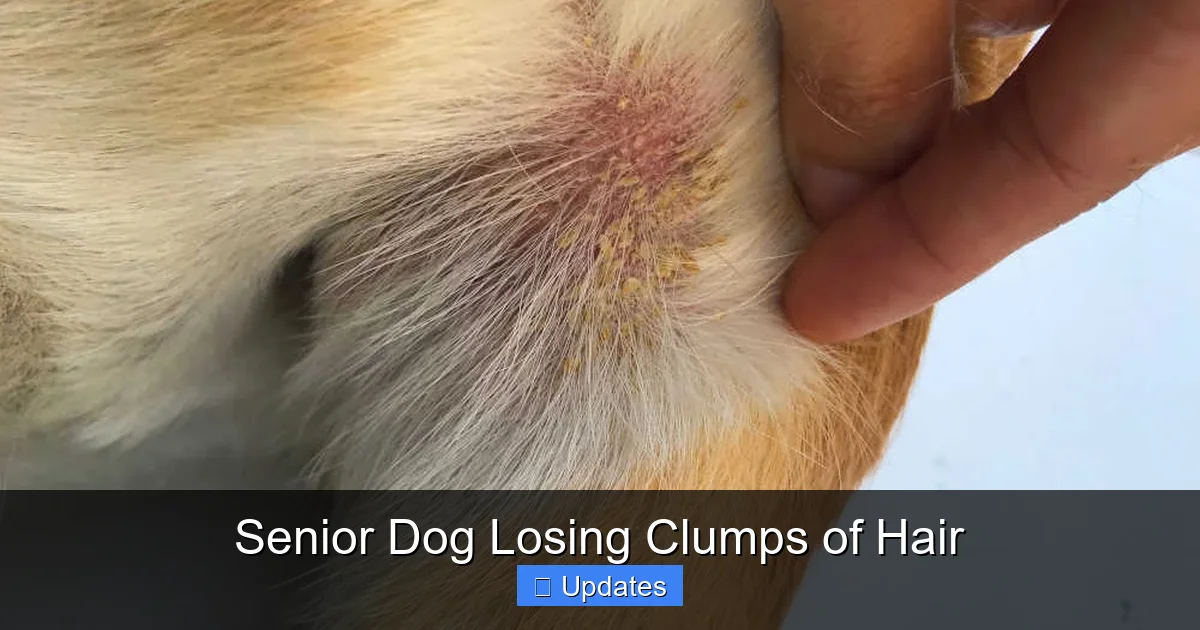
- Mange (Sarcoptic or Demodectic): These parasitic mites burrow into the skin, causing crusty lesions and severe hair loss. Sarcoptic mange is highly contagious among dogs, while demodectic mange is usually linked to weakened immunity.
- Bacterial or Fungal Infections: Bacteria like *Staphylococcus* or fungi such as ringworm can infect damaged skin and lead to circular bald patches with scaly centers. Ringworm, despite its name, is not caused by worms but by dermatophytes—fungi that feed on keratin.
- Autoimmune Disorders: Diseases like lupus or pemphigus cause the immune system to attack healthy skin cells, resulting in painful sores and hair loss. These are rare but serious and require aggressive treatment.
- Neoplasia (Skin Tumors): Though not cancerous in all cases, growths on the skin can ulcerate, bleed, and pull hair out as they expand. Any new lump or bump should be evaluated by a vet.
It’s important to note that multiple causes can overlap. For example, a dog with hypothyroidism may also develop secondary bacterial infections due to poor wound healing. That’s why a thorough diagnostic workup is essential.
How to Tell If It’s Normal Shedding or Something Serious
Visual guide about Senior Dog Losing Clumps of Hair
Image source: seniortailwaggers.com
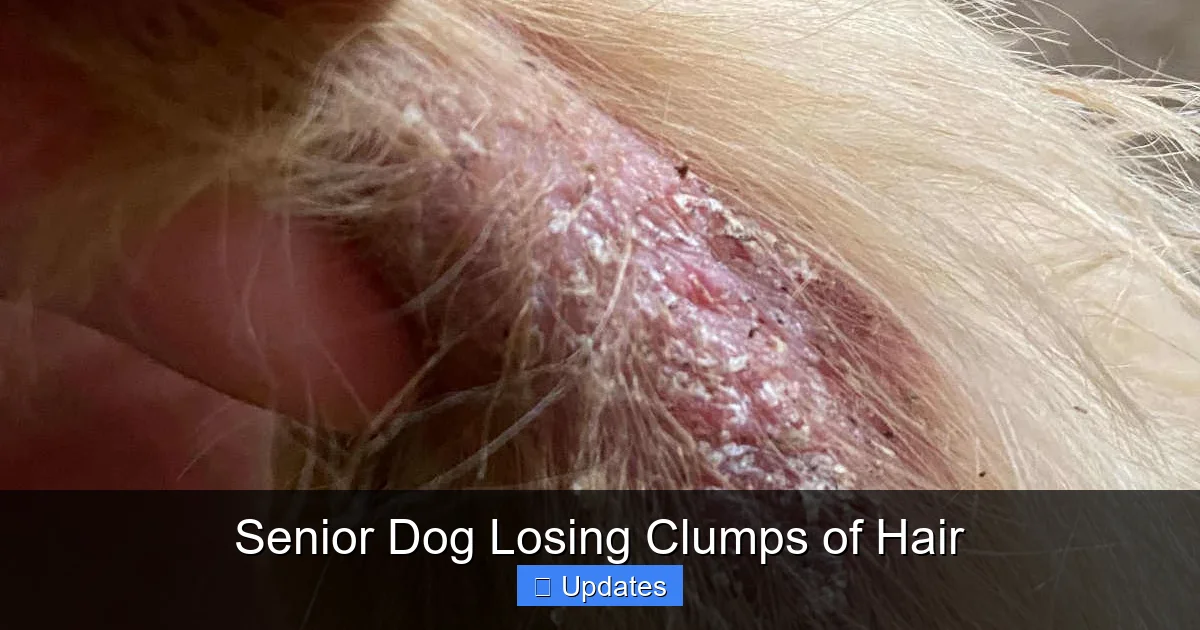
Distinguishing between normal aging-related shedding and concerning hair loss isn’t always easy—but paying attention to patterns helps. Normal shedding tends to be widespread, mild, and consistent throughout the year (though heavier in spring and fall). Your dog likely won’t show discomfort, and you won’t find bare patches or inflamed skin.
On the other hand, if you notice:
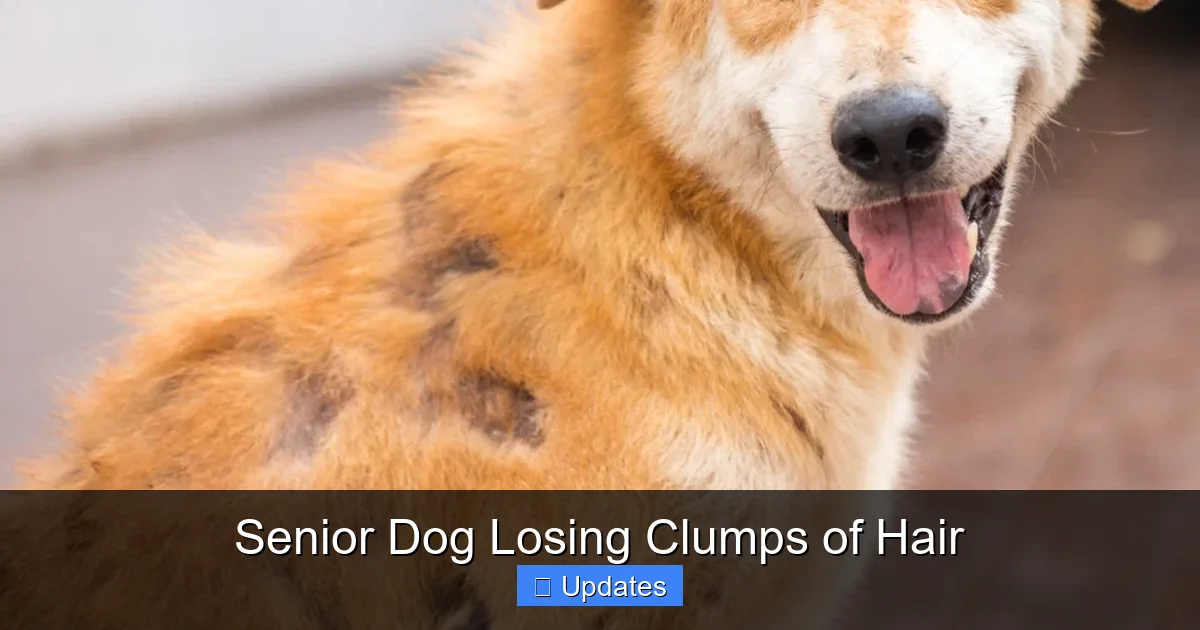
- Bald circles or irregular patches
- Red, swollen, or oozing skin
- Excessive scratching, licking, or chewing
- Changes in appetite, energy, or bathroom habits
- Odor coming from the affected area
…then it’s time to dig deeper. These signs suggest an underlying medical issue rather than routine aging.
Also ask yourself: Is the hair loss getting worse quickly? Has it spread beyond one small area? Are there visible parasites or scabs? Answering these questions will guide whether you schedule a routine check-up or seek emergency care.
Remember, your dog can’t tell you exactly what hurts. Observing their behavior—like favoring one side of their body or avoiding walks—can provide crucial clues. Keep a journal noting changes in grooming, eating, sleeping, and elimination. This log becomes invaluable during vet visits.
Red Flags Requiring Immediate Veterinary Attention
Certain symptoms demand prompt action. If your senior dog exhibits any of the following, contact your veterinarian right away:
- Sudden, rapid hair loss covering more than 10% of their body
- Open wounds, bleeding, or foul-smelling discharge
- Limping, stiffness, or reluctance to move—this could indicate joint pain affecting grooming ability
- Lumps, bumps, or unusual growths that weren’t there before
- Weight loss, vomiting, diarrhea, or decreased appetite—systemic signs pointing to broader illness
These aren’t just cosmetic concerns; they may signal infections, autoimmune diseases, cancers, or metabolic disorders. Early intervention improves outcomes significantly.
Your vet will likely perform a physical exam, possibly take skin scrapings, run blood tests (including thyroid panels), and maybe even biopsy suspicious lesions. Don’t skip follow-ups—even if initial tests come back negative, persistent symptoms warrant reevaluation.
Practical Tips for Managing Hair Loss at Home
Visual guide about Senior Dog Losing Clumps of Hair
Image source: seniortailwaggers.com
Once you’ve ruled out serious illness, focus on supportive care to ease your dog’s discomfort and promote healing. Small lifestyle adjustments can make a big difference.
Start with **gentle, regular grooming**. Use a slicker brush or de-shedding tool designed for sensitive skin. Avoid harsh shampoos—opt instead for hypoallergenic, fragrance-free formulas made for seniors. Bathing every 4–6 weeks is usually sufficient; overdoing it dries out natural oils and exacerbates itchiness.
Next, **optimize their environment**. Dust mites, mold, and pollen thrive in homes with poor ventilation. Wash bedding weekly in hot water, use HEPA air filters, and vacuum frequently. If you suspect allergies, try eliminating potential triggers one by one (e.g., switch laundry detergents, remove carpeting, or keep windows closed during high-pollen seasons).
Diet remains foundational. Transition to a high-quality senior dog food rich in antioxidants, probiotics, and omega fatty acids. Supplements like fish oil (under vet guidance) can reduce inflammation and improve coat shine. Always introduce new foods gradually to avoid digestive upset.
Lastly, **reduce stress**. Anxiety can manifest physically—dogs may obsessively lick or chew until skin breaks down. Create a calm, predictable routine. Provide cozy resting areas, calming music, or pheromone diffusers. If separation anxiety is an issue, consult a certified animal behaviorist.
When to Consider Professional Grooming Services
Many senior dogs benefit from professional grooming, especially if mobility issues prevent them from bathing themselves. Look for mobile groomers who visit your home—they understand the unique challenges of caring for older pets. They can safely trim mats, clean ears, clip nails, and apply medicated rinses if prescribed.
Avoid DIY cuts near eyes, nose, or genitals unless you’re experienced. Poor trims can cause infections or injuries that lead to further hair loss.
Supporting Your Dog’s Quality of Life
Visual guide about Senior Dog Losing Clumps of Hair
Image source: seniortailwaggers.com
Ultimately, managing senior dog losing clumps of hair isn’t just about treating symptoms—it’s about ensuring your companion enjoys their remaining days with dignity and joy. The goal is comfort, not perfection.
Use the Senior Dog Quality of Life Scale as a guide: Does your dog eat and drink normally? Enjoy social interaction? Show interest in their favorite toys or walks? Are they free from pain? If answers are mostly positive, you’re on the right track.
Pain management is critical. Arthritis or dental issues can discourage grooming, leading to neglected fur and infections. Work with your vet to adjust medications or supplements that ease discomfort without sedating your dog excessively.
Emotional support matters too. Spend extra cuddles, speak softly, and maintain familiar routines. Dogs thrive on predictability, especially in their senior years.
And don’t forget preventive care. Annual wellness exams, parasite control, and timely vaccinations protect against diseases that indirectly affect skin health. Plus, catching issues early maximizes treatment success.
Creating a Comfortable Routine for Aging Pets
Design a daily schedule that accommodates your dog’s changing abilities. Short, frequent walks beat long, strenuous hikes. Elevated beds prevent pressure sores. Non-slip rugs reduce fall risks. Even simple things—like placing water bowls in easy-to-reach spots—show you’re paying attention.
Monitor for hidden pain: panting at night, drinking lots of water, or panting after minimal activity could signal underlying issues. These behaviors sometimes correlate with skin problems too—stress from pain can trigger over-grooming.
Remember, every dog ages differently. What works for one senior may not suit another. Stay flexible, patient, and observant.
Conclusion: You’re Not Alone
Seeing your senior dog lose clumps of hair can stir up feelings of worry and helplessness. But knowledge is power. By understanding common causes, recognizing warning signs, and offering compassionate care, you give your dog the best possible chance at a happy, healthy later life.
Whether the issue stems from allergies, infections, hormonal imbalances, or simply the wear and tear of aging, your role as caregiver is vital. From adjusting their diet to scheduling regular vet visits, each step brings relief closer.
And if things get overwhelming? Reach out. Talk to your veterinarian, join a pet loss support group, or connect with other senior dog owners online. You don’t have to navigate this journey alone.
With love, patience, and informed action, you can turn a worrying symptom into an opportunity—to deepen your bond, celebrate resilience, and honor the incredible companionship your senior dog continues to offer.
—
Frequently Asked Questions
Is hair loss in senior dogs always a sign of illness?
No, not always. Some shedding is normal with age due to hormonal changes or slower metabolism. However, sudden or patchy hair loss—especially with redness, odor, or discomfort—often signals an underlying health issue and warrants veterinary evaluation.
Can diet fix hair loss in senior dogs?
Yes, improved nutrition can significantly impact coat health. Senior dogs benefit from high-quality proteins, omega-3 fatty acids, and balanced minerals. Switching to a premium senior-formulated food like Taste Of The Wild Senior Dog Food may resolve deficiencies contributing to dry, brittle fur.
How often should I bathe my senior dog with hair loss?
Generally, bathing every 4–6 weeks is sufficient. Overbathing strips natural oils and worsens irritation. Use a gentle, hypoallergenic shampoo recommended by your vet, and always rinse thoroughly to avoid residue that can irritate sensitive skin.
Could stress cause my senior dog to lose hair?
Absolutely. Stress and anxiety can lead to compulsive licking or chewing, resulting in hair loss and skin damage. Changes in routine, household moves, or loss of a companion pet can trigger these behaviors. Calming aids and consistent routines help reduce stress-related grooming.
What tests does my vet run for hair loss?
Expect a physical exam, skin scraping to check for mites or bacteria, possibly fungal cultures, bloodwork (including thyroid panels), and sometimes biopsies if tumors are suspected. The exact tests depend on clinical findings and history.
Should I shave my senior dog’s hair if they’re losing clumps?
Only if directed by your vet. Shaving can irritate already sensitive skin, especially in elderly dogs. In some cases—like severe matting or infection—it’s helpful, but otherwise, gentle brushing and medicated washes are safer. Consult your veterinarian before making any drastic grooming changes.