
Senior Day Care for Sale


Easy Grip Knife Set

Weighted Blanket

Pulse Oximeter Finger Monitor
Thinking about buying a senior day care? A senior day care for sale can be a smart investment with growing demand. These centers provide vital social, physical, and cognitive support for aging adults while offering strong revenue potential. Whether you’re an entrepreneur or caregiver, understanding the market, licensing, and daily operations is essential before making your purchase.
Key Takeaways
- Market Demand Is Rising: The aging population means more seniors need reliable day care services, increasing value and resale potential.
- Licensing & Compliance Are Critical: Every state has specific rules for operating a senior day care—buyers must verify licenses and avoid legal issues.
- Revenue Models Vary: Fees are often per hour or month, with add-ons like therapy or transportation boosting income.
- Location Matters: Proximity to hospitals, senior housing, and public transit boosts client retention and referrals.
- Staffing Is Key: Experienced caregivers and trained staff improve care quality and reduce turnover.
- Due Diligence Saves Money: Review financial records, client contracts, and facility condition before closing.
- Growth Opportunities Exist: Add memory care programs, partnerships with clinics, or online booking to expand services.
📑 Table of Contents
- The Growing Need for Senior Day Care Services
- Why Consider Buying an Existing Senior Day Care?
- How to Find the Right Senior Day Care for Sale
- Understanding Costs and Financing Options
- Legal and Regulatory Requirements
- Evaluating Financial Performance
- Making the Transition Smooth for Clients and Staff
- Scaling and Expanding Your Operation
- Conclusion: A Rewarding Investment with Purpose
The Growing Need for Senior Day Care Services
Have you ever wondered what happens to a loved one during the day when they’re not at home? For many families, that’s where senior day care comes in. These centers offer more than just supervision—they provide meaningful activities, meals, medical monitoring, and social interaction that help seniors stay healthy and engaged. As life expectancies rise and adult children enter demanding careers, the demand for professional day care services continues to grow.
Purchasing a senior day care for sale isn’t just a business decision—it’s an opportunity to make a real difference in people’s lives. With proper planning, you can create a sustainable operation that supports both clients and staff. Plus, with baby boomers aging rapidly, now is a great time to enter this field.
Why Consider Buying an Existing Senior Day Care?
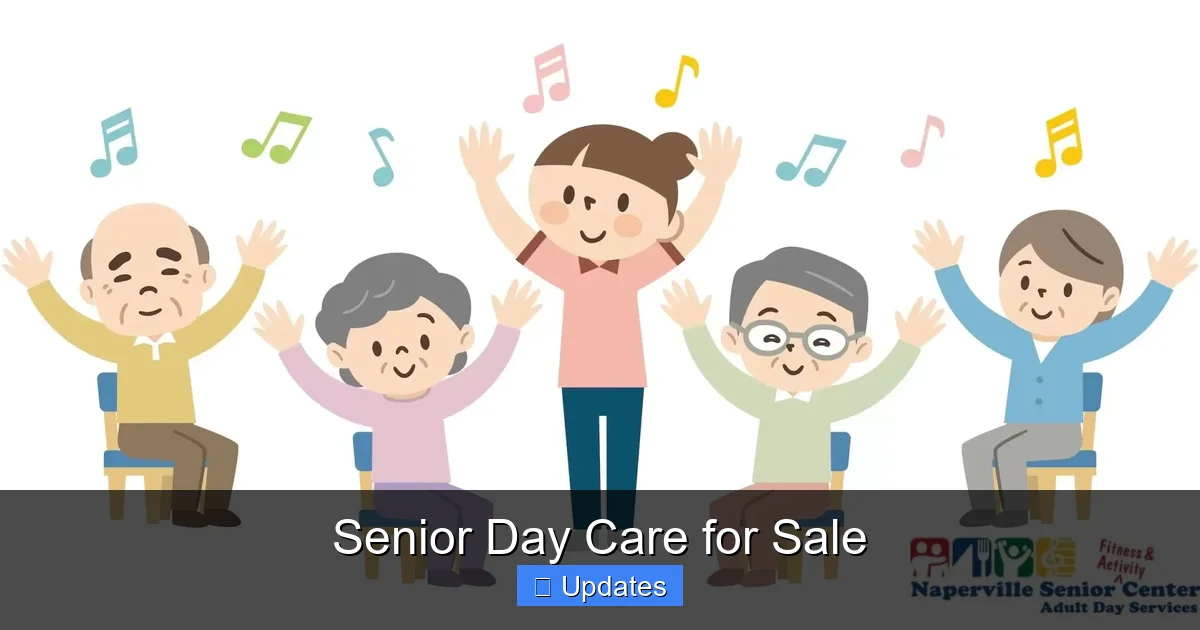
Visual guide about Senior Day Care for Sale
Image source: napervilleseniorcenter.com
Starting from scratch takes years. Licensing, marketing, hiring—each step requires time, money, and expertise. But buying an established center gives you immediate access to clients, trained staff, and brand recognition. You’ll inherit a reputation, operational systems, and even supplier relationships.
For example, imagine stepping into a facility already listed on local directories, receiving weekly referrals from doctors’ offices, and having a waiting list of families ready to enroll. That’s the power of buying an existing business.
Also, consider this: according to industry reports, over 70% of seniors prefer to age in place, but many still struggle with isolation or mobility. A well-run day care fills that gap—providing structure without removing independence.
Benefits of Acquiring an Established Center
- Immediate Cash Flow: Revenue starts on day one instead of waiting months for enrollment.
- Proven Track Record: Financial statements show consistent performance—ideal for lenders and investors.
- Existing Client Base: Families already trust the center; you don’t need to build credibility from zero.
- Operational Systems: Scheduling software, meal plans, billing processes—all in place.
- Staff Incentives: Skilled caregivers may stay if you maintain good working conditions.
Challenges to Watch Out For
While the upside is clear, buyers should also assess risks:
– **Outdated Facilities:** Older buildings might need ADA compliance upgrades or HVAC repairs.
– **High Staff Turnover:** Poor management can drive away employees—check employee satisfaction.
– **Regulatory Changes:** New state laws could affect staffing ratios or safety standards.
– **Client Dependency:** Overreliance on a few long-term residents increases vulnerability if someone leaves.
That said, these aren’t dealbreakers—just areas to evaluate carefully during due diligence.
How to Find the Right Senior Day Care for Sale
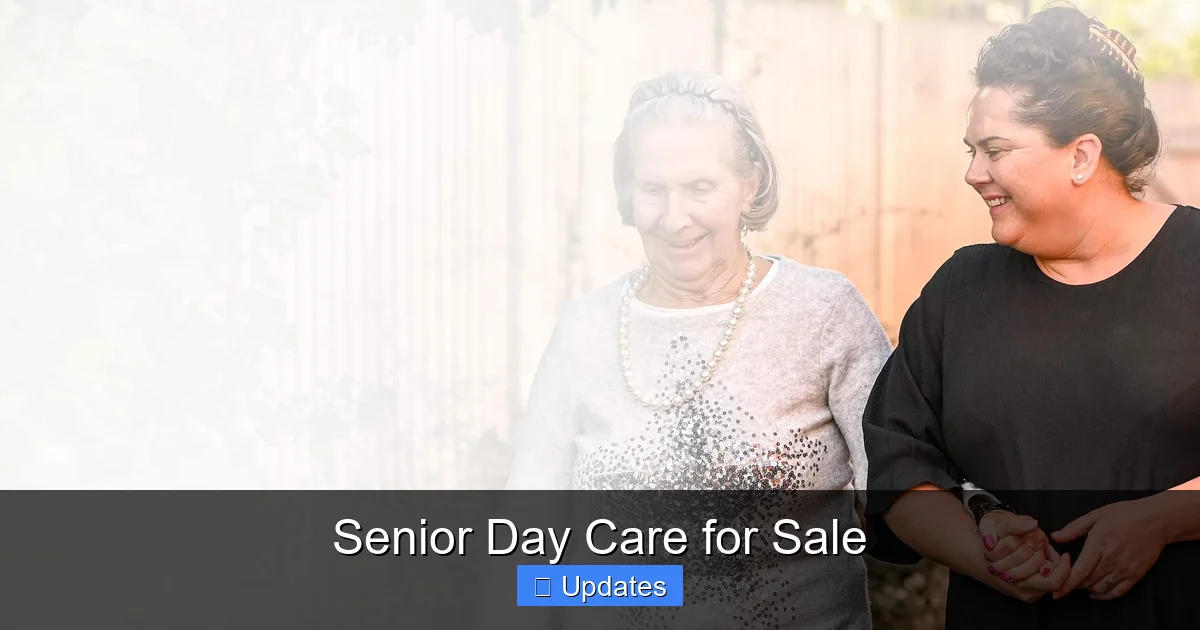
Visual guide about Senior Day Care for Sale
Image source: primrose-bank.com
You won’t find every listing on Google. Most private sales happen through brokers specializing in healthcare businesses. Here’s how to start:
First, define your budget and goals. Are you looking for a small neighborhood center or a larger multi-service facility? Do you want to keep current staff or restructure operations?
Next, search reputable platforms like BizBuySell, Healthcare Business Brokers Association (HBBA), or local Chamber of Commerce bulletins. Filter by location, size, and annual revenue.
Once you spot promising listings, request financial data, lease agreements, and client demographics. Ask about average occupancy rates and seasonal fluctuations—some centers see dips during holidays.
Finally, tour facilities in person. Smell the space (is it clean?), observe interactions between staff and clients, and check emergency exits. Trust your gut.
Red Flags When Shopping for a Sale
Be cautious if:
– The seller refuses to share audited financials.
– There are sudden staff departures or complaints.
– The building has unresolved code violations.
– Clients seem unaware the business is for sale.
– Pricing appears too good to be true.
These signals suggest hidden problems that could cost you later.
Understanding Costs and Financing Options
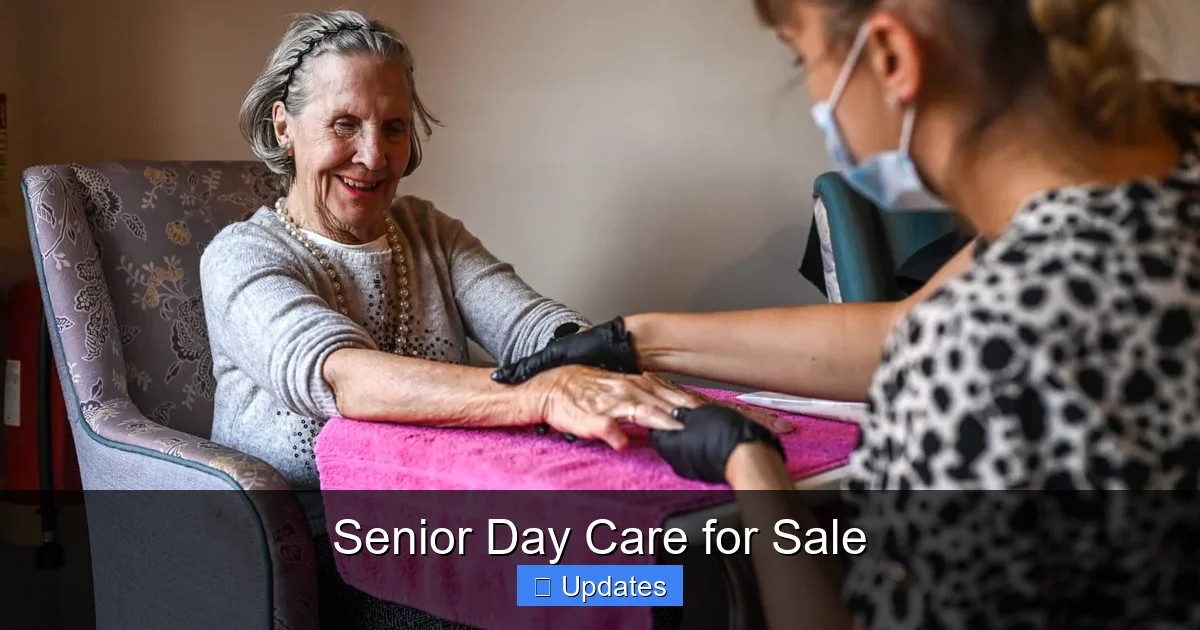
Visual guide about Senior Day Care for Sale
Image source: primrose-bank.com
Buying a senior day care involves more than the purchase price. Expect additional expenses:
– Legal fees ($2,000–$5,000)
– Environmental assessments ($1,500–$4,000)
– Equipment upgrades (e.g., new chairs, kitchen appliances)
– Marketing campaigns to retain clients post-sale
– Working capital for payroll during transition
Total investment can range from $250,000 to over $1 million depending on size and location.
Financing options include:
– **SBA Loans:** Up to 90% loan-to-value ratio for qualified buyers.
– **Private Investors:** Some angel networks focus on eldercare ventures.
– **Home Equity Lines:** Common among owner-operators.
– **Seller Financing:** Occasionally offered by retiring owners.
Always get pre-approved before making offers—it shows seriousness to sellers.
Sample Budget Breakdown
| Expense Category | Estimated Cost |
|————————|———————-|
| Purchase Price | $400,000 |
| Legal & Due Diligence | $6,000 |
| Facility Improvements | $25,000 |
| Initial Marketing | $8,000 |
| Working Capital | $30,000 |
| **Total** | **$469,000** |
This example assumes a mid-sized center in a suburban area with moderate renovation needs.
Legal and Regulatory Requirements
Operating a senior day care isn’t optional—it’s heavily regulated. While rules vary by state, common requirements include:
– Valid business license
– Health department approval
– Fire marshal inspection
– Background checks for all staff
– Minimum caregiver-to-client ratios (often 1:8 or lower)
– First aid/CPR certification mandates
– Reporting abuse/negligence protocols
Failure to comply can result in fines, closure, or lawsuits. That’s why verifying compliance during due diligence is non-negotiable.
Some states require annual renewals or unannounced inspections. Others mandate continuing education for directors. Stay updated by joining organizations like the National Adult Day Services Association (ADSA).
Key Documents to Request During Due Diligence
Before signing anything, ask for:
– Copy of active license(s)
– Inspection reports from last 3 years
– Employee handbook and training logs
– Insurance policies (liability, workers’ comp)
– Lease agreement with renewal terms
– List of current clients with signed waivers
– Vendor contracts (food service, transportation)
If any document is missing or expired, negotiate with the seller to fix it before closing.
Evaluating Financial Performance
Numbers tell the real story. Look beyond revenue—examine profitability, cash flow, and trends.
Ask for:
– Last 3 years of tax returns
– Monthly income statements
– Accounts receivable aging report
– Breakdown of hourly vs. monthly fee structures
– Cost of goods sold (meals, supplies)
– Marketing spend and ROI
A healthy center typically maintains 70–85% gross margins. If yours shows consistent losses, dig deeper.
Also, calculate key metrics:
– **Occupancy Rate:** (%) = (Current Clients ÷ Capacity) × 100
– **Average Revenue Per Client:** Total Monthly Rev ÷ Number of Clients
– **Client Retention Rate:** (%)
High retention (>80%) indicates satisfied families and stable income.
Common Revenue Streams in Senior Day Care
Most centers earn through:
– Daily drop-in fees ($35–$75/hour)
– Weekly/monthly packages (discounted rates)
– Additional services:
– Physical therapy sessions
– Transportation to appointments
– Medication administration
– Memory support programming
– Specialized diets (gluten-free, diabetic-friendly)
Offering bundled plans encourages longer commitments and higher revenue.
Making the Transition Smooth for Clients and Staff
Changing ownership shouldn’t disrupt care. Communicate clearly and early.
Start by informing clients and families via letter or email. Reassure them you’re committed to maintaining quality. Offer tours of the new leadership team and outline any planned improvements.
For staff, hold a meeting explaining continuity of employment, benefits, and expectations. Address concerns about changes in management style or policies promptly.
Consider retaining the original director temporarily as a consultant during the first 90 days. Their institutional knowledge is invaluable.
Finally, update signage, website, and social media profiles to reflect the new name and contact info—but keep the same phone number and address initially to avoid confusion.
Tips for Retaining Key Relationships
– Send personalized thank-you notes to referring physicians and case managers.
– Host an open house inviting past and prospective clients.
– Keep the same menu and activity schedule unless there’s a compelling reason to change.
– Honor all existing contracts until their term ends.
Small gestures build trust—and trust keeps doors open.
Scaling and Expanding Your Operation
Once settled, think long-term. Many successful operators expand by adding services.
Potential growth paths include:
– Launching a memory care wing for early-stage dementia patients
– Partnering with local clinics for on-site health screenings
– Offering virtual check-ins for tech-savvy seniors
– Creating a transportation fleet for rural clients
– Developing corporate wellness programs for employers
Marketing plays a huge role here. Use digital ads targeting caregivers on Facebook, sponsor senior fairs, and collaborate with retirement communities.
Also, collect testimonials and case studies to showcase outcomes. Happy families become your best advocates.
Technology Enhancements to Consider
Modern tools streamline operations:
– **Scheduling Apps:** Allow families to book spots online.
– **Billing Software:** Automates invoicing and payment tracking.
– **Telehealth Platforms:** Enable nurse visits without travel.
– **Activity Calendars:** Share events via email or text.
Investing in user-friendly tech improves satisfaction and efficiency.
Conclusion: A Rewarding Investment with Purpose
Buying a senior day care for sale blends financial opportunity with meaningful impact. You’re not just acquiring a business—you’re stepping into a vital community hub where laughter, learning, and connection thrive.
With careful research, solid financing, and compassionate leadership, your center can become a trusted pillar for seniors and their families. Remember, the most successful operators prioritize people over profits—because when clients feel seen and supported, everyone wins.
Whether you dream of running a cozy neighborhood center or a full-service facility, today’s aging population ensures steady demand. Start your journey by finding the right fit, doing your homework, and preparing to make a lasting difference.
Frequently Asked Questions
What should I look for when evaluating a senior day care for sale?
Check financial statements, licensing status, client retention rates, facility condition, and staff qualifications. Also review contracts, insurance coverage, and any pending legal issues. Visit the center in person to observe daily operations and client-staff interactions.
How much does it typically cost to buy a senior day care?
Prices vary widely based on location, size, and services offered. Small urban centers may sell for $200,000–$400,000, while larger suburban or rural facilities can go for $600,000+. Always factor in additional costs like renovations, legal fees, and working capital.
Can I finance the purchase of a senior day care?
Yes! SBA loans, private investors, home equity lines, and seller financing are common options. Having strong credit and a solid business plan increases your chances of approval. Consult a lender familiar with healthcare acquisitions.
Do I need special licenses to operate a senior day care?
Yes—each state regulates adult day care centers differently. Most require a business license, health department approval, fire safety clearance, background checks for staff, and adherence to caregiver-to-client ratios. Verify requirements early in your search.
How do I attract clients after purchasing a center?
Leverage existing relationships first, then launch targeted marketing. Use Google Ads, Facebook ads, local newspapers, and partnerships with doctors’ offices or senior housing complexes. Offer free trial days and collect testimonials to build credibility.
Is now a good time to buy a senior day care?
Absolutely. With the U.S. population aging rapidly and fewer new entrants entering the field, experienced operators are in high demand. This creates favorable conditions for buyers willing to invest thoughtfully and serve communities well.