
Scoop Plate vs Plate Guard for Senior Dining


LED Magnifying Glass

Puzzle Book for Seniors

Book Holder Stand
Choosing between a scoop plate vs plate guard is a common step for families trying to make mealtimes easier. Both options help older adults who have trouble pushing food onto a fork or spoon.
Meals should be a time to relax and enjoy family. When hand strength gets weak, eating can feel very stressful. Food slips off the dish and spills on the table. These simple tools give seniors more control over their meals. They bring comfort, safety, and dignity back to the dinner table.
Quick Comparison
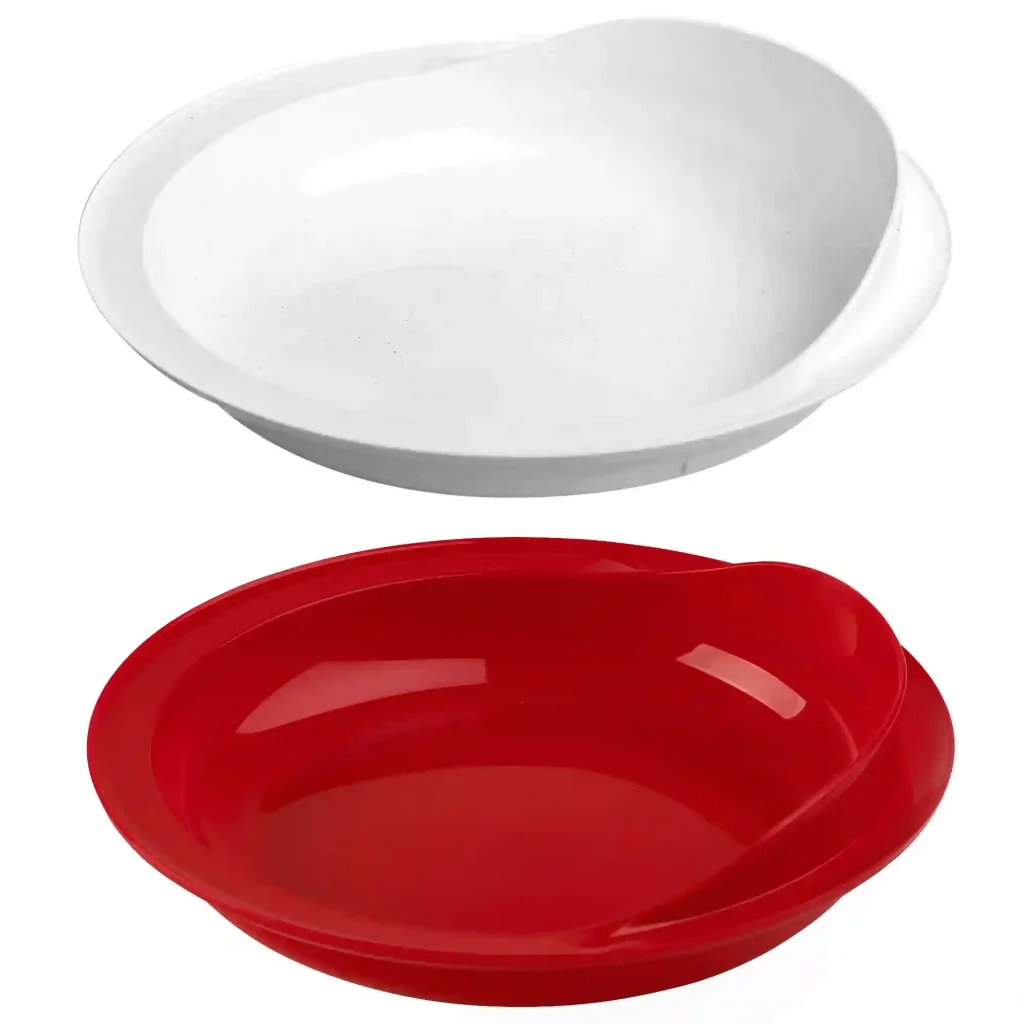
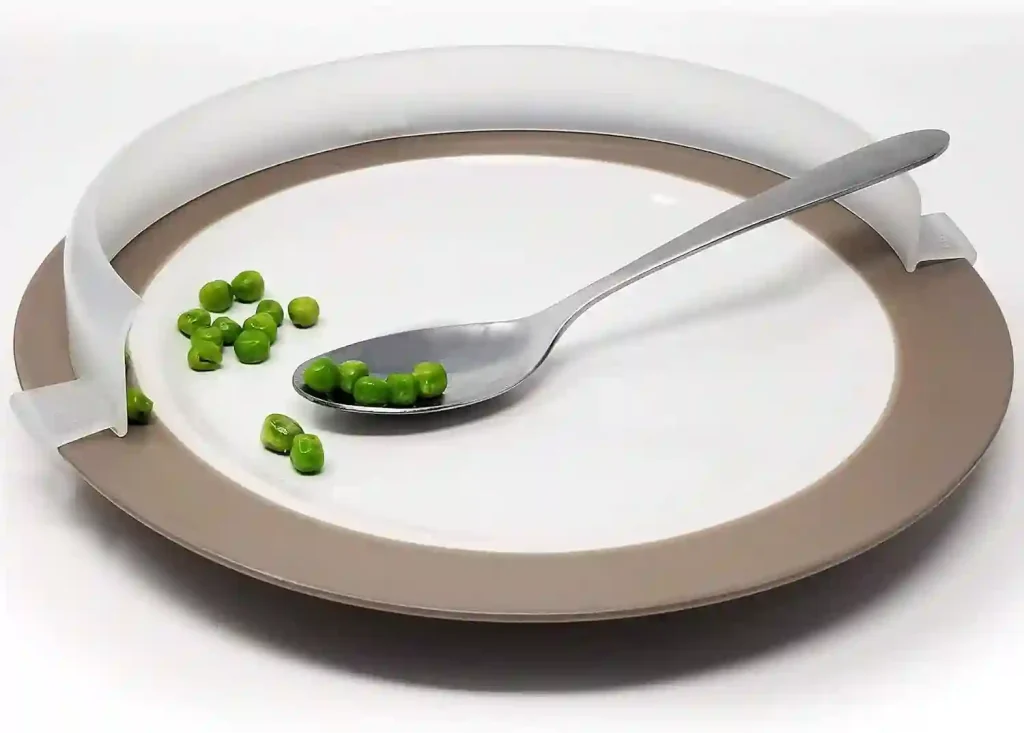
The best choice depends on your daily routine and hand strength. A scoop plate is a complete dish with a raised edge that will never pop off. A plate guard is a flexible plastic ring that snaps onto the regular plates you already own.
Scoop plates are best for severe hand tremors because they are very stable. Plate guards are better for seniors who want to use standard family dishes to feel more at home. Both tools do a wonderful job keeping food on the spoon.
At A Glance Comparison
Let us look at the main differences between these two dining aids. This table breaks down the core features of each tool.
| Feature | Scoop Plate | Plate Guard |
| Design Concept | Full plate with a high rim | Ring that attaches to a plate |
| Best Used For | Severe tremors or weakness | Using regular family dishes |
| Portability | Bulky to carry in a bag | Easy to pack for travel |
The All-in-One Scoop Plate Review
A scoop plate is a single, solid dish with one high, curved edge. This built-in wall gives you a firm surface to push food against.
Ease of Use
These plates are ready to use right out of the cabinet. You do not have to put anything together. Many models have a non-slip rubber ring on the bottom. This keeps the plate from sliding on a smooth wood or glass table. A senior with one working hand can easily eat without chasing the plate around.
Key Strengths
- Built-in high edge will never pop off during a meal.
- Non-slip base keeps the plate safely in one spot.
- No parts to stretch or assemble before eating.
- Very durable and hard to break if dropped.
- Dishwasher safe for fast and easy cleaning.
Potential Drawbacks
- Looks different from regular family dinner dishes.
- Can feel bulky and take up space in the dishwasher.
- Takes up more room in the kitchen cabinet.
- Hard to carry in a purse for eating at a restaurant.
The Snap-On Plate Guard Review
A plate guard is a simple band that clips onto the edge of a normal plate. It instantly adds a high rim to the dishes you already use.
Ease of Use
Using a guard requires a little hand strength to snap it into place. A caregiver or family member might need to put it on before the meal begins. Once it is safely attached, it works just like a scoop plate. You simply push your food against the hard guard to load your spoon.
Key Strengths
- Lets seniors use the exact same dishes as the family.
- Blends in well at the dinner table for a normal look.
- Very small and easy to take to local restaurants.
- Low cost makes it easy to replace if lost.
- Takes up very little storage space in kitchen drawers.
Potential Drawbacks
- Can pop off if a user pushes too hard with a fork.
- Requires two hands or strong fingers to attach properly.
- Does not fit square plates or very thick ceramic dishes.
- Food can sometimes get stuck in the tiny gap at the bottom.
Which Is Easier for Seniors to Use?
Ease of use often comes down to hand strength and clear vision. We must look at how each tool works in daily life.
The scoop plate is usually easier for a senior to use alone. You just set it on the table and add the hot food. It has no moving parts. The heavy bottom keeps it safely in place. This makes it perfect for someone eating independently. A senior recovering from a stroke can use it easily with one hand.
The plate guard takes a bit more work to set up. Snapping the hard plastic clips over a plate requires pinch strength. Someone with painful arthritis may struggle to put it on. However, once a caregiver attaches it, eating is very simple.
“The right dining aid is the one a senior feels most comfortable and confident using every single day.”
Performance Comparison
Both tools catch loose food and guide it onto a spoon. Here is how they compare in daily action with real meals.
| Performance Area | Scoop Plate | Plate Guard |
| Food Containment | Excellent, no bottom gaps | Good, but has a slight gap |
| Stability on Table | Very high with non-slip base | Depends on the plate weight |
| One-Handed Eating | Very easy and very safe | Good, if the plate is heavy |
Comfort, Accessibility, and Senior-Friendly Design
Eating is a highly social event. How a product looks is just as important as how it works. Dignity matters deeply to older adults.
A plate guard shines when it comes to dignity. It lets a senior use the exact same ceramic plates as everyone else at the table. Many guards are made of clear plastic. They are very hard to notice from across the room. This helps seniors feel much less self-conscious at big family dinners.
A scoop plate looks more like a special medical tool. It is often made of bright, heavy plastic. This can make some seniors feel different or shy. However, the bright colors can actually help seniors with poor vision. A bright red or blue plate makes it very easy to see light-colored foods like chicken, pasta, or mashed potatoes.
Features Comparison
Let us look closer at the materials and daily upkeep. This quick table highlights the main product details.
| Feature | Scoop Plate | Plate Guard |
| Common Materials | Hard plastic or soft silicone | Plastic, rubber, or metal |
| Plate Compatibility | Standalone one-piece dish | Fits 8 to 10-inch round plates |
| Microwave Safe | Yes, for most models | Varies widely by specific brand |
Price, Maintenance, and Long-Term Value
Both options are very affordable. You do not need a large budget to make mealtimes much better.
A high-quality scoop plate usually costs slightly more than a guard. However, it offers great long-term value. There are no tiny parts to break. You just put it right in the dishwasher. A good plate can last for many years without any issues. It will not warp or lose its shape.
A plate guard is very cheap. You can often buy a pack of three for a low price. But, guards can wear out over time. The plastic clips stretch out from taking them on and off every day. You might need to buy new ones every year. Also, tomato sauce can easily stain clear plastic guards.
Who Should Choose the Scoop Plate?
The scoop plate is a very safe and steady option. It is great for people who eat completely alone.
- Choose it if the user has severe hand tremors.
- Choose it if you need a non-slip suction base.
- Choose it for seniors with very weak hands.
- Choose it if the user has poor vision and needs bright plate colors.
- Choose it to avoid stretching parts before every meal.
Who Should Choose the Plate Guard?
The plate guard is flexible and blends in nicely. It is perfect for highly social seniors.
- Choose it if using regular family dishes is highly important.
- Choose it if the senior eats out at local restaurants often.
- Choose it for users with mild tremors or slight weakness.
- Choose it if storage space in the kitchen is very small.
- Choose it if a caregiver is always there to help attach it.
Scoop Plate vs Plate Guard — Final Verdict
Both dining aids do a great job helping seniors eat. The best choice depends entirely on what matters most to your family.
Best for most seniors: The Scoop Plate. It is ready to use, will not pop off, and will not slide on the table.
Best for dignity: The Plate Guard. It lets you use regular dishes and hides easily.
Best value: The Scoop Plate. It costs a bit more upfront but lasts much longer.
Best for ease of use: The Scoop Plate. You do not have to stretch or snap any tight clips.
Scoring Summary
We rate these products on how well they actually help older adults. Here is the final score breakdown.
| Category | Scoop Plate | Plate Guard |
| Ease of Use | 9/10 | 7/10 |
| Senior-Friendly Design | 8/10 | 9/10 |
| Performance | 9/10 | 7/10 |
| Maintenance | 9/10 | 6/10 |
| Value | 9/10 | 8/10 |
How We Evaluate Products
We look closely at what seniors truly need. Our review focuses tightly on safety, comfort, and real-world daily use.
We focus heavily on how much hand strength is needed. We look at how easy the product is to clean after a messy meal. We also think about how it makes a person feel at the table. Dignity and independence are our top guides. We want tools that make life easier, not harder.
Senior-Specific Buying Considerations
Before you buy, think closely about the senior’s daily routine. Make sure the tool fits their exact personal needs.
Hand Strength
Can the user easily stretch a tight plastic ring? If not, a guard might be too hard to put on without help from a friend.
Vision Changes
White food on a white plate is very hard to see. A brightly colored scoop plate can help guide the fork to the food.
Plate Size at Home
Guards only fit round plates of a certain size. Always check your kitchen cabinets before buying a guard to ensure a safe fit.
Table Surface
Does the user push their plate around the table? A scoop plate with a rubber base stops this sliding completely.
Common Buying Mistakes
Many families buy the wrong item the first time. Avoid these simple errors to save your time and money.
- Buying a guard for square or thick ceramic plates.
- Forgetting to check if the exact item is microwave safe.
- Ignoring the need for a non-slip base on smooth tables.
- Buying a heavy ceramic scoop plate that is too hard to lift.
- Putting a cheap plastic guard in a very hot dishwasher.
Safety at the Dinner Table
Safety is always the top priority. A slipped plate can cause a big mess or a painful burn.
Hot food spills are a real risk. If a plate guard pops off during a meal, hot soup can spill directly in a senior’s lap. Ensure the guard fits very tightly. If it feels loose, do not use it at all. Scoop plates are generally safer because the wall is a solid piece of the dish. It can never pop off.
Also, check the materials. Make sure any plastic you buy is completely free of BPA. If you heat meals in the microwave, double-check that the product is clearly marked as microwave safe. Some plastics can melt or release bad chemicals when they get too hot.
Conclusion
Finding the right tool brings joy back to mealtime. Deciding between a scoop plate vs plate guard mostly comes down to total stability versus personal dignity.
If you want the easiest, safest option, the scoop plate is the clear winner. It stays perfectly put and catches food on every single bite. If you want a tool that blends in nicely with normal family dishes, the plate guard is a wonderful choice. Both tools help seniors stay independent and eat with pure confidence.
