
Places to Take Senior Pictures


Upright Walker

Large Display Clock with Date

LED Clip Reading Light
Choosing the right location is key to stunning senior pictures that tell your unique story. This guide explores a wide range of settings, from breathtaking natural parks to meaningful personal spots, offering practical tips to make your session a success. Learn how to select a place that reflects your personality, plan for logistics, and capture memories that last a lifetime.
Congratulations! You’ve reached a huge milestone—senior year. It’s a time of celebration, reflection, and looking forward. One of the most exciting traditions is the senior picture session. These photos are more than just a yearbook requirement; they’re a personal time capsule, a gift to your future self, and a way to express who you are right now. But with so much pressure, where do you even begin? The single most important decision you’ll make is the where. The location is your stage, your canvas, your co-star. It can make or break the vibe of your entire gallery. Don’t worry, though. Finding the perfect spot is an adventure in itself. We’re here to unpack the world of locations, from classic to creative, and give you the tools to choose a place that feels authentically you. Forget generic backdrops; let’s talk about finding places to take senior pictures that tell your story.
First, let’s get one thing straight: there is no single “best” place. The best place is the one that resonates with your personality, your interests, and your family’s style. Are you a nature lover who finds peace in the woods? A city kid who thrives on energy and architecture? A bookworm with a special connection to a local library? Your location should be a reflection of that. It’s about curating a collection of images that, when looked at together, paint a complete picture of this specific moment in your life. This guide will walk you through categories of locations, the pros and cons of each, and crucial practical tips to ensure your session is fun, stress-free, and yields photos you’ll absolutely adore.
Key Takeaways
- Your location sets the mood: The backdrop directly influences the feel of your images, from serene and natural to vibrant and urban.
- Personal meaning matters most: The best spots often hold significance to you, like a favorite park, family property, or hangout.
- Scout and plan ahead: Visit locations beforehand to check lighting, crowds, and any permit requirements for a smooth shoot.
- Consider the time of day: “Golden hour” light around sunrise and sunset creates the most flattering and magical photos.
- Coordinate your outfit with the setting: Choose clothing that complements the location’s colors and vibe without clashing. For more guidance, see our detailed style guide on what to wear for senior pictures.
- Think about your audience: Where will you display these photos? Choose a location that provides both wide shots and intimate details.
- Communicate with your photographer: Share your location ideas and vision; a good photographer can help you scout and execute perfectly.
📑 Table of Contents
- Natural Wonders: Parks, Gardens, and The Great Outdoors
- Urban Exploration: Cityscapes and Architectural Gems
- Meaningful Personal Locations: Your Story, Your Stage
- Unique and Unexpected Venues: Stand Out from the Crowd
- Practical Considerations: The Nuts and Bolts of Picking a Spot
- Making Your Final Choice: A Personalized Approach
- Conclusion: Your Stage Awaits
Natural Wonders: Parks, Gardens, and The Great Outdoors
There’s a reason outdoor natural settings are a perennial favorite. They offer breathtaking, timeless beauty and incredible versatility. From manicured botanical gardens to wild, rugged trails, nature provides a stunning, ever-changing backdrop that requires very little artificial enhancement.
Public Parks and Botanical Gardens
These are the gold standard for a reason. Well-maintained public parks offer a variety of scenes in one location: open fields for airy, bright shots; wooded areas for moody, intimate portraits; flower gardens for pops of color; and ponds or fountains for reflective imagery. Botanical gardens are especially magical, with curated blooms that change with the seasons, offering a guaranteed splash of color. The key advantage is predictability and ease—most are free or low-cost, have established paths, and are designed to be photogenic.
Practical Tip: Research the park’s specific garden bloom times if you want flowers. A rose garden in full bloom is a dream, but a bare bed in early spring might not be. Also, check their photography policy. Some gardens prohibit professional shoots without a permit, while others are totally fine for casual sessions. Weekday mornings are your best bet to avoid crowds.
Forests, Nature Trails, and Beaches
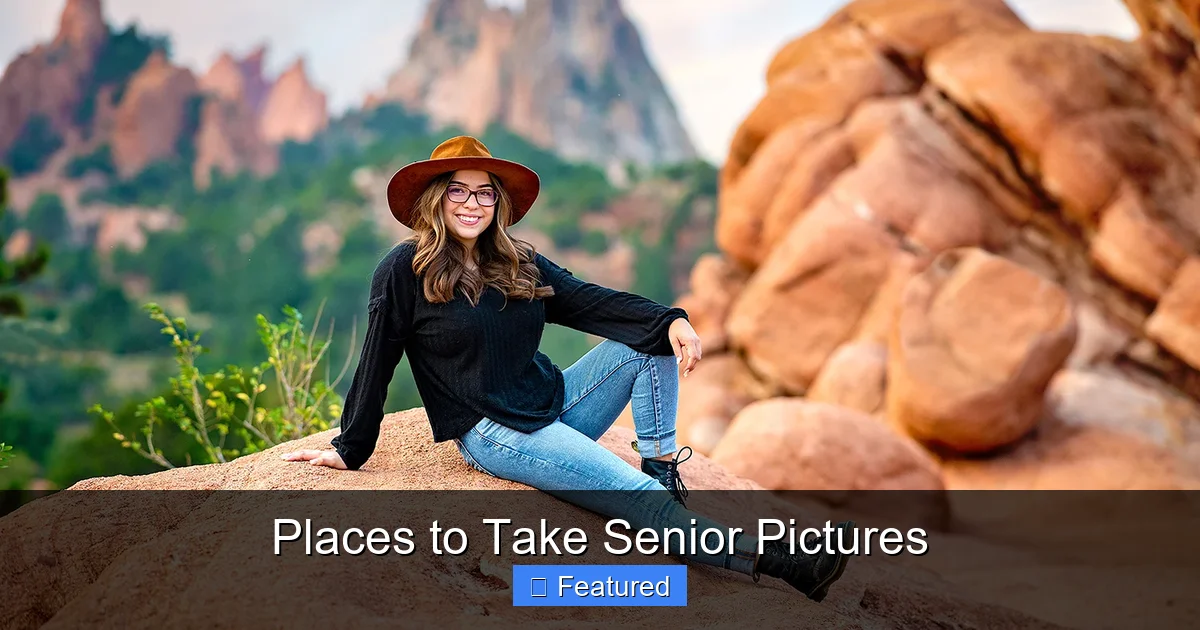
For a more adventurous, earthy, or serene vibe, consider a state park, a local forest preserve, or a beach (even a lakefront counts). These locations offer dramatic lighting as sun rays filter through trees or sparkle on water. The textures—rough bark, soft sand, wispy grasses—add incredible depth to photos. Beaches provide a classic, carefree aesthetic, while forests can feel mystical and grounded.
Important Consideration: Accessibility and safety. Choose a trail that is easy to walk with your outfit and any props. Tell your photographer about any uneven terrain. For beaches, check the tide schedule. Low tide might reveal interesting rock formations, while high tide could wash away your shooting space. Also, wind is a major factor at open beaches—bring hairspray and clips!
Urban Exploration: Cityscapes and Architectural Gems
If your style is more modern, edgy, or sophisticated, the city is your runway. Urban environments are full of lines, textures, and energy that create dynamic, fashion-forward images. Think graffiti-covered alleys, sleek glass buildings, historic brickwork, and bustling streetscapes.
Visual guide about Places to Take Senior Pictures
Image source: paulmanoian.com
Downtown Districts and Arts Districts
Most cities have a designated arts or warehouse district filled with murals, metal sculptures, and industrial-chic architecture. These areas are practically built for photos. The vibrant colors of street art can become a fantastic accent to a solid-colored outfit. The geometric lines of warehouses and bridges add a graphic, compositional strength to your portraits.
Pro Tip: Use the environment! Lean against a textured wall, sit on a quirky piece of public art, or walk down a sun-dappled alley. Your photographer can use a wide-angle lens to capture the grandeur of a city street or a prime lens to isolate you against a stunning architectural detail.
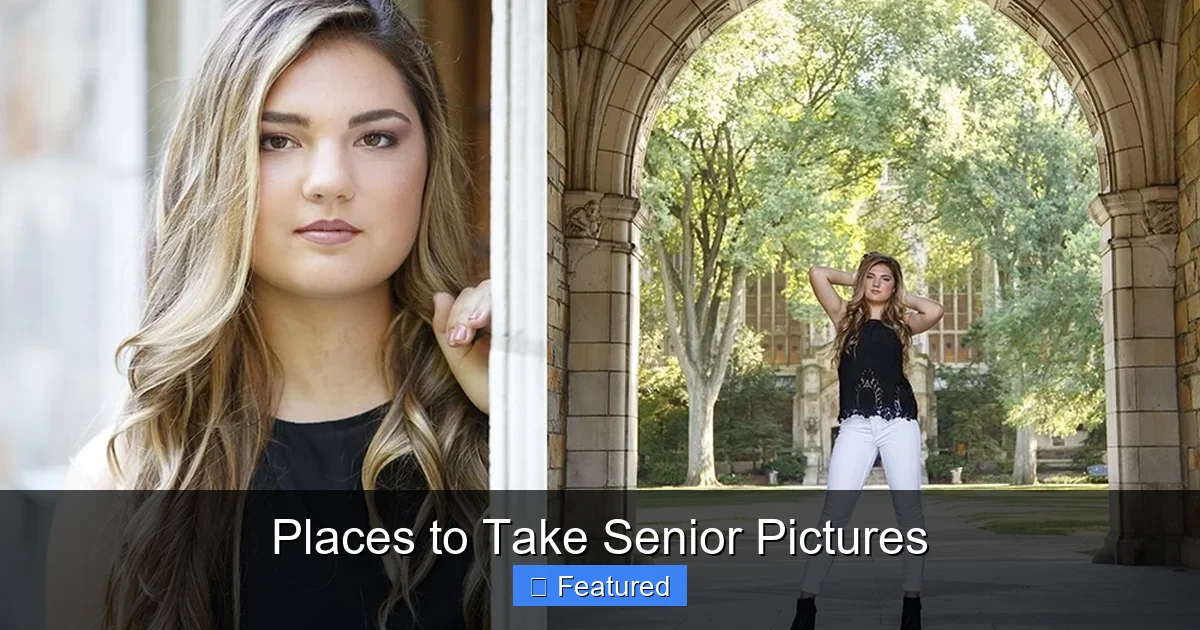
Historic Neighborhoods and University Campuses
For a touch of timeless elegance or academic prestige, historic districts with cobblestone streets, gas lamps, and Victorian homes are unbeatable. University campuses are also a classic choice, symbolizing this exact life stage. Iconic buildings, ivy-covered walls, and quiet quads provide a sense of place and nostalgia. Even if you’re not attending that school, a campus can simply be a beautiful, symbolic location.
Logistics: Many historic areas and private universities require a photography permit for professional shoots, especially on weekends. Always inquire ahead of time. Campuses can also be very busy during the week; aim for a Sunday morning when students are away.
Meaningful Personal Locations: Your Story, Your Stage
This is where you can inject the deepest level of personal meaning into your photos. These are the places that have shaped your high school experience. They tell a story that no generic location ever could.

Visual guide about Places to Take Senior Pictures
Image source: mariarandolphphotography.com
Your School and Local Haunts
Your high school is an obvious but powerful choice. The front steps, the courtyard, the library, the gym, or the football field are loaded with memories. You can wear your varsity jacket, hold your musical instrument, or bring your sports equipment. Similarly, think about the coffee shop you’ve spent countless hours in, the park where your friend group hangs out, the local bookstore you adore, or the arcade you frequent. These spots make your senior photos uniquely yours.
Key Point: You will almost certainly need a permit from your school district to shoot on campus during school hours. Plan for a weekend or after-school slot. For businesses, a quick, polite call to the owner explaining you’re a local student doing a senior shoot often works wonders. Most small businesses are supportive of the community!
Family Property or a Beloved Natural Spot
Perhaps you grew up on a family farm, have a beautiful backyard with a killer tree swing, or a family cabin in the woods. These private, sentimental locations are incredibly special. The comfort and familiarity will show in your expressions, resulting in genuinely relaxed and joyful portraits. A favorite hiking trail, a secret fishing spot, or the hill where you watch the sunset can also be deeply meaningful.
Consideration: The lighting and background at these spots may not be “perfect” from a photographer’s lens, but their emotional weight outweighs any technical imperfection. A great photographer can work with any light and background to make it magic.
Unique and Unexpected Venues: Stand Out from the Crowd
Want your senior gallery to have that “wow” factor? Think outside the box. These less conventional places can create truly memorable and artistic images that stand out in a sea of park and downtown photos.
Visual guide about Places to Take Senior Pictures
Image source: mariarandolphphotography.com
Libraries, Museums, and Greenhouses
Indoor locations offer climate control and unique aesthetics. A grand public library with towering bookshelves is a stunning metaphor for this chapter of learning. A science or art museum provides incredible backdrops, from dinosaur skeletons to modern art installations. A botanical greenhouse is a dreamy, humid, green oasis that feels like another world. These venues often require permits and fees, and you must respect their rules (no flash, stay out of restricted areas).
Industrial Zones, Train Yards, and Underpasses
For a bold, gritty, or avant-garde look, consider locations with raw textures: rusted metal, concrete pillars, graffiti, and train tracks (safely and legally!). These settings create a dramatic contrast with a formal outfit or a simple, elegant dress. They convey strength, transition, and a modern edge. Safety is paramount here. Never trespass on active railway property. Use only publicly accessible, legal spots. A photographer experienced in urban exploration will know the safe, legal, and most photogenic corners.
Practical Considerations: The Nuts and Bolts of Picking a Spot
Once your imagination is running wild with possibilities, it’s time to ground those dreams in reality. A beautiful location that’s a logistical nightmare will only cause stress. Here’s your checklist.
Permits, Permissions, and Privacy
This is the non-negotiable first step. For any location that isn’t a wide-open public park (and sometimes even those), you must find out if a photography permit is required. This includes most city parks (beyond a basic entrance fee), national parks, university campuses, museums, and historic districts. Permits can take weeks to process, so start early. For private businesses or homes, get written permission from the owner. Never assume. A quick phone call or email can save you from being asked to leave mid-shoot.
Also, consider privacy. A gorgeous but extremely popular tourist spot might mean dozens of photobombers in every shot. Scout at the time of day you plan to shoot to gauge crowds.
Lighting, Timing, and Weather
The “golden hour”—the first hour after sunrise and the last hour before sunset—provides soft, warm, directional light that is flattering for every skin tone and creates long, dramatic shadows. This is the prime time for outdoor shoots. The midday “harsh sun” creates unflattering shadows under eyes and noses. If you must shoot then, seek open shade under a tree or building overhang.
Have a rain plan. Does your location have covered areas (porches, bridges, underpasses) that are still photogenic? Can you reschedule easily? Discuss this with your photographer. They will have a plan B, but it helps if the location itself offers alternatives.
What to Bring and Wear
Your outfit should complement the location. Earth tones work beautifully in forests and fields. Bold, solid colors pop against urban grays and murals. A flowing dress is perfect for a windy beach or field. Practical shoes are a must—you might be walking or standing for hours. Bring a changing robe or large shirt for on-location changes if needed. For props, think meaningfully: a beloved instrument, sports gear, a favorite book, or even your pet (if the location allows and you have a handler!). Finally, bring water, snacks, and a positive attitude!
Making Your Final Choice: A Personalized Approach
So how do you decide? Here’s a simple framework. First, brainstorm 3-5 locations that feel like you. Consider the categories above. Then, for each, ask:
- Emotion: What feeling do I want these photos to evoke? (Peaceful? Energetic? Nostalgic?)
- Story: Does this place tell a part of my story?
- Logistics: Is it feasible regarding permits, cost, travel, and timing?
- Variety: Can we get 3-4 distinct looks (wide, medium, close-up) in this one spot?
Often, the best sessions use 2-3 different locations within a reasonable drive of each other. Maybe start at a park for golden hour, then move to an urban alley for dramatic shots as the light fades. Your photographer can help you map this out efficiently.
Remember, this is your moment. The “perfect” location is the one that makes you feel confident, happy, and like the best version of yourself. Whether that’s on a mountain top, in the stacks of a library, or on the bleachers of your home field, own it. The love and personality you bring to the session will shine through more than any backdrop ever could.
Conclusion: Your Stage Awaits
The journey to find the ideal places to take senior pictures is more than a checklist; it’s the first creative act of your senior year. It’s about looking inward as much as outward. The locations you choose—whether a national park you visit with family, a downtown street that feels like home, or the quiet corner of your own backyard—will become the visual vocabulary of this pivotal year. They will frame your smiles, your contemplative looks, and your jumps of joy. By considering the mood, the meaning, and the practicalities, you can curate a location lineup that is as unique and multifaceted as you are. So take this guide, dream a little, do a little scouting, and get ready to step into a setting that celebrates you. Now go make some memories you’ll treasure forever.
Frequently Asked Questions
Do I really need a permit for a public park?
It depends entirely on the park and your local laws. Many city and county parks require a formal photography permit for any professional shoot, even if it’s just you and a photographer. National and state parks almost always require a permit, which can take weeks to approve. Always check the official website or call the park office. Shooting without one risks being asked to leave and possibly fined.
What’s a realistic budget for location fees?
It varies wildly. Public parks might be free or have a small $20-$50 location fee. University campuses and many museums can range from $100 to $500+. Private venues like event spaces or unique businesses may charge a few hundred dollars. Always factor permit costs into your photography package budget. Your photographer may know the common fees for your area.
What if the weather is bad on my scheduled day?
This is why you and your photographer must have a clear rain/weather plan before you book. Most photographers will offer one free reschedule for inclement weather. Your plan B location should have substantial covered areas (like a grand porch, a bridge, a museum lobby with permission) that are still photogenic. Discuss this contingency in detail during your pre-session consultation.
Can I bring props to my location?
Absolutely! Props that are meaningful to you—your sports equipment, a musical instrument, a favorite book, a pet—can add incredible personalization. However, you must ensure the prop is allowed at your chosen location. A pet may not be allowed in a museum, and a soccer ball might be prohibited on a fragile historic lawn. Always check the venue’s rules on props and animals beforehand.
How many locations should I book for my session?
Most senior sessions are 1-2 hours long. Trying to hit 4-5 locations will mean you spend more time traveling and changing than actually shooting. Aim for 1-3 primary locations that are within a 10-15 minute drive of each other. This gives you variety without rushing. A great single location with multiple scenic spots is often better than three mediocre ones.
What should I do if I see other people in my shots?
It happens, especially in popular public spots. The best defense is timing—shoot on a weekday morning. Your photographer will use techniques like shooting with a wide aperture (which blurs the background) or changing angles to crop people out. Patience is key; sometimes waiting 60 seconds for a path to clear is all it takes. Don’t be shy about politely asking a passerby if they’d mind moving for a quick shot; most people are happy to help.