
Newark Senior Home Care Services


Bathroom Grab Bar Set

Handheld Shower Head

Talking Clock
Newark senior home care services offer tailored support so older adults can thrive in familiar surroundings. From daily living assistance to medical oversight, our trusted providers ensure dignity, comfort, and peace of mind for seniors and their loved ones. Learn how local agencies deliver personalized care that adapts to changing needs—keeping families connected while reducing stress.
Welcoming an aging parent into your home or supporting a senior relative who wants to stay independent can feel overwhelming. You want them to be safe, happy, and respected—but you also need practical solutions that work with your schedule and budget. That’s where Newark senior home care services come in. These locally rooted programs combine professional compassion with personalized attention, helping older adults maintain their independence while giving families the reassurance they deserve.
In Newark and surrounding communities like Belleville, Bloomfield, and Nutley, more than 100,000 residents are age 65 or older. As the population grows older, so does the demand for reliable, high-quality care options. Fortunately, New Jersey has developed robust networks of licensed agencies offering everything from basic companionship to advanced skilled nursing. The key? Finding the right match between your loved one’s needs and a provider committed to dignity, safety, and trust.
This guide walks you through everything you need to know about senior home care services in Newark, including types of care available, how to choose a reputable agency, financial aid resources, and tips for involving your loved one in decision-making. Whether you’re exploring care for the first time or looking to upgrade current arrangements, this guide will help you make confident choices.
Key Takeaways
- Personalized Care Plans: Each senior receives a customized care plan based on health, mobility, and personal preferences, ensuring the best possible quality of life.
- Trusted Local Providers: Newark-area agencies like Home Instead Senior Care Newark and Visiting Angels Newark offer licensed, background-checked caregivers with specialized training.
- Wide Range of Services: From meal preparation and medication reminders to light housekeeping and transportation, services cover both essential and companionship needs.
- Family Peace of Mind: Real-time updates, 24/7 support lines, and regular family check-ins give relatives confidence that their loved one is safe and well cared for.
- Cost Assistance Options: Many families qualify for Medicaid waivers, veterans benefits, or private insurance coverage—help is available to make care affordable.
- Preventive Health Support: Caregivers monitor vital signs, encourage medication adherence, and assist with mobility exercises to reduce hospital visits and promote wellness.
- Flexible Scheduling: Whether it’s part-time help after surgery or full-time support for chronic conditions, care schedules adapt to fit both senior and caregiver needs.
📑 Table of Contents
- Why Choose In-Home Care Over Assisted Living?
- Types of Services Offered by Newark Senior Home Care Agencies
- How to Choose the Right Newark Senior Home Care Agency
- Financial Aid and Funding Options for Newark Seniors
- Supporting Your Loved One Through the Transition
- Technology Enhances Safety and Communication
- Building a Support Network Beyond Caregiving
- Conclusion: Investing in Dignity and Independence
Why Choose In-Home Care Over Assisted Living?
Many families assume that moving a senior to an assisted living facility is the only way to get proper support. While those facilities have their place—especially for individuals needing round-the-clock medical supervision—they aren’t always necessary. And let’s be honest: leaving behind cherished memories, favorite furniture, and lifelong routines can take a heavy emotional toll.
That’s why Newark senior home care services often serve as the ideal middle ground. Seniors remain in their own homes, surrounded by familiar sights and sounds, while receiving professional help exactly when it’s needed. Studies show that people recover faster from illness or injury at home, experience lower rates of depression, and report higher overall satisfaction with life when they don’t have to relocate.
For example, consider Mrs. Rodriguez, a 78-year-old Newark resident recovering from hip replacement surgery. Instead of moving her to a rehab center, her daughter arranged for a visiting nurse and certified home health aide through a local agency. They helped her with bathing, wound care, walking practice, and grocery shopping—all within her own kitchen and bedroom. Within six weeks, she was back on her feet, still living independently, and far less stressed than if she’d been uprooted.
Of course, every situation is different. Some seniors may eventually need more intensive care than what’s offered through in-home services. But starting with home-based support allows families to assess needs gradually, avoid unnecessary transitions, and preserve quality of life whenever possible.
Types of Services Offered by Newark Senior Home Care Agencies
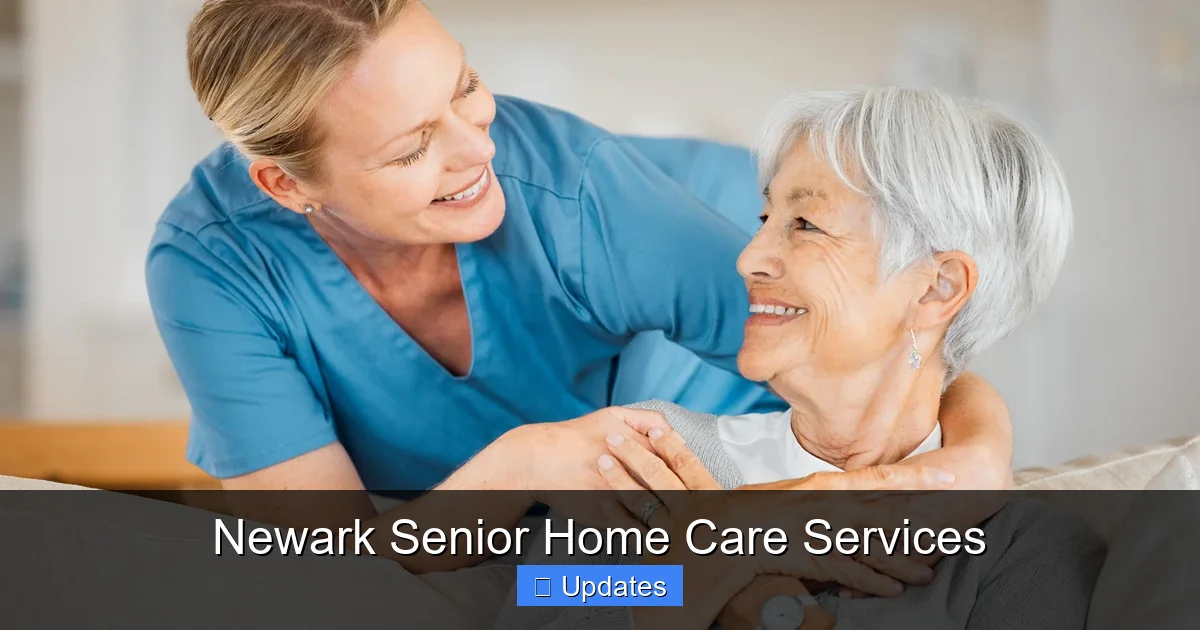
Visual guide about Newark Senior Home Care Services
Image source: wecaremoore.com
Newark’s home care landscape includes dozens of licensed providers offering diverse service levels. Most agencies operate under umbrella brands such as Home Instead Senior Care Newark, Visiting Angels Newark, or local independent companies like A Gentle Touch Senior Home Health Care. What unites them? A shared commitment to person-centered care.
Companionship and Social Engagement
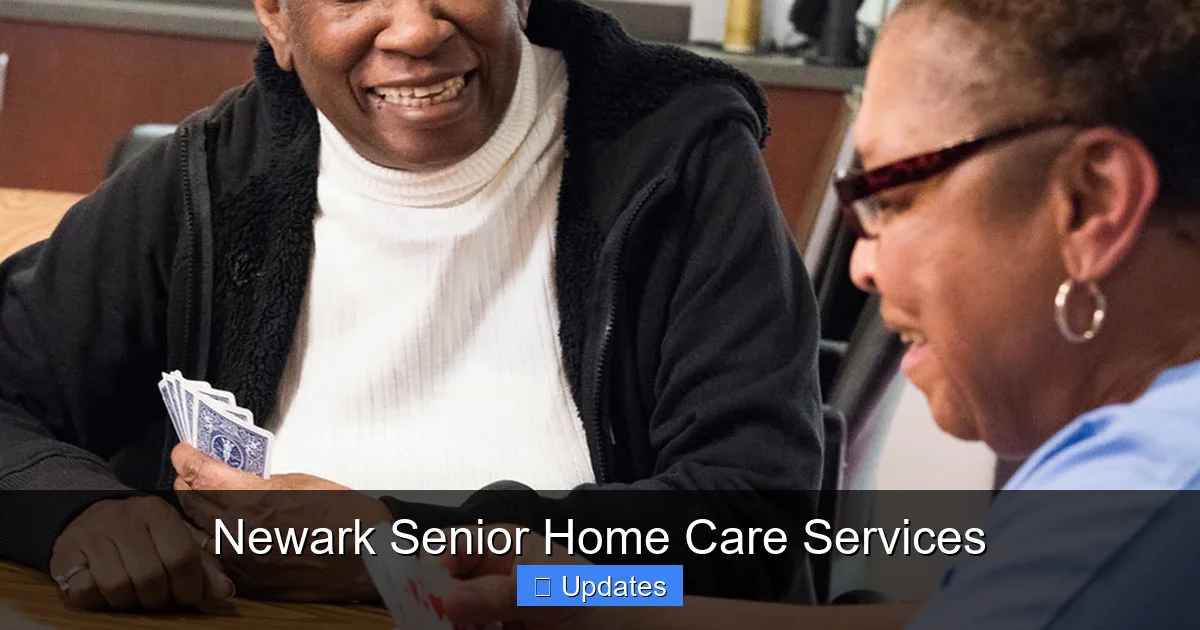
Loneliness affects nearly one-third of older adults in Essex County. Regular companionship helps combat isolation, improves mood, and encourages healthy routines. Companions might read books aloud, play cards, go for walks, or simply sit together watching TV. For seniors with mild cognitive impairment, consistent social interaction can even slow memory decline.
Activities of Daily Living (ADLs)
These are the basic tasks most of us take for granted: dressing, grooming, bathing, eating, using the bathroom. For someone with arthritis, Parkinson’s disease, or limited mobility, these become daily challenges. Professional caregivers trained in senior home care in Newark can assist gently and respectfully, always honoring the senior’s autonomy.
Imagine Mr. Thompson, 82, who lives alone after his wife passed away. His doctor recommended he stop driving due to dizziness episodes. With help from his caregiver, he now gets dressed each morning with encouragement, takes warm baths without fear of falling, and enjoys nutritious meals prepared fresh each day—even though he used to cook for himself every evening.
Medication Management
Mismanaged medications lead to ER visits, hospitalizations, and dangerous side effects. Skilled caregivers can:
– Use pill organizers and alarms
– Track refill dates
– Remind seniors to take doses at correct times
– Document reactions or missed pills
This level of oversight is especially valuable for those managing multiple prescriptions for diabetes, hypertension, or heart conditions.
Meal Preparation and Nutrition Support
Proper nutrition slows disease progression and boosts energy. Yet many seniors eat poorly due to fatigue, dental issues, or lack of appetite. Home care aides can prepare balanced meals, shop for groceries, and even supervise eating to ensure adequate intake.
Light Housekeeping and Laundry
A clean environment reduces infection risk and prevents tripping hazards. Tasks include:
– Changing linens
– Wiping surfaces
– Loading/unloading dishwasher
– Folding clothes
– Basic vacuuming
These chores free up time for seniors to focus on hobbies, family visits, or rest.
Transportation and Errands
Getting to doctor appointments, pharmacies, or social events requires reliable transport. Many agencies provide this service directly—or partner with ride-share programs like Uber Health. Caregivers may also accompany seniors to keep them company during trips.
Skilled Nursing and Medical Oversight
Some agencies employ registered nurses (RNs) or licensed practical nurses (LPNs) capable of:
– Administering injections or IV therapy
– Monitoring blood pressure and glucose levels
– Changing dressings
– Performing physical assessments
While not all providers offer this tier of care, it’s available through franchises like A Gentle Touch Senior Home Health Care, which specializes in medically complex cases.
Respite Care for Family Caregivers
Primary caregivers—often adult children or spouses—experience burnout quickly. Respite services give them a much-needed break while ensuring their loved one remains safe. Even two hours per week can dramatically reduce stress and prevent mistakes caused by exhaustion.
How to Choose the Right Newark Senior Home Care Agency
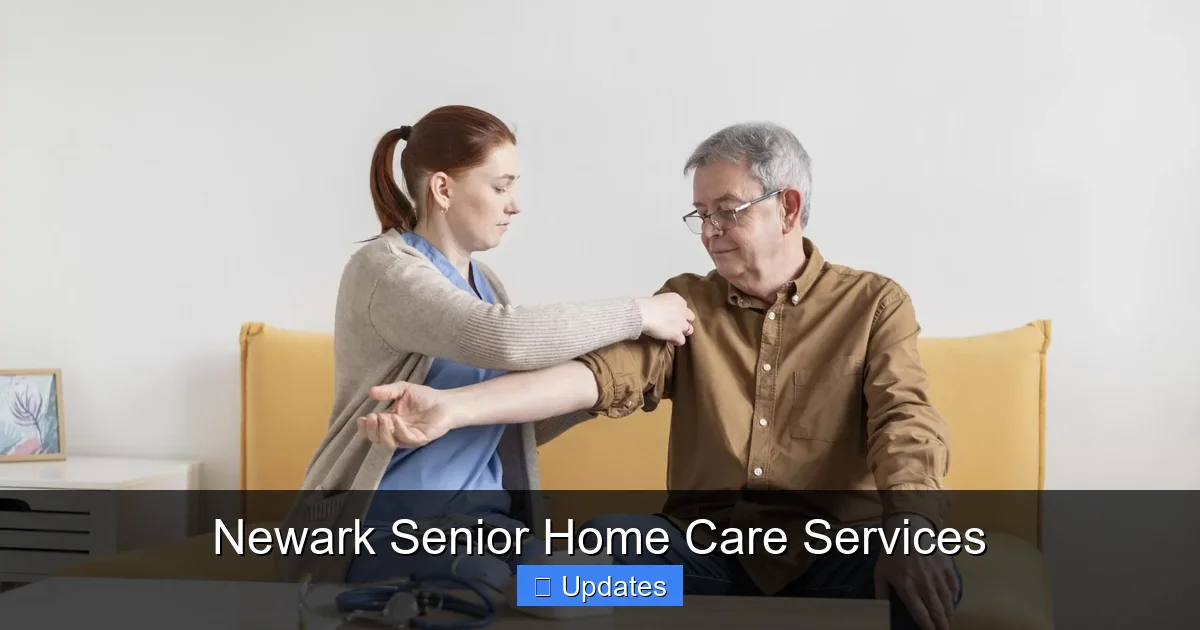
Visual guide about Newark Senior Home Care Services
Image source: povacare.co.uk
With so many options, narrowing down your search feels daunting. Here’s a step-by-step approach to finding trustworthy Newark senior home care services:
Step 1: Identify Specific Needs
Make a list of what your loved one requires. Is it help getting out of bed? Managing insulin shots? Cooking diabetic-friendly meals? Knowing exact needs helps you compare agencies accurately.
Step 2: Verify Licensing and Insurance
All legitimate agencies must be licensed by the NJ Department of Health. Ask for proof during initial calls. Also confirm workers’ compensation and liability insurance covers incidents on-site.
Step 3: Interview Multiple Providers
Contact at least three agencies. Ask about:
– Background checks (including fingerprinting)
– Training protocols (first aid, dementia care, fall prevention)
– Staff turnover rates
– Emergency response procedures
During interviews, pay attention to how staff speak about clients—do they use respectful language? Are they patient when answering questions?
Step 4: Meet Potential Caregivers
Request introductions to actual caregivers before committing. Observe how they interact with your loved one. Do they listen actively? Respect boundaries? Show empathy?
Step 5: Review Contracts Carefully
Ensure cancellation policies, payment terms, and confidentiality clauses align with your expectations. Never sign anything vague or rushed.
By following these steps, you’ll significantly increase your chances of finding an agency that truly understands your family’s values and goals.
Financial Aid and Funding Options for Newark Seniors
Visual guide about Newark Senior Home Care Services
Image source: firstlighthomecare.com
One major concern for families is affordability. The good news? Numerous public and private programs subsidize senior home care services in Newark.
Medicaid Home and Community-Based Services (HCBS) Waivers
New Jersey offers several waiver programs allowing eligible seniors to receive care at home instead of institutions. Qualification depends on income, assets, and functional need. Applications are processed through the NJ Division of Developmental Disabilities or Aging and Disability Resource Connection (ADRC).
Veterans Aid and Attendance Benefits
If your loved one served honorably and has a service-connected disability rating, they may qualify for additional monthly payments beyond standard VA pensions. These funds can be used flexibly, including paying caregivers.
Long-Term Care Insurance
Policies purchased years ago often cover in-home care. Contact insurers to verify coverage details and claim processes.
Private Pay and Flexible Spending Accounts (FSAs)
Many employers offer FSAs that let you set aside pre-tax dollars for medical expenses—including home care. Private payment remains an option, too; costs typically range from $20–$40/hour depending on complexity.
Don’t hesitate to ask agencies about sliding-scale fees or nonprofit discounts. Some organizations partner with churches or community centers to offset expenses.
Supporting Your Loved One Through the Transition
Introducing professional care into your senior’s routine requires sensitivity. Here’s how to make it smoother:
– **Involve them early**: Discuss options openly, emphasizing choice rather than obligation.
– **Highlight benefits**: Frame helpers as partners in maintaining independence, not replacements for family bonds.
– **Start small**: Begin with short visits (2–3 hours) to build trust before expanding hours.
– **Stay visible**: Visit regularly yourself, but avoid hovering. Let caregivers earn their role.
– **Celebrate milestones**: Mark anniversaries of care start dates with small tokens of appreciation for both senior and caregiver.
Remember: resistance is normal. Give space to adjust. Over time, most seniors grow comfortable—and sometimes even look forward to visits!
Technology Enhances Safety and Communication
Modern Newark senior home care services leverage technology to enhance safety and transparency. Features include:
– **GPS tracking pendants** for emergencies
– **Video calling systems** enabling virtual check-ins
– **Smart home sensors** detecting falls or unusual activity patterns
– **Care management apps** allowing real-time updates on meals, meds, or mood
Agencies like Ensuring Safety And Security With In Home Senior Care Providers specialize in integrating these tools seamlessly into daily life.
For tech-averse seniors, simple landline phones or wearable buttons suffice. The goal isn’t complexity—it’s peace of mind.
Building a Support Network Beyond Caregiving
Even with excellent in-home support, seniors benefit from broader connections. Consider enrolling them in:
– Senior center activities (e.g., Newark Senior Center programs)
– Faith-based groups (many churches offer meal delivery or volunteer visits)
– Walking clubs or exercise classes at local rec centers
– Book exchanges or hobby workshops
Social engagement complements physical care beautifully. Plus, it gives family members opportunities to connect without the pressure of “caregiving mode.”
Conclusion: Investing in Dignity and Independence
Choosing Newark senior home care services isn’t just about meeting practical needs—it’s about honoring your loved one’s right to age with grace, respect, and control over their own life. By partnering with compassionate professionals who prioritize individuality, you create a foundation for healthier, happier aging.
Whether your senior needs occasional companionship or comprehensive medical support, Newark’s network of licensed agencies stands ready to help. Take the first step today: research local providers, schedule consultations, and remember—you’re not alone in this journey.
With thoughtful planning and genuine connection, home becomes not just a place—but a sanctuary of belonging.
Frequently Asked Questions
What should I look for when choosing a Newark senior home care agency?
Prioritize licensed, insured providers with transparent background checks, ongoing caregiver training, and customizable care plans. Interview multiple agencies and meet potential caregivers before deciding. Look for responsiveness, empathy, and clear communication policies.
Are caregivers allowed to perform medical tasks like injections or wound care?
Only agencies employing RNs or LPNs can legally administer medical treatments. Always confirm credentials upfront. For non-medical assistance—bathing, dressing, meal prep—most certified caregivers are qualified.
How much do Newark senior home care services cost?
Hourly rates typically range from $20–$40, depending on service type and location. Costs vary widely based on intensity of care, travel distance, and whether services are billed hourly or as packages. Ask agencies about payment plans or financial aid options.
Can I get help if my loved one has Alzheimer’s or another dementia?
Yes! Specialized dementia care programs train staff in memory support, agitation management, and safety protocols. Agencies like A Gentle Touch Senior Home Health Care offer tailored approaches for cognitive decline.
Is there emergency support if something goes wrong during care hours?
Reputable agencies provide 24/7 on-call supervisors and escalation procedures. Ensure your contract specifies how emergencies (falls, missed meds, behavioral crises) are handled before signing.
How do I know if my loved one is ready for in-home care?
Signs include difficulty completing daily tasks, repeated safety concerns (trips, medication errors), social isolation, or expressed desire for more help. A geriatric care manager can assess readiness objectively.