
Low Income Senior Housing Wake County


Audiobook Player

Puzzle Book for Seniors

Upright Walker
Finding affordable housing for seniors in Wake County doesn’t have to be overwhelming. With government-assisted programs, nonprofit partnerships, and community resources, low-income seniors can access safe, dignified living environments. This guide walks you through eligibility, application tips, and local support systems—so you or your loved one can make informed decisions about senior housing in Raleigh, Cary, and surrounding areas.
Key Takeaways
- Wake County offers multiple low-income senior housing programs through HUD-funded Section 202 and state-supported options like NC Housing Finance Agency (HCFA) units.
- Eligibility is based on income, age, and residency—typically requiring applicants to be 62+ and earning at or below 50% of the area median income.
- Waiting lists are common, but proactive steps like registering early, checking for openings, and exploring nonprofit alternatives can improve chances.
- Nonprofit organizations like A Place for Mom and Senior Connections provide free guidance and listings for affordable senior housing across Wake County.
- Transportation and healthcare access are often included or nearby in subsidized communities, enhancing quality of life.
- Appeals and reapplication processes exist if denied; understanding your rights and seeking advocacy support increases success rates.
📑 Table of Contents
- Understanding Low Income Senior Housing in Wake County
- Types of Low Income Senior Housing Available in Wake County
- How to Qualify for Low Income Senior Housing in Wake County
- Navigating Waiting Lists: Tips & Strategies
- Resources & Support Services for Seniors in Wake County
- Practical Tips for Applying Successfully
- Common Challenges & How to Overcome Them
- Future Outlook: Trends in Wake County Senior Housing
Understanding Low Income Senior Housing in Wake County
Finding a place to call home as you age shouldn’t depend on how much money you make. For thousands of seniors across Wake County—especially in fast-growing communities like Raleigh, Cary, Apex, and Morrisville—the rising cost of rent and declining mobility make stable, affordable housing not just a comfort, but a necessity.
Low income senior housing in Wake County refers to subsidized or government-assisted rental properties designed specifically for adults aged 62 and older who meet strict income guidelines. These aren’t just “cheap apartments”—they’re thoughtfully planned communities offering accessibility features, wellness programs, and social engagement opportunities tailored to older adults.
What makes Wake County unique? It’s one of North Carolina’s most dynamic regions, blending urban amenities with suburban charm. Yet this growth has driven up housing costs faster than wages, squeezing fixed-income seniors. That’s why local, state, and federal agencies have partnered with nonprofits and private developers to create sustainable solutions.
Whether you’re relocating from out of state, downsizing after retirement, or simply looking for peace of mind knowing your rent won’t spike unexpectedly, understanding your options is key. Let’s walk through what’s available, how to qualify, and where to start your search.
Why Affordable Senior Housing Matters
Imagine living paycheck to paycheck, worrying each month whether you’ll afford groceries or medication because rent consumes nearly half your Social Security check. This isn’t hypothetical—it’s reality for many Wake County seniors.
The National Low Income Housing Coalition reports that a full-time minimum wage worker cannot afford a one-bedroom apartment anywhere in the U.S. In Wake County, the median rent for a one-bedroom unit exceeds $1,400 monthly. For someone relying solely on SSI ($943/month) or Social Security ($1,827 average), this creates an impossible choice: pay rent or eat.
Affordable senior housing changes that equation. By capping rents at 30% of your adjusted gross income and covering utilities through project-based subsidies, these communities ensure stability. Plus, they often include services like meal delivery, transportation to medical appointments, and housekeeping—reducing isolation and improving health outcomes.
In short: affordable housing = financial security + physical safety + emotional well-being.
Types of Low Income Senior Housing Available in Wake County
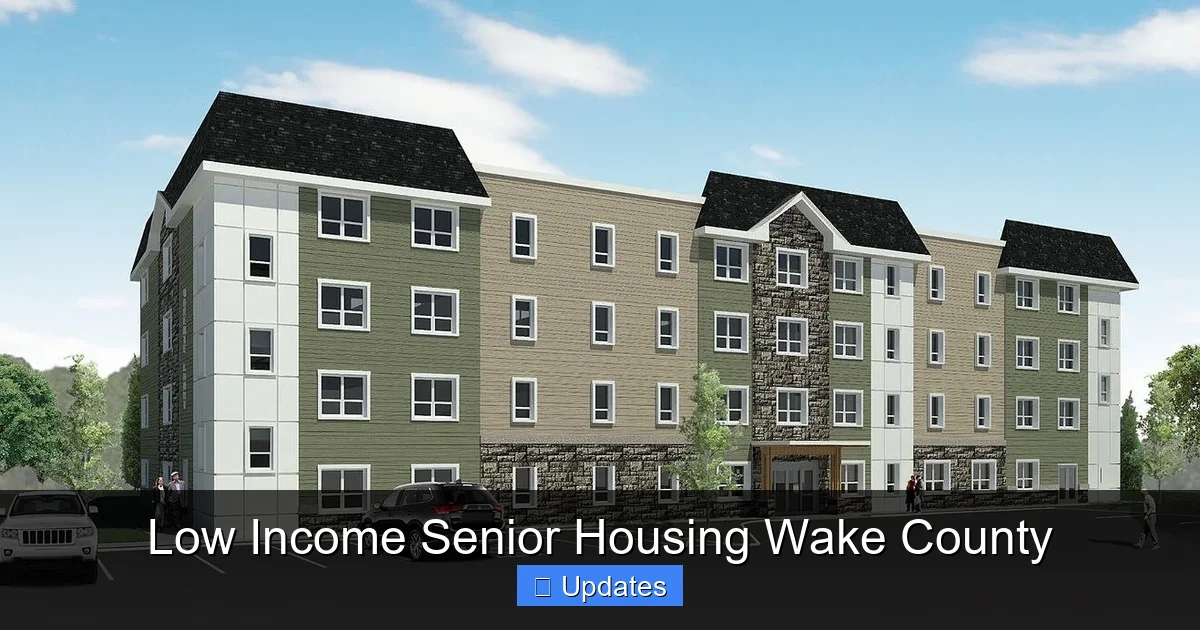
Visual guide about Low Income Senior Housing Wake County
Image source: lowincomehousing.us
Not all senior housing looks the same. Wake County offers several models tailored to different needs, budgets, and lifestyles. Understanding the differences helps you pick the right fit.
HUD-Assisted Properties
Administered by the U.S. Department of Housing and Urban Development (HUD), these buildings receive federal funding to keep rents affordable. Residents pay 30% of their income toward rent; the rest is covered by the subsidy.
Examples in Wake County:
– Raleigh Towers: Located near downtown, offers studios and one-bedrooms with elevators, emergency call systems, and weekly social events.
– Cary Senior Commons: Features ADA-compliant units, a community garden, and partnerships with WakeMed for on-site health screenings.
To qualify, you must be 62+, live in the unit full-time, and earn ≤50% of Wake County’s Area Median Income (AMI). For a single person, that’s about $38,000/year as of 2024.
State-Funded Programs via NC Housing Finance Agency
North Carolina’s HCFA manages several aging-in-place initiatives, including the Senior Rental Assistance Program (SRAP). Unlike HUD projects, SRAP units aren’t always dedicated solely to seniors—but priority goes to those 62+. Rent is capped at 30% of income, and utilities may be included.
One standout: Wake Senior Village in Garner combines independent living suites with memory care wings, all under one roof. Residents enjoy scheduled outings, fitness classes, and a pet-friendly policy.
Nonprofit & Faith-Based Communities
Organizations like Salvation Army Elder Services and United Methodist Retirement Communities operate low-cost housing with mission-driven values. These often include spiritual support, volunteer networks, and sliding-scale fees.
For example, St. Augustine’s Abbey in Raleigh provides studio and efficiency apartments for contemplative elders, while still allowing community interaction. Fees start around $600/month—well below market rate.
Shared Housing & Co-Living Models
Emerging trends include intergenerational co-housing and roommate matching services. Groups like Wake County Shared Living Network connect compatible seniors to share costs and companionship. While not traditional apartments, these arrangements offer affordability without sacrificing independence.
How to Qualify for Low Income Senior Housing in Wake County
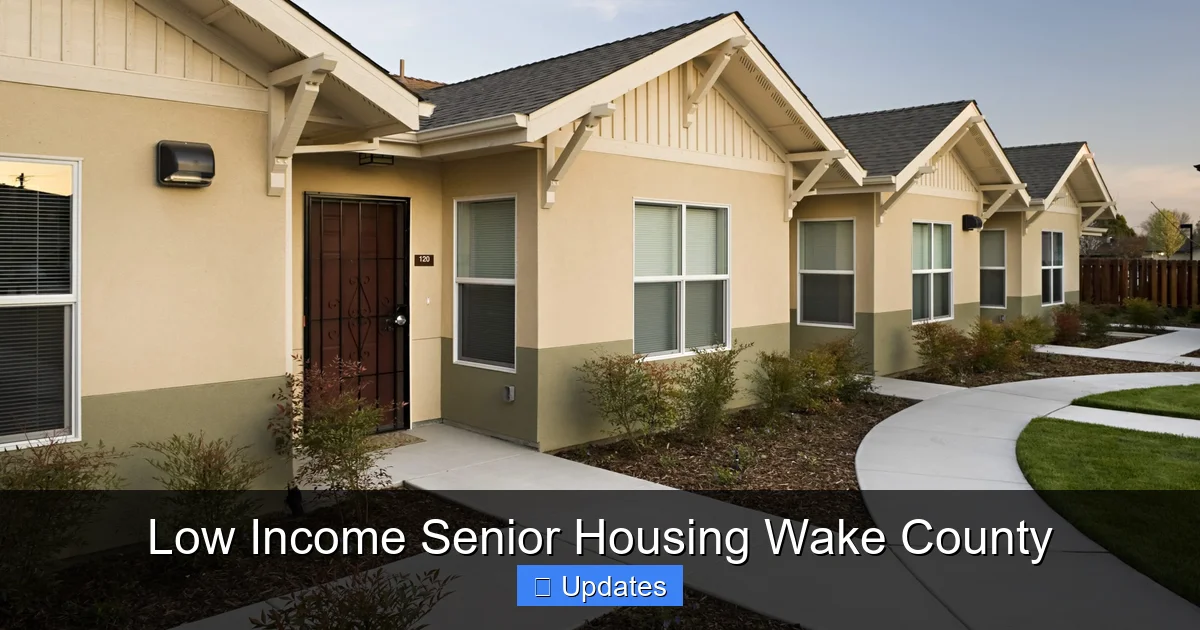
Visual guide about Low Income Senior Housing Wake County
Image source: lowincomehousing.us
Getting into a subsidized unit isn’t automatic—there’s a process, and it starts with meeting basic criteria.
Age Requirement
Nearly all programs require residents to be at least 62 years old. Some allow younger individuals with disabilities under certain conditions (e.g., Section 811 supportive housing).
Income Limits
Income is measured annually and includes wages, pensions, Social Security, and investment returns. As noted earlier, 50% of AMI applies:
| Household Size | Max Annual Income |
|—————-|——————-|
| Single | $38,000 |
| Couple | $43,000 |
Note: Some nonprofits use slightly higher thresholds (up to 80% AMI), so don’t assume disqualification without checking.
Residency Proof
You’ll need to show proof you’re a Wake County resident. Acceptable documents include a driver’s license, utility bill, or voter registration card.
Screening Process
Applicants undergo background checks (criminal history is reviewed but rarely disqualifying unless violent offenses exist), reference checks, and sometimes interviews. The goal is ensuring compatibility and responsibility—not discrimination.
Navigating Waiting Lists: Tips & Strategies
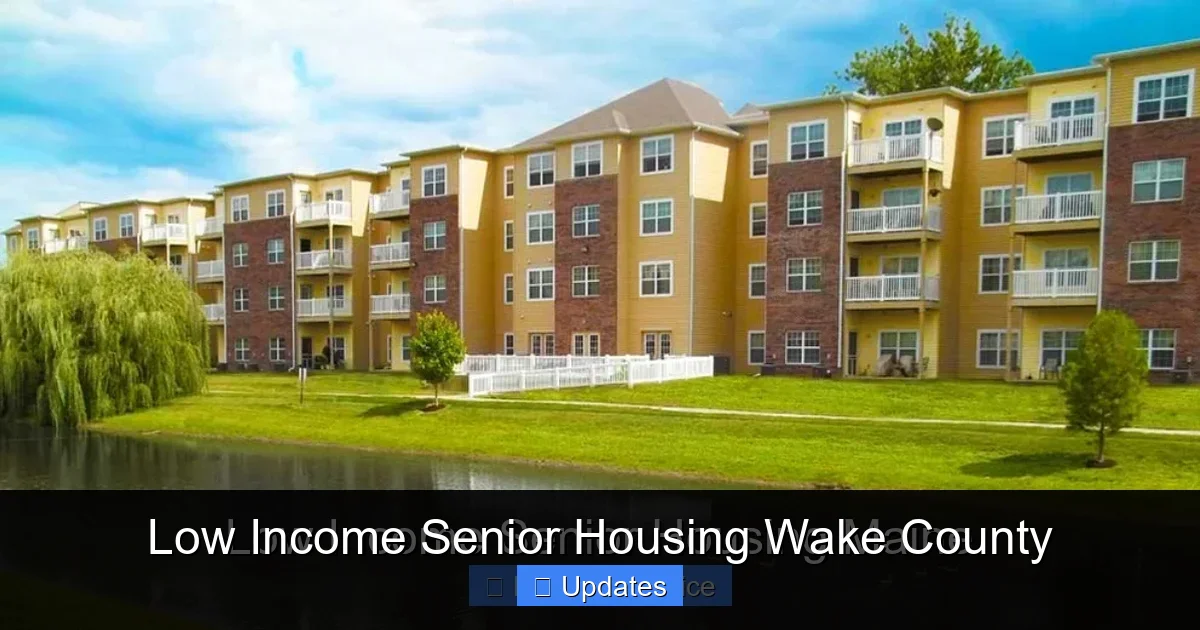
Visual guide about Low Income Senior Housing Wake County
Image source: seniorsprotalk.com
Let’s be real: waiting lists for low income senior housing in Wake County can stretch years long. But there are ways to improve your odds.
Register Early and Often
Many programs accept pre-applications months in advance. For instance, Raleigh Towers opens its waitlist every January for the following year. If you miss it, ask to be added to a notification list.
Check for “Turnover” Opportunities
Units open up when current tenants move out or pass away. Sign up for alerts via:
– Wake County Human Services portal
– HUD’s Local Public Housing Authority (PHA) contacts
– Nonprofit newsletters (e.g., Senior Connections)
Tip: Call weekly! Staff often forget to update lists—your persistence pays off.
Explore Multiple Listings Simultaneously
Don’t put all eggs in one basket. Apply to:
– At least 3–5 HUD properties
– One state-funded program
– One faith-based or nonprofit option
Cross-referencing increases your chance of hearing “yes” first.
Consider Nearby Counties
If Wake is too competitive, look at neighboring counties like Durham or Johnston—they sometimes have shorter waits and similar benefits.
Resources & Support Services for Seniors in Wake County
You don’t have to navigate this alone. Wake County offers robust support networks to help seniors find housing and thrive.
Wake County Department of Human Services
This agency oversees Section 202 Housing Choice Vouchers and connects applicants to available units. Their website includes an interactive map showing active properties by ZIP code.
Contact: (919) 212-4900
Website: wakegov.com/human-services
Senior Connections
A nonprofit serving older adults across central NC, Senior Connections offers:
– Free housing counseling
– Transportation vouchers
– Legal aid referrals
They also maintain a “Housing Finder” database updated biweekly. Visit their office at 201 W Davie St, Raleigh, or call (919) 231-9100.
A Place for Mom
While not government-run, this trusted resource aggregates listings from over 25,000 providers nationwide—including Wake County. Their advisors match seniors to suitable communities based on preferences, budget, and care needs.
Tip: Use their “No Waiting List” filter to narrow results instantly.
NC Council on Aging
Offers statewide assistance through SHIP (State Health Insurance Assistance Program) and Legal Aid of NC partnerships. They can help interpret lease agreements and appeal denials.
Website: ncaging.org
Practical Tips for Applying Successfully
Here’s how to stand out during the application process:
Prepare Documents Ahead of Time
Gather:
– Birth certificate or passport
– Recent tax returns
– Bank statements (last 3 months)
– Social Security award letter
– Medical records (if applying for disability exceptions)
Pro tip: Make copies and store digitally too!
Dress Professionally During Interviews
First impressions matter. Even informal calls benefit from clear speech and prepared answers about your lifestyle and needs.
Ask About Subsidy Types
Understand whether the unit uses:
– Project-based Section 8
– HUD-VASH (for veterans)
– Low-Income Home Energy Assistance Program (LIHEAP) energy credits
Each affects long-term costs differently.
Follow Up Within 48 Hours
Send a thank-you email reiterating interest. Mention specific amenities you value (e.g., “I appreciate the shuttle service to Duke Hospital”).
Common Challenges & How to Overcome Them
Even with preparation, hurdles arise. Here’s how to tackle them head-on.
Challenge #1: Long Wait Times
Solution: Combine applications with roommate searches or consider temporary solutions like subsidized hotels (via Emergency Solutions Grants) while waiting.
Challenge #2: Language Barriers
Solution: Request interpreters when calling human services. Many nonprofts offer multilingual staff.
Challenge #3: Denial Appeals
Solution: All HUD-funded properties must follow fair housing laws. If denied, request written reasons and consult Legal Aid of NC (free service).
Challenge #4: Hidden Fees
Solution: Always review the lease carefully. Ask staff to explain “administrative fees,” “parking charges,” or “amenity deposits.” Legitimate units won’t nickel-and-dime seniors.
Future Outlook: Trends in Wake County Senior Housing
Wake County is investing heavily in aging-in-place infrastructure. Recent developments include:
– **Smart Apartment Upgrades**: Sensors monitor falls, medication adherence, and energy usage.
– **Green Building Initiatives**: LEED-certified complexes reduce utility bills further.
– **Partnerships with UNC Hospitals**: On-site clinics cut travel time for chronic disease management.
By 2026, the county aims to double its stock of affordable senior units—but demand will likely outpace supply for years.
Stay informed by subscribing to:
– Wake County Aging Newsletter
– NC Housing News blog
Frequently Asked Questions
What is the maximum income to qualify for low income senior housing in Wake County?
As of 2024, households must earn no more than 50% of Wake County’s Area Median Income. For a single senior, that’s approximately $38,000 annually. Couples can earn up to $43,000. Some nonprofit programs accept up to 80% AMI.
Are pets allowed in low income senior housing units?
Many subsidized communities welcome small pets (cats/dogs under 25 lbs) with a refundable deposit. Service animals are always permitted regardless of size. Always confirm policies before applying—some HUD properties prohibit pets entirely.
How long do waitlists typically last for Wake County senior housing?
Wait times vary widely. HUD properties often have 2–5 year waits due to high demand. State-funded programs may be shorter (6–18 months). Proactive monitoring and multiple applications reduce delays significantly.
Can I apply if I’m still working full-time?
Yes, as long as your total annual income (including employment) falls within the limit and you meet age/residency requirements. Part-time work or gig economy income also counts—just report everything accurately during screening.
Is there transportation included in low income senior housing?
Many communities offer free or discounted shuttles to grocery stores, pharmacies, and medical centers. Others partner with public transit (GoRaleigh buses). Check each property’s amenities list—transportation is rarely guaranteed but commonly available.
What should I bring when touring a low income senior housing unit?
Bring valid ID, proof of income (pay stubs/tax returns), residency documentation (utility bill), and a list of questions about lease terms, guest policies, and maintenance response times. Take notes and photos to compare options fairly.