
Low Income Senior Housing Surprise Az


Kitchen Timer with Large Display

Raised Toilet Seat

Voice Assistant Smart Speaker
Finding low income senior housing in Arizona doesn’t have to be overwhelming. With the right resources and insider knowledge, seniors can uncover affordable living options that provide dignity, care, and peace of mind. This guide reveals surprising opportunities across the state—many with short waiting lists or flexible eligibility—so you can secure a safe, supportive home without financial stress.
Arizona has become an unexpected haven for seniors seeking affordable, dignified housing. While many assume Phoenix, Tucson, or Sedona are the only places with senior communities, dozens of smaller towns and rural areas now offer surprisingly accessible low income senior housing options. These aren’t just basic apartments—they include modern amenities, supportive services, and strong community engagement tailored specifically for older adults.
What makes this “surprise” factor so valuable is that many of these communities operate under the radar. They may not appear on major listing sites or receive national attention, but they’re real, well-maintained, and actively accepting residents. Whether you’re a fixed-income retiree, a veteran, or someone transitioning from independent living, understanding how to find these hidden gems can dramatically improve your quality of life while keeping expenses manageable.
Key Takeaways
- Hidden Opportunities Exist: Many low income senior housing communities in Arizona operate with minimal waitlists or accept walk-in applications—something not always advertised online.
- Eligibility Is More Flexible Than You Think: Income limits vary by property and household size; some units accept applicants earning up to 60% of area median income (AMI).
- Utilities and Support Services Are Often Included: Unlike private rentals, subsidized senior housing frequently covers rent, utilities, meal plans, and transportation—reducing out-of-pocket costs significantly.
- Location Matters Less Than You Believe: Some unexpected towns like Yuma, Sierra Vista, and Kingman offer high-quality, affordable senior housing with access to medical care and recreation.
- Nonprofits and VA Benefits Can Help: Organizations like AARP and Veterans Affairs expand access through grants, waivers, and priority placement programs.
- Application Timing Makes a Difference: Applying early in the month or after funding cycles often increases approval chances due to available units.
- Virtual Tours Are Now Common: Most properties offer video tours and virtual meetings, making it easier to explore options without traveling long distances.
📑 Table of Contents
- Understanding Low Income Senior Housing in Arizona
- Surprising Locations with Affordable Options
- Navigating the Application Process Smoothly
- Beyond Rent: What Else Is Covered?
- Maintaining Independence Without Sacrificing Safety
- Preparing for Your Move: Practical Tips
- Looking Ahead: Future Trends in Arizona Senior Housing
Understanding Low Income Senior Housing in Arizona
Low income senior housing in Arizona refers to federally and state-funded residential communities designed specifically for adults aged 62 and older who meet strict income requirements. These properties are typically managed by nonprofit organizations or government agencies and receive subsidies through programs like HUD’s Section 202 Supportive Housing for the Elderly or USDA Rural Development.
The beauty of these communities lies in their holistic approach. Beyond just four walls and a roof, residents gain access to nutritious meals, health screenings, social activities, transportation assistance, and sometimes even on-site nursing or wellness programs. This comprehensive support system helps combat isolation and promotes active aging—a key concern for seniors living on limited budgets.
Unlike traditional assisted living facilities that charge premium rates, low income senior housing operates on a sliding scale based on household size and total income. For example, a single resident might qualify if they earn less than $28,000 annually, while a couple could have a combined income of up to $35,000. These thresholds are adjusted yearly and vary slightly between urban and rural locations.
Types of Subsidized Senior Living Available
There are several types of low income senior housing in Arizona, each serving different needs:
Project-Based Section 202 Housing: Built and operated by nonprofits, these complexes offer one- and two-bedroom units with rent capped at 30% of tenant income. Utilities are usually included, and many include meal programs or activity coordinators.
HUD-Assisted Multifamily Properties: These are mixed-income developments where a percentage of units are reserved for seniors earning no more than 50% of AMI. Residents pay reduced rents but still contribute toward common area maintenance.
USDA Rural Rental Assistance: Available in qualifying zip codes outside metropolitan areas, this program subsidizes rent for eligible seniors in privately owned buildings, often in scenic or quiet neighborhoods.
VA-Preferred Communities: Several Arizona properties partner with the Department of Veterans Affairs to give veterans first priority in occupancy, sometimes with additional benefits like waived application fees.
Each type has its own application process and eligibility rules, but all aim to provide safe, affordable shelter with added dignity and support.
Surprising Locations with Affordable Options
Visual guide about Low Income Senior Housing Surprise Az
Image source: wetpaint.com
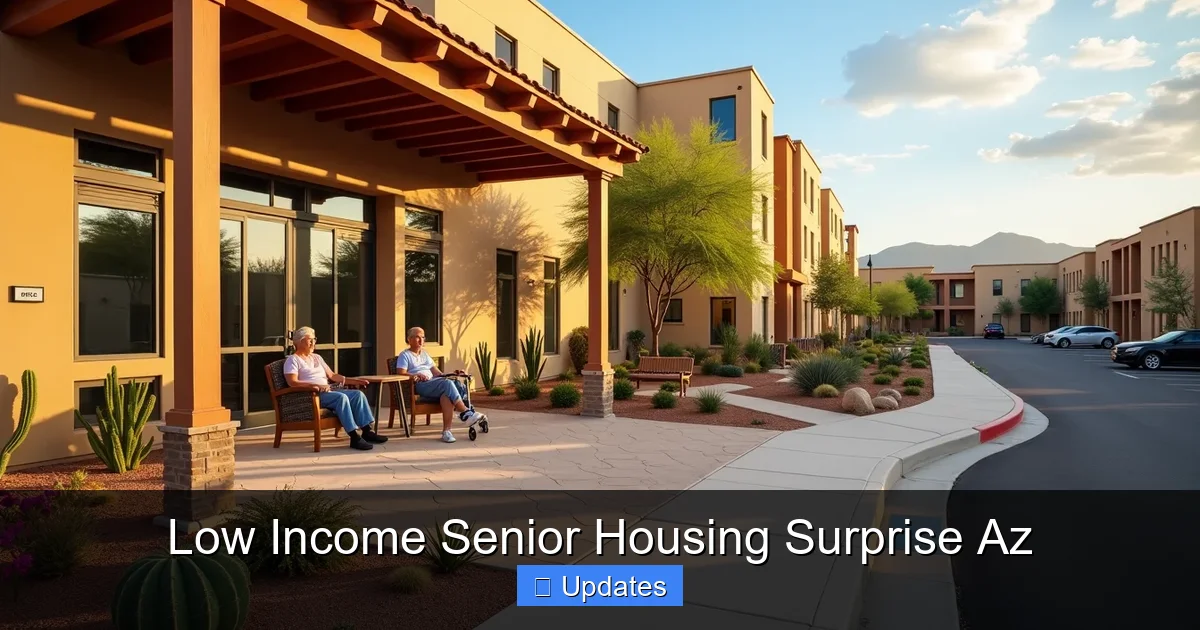
You won’t always find the best deals in big cities. In fact, some of the most accessible low income senior housing in Arizona is located in smaller communities where land and operating costs are lower. Consider these unexpected spots:
Kingman: Nestled along Route 66, Kingman offers three fully subsidized senior complexes with waitlists under six months. Units start around $400/month including utilities and basic cable.
Sierra Vista: Located near Fort Huachuca military base, this town has multiple HUD-approved properties offering Spanish-language support and proximity to Mayo Clinic Health System.
Yuma: With year-round mild weather and desert landscapes, Yuma features low-rise senior apartments with pool access and shuttle service to Walmart and pharmacies.
Show Low: This ski-resort town turned retirement destination has seen a surge in senior-friendly housing projects over the past five years, many with mountain views and walking trails nearby.
These communities often surprise newcomers with their warmth, low crime rates, and slower pace—perfect for those escaping urban chaos without sacrificing safety or comfort.
How to Identify Hidden Gems Before They Fill Up
One of the biggest advantages of Arizona’s low income senior housing market is availability. Unlike other states where waiting lists stretch years, many Arizona properties maintain open beds or accept applications within days. Here’s how to spot them:
Check local newspaper classifieds monthly—some communities post openings there before advertising online. Call county aging departments; they often know which properties have recent vacancies. Attend senior fairs at libraries or community centers where property managers set up booths. Use Facebook groups like “Seniors Helping Seniors AZ” where members share real-time updates.
Also, ask about “turnover units.” When a resident passes away or moves out, those units are prioritized for new applicants. Being first in line when one opens can mean securing housing within weeks instead of months.
Navigating the Application Process Smoothly
Visual guide about Low Income Senior Housing Surprise Az
Image source: seniorsite.org
The application journey can feel daunting, but knowing the steps ahead of time removes much of the anxiety. Start by gathering documents: Social Security statements, bank records, lease agreements (if applicable), and proof of age. Then contact the specific property directly—not just the website form. Phone calls show initiative and allow you to ask follow-up questions.
Be prepared for background checks and income verification. Most properties require three months of pay stubs or pension statements. If you’re borderline on income, mention any irregular expenses like medical bills or home repairs—they may adjust your eligibility upward.
Timing is everything. Submit applications as soon as you learn about openings. Some properties use lottery systems for popular communities, while others prioritize applicants who apply earliest in the calendar month.
Don’t hesitate to visit in person. Drive by during business hours and speak with staff. Trust your gut—if something feels off, keep looking. There are plenty of options.
Common Pitfalls to Avoid
Even experienced seniors make mistakes when applying. First, don’t assume all low income senior housing is free. While rent is reduced, residents still pay something—usually 30% of their income. Second, avoid scams. Legitimate properties will never ask for payment before showing the unit or guarantee approval. Third, don’t overlook accessibility features. Ensure elevators, grab bars, and emergency call systems are present if mobility is a concern.
Another frequent error is applying too late. As noted earlier, vacancies happen quickly. If you see a good fit, act fast—even if you’re not fully ready to move.
Finally, remember that not every property listed online is still operational. Always verify current status with the leasing office before spending time on applications.
Beyond Rent: What Else Is Covered?

Visual guide about Low Income Senior Housing Surprise Az
Image source: downsizegeek.com
Here’s where low income senior housing in Arizona truly shines. Unlike renting an apartment on your own, subsidized senior communities bundle many essential services into your monthly cost:
Meals: Most include breakfast and dinner seven days a week in a communal dining room. Nutritional guidelines follow USDA standards, and dietary restrictions are accommodated.
Transportation: Shuttle vans run weekly errands to grocery stores, banks, and medical appointments. Some even offer recreational trips to museums or theaters.
Housekeeping: Weekly cleaning of common areas and assistance with laundry is standard. Personal care aides may be available for an extra fee.
Social Programming: From bingo nights to art classes, these communities foster connection. Health seminars, exercise groups, and holiday celebrations keep loneliness at bay.
Utilities: Heat, cooling, water, trash removal, and basic internet are included. That means no unpredictable bills when temps swing from 90°F to 40°F overnight.
This bundled approach not only simplifies budgeting but also creates a true sense of belonging—something many seniors say was missing from previous living arrangements.
Special Programs for Veterans and Native Americans
Arizona has unique resources for specific populations. The Phoenix VA Healthcare System partners with several housing providers to offer priority placement and financial aid to eligible veterans. Requirements include honorable discharge and service-connected disability status (though non-disabled vets may qualify depending on income).
For Native American seniors, tribal housing authorities administer federal funds to build and manage affordable units on reservations. Properties like those in Window Rock (Navajo Nation) or Tuba City provide culturally appropriate environments with language support and traditional healing spaces.
Both groups should contact their local VA office or tribal council early in the search process—these programs often have shorter wait times than general senior housing.
Maintaining Independence Without Sacrificing Safety
A common myth is that entering low income senior housing means giving up independence. Nothing could be further from the truth. These communities are designed to support autonomy while providing backup when needed. Private bathrooms, full kitchens, and personal storage lockers let residents live exactly how they choose.
Safety features abound: smoke detectors with strobe lights, emergency response pendants, and 24/7 front desk staffing ensure help is always close by. But unlike locked-down facilities, doors remain unlocked during daytime hours so residents can come and go freely.
Many properties also offer optional add-on services like medication reminders, mobility assistance, or companionship visits—all billed separately. This modular system allows customization without forcing unwanted care.
Seniors often report feeling more independent than before because they’re no longer responsible for yard work, appliance repairs, or navigating unreliable public transit alone.
Community Building: The Real Benefit
Perhaps the greatest surprise isn’t the affordability or amenities—it’s the friendships formed. Loneliness affects nearly 40% of older adults nationwide, yet residents of low income senior housing consistently rate social satisfaction higher than peers living independently.
Shared meals spark conversation. Group walks build camaraderie. Volunteer opportunities create purpose. And when someone falls ill, neighbors rally—delivering soup, running errands, checking in daily.
These organic support networks often last beyond residency, creating lifelong bonds. Many former residents stay connected through annual reunions or regular phone calls.
For those who’ve lost spouses or relocated far from family, this sense of chosen family becomes invaluable.
Preparing for Your Move: Practical Tips
Once approved, planning your transition carefully ensures a smooth experience. Start decluttering six weeks ahead. Donate what you don’t need; many communities host donation drives for incoming residents. Pack essentials in clearly labeled boxes and keep a suitcase ready for quick departure.
Notify utilities and banks in advance. Set up mail forwarding through the post office. Arrange pet boarding or trusted sitters if you have furry companions.
Visit the community weekly during your first month. Introduce yourself to staff and neighbors. Ask about meal schedules, activity calendars, and maintenance procedures. Knowing the rhythm of daily life reduces anxiety.
Most importantly, embrace the change. Yes, routines shift—but so do stress levels and social circles. Within weeks, you’ll likely look back wondering why you waited so long.
Financial Planning Made Simple
Budgeting for low income senior housing requires adjusting expectations—but also reveals savings. Compare your current housing costs (rent, utilities, car payments, groceries) with projected community expenses. You’ll probably find monthly bills drop 30–50%, freeing up funds for travel, hobbies, or emergency savings.
Many residents allocate freed-up income toward supplemental insurance, dental care, or vacation trips. Others simply enjoy peace of mind knowing they’re not one medical bill away from eviction.
If you’re concerned about initial move-in costs, ask about security deposit alternatives. Some properties offer payment plans or waive deposits for veterans or disabled residents.
Remember: affordability doesn’t mean sacrifice. It means smart allocation of limited resources toward what truly matters.
Looking Ahead: Future Trends in Arizona Senior Housing
Arizona’s population is aging rapidly. By 2030, over 2 million residents will be 65+, doubling current numbers. This growth is spurring innovation in senior housing design—especially around sustainability and technology.
Newer developments feature solar panels, drought-resistant landscaping, and energy-efficient appliances to reduce both environmental impact and utility bills. Smart thermostats and wearable health monitors are becoming standard, allowing remote wellness checks without intrusive surveillance.
There’s also a push toward mixed-use communities that integrate retail, healthcare clinics, and green spaces. Imagine walking distance to a pharmacy, bank, and farmers market—all within a secure, pedestrian-friendly environment.
These trends suggest that future low income senior housing in Arizona will become even more attractive: cheaper, greener, and better connected to vital services.
How to Stay Updated
To catch new openings before they disappear, subscribe to newsletters from the Arizona Department of Housing or AARP’s regional alerts. Follow local nonprofits like “Arizona Senior Living Resources” on social media. Check city websites monthly—some post available units in real time.
Building relationships with property managers pays dividends. Once you secure housing, stay engaged. They’ll notify you immediately if another unit opens up.
And don’t forget to advocate! If you know of a deserving applicant, refer them. Word-of-mouth is the fastest way these communities fill vacancies.
—
In the end, finding low income senior housing in Arizona doesn’t have to be a mystery or a struggle. With patience, persistence, and the right strategies, seniors can discover affordable, dignified homes in places they never expected. The surprises aren’t just in the prices or locations—they’re in the joy of belonging, the relief of predictable costs, and the confidence that comes from knowing help is always nearby.
Whether you’re exploring options today or preparing for tomorrow, remember: you deserve comfortable, safe, and enriching housing—no matter your income level. Arizona’s hidden senior housing gems prove that possibility exists everywhere, if you know where to look.
Frequently Asked Questions
Are there low income senior housing options in Arizona with no waiting list?
Yes, several Arizona communities maintain short or no waiting lists due to turnover or increased funding. Properties in Kingman, Sierra Vista, and Yuma frequently accept applications within weeks. Always call directly to confirm current availability—online listings may be outdated.
How much does low income senior housing cost in Arizona?
Rent is typically 30% of your monthly income, with many properties including utilities, meals, and transportation in that amount. For a single person earning $25,000/year, rent might be around $650/month. Actual costs vary by location and household size.
Can I apply if my income is slightly above the limit?
Possibly. Some properties use discretion for applicants with high medical expenses or dependents. Bring documentation proving exceptional circumstances—and don’t hesitate to ask about exceptions during your inquiry.
Do pets count toward income calculations?
No, pets don’t affect income limits. However, pet policies vary by property. Most allow small dogs/cats with a refundable deposit. Larger animals may require special approval or be restricted.
Is low income senior housing in Arizona safe?
Yes, these communities undergo regular inspections and prioritize resident safety. Features like emergency call systems, secure entrances, and on-site staff are standard. Crime rates are generally lower than surrounding neighborhoods.
What if I need more care than basic housing provides?
Many Arizona low income senior housing communities partner with home health agencies or offer adjacent assisted living wings. Staff can help coordinate additional services like skilled nursing or memory care referrals.
