
Low Income Senior Housing Rhode Island


Electric Food Chopper

Weekly Pill Organizer

Fall Detection Smart Watch
Rhode Island offers several paths to secure low income senior housing, from state-subsidized apartments to nonprofit-affiliated communities. Whether you’re a fixed-income retiree or facing rising living costs, knowing your options can bring peace of mind and stability. This guide walks you through eligibility, application tips, and where to turn for help across the Ocean State.
Finding safe, comfortable, and affordable housing as a low income senior in Rhode Island doesn’t have to feel overwhelming. With the right information and support, you can access quality housing that fits your budget and lifestyle. Whether you’re looking for independent living, assisted care, or memory support, this guide covers everything you need to know about low income senior housing Rhode Island—from eligibility rules to real-life examples and practical next steps.
Rhode Island has long recognized the importance of stable, dignified housing for older adults. That’s why the state partners with federal agencies, nonprofits, and private developers to create subsidized housing options specifically designed for seniors. These aren’t just places to sleep—they’re communities built with accessibility, social connection, and support in mind. And while demand often exceeds supply, there are strategies to increase your chances of finding a spot that works for you.
In this article, we’ll walk through the types of low income senior housing available in Rhode Island, explain how to qualify, share tips for navigating waiting lists, and point you toward local resources that make the process easier. You’ll also learn what questions to ask when touring potential homes and how to avoid common pitfalls during the application process.
Key Takeaways
- Eligibility matters: Most low income senior housing in Rhode Island requires applicants to be 62+, have limited income, and meet residency requirements.
- State programs are key: The RI Housing & Mortgage Finance Corporation (RIMFA) runs several subsidized senior housing developments with rent based on income.
- Nonprofits offer alternatives: Organizations like Catholic Charities and St. Vincent de Paul provide affordable senior housing with supportive services.
- Waiting lists exist: Popular developments often have long wait times, so applying early and exploring multiple options is smart.
- Assistance is available: Local Area Agencies on Aging (AAA) and case managers can help navigate applications and benefits.
- Rent includes utilities: Many low income senior housing units cover heat, hot water, and sometimes electricity in the monthly cost.
- Accessibility features: Look for age-friendly designs—ramps, grab bars, and emergency call systems—that improve safety and independence.
📑 Table of Contents
- Understanding Low Income Senior Housing in Rhode Island
- How to Apply for Low Income Senior Housing
- Top Low Income Senior Housing Communities in Rhode Island
- Financial Assistance Beyond Rent Subsidies
- Support Services Integrated Into Senior Housing
- Common Mistakes to Avoid
- Looking Ahead: Future Opportunities
Understanding Low Income Senior Housing in Rhode Island
Low income senior housing refers to affordable rental units reserved for adults aged 55 or 62+ whose incomes fall at or below certain thresholds set by HUD (U.S. Department of Housing and Urban Development). In Rhode Island, these units are often funded through Section 811 Supportive Housing for Persons with Disabilities, HUD’s Project-Based Voucher program, or state-specific initiatives like those run by RIMFA.
What makes these properties special? First, they’re usually located in neighborhoods with good access to medical care, public transit, grocery stores, and recreational spaces. Second, many include shared amenities like community rooms, gardens, or fitness areas tailored to older adults. Third, they prioritize universal design—think wide doorways, no-step entries, and lever-style faucets—so residents can age in place comfortably.
It’s important to note that “low income” doesn’t mean “no income.” For example, as of 2024, a one-person household in Providence County earning under $39,700 annually may qualify for some programs. Two-person households have slightly higher limits, and rural areas like Washington or Newport counties may allow even more due to lower regional costs.
Types of Affordable Senior Housing Options
Not all low income senior housing looks the same. Here are the main categories you’ll encounter:
– Project-Based Section 8 Housing: These are fixed-location apartments where the subsidy is tied to the building, not the individual. Rent is typically 30% of your adjusted gross income. Examples include The Residences at Elm Court in Cranston and Harbor Pointe Apartments in Newport.
– HUD-Approved Developments: Built under federal guidelines, these often feature communal dining, housekeeping, and wellness programming. One standout is The Oaks at Coventry in East Greenwich, managed by a nonprofit developer.
– Nonprofit-Backed Communities: Groups like Catholic Charities operate senior housing complexes with sliding-scale rents. Their sites often include meal services, transportation, and social activities.
– Cooperative Models: Some older adults prefer owning shares in a co-op rather than renting. While less common, options exist through organizations like Elderly Housing Inc., which maintains several properties statewide.
Each type has pros and cons. Project-based units offer stability but may restrict move-ins if the property isn’t accepting applications. Nonprofit models often provide more personalized support but require active participation in community life.
Eligibility Requirements Explained
To qualify for most low income senior housing in Rhode Island, you must meet three core criteria:
1. Age: Typically 62 or older (some developments start at 55).
2. Income: Below 50% of the area median income (AMI), which varies by county. For instance, 50% AMI in Providence is around $47,650 for a single person.
3. Citizenship/Residency: U.S. citizens, permanent residents, or eligible non-citizens with proof of status.
Additional factors may apply depending on the property:
– No history of violent eviction
– Ability to maintain unit without endangering others
– Willingness to follow community rules
Don’t worry if you’re unsure about your eligibility—call your local AAA first. They offer free screenings and can clarify whether you’re likely to qualify before you spend hours filling out forms.
How to Apply for Low Income Senior Housing
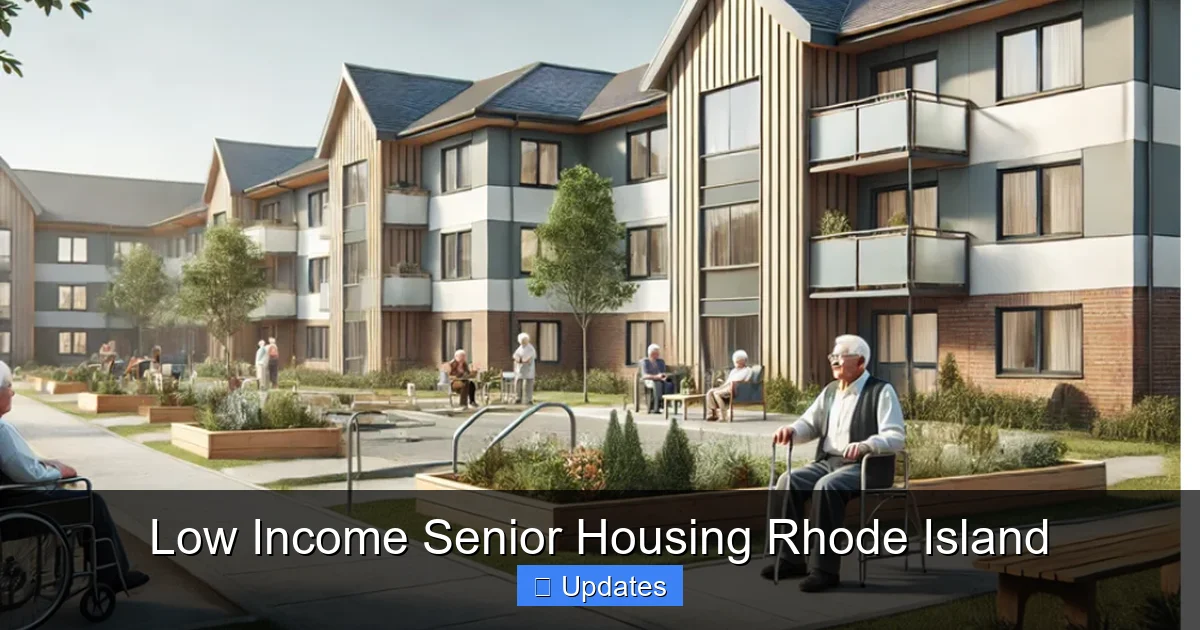
Visual guide about Low Income Senior Housing Rhode Island
Image source: seniorsplaces.com
The application process can feel daunting, but breaking it into steps makes it manageable. Here’s how to get started:
Step 1: Gather Required Documents
You’ll usually need:
– Proof of age (birth certificate or passport)
– Social Security cards for all household members
– Recent pay stubs or pension statements
– Tax returns from the past two years
– Bank statements showing assets (checking, savings, CDs)
– Documentation of any disability or medical expenses (if applicable)
Keep copies of everything—original documents are rarely returned.
Step 2: Choose Your Target Properties
Use tools like the HUD Resource Locator to search for senior housing by ZIP code. Focus on developments listed as accepting applications. Avoid those marked “closed” or “pending.”
For Rhode Island-specific listings, visit the RIMFA website. Filter results by location, size, and amenities.
Pro tip: Sign up for email alerts. When a popular spot opens, you’ll be among the first notified.
Step 3: Submit Applications Early and Often
Submit applications to multiple properties simultaneously. Even if you love one place best, diversify your choices. If your top pick has a 12-month waitlist, having backup options increases your odds.
Include a cover letter explaining why you need affordable housing—this humanizes your request and shows urgency.
Step 4: Attend Interviews and Home Tours
If selected from the waitlist, expect an interview and tour. Dress neatly, arrive on time, and bring a list of questions. Ask about:
– Pet policies
– Guest visitation rules
– Maintenance response times
– Access to nearby healthcare
– Transportation options
Take notes and photos during the tour. Compare each unit carefully.
Step 5: Accept an Offer Promptly
Once you receive an invitation, act fast. Most landlords give 48–72 hours to respond. Delay could mean losing the unit to someone else.
After signing the lease, you’ll undergo final income verification. Keep all receipts handy.
Top Low Income Senior Housing Communities in Rhode Island
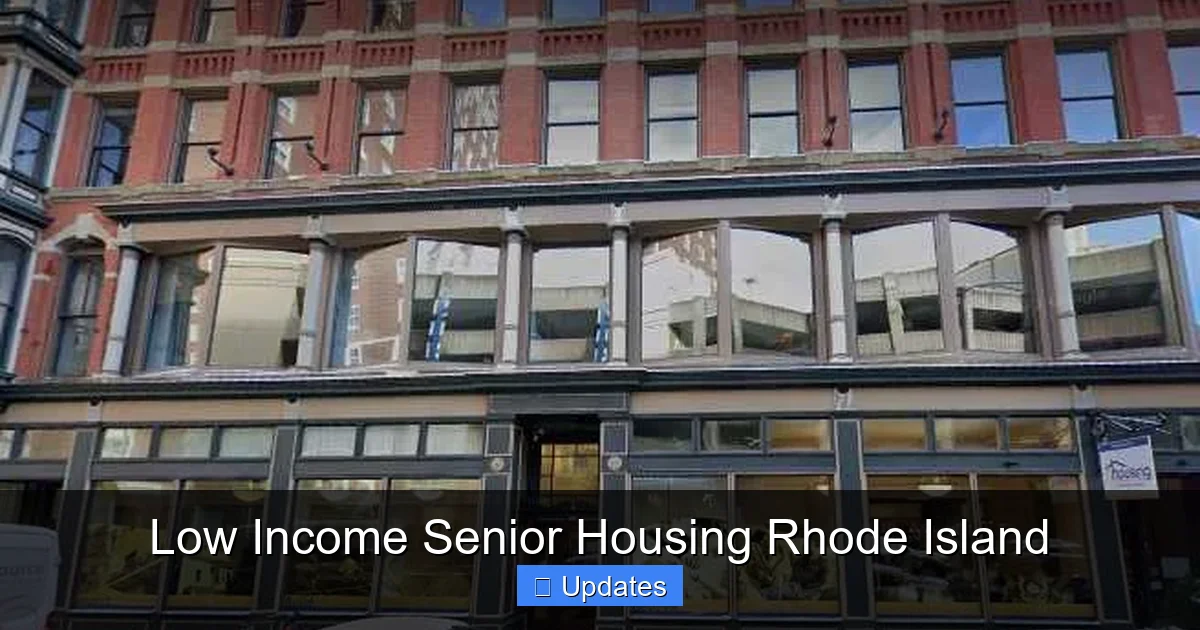
Visual guide about Low Income Senior Housing Rhode Island
Image source: lowincomehousing.us
While availability changes frequently, here are several well-regarded options as of mid-2024:
– The Residences at Elm Court (Cranston): Six-story building with 60 units for seniors 62+. Features include emergency call systems, laundry facilities, and proximity to Kent Hospital. Managed by RIMFA.
– Harbor Pointe Apartments (Newport): Waterfront complex offering studio and one-bedroom units. Amenities include a library, exercise room, and organized trips. Waitlist currently open; priority given to very low-income applicants.
– The Oaks at Coventry (East Greenwich): Continuum of care model—residents can choose independent living, assisted care, or memory support. Sliding-scale rent based on income. Operated by Elderly Housing Inc., a nonprofit.
– Casa Maria Senior Apartments (Providence): Spanish-speaking friendly environment. Provides meals, health screenings, and counseling. Serves primarily Portuguese and Cape Verdean communities.
– Wickford Gardens (North Kingstown): Rural setting with large grounds and walking trails. Offers subsidized rents for seniors earning under 60% AMI. Contact RIMFA directly for current wait times.
Always verify details before applying. Phone numbers and websites change. When in doubt, call the property manager or RIMFA’s customer service line at (401) 456-5800.
Tips for Increasing Your Chances on Waiting Lists
Long waitlists are frustrating but not impossible to navigate. Try these tactics:
– Apply to multiple locations: The more applications you submit, the better your odds. Even if you’d prefer a different neighborhood, every entry counts.
– Prioritize very low-income status: Some programs reserve spots for those earning under 30% AMI. Check eligibility thresholds carefully.
– Leverage referrals: Case managers at AAAs or senior centers can sometimes fast-track applications for clients with urgent needs.
– Stay engaged: Call the leasing office quarterly to confirm you’re still on the list. Silence can lead to removal.
– Consider smaller towns: Rural developments like Wickford Gardens or Westerly often have shorter waits than urban centers.
Remember: patience pays. But don’t let despair set in. Many people find homes after months—or even years—on waitlists.
Financial Assistance Beyond Rent Subsidies
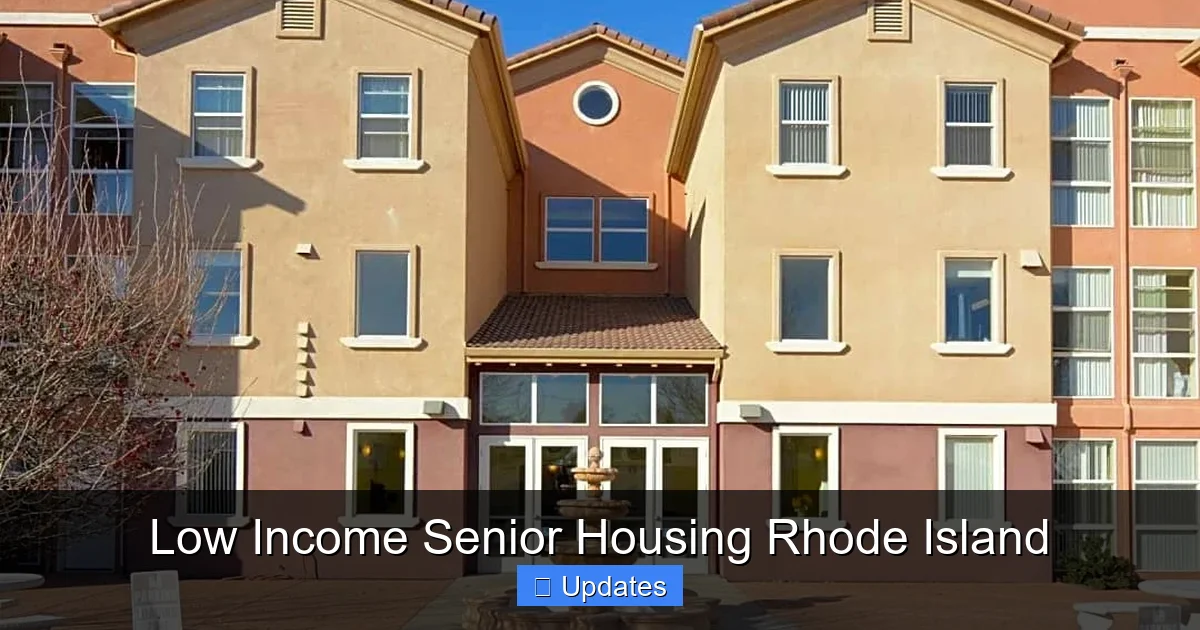
Visual guide about Low Income Senior Housing Rhode Island
Image source: lowincomehousing.us
Affordable housing doesn’t always mean free housing. Fortunately, Rhode Island offers several ways to stretch your budget further:
Supplemental Nutrition Assistance Program (SNAP)
Formerly known as food stamps, SNAP helps low-income seniors afford groceries. To qualify, your monthly income (after deductions) must be under $1,503 (single person) or $2,023 (couple). Apply online at ebtEDGE or visit your local DSS office.
Energy Assistance Programs
RI Lifeline provides free home heating oil, propane, or electric credits to eligible seniors. Income limit: $31,530 for one person. Apply through the LIHEAP portal.
Property Tax Relief
The Homestead Exemption reduces property taxes for homeowners aged 65+ who live in their primary residence. Maximum benefit: $250/year. File Form H-12 at your town assessor’s office.
Veterans Benefits
If you served in the military, the VA may help cover rent or provide housing grants. Contact the VA Supportive Housing program.
These programs reduce overall financial stress, freeing up funds for essentials like medications or transportation.
Support Services Integrated Into Senior Housing
Modern low income senior housing goes beyond bricks and mortar. Many complexes partner with local agencies to offer:
– Weekly wellness checks: Nurses or volunteers visit to monitor health and medication adherence.
– Transportation vouchers: Free rides to doctor appointments or grocery stores.
– Meal programs: Congregate meals Monday–Friday at reduced cost ($2–$4 per meal).
– Social activities: Bingo nights, book clubs, art classes—all designed to combat isolation.
– Case management: Trained staff help connect residents to Medicaid, legal aid, or home repair services.
At Casa Maria in Providence, for example, bilingual staff organize Portuguese-language movie nights and coordinate flu shot clinics. At The Oaks in Coventry, nurses conduct monthly blood pressure screenings and assist with Medicare enrollment.
These extras transform housing into true support systems.
How to Access Additional Help
If your chosen development doesn’t offer certain services, reach out locally:
– RI Office on Aging: (401) 462-0579 – Offers free legal advice, caregiver support, and nutrition counseling.
– Senior Health Insurance Information Program (SHIIP): (800) 942-9422 – Guides Medicare decisions.
– Area Agency on Aging (AAA): Each county has one. Providence AAA serves central RI; Newport AAA covers coastal areas. They provide application assistance and benefit navigation.
Schedule a consultation—most services are free.
Common Mistakes to Avoid
Even experienced applicants make errors. Steer clear of these pitfalls:
– Missing deadlines: Set calendar reminders for application windows. Some properties only accept submissions twice yearly.
– Underreporting income: Be honest about all sources—even cash jobs or occasional babysitting. Fraudulent applications lead to immediate disqualification.
– Ignoring documentation: Missing a single pay stub can delay processing for weeks.
– Not calling regularly: Waitlists update infrequently, but persistence matters.
– Overlooking accessibility needs: Request ADA-compliant units upfront if mobility is a concern.
When uncertain, consult a housing counselor. RIMFA employs several at no cost.
Looking Ahead: Future Opportunities
Rhode Island continues expanding affordable senior housing. Recent initiatives include:
– Modera Providence: Mixed-use development with 150 affordable units for seniors, scheduled for completion in 2026.
– Housing Trust Fund: State-backed financing supporting new construction and rehab projects.
– Partnerships with Universities: Brown University students volunteer as “buddies” for isolated elders, reducing loneliness.
Stay informed by subscribing to RIMFA’s newsletter and following the RI Office on Aging on social media.
Frequently Asked Questions
Who qualifies for low income senior housing in Rhode Island?
Applicants must generally be 62 or older, have limited income (below 50% of area median income), and be Rhode Island residents. Specific income limits vary by location and household size.
How long are waiting lists for senior housing in Rhode Island?
Wait times range from a few months to over two years, depending on demand and income level. Very low-income applicants often move faster than moderate-income ones.
Do I need to own property to apply?
No. Most low income senior housing is rental-only. However, some homeowners may qualify for tax relief programs instead of housing subsidies.
Can I bring my pet?
Pet policies vary by property. Many allow small dogs or cats with a refundable deposit and breed restrictions. Service animals are always permitted.
Are utilities included in the rent?
In many cases, yes. Heat, hot water, and sometimes electricity are bundled into the monthly rent at subsidized senior housing.
What if my application is denied?
Request written reasons for denial. You may appeal or reapply after six months if circumstances change. Local AAAs can help challenge unfair decisions.