
Low Income Senior Housing Oakland Ca


Hands-Free Neck Magnifier

Adjustable Bed Wedge Pillow

Robot Vacuum Cleaner
Finding affordable housing as a low-income senior in Oakland, California can be challenging but not impossible. This guide covers key programs, eligibility requirements, and local resources designed to help older adults access dignified, comfortable housing with supportive services. From subsidized apartments to nonprofit partnerships, you’ll learn how to navigate the system and secure stable housing before your next birthday.
Finding safe, affordable housing as a senior shouldn’t feel like solving a puzzle with missing pieces. Yet for low-income seniors in Oakland, California, that’s exactly the reality many face every day. With rising rents, limited availability, and complex application processes, securing a place to call home becomes both emotional and logistical work. But here’s the good news: you’re not alone. Oakland has a growing network of affordable senior housing options specifically designed for those on fixed incomes—social security, pensions, or disability benefits—who need help stretching their dollars further.
Whether you’re looking to downsize from your longtime home or seeking a supportive community near family and healthcare providers, this guide walks you through everything you need to know about low income senior housing Oakland CA. We’ll break down eligibility rules, walk you through popular neighborhoods, explain how subsidies work, and share real-life tips from people who’ve navigated the system successfully. By the end, you’ll know where to start, what to expect, and how to advocate for yourself during the process.
Key Takeaways
- Eligibility matters: Most low-income senior housing in Oakland requires applicants to meet age (typically 62+) and income limits—usually at or below 50% of Area Median Income.
- Waiting lists are common: Due to high demand, many affordable senior housing communities maintain long waiting lists; applying early increases your chances significantly.
- Subsidies reduce costs: Programs like HUD Section 202, Project-Based Vouchers, and LIHTC-funded properties offer rent assistance so monthly payments stay under $1,000.
- Location affects access: Neighborhoods like East Oakland, West Oakland, and Fruitvale have more options, but transportation and proximity to medical care should guide your choice.
- Supportive services vary: Some complexes provide meals, transportation, health screenings, and social activities—always ask what’s included before moving in.
- Nonprofits bridge gaps: Organizations like Catholic Charities, Larkin Street Youth Services, and local senior centers often help seniors apply and transition into new homes.
- Online tools simplify search: Use databases like Apartment List, HUD.gov, and California Housing Finance Agency (CalHFA) to filter by income level, location, and amenities.
📑 Table of Contents
- Understanding Low Income Senior Housing in Oakland
- Top Neighborhoods for Low Income Senior Housing in Oakland
- How to Apply for Low Income Senior Housing in Oakland
- Financial Assistance Beyond Rent
- Common Mistakes to Avoid
- Community Resources That Make a Difference
- Looking Ahead: Policy Trends Shaping the Future
- Final Thoughts
Understanding Low Income Senior Housing in Oakland
Low income senior housing refers to residential buildings or apartment complexes reserved primarily for adults aged 62 and older whose income falls within certain federal or state-defined limits. In Oakland, these properties are funded through a mix of public grants, private investments, and nonprofit partnerships—all aimed at keeping monthly rent affordable. Unlike market-rate apartments, which may charge up to $2,500 per month for one-bedroom units, low-income senior housing typically caps rent at around 30% of your adjusted gross income—often resulting in monthly payments well under $1,000.
These communities aren’t just cheaper—they’re also safer, cleaner, and often include extra support tailored to aging adults. Many offer meal plans, housekeeping, emergency call systems, and organized activities like bingo nights, fitness classes, or movie screenings. Some even partner with nearby clinics for free blood pressure checks or flu shots. The goal? To create environments where seniors can age in place comfortably without financial stress.
Who Qualifies?
To qualify for most low-income senior housing in Oakland, you generally must:
– Be at least 62 years old (some exceptions exist for disabled individuals under 62)
– Have an annual household income at or below 50% of Alameda County’s Area Median Income (AMI)
As of 2024, that means a single person earning $67,500 or less annually qualifies, while a couple can earn up to $97,150. These thresholds adjust slightly each year based on inflation and regional cost-of-living changes. It’s important to note that only *adjusted gross income* counts—not assets like savings accounts or retirement funds—unless you’re applying for extremely low-income (ELI) units, which go to those below 30% AMI.
When you apply, you’ll need proof of age (birth certificate or passport), income (Social Security statements, pension stubs, bank statements), residency in Alameda County, and possibly references or a background check. Don’t worry if some documents are outdated—many agencies will accept temporary paperwork while you gather everything.
Types of Affordable Senior Housing Available
Oakland offers several types of low-income senior housing, each with unique features:
Project-Based Section 202 Supportive Housing: Funded by the U.S. Department of Housing and Urban Development (HUD), these properties provide deeply discounted rent plus on-site social services. Examples include the Sunset Senior Apartments in West Oakland and The Village at Lake Merritt near downtown.
Low-Income Housing Tax Credit (LIHTC) Properties: Developed through state and local tax incentives, these apartments offer stable, long-term affordability. The Oakland Senior Residences in North Oakland is a well-known example, featuring accessible units and weekly wellness workshops.
Voucher-Assisted Housing: While not permanent housing itself, this program allows seniors to use Section 8 vouchers to rent privately owned units anywhere in Oakland. However, landlords rarely accept vouchers, so it’s best paired with outreach from nonprofits that specialize in landlord negotiation.
Nonprofit-Developed Communities: Groups like Catholic Charities and Larkin Street operate affordable senior housing with strong wraparound services. Larkin Street’s St. Francis Residence, for instance, provides case management, mental health counseling, and job training alongside housing.
Each type has its pros and cons. Project-based units offer stability but limited mobility if you want to move later. Vouchers give flexibility but require persistence. Nonprofits deliver comprehensive support but may have stricter admission criteria.
Top Neighborhoods for Low Income Senior Housing in Oakland
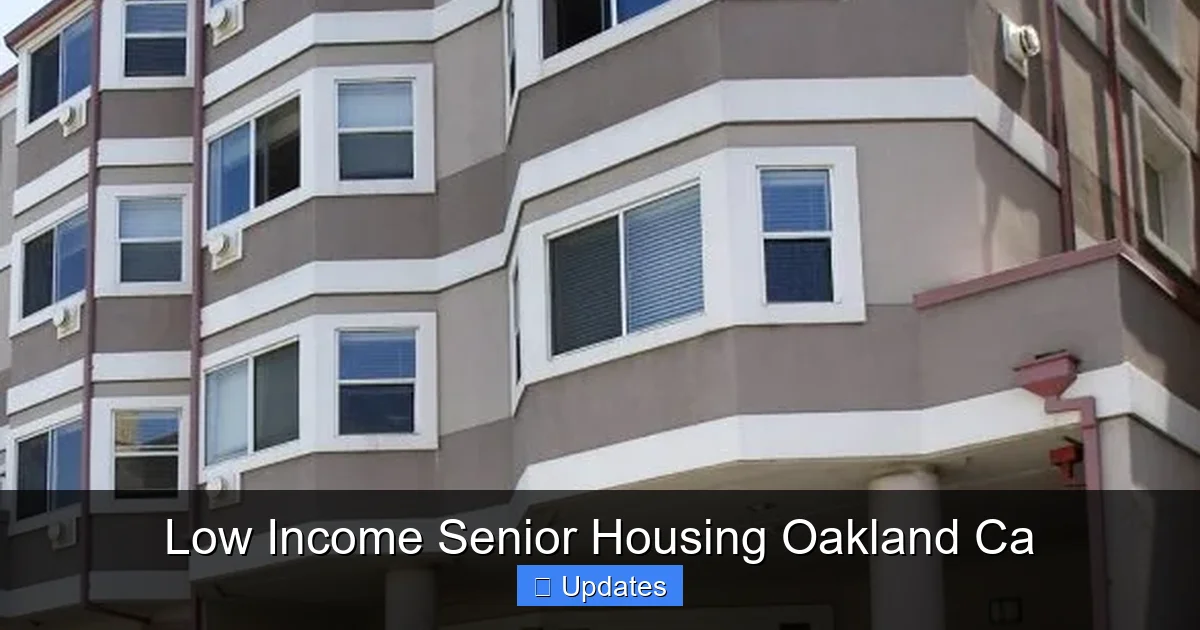
Visual guide about Low Income Senior Housing Oakland Ca
Image source: publichousing.com
Not all parts of Oakland are created equal when it comes to senior-friendly living. While every neighborhood has its charm, some stand out for accessibility, safety, and available housing stock.
North Oakland
Home to tree-lined streets and easy freeway access, North Oakland is a top choice for seniors. The Montclair Senior Apartments and Telegraph Commons are two highly rated options offering studio and one-bedroom units. Both are close to Kaiser Permanente hospitals, pharmacies, and the vibrant Grand Lake district—perfect for morning strolls or coffee runs.
Pro tip: Many North Oakland properties prioritize accessibility, with elevators, grab bars, and non-slip flooring. Plus, the area has excellent public transit links via AC Transit buses and the Coliseum BART station.
West Oakland
Once overlooked due to industrial zoning, West Oakland has seen a renaissance in recent years. Affordable senior housing here includes Sunset Senior Apartments, which sits near Lake Merritt and offers cultural programming reflecting the neighborhood’s rich African-American heritage. Residents enjoy discounted passes for ferries to San Francisco and regular health fairs hosted by the West Oakland Health Center.
Downside? Crime rates are higher than in other areas, so always visit potential units during daylight hours and talk to current tenants about safety measures.
Fruitvale
This bustling Latino neighborhood boasts incredible value and diversity. Fruitvale Plaza Senior Housing provides 100+ affordable units with Spanish-speaking staff on hand. Nearby, the Alameda County Medical Center ensures quick access to doctors and specialists. Community gardens, churches, and markets make daily errands enjoyable.
One caveat: Traffic noise can be an issue along International Boulevard, though newer buildings have double-paned windows.
Downtown & Jack London Square
For those wanting city life, downtown offers luxury senior towers like The Oaks at Jack London. Though pricier than other options, some units qualify for income-based subsidies. You’ll be steps from libraries, theaters, and the waterfront—ideal if mobility isn’t a concern.
However, parking is scarce and rent tends to hover near $1,500 even after subsidies, so budget carefully.
How to Apply for Low Income Senior Housing in Oakland
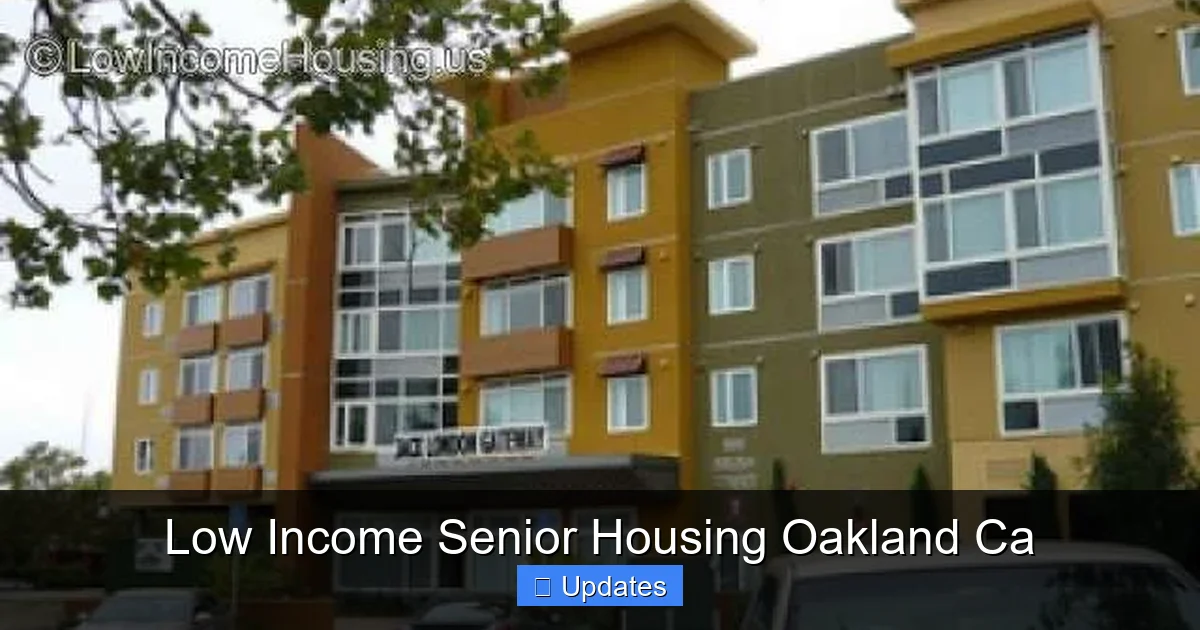
Visual guide about Low Income Senior Housing Oakland Ca
Image source: lowincomehousing.us
The application journey usually begins online or at a physical intake office. Here’s a step-by-step roadmap:
Step 1: Confirm Eligibility
Visit HUD’s housing search tool to verify your income meets local thresholds. If unsure, call 211 Alameda County—they offer free eligibility screening.
Step 2: Create a Waiting List Profile
Most agencies operate on first-come, first-served waitlists. For example, Catholic Charities requires online pre-registration followed by an in-person interview. Be prepared to submit multiple copies of your ID, income verification, and lease history.
Step 3: Attend an Orientation Session
Many nonproths host mandatory info sessions where they explain rules, amenities, and what to expect. These are great opportunities to meet staff and ask questions.
Step 4: Wait (and Stay Active)
Waiting times range from 6 months to 3 years depending on demand. During this time, keep your contact info updated and periodically follow up. Volunteer at senior centers or attend advocacy events—it shows commitment!
Step 5: Move-In Assessment
Once selected, expect a final inspection of your unit, review of lease terms, and orientation to building policies (quiet hours, guest rules, etc.).
Remember: Persistence pays off. As one resident shared, “I applied to seven places before landing at Sunset Senior Apartments. Every rejection taught me something new.”
Financial Assistance Beyond Rent
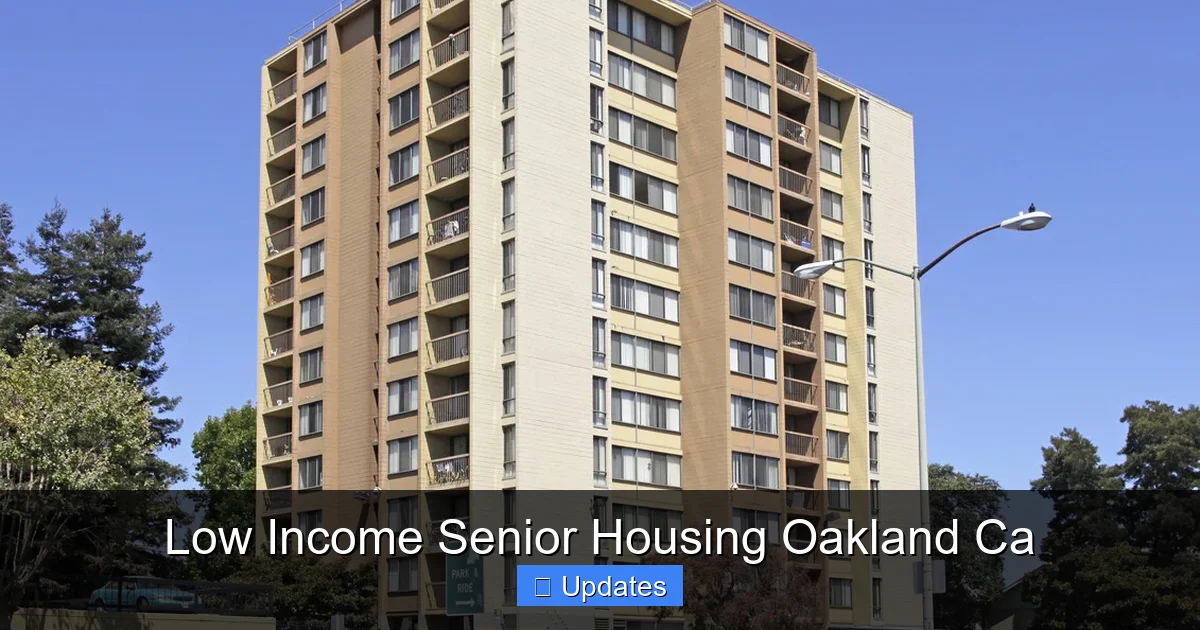
Visual guide about Low Income Senior Housing Oakland Ca
Image source: lowincomehousing.us
Even with subsidized rent, seniors in Oakland still face expenses like groceries, utilities, and medical bills. Fortunately, additional aid exists:
Utility Bill Help: The California Alternate Rates for Energy (CARE) program reduces gas and electric costs by 20–30%. Apply through your provider or via CPUC’s website.
Food Access: Meals on Wheels delivers hot lunches Monday–Friday to qualifying seniors. Safeway and Raley’s offer discounted produce boxes through the Alameda County Food Bank.
Healthcare Subsidies: Medi-Cal covers doctor visits, prescriptions, and dental care for low-income residents. Enrollment is open year-round at BenefitsCal.
Transportation: AC Transit offers reduced fares ($1.50 vs $3 regular) with a Senior/Disabled Pass. Ride-sharing discounts are available through Lyft Access and Uber Assist.
Combining these resources can save hundreds monthly—freeing up funds for fun things like museum memberships or weekend trips!
Common Mistakes to Avoid
Navigating affordable housing feels overwhelming enough without making avoidable errors. Steer clear of these pitfalls:
Assuming All Units Are Equal: Just because a building is “affordable” doesn’t mean it’s right for you. Visit at different times, ask about noise levels, and talk to neighbors before deciding.
Overlooking Accessibility Needs: If you use a wheelchair or walker, insist on ground-floor units, wide doorways, and roll-in showers. Federal law requires reasonable accommodations—don’t hesitate to request them.
Ignoring Waiting List Updates: Agencies sometimes skip applicants who don’t respond promptly. Mark calendar reminders to call every 90 days.
Applying Only Online: Some seniors struggle with digital forms. Call 211 or visit a local senior center for hands-on help.
Underestimating Hidden Costs: Even with rent covered, expect deposits (sometimes $200–$500), pet fees (if allowed), and utility setup charges.
By planning ahead and staying informed, you’ll sidestep frustration and focus on enjoying your golden years.
Community Resources That Make a Difference
Beyond housing, Oakland’s ecosystem supports seniors emotionally, socially, and practically:
North Oakland Senior Center: Offers yoga, art classes, and legal aid clinics every Tuesday. Located at 6000 Moraga Ave, it’s a hub for connection and empowerment.
Alameda County Area Agency on Aging: Provides free workshops on Medicare, estate planning, and nutrition. Their “Aging in Place” initiative connects seniors with home repair grants and meal delivery.
Oakland Public Library Branches: All branches offer tech tutoring, book clubs, and computer labs. The West Oakland Branch even hosts weekly bingo nights.
Faith-Based Outreach: Churches like First Presbyterian Church of Oakland run food pantries and transportation circles. They often know about hidden housing opportunities too.
Building relationships with these groups isn’t just helpful—it’s essential. They become your advocates, friends, and lifelines.
Looking Ahead: Policy Trends Shaping the Future
California lawmakers are pushing bold reforms to address housing shortages. Recent proposals include expanding density bonuses for developers who reserve units for seniors and increasing state-funded rental assistance. If passed, these could shorten waitlists and lower rents further.
Meanwhile, tech startups are experimenting with AI-powered matching systems to connect applicants faster. And grassroots coalitions like Oakland Tenants Union are fighting displacement and pushing for tenant protections nationwide.
While change takes time, one thing is certain: demand for low income senior housing Oakland CA will remain high. That’s why now is the perfect moment to begin your search—even if you’re not ready to move tomorrow.
Final Thoughts
Affordable senior housing in Oakland isn’t a dream reserved for the privileged few. With determination, the right information, and a little help from your community, you can find a welcoming, secure place to thrive. Whether it’s a cozy studio near Lake Merritt or a vibrant community in Fruitvale, your future self will thank you for starting today.
Remember: You deserve dignity, comfort, and peace of mind—no matter your income. Reach out, ask questions, and lean on those around you. Because aging gracefully starts with having a roof over your head.
Frequently Asked Questions
What is the average rent for low-income senior housing in Oakland?
Average monthly rent ranges from $600 to $900 depending on unit size and location. Most programs cap rent at 30% of your income, often keeping payments under $1,000 even for higher earners.
Are pets allowed in low-income senior housing complexes?
Policies vary by property, but many allow small dogs or cats with a refundable deposit. Service animals are always permitted under federal law. Always ask about breed restrictions or size limits before applying.
Can I apply for low-income senior housing if I live outside Oakland?
Generally no—most programs require proof of residency in Alameda County. Exceptions exist for disabled veterans or those relocating due to domestic violence. Contact 211 Alameda County for exceptions.
Do I need to have a disability to qualify?
No—age (62+) and income are primary criteria. However, some properties prioritize disabled seniors under 62. Check individual program rules since preferences differ.
Is there any way to get priority on waiting lists?
Yes! Factors like being frail, having urgent medical needs, or being a veteran can earn you preference. Document your situation early and update caseworkers regularly.
What should I bring when visiting potential units?
Bring a list of questions, a notebook to jot notes, and a friend for moral support. Also carry copies of ID, income docs, and a checklist of your must-haves (e.g., natural light, elevator access).
