
Low Income Senior Housing Loveland Co


Smart Plug with Alexa

Spill-Proof Travel Mug

Large Display Clock with Date
Low-income senior housing in Loveland, Colorado offers vital support for older adults with limited financial means. These communities provide safe, accessible living with essential services, helping seniors maintain independence while managing rising costs. With growing demand and evolving programs, knowing where to look makes all the difference when securing a stable home.
Finding a place to call home gets harder when you’re a senior living on a fixed income. In Loveland, Colorado—a city known for its scenic views and tight-knit community—many older adults face tough choices: pay high rent or go without basic necessities. That’s why low income senior housing in Loveland, CO plays such an important role. It’s not just about a roof over your head; it’s about dignity, safety, and staying connected to what matters most.
As we age, daily tasks like cooking, cleaning, and even getting around can become more difficult. Low-income senior housing helps bridge that gap by offering affordable apartments with built-in support systems. Whether it’s help with meals, transportation to doctor visits, or simply a welcoming community space, these homes are designed with real-life needs in mind.
But here’s the reality: good low-income senior housing isn’t always easy to find—especially in smaller cities like Loveland where options may be limited. Waitlists stretch for years, and requirements can feel confusing. This guide walks you through everything you need to know—where to look, how to qualify, and what to expect—so you can make informed decisions about your next step.
Key Takeaways
- Affordable Options Exist: Loveland offers several HUD-approved and nonprofit senior housing complexes designed specifically for low-income residents.
- Eligibility Based on Income: Most programs cap income at 50–80% of area median income, requiring documentation of Social Security, pensions, or retirement savings.
- Waitlists Are Common: Due to high demand, many properties maintain waiting lists—some lasting years—so early application is crucial.
- Services Included: Many housing options include utilities, meal plans, transportation, and health support tailored to aging needs.
- Accessibility Matters: Look for units with roll-in showers, grab bars, and proximity to medical care for seniors with mobility challenges.
- Application Support Available: Local nonprofits and housing authorities can assist with paperwork, interviews, and appeals if denied.
- Alternative Options Expand Choices: Consider nearby Fort Collins or Longmont for additional low-income senior housing with shorter wait times.
📑 Table of Contents
- What Is Low-Income Senior Housing?
- Types of Low-Income Senior Housing in Loveland, CO
- How to Qualify for Low-Income Senior Housing in Loveland
- Where to Apply: Official Resources in Northern Colorado
- Tips for Getting Approved Faster
- Cost Breakdown: What You’ll Really Pay
- Life in Low-Income Senior Housing: Real Stories
- Alternatives & Next Steps
- Conclusion: Your Home Awaits
What Is Low-Income Senior Housing?
Low-income senior housing refers to residential communities specifically designed for adults aged 62 and older who earn below certain income thresholds. These aren’t luxury condos—they’re purpose-built spaces that balance affordability with accessibility and care.
In Loveland and across Colorado, most of these properties are funded through partnerships between the U.S. Department of Housing and Urban Development (HUD), state agencies, and nonprofit organizations. This funding ensures rent stays low, often pegged at 30% of a resident’s monthly income.
What sets them apart? For starters, they typically include features like:
– Handrails and slip-resistant flooring
– Emergency call systems in bathrooms
– Shared dining areas with nutritious meal plans
– On-site staff trained in senior wellness
And while some offer private studios or one-bedroom units, others focus on communal living with shared kitchens and activity rooms. The goal? To foster independence while providing peace of mind for both residents and their families.
Types of Low-Income Senior Housing in Loveland, CO

Visual guide about Low Income Senior Housing Loveland Co
Image source: lowincomehousing.us
Loveland itself doesn’t have a massive inventory of large-scale senior housing complexes like Denver or Colorado Springs. But there are still meaningful options available—especially when you consider nearby areas like Fort Collins, which hosts several well-known low-income senior communities.
Here are the main types you might encounter:
1. HUD-Subsidized Apartments
These are federally backed units where rent is calculated based on your income. A common rule is paying no more than 30% of your gross monthly earnings toward housing. Examples in the region include:
– Hillcrest Senior Living: Located right in Loveland, this property offers studio and one-bedroom units with subsidized rents. While not exclusively for the lowest-income seniors, it prioritizes those earning under 50% of the area median income (AMI). Residents enjoy weekly housekeeping, scheduled transportation, and access to a community garden.
– Fort Collins Housing Authority: Though technically in neighboring Fort Collins, this program serves residents from surrounding towns including Loveland. They manage multiple senior-focused properties with income-based pricing.
2. Nonprofit & Faith-Based Communities
Organizations like Catholic Charities or local senior centers often run small-scale housing projects. These may include:
– Shared-living arrangements where two seniors split a two-bedroom unit
– Congregate housing with group meals and social events
– Memory care support for those with early-stage dementia
One example is St. Francis Community Services, which occasionally opens spots in their assisted living facilities for eligible Loveland seniors. While not traditional apartments, these settings offer intensive support at lower costs.
3. Veterans’ Housing Programs
If you’re a veteran, you may qualify for special housing assistance through the VA. Programs like Veterans Affairs Supportive Housing (VASH) combine rental vouchers with case management services. Some Loveland-area properties participate in joint VA/HUD initiatives, reducing wait times significantly.
How to Qualify for Low-Income Senior Housing in Loveland
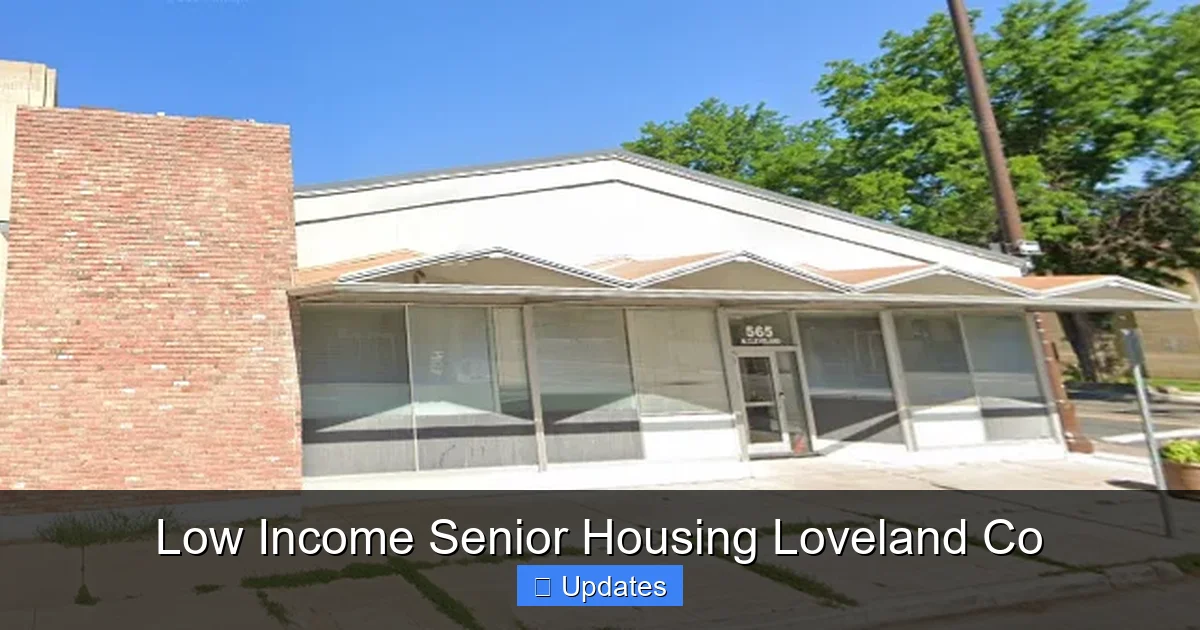
Visual guide about Low Income Senior Housing Loveland Co
Image source: lowincomehousing.us
The first step is understanding the qualifications. Each property sets its own rules, but most follow federal guidelines closely. Here’s what you’ll generally need:
Age Requirement
You must be at least 62 years old. Some exceptions exist for younger disabled individuals, but age is the standard cutoff.
Income Limits
Roughly speaking, your annual household income should fall between 50% and 80% of Loveland’s Area Median Income. As of 2024, that’s approximately $65,000 for a single person and $75,000 for a couple. However, some properties cap it lower—often at 40% AMI—so it pays to check individual listings.
Asset Restrictions
While income matters most, assets like bank accounts, stocks, or vehicles may also be reviewed. Most programs allow up to $5,000 in liquid assets, though this varies. Retirement accounts like IRAs or 401(k)s usually don’t count toward limits.
Background Checks & References
Like any apartment, you’ll likely undergo a credit and criminal background check. Clean records help—but don’t panic! Many offenses don’t automatically disqualify you, especially if they’re unrelated to resident safety.
Where to Apply: Official Resources in Northern Colorado
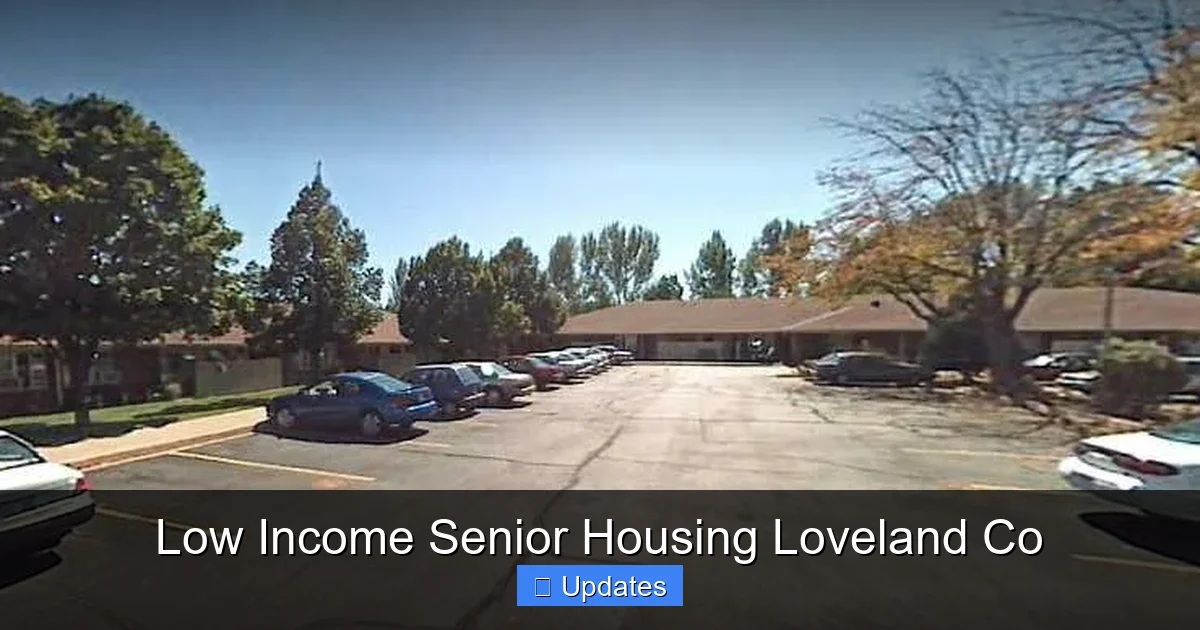
Visual guide about Low Income Senior Housing Loveland Co
Image source: lowincomehousing.us
Navigating applications alone can feel overwhelming. Fortunately, several trusted resources exist to guide you:
The Loveland Housing Authority
Though primarily focused on general public housing, they sometimes refer seniors to partner properties. Their office handles intake for HUD Section 202 and 811 programs.
Contact: (970) 667-6200 | Website: lovelandhousing.org
Colorado Division of Housing
This state agency coordinates low-income housing efforts statewide. They maintain a searchable database of available units and offer application assistance.
Website: coloradohousingsearch.com
Area Agencies on Aging (AAA)
Your local AAA provides personalized help finding housing, benefits enrollment, and other aging-related services. In Larimer County (which includes Loveland), contact:
– LARIMER COUNTY AAA
Phone: (970) 498-6070
Email: [email protected]
They often host workshops on housing applications and can accompany you to interviews.
Online Portals
Websites like apartmentfinder.com or craigslist.org list openings, but be cautious—not all postings are legitimate. Always verify directly with the property before submitting documents.
Tips for Getting Approved Faster
Even with perfect qualifications, competition is fierce. Use these strategies to boost your chances:
– Start Early: Submit applications as soon as possible. Some properties accept pre-applications months ahead of occupancy.
– Gather Docs Ahead of Time: Have Social Security statements, tax returns, bank statements, and proof of age ready.
– Attend Information Sessions: Many nonprofits host open houses where you can ask questions and meet staff.
– Consider Nearby Cities: Expanding your search to Fort Collins, Greeley, or even Cheyenne, WY, increases options dramatically.
– Ask About Waivers: If denied due to minor infractions (like past evictions), request a hardship waiver explaining changed circumstances.
Pro tip: Call the property manager directly. Sometimes they’ll fast-track applications for motivated applicants willing to move quickly.
Cost Breakdown: What You’ll Really Pay
Let’s get real about money. Even “affordable” senior housing isn’t free—but it’s far cheaper than market-rate rentals.
| Unit Type | Average Monthly Rent | Utilities Included? |
|—————–|———————-|———————|
| Studio | $400–$650 | Yes (electricity, water) |
| One-Bedroom | $500–$750 | Partial (water/sewer only) |
Remember: rent scales with income. Someone earning $2,000/month pays less than someone making $3,500. Also, many places cover internet, cable, or phone bills—ask during tours!
Don’t forget ancillary costs: move-in deposits (usually $100–$300), pet fees (if allowed), and optional add-ons like linen service or transportation passes.
Life in Low-Income Senior Housing: Real Stories
Meet Margaret, 78, who moved into Hillcrest Senior Living last winter. Retired after teaching elementary school, she relied solely on Social Security until her health declined. “I couldn’t afford my old apartment near downtown,” she says. “Now I get three meals a day, rides to physical therapy, and friends who visit every afternoon.”
Or take Robert, a WWII veteran who waited 18 months for a spot at a Fort Collins VASH property. “It was worth the wait,” he says. “My neighbors helped me install grab bars in the shower. I never felt safer.”
These stories highlight something crucial: low-income senior housing isn’t just shelter—it’s community. From bingo nights to gardening clubs, residents build lives filled with connection.
Alternatives & Next Steps
If approved housing is unavailable, explore these backups:
– **Roommate Matching:** Share a two-bedroom unit with another senior to cut costs.
– **Rural Housing Loans:** USDA rural development programs offer mortgages for qualifying homeowners over 62.
– **Reverse Mortgages:** Convert home equity into cash without selling—ideal if you own your current residence.
– **Senior Co-Housing Models:** Experimental setups where groups pool resources for mutual aid living.
Still stuck? Reach out to Larimer County AAA. Their caseworkers can connect you with emergency rental assistance, utility grants, or transitional housing while you await long-term placement.
Conclusion: Your Home Awaits
Securing low-income senior housing in Loveland, CO takes patience and persistence—but it’s absolutely achievable. With the right preparation, support networks, and realistic expectations, you can find a place that feels like home.
Whether you choose a bustling congregate community or a quiet studio with full-service amenities, remember: this decision impacts your health, happiness, and sense of belonging. Take your time, ask lots of questions, and lean on advocates who understand the process.
And if Loveland’s offerings fall short? Don’t give up. Expand your search radius, tap into veteran benefits, or revisit applications quarterly. Opportunities change—sometimes within weeks.
You deserve stability, safety, and a little joy each day. Let this guide light the path forward.
Frequently Asked Questions
Is low-income senior housing available in Loveland, CO?
Yes, several HUD-subsidized and nonprofit properties serve low-income seniors in Loveland and nearby areas like Fort Collins. While options are more limited than in larger cities, affordable housing does exist—especially when considering surrounding communities.
How much does low-income senior housing cost in Loveland?
Rent typically ranges from $400 to $750 per month depending on unit size and income level. Most programs require residents to pay no more than 30% of their monthly income toward rent, making costs manageable for fixed-income households.
Do I need to have a disability to qualify?
No, disability isn’t required. All applicants must be at least 62 years old. Some properties may consider younger residents with disabilities, but age remains the primary eligibility factor.
Are pets allowed in low-income senior housing?
Pet policies vary by property. Some allow small dogs or cats with breed/size restrictions, while others prohibit animals entirely. Always ask during the application process or tour.
How long are waitlists for these housing options?
Waitlists commonly range from 6 months to 2+ years, depending on demand and location. Starting your application early and exploring multiple properties increases your chances of moving sooner.
Can family members apply on my behalf?
Yes, adult children or caregivers can assist with applications—but you’ll still need to attend interviews and sign official documents yourself unless legally incapacitated.