
Low Income Senior Housing Kalamazoo Mi


Orthopedic Pillow

Pulse Oximeter Finger Monitor

Digital Thermometer
Finding low income senior housing Kalamazoo MI can be overwhelming, but it doesn’t have to be. With the right information and support, seniors in Kalamazoo can access safe, affordable, and dignified housing options tailored to their needs. From subsidized apartments to nonprofit-supported communities, this guide walks you through every step—from eligibility to application—so you or your loved one can find peace of mind knowing help is available.
Key Takeaways
- Affordable options exist: Multiple low-income senior housing communities in Kalamazoo offer rent-controlled units specifically for residents aged 62+.
- Eligibility matters: Most programs require proof of age, Michigan residency, and income limits based on federal poverty guidelines.
- Applications often have waitlists: Popular properties like The Villages at Allegan or Kalamazoo Housing Authority programs may take months or years to process.
- Support services are included: Many low income senior housing communities provide meal programs, transportation, wellness checks, and social activities.
- Local nonprofits can help: Organizations like Senior Neighbors and Area Agency on Aging 1-B offer free assistance with applications and advocacy.
- Rent is usually under $700/month: Subsidized housing in Kalamazoo keeps costs low while maintaining quality care and safety standards.
- Don’t delay—start early: Gathering documents and submitting applications sooner increases chances of securing a spot before openings occur.
Finding safe, comfortable, and affordable housing as a senior shouldn’t feel like climbing a mountain. For many older adults in Kalamazoo, Michigan, the dream of stable, low-cost housing becomes reality through carefully designed low income senior housing programs. These aren’t just places to live—they’re communities built with dignity, respect, and real support systems in place.
Whether you’re a senior looking to downsize, a family member helping an aging parent transition, or a caregiver navigating options for a loved one, understanding what’s available in Kalamazoo makes all the difference. This guide gives you everything you need—real examples, practical steps, local contacts, and insider tips—to confidently explore and apply for low income senior housing Kalamazoo MI.
Key Takeaways
- Understanding low income senior housing kalamazoo mi: Provides essential knowledge
📑 Table of Contents
- What Is Low Income Senior Housing?
- Types of Low Income Senior Housing in Kalamazoo
- How to Qualify for Low Income Senior Housing in Kalamazoo
- Top Low Income Senior Housing Options in Kalamazoo
- Application Process & Tips for Success
- Support Services & Community Resources
- Common Challenges & How to Overcome Them
- Planning Ahead: What Happens Next?
- Conclusion
What Is Low Income Senior Housing?
Low income senior housing refers to residential communities specifically designed for adults aged 55 or 62 and older, where rent is heavily subsidized based on household income. Unlike market-rate apartments, these homes operate under federal, state, or nonprofit funding models that cap monthly payments at a percentage of income—often between 30% and 40%. In Kalamazoo, most qualifying residents pay less than $700 per month, even if their actual rent would be much higher without subsidies.
These communities vary widely in size, amenities, and location—from high-rise apartments downtown to quiet neighborhood complexes near parks and medical centers. What they share is a focus on accessibility: many feature single-floor layouts, grab bars in bathrooms, emergency call systems, and proximity to grocery stores and pharmacies.
Importantly, low income senior housing isn’t just about saving money—it’s about preserving independence while reducing isolation, ensuring safety, and providing access to essential services. Many include meal plans, transportation vouchers, health screenings, and organized social events. Think of it as downsizing your life without sacrificing comfort or connection.
Types of Low Income Senior Housing in Kalamazoo
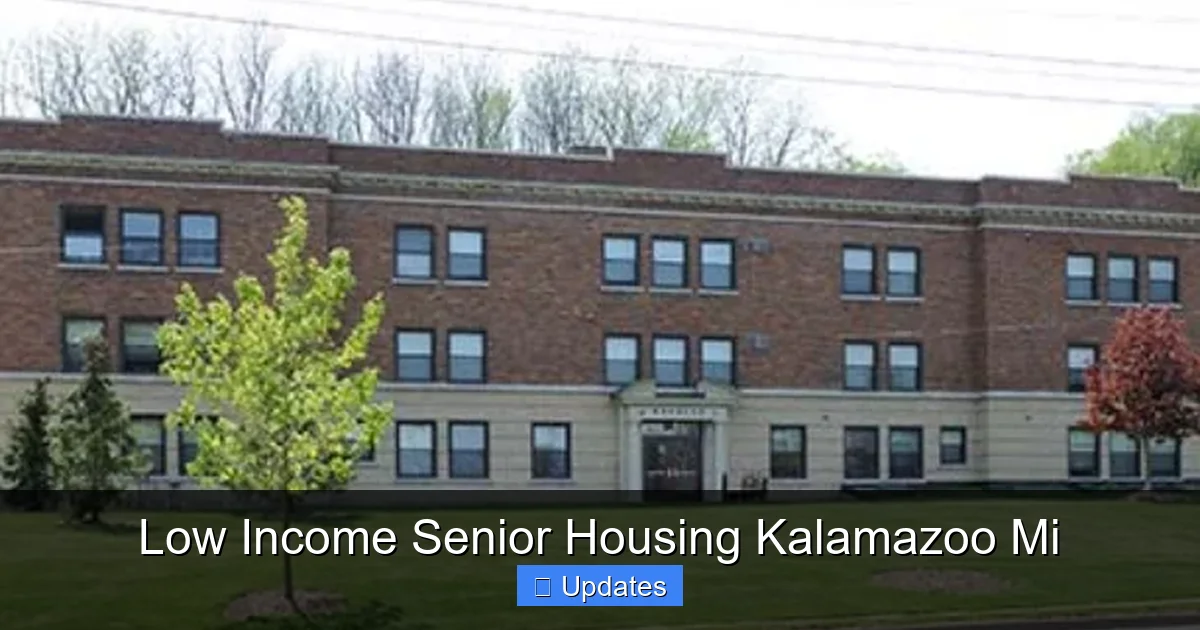
Visual guide about Low Income Senior Housing Kalamazoo Mi
Image source: lowincomehousing.us
Kalamazoo offers several types of low income senior housing, each with unique features and eligibility rules. Understanding your options helps narrow down the best fit for your lifestyle and budget.
Public Housing for Seniors
Administered by the Kalamazoo Housing Commission (KHC), public housing includes buildings like The Villages at Allegan and Parkside Commons. Residents must be 62 or older and meet strict income thresholds—typically no more than 50% of the area median income for their household size. Units are studio, one-, or two-bedroom apartments with utilities sometimes included. Wait times can be long, so applying early is crucial.
Section 202 Supportive Housing
Funded by the U.S. Department of Housing and Urban Development (HUD), Section 202 properties offer deeply subsidized rents plus on-site support services. Examples in Kalamazoo include Maple Grove Apartments and Westwood Commons. These aren’t just housing—they’re full-service communities where staff assist with medication reminders, light housekeeping, and connecting residents to healthcare providers. Ideal for those needing extra help but wanting to stay independent.
Nonprofit-Operated Communities
Organizations like Senior Neighbors and Catholic Charities run affordable senior housing with community gardens, computer labs, and fitness classes. Their buildings often blend affordability with vibrant social life. While income limits apply, some prioritize accessibility for veterans or individuals with disabilities. Tours are usually offered, so ask about visiting before applying.
Shared Housing or Co-Housing Models
Some newer developments encourage shared living among unrelated seniors who value companionship and cost-sharing. These arrangements aren’t always formal HUD programs but are growing in popularity due to rising rents elsewhere. Local Facebook groups or community boards sometimes list such opportunities.
No matter the type, all low income senior housing Kalamazoo MI must follow fair housing laws prohibiting discrimination based on race, religion, gender, or disability status.
How to Qualify for Low Income Senior Housing in Kalamazoo
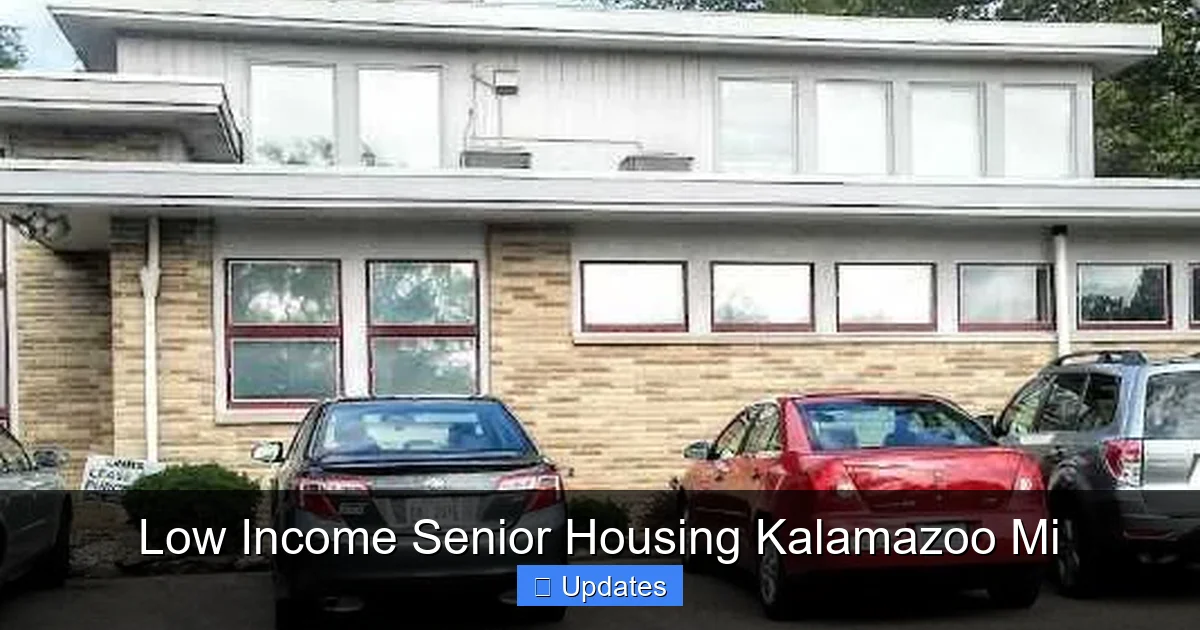
Visual guide about Low Income Senior Housing Kalamazoo Mi
Image source: lowincomehousing.us
Qualifying isn’t automatic—there are clear criteria set by HUD and local agencies. But once you understand them, the process becomes manageable.
Age Requirements
Most programs require applicants to be at least 62 years old. A few accept 55+, especially if they serve mixed-age populations. Be sure to confirm the minimum age when contacting any property.
Income Limits
Your gross annual income (before taxes) must fall below a certain threshold. In Kalamazoo County, that’s typically:
- $32,800 for a one-person household
- $37,500 for two people
- $42,200 for three people
Income includes Social Security, pensions, part-time work, unemployment benefits, and investment returns. Even modest savings count toward total assets—usually capped at $5,000 per individual. Veterans or disabled seniors may qualify under higher thresholds.
Background Checks & Credit History
Applicants undergo criminal background checks and credit reviews. Past evictions or serious offenses can disqualify you, though minor infractions are sometimes overlooked. Maintaining good records now helps later.
Residency Proof
You’ll need a Michigan driver’s license, utility bill, or lease showing you live in Kalamazoo County. Temporary visitors aren’t eligible until they establish residency.
Once you meet these basics, gather supporting documents: birth certificates, tax returns, bank statements, and proof of income from all sources. Keep copies handy—you’ll submit them with your application.
Top Low Income Senior Housing Options in Kalamazoo
Visual guide about Low Income Senior Housing Kalamazoo Mi
Image source: lowincomehousing.us
While new units open sporadically, here are currently active, well-reviewed properties accepting applications:
The Villages at Allegan
Managed by the Kalamazoo Housing Commission, this 120-unit complex offers studios and one-bedrooms. Rent starts around $500/month, including water and trash. Amenities include a communal dining room, laundry facilities, and scheduled outings. Waitlist status varies—call (269) 344-2200 to inquire.
Maple Grove Apartments
A HUD-funded Section 202 property near Western Michigan University Health System. Features include wheelchair-accessible units, weekly housekeeping, and a wellness nurse on site. Monthly rent averages $650. Contact the property manager at (269) 382-4500.
Parkside Commons
Located near Bronson Hospital, this 80-unit building provides assisted-living-style support without full nursing care. Residents enjoy private kitchens, emergency alert pendants, and monthly social mixers. Apply through KHC at (269) 344-2200.
Senior Neighbors Housing Complex
Run by a trusted local nonprofit, this community emphasizes active aging. Units are small but cozy, with shared spaces for games, crafts, and meals. Rent is income-based, often under $600. Call (269) 342-2225 for availability.
Each property has different waiting periods—some open slots every quarter, others only annually. Visiting in person or virtually can give you a sense of whether it feels like home.
Application Process & Tips for Success
Applying for low income senior housing Kalamazoo MI takes time, but preparation makes it smoother. Follow these steps:
Step 1: Confirm Eligibility
Use HUD’s income calculator to estimate if you qualify. If uncertain, contact Area Agency on Aging 1-B—they offer free screenings.
Step 2: Gather Documents
Prepare:
- Government-issued ID or passport
- Proof of age (birth certificate)
- Two recent pay stubs or benefit letters (Social Security, SSI, pension)
- Bank statements from last 3 months
- Tax return from previous year
- Lease agreement or utility bill proving residency
Step 3: Submit Applications Early
Even if no units are listed as available, submit your info anyway. Many waitlists accept applications year-round. Mention if you have urgent need due to health or homelessness.
Step 4: Follow Up Regularly
Call every 2–3 weeks to check progress. Ask if your name moved up or if documents were missing. Persistence pays off.
Pro Tip:
Bring a friend or family member to appointments. They can help remember details, take notes, and advocate for you during interviews.
Also consider applying to multiple properties simultaneously—increasing your chances significantly. Some seniors succeed by starting with smaller nonprofits first, then moving into larger HUD complexes later.
Support Services & Community Resources
One of the biggest advantages of low income senior housing Kalamazoo MI is access to wraparound services. You’re not just renting an apartment—you’re joining a network designed to keep you healthy, safe, and engaged.
Meal Programs
Many complexes partner with Meals on Wheels or local churches to deliver lunches or host communal dinners. Nutritious, low-cost meals reduce grocery expenses and combat loneliness.
Transportation Assistance
Free or discounted rides to medical appointments, grocery stores, or senior centers are common. Some even offer van shuttles on fixed schedules.
Health & Wellness Clinics
On-site nurses or partnerships with clinics mean regular blood pressure checks, flu shots, and chronic disease management. Preventative care saves money long-term.
Social Activities
From bingo nights to gardening clubs, these communities foster friendships. Reduced isolation improves mental health and physical mobility.
Legal Aid & Advocacy
Nonprofits like Legal Services of South Central Michigan offer free help with housing disputes, wills, or Medicare issues. Don’t hesitate to reach out.
If you’re struggling to navigate benefits like Medicaid or Supplemental Nutrition Assistance Program (SNAP), Area Agency on Aging 1-B can connect you with caseworkers who handle applications on your behalf.
Common Challenges & How to Overcome Them
Despite strong demand, low income senior housing Kalamazoo MI faces real hurdles. Here’s how to tackle them head-on:
Long Waitlists
Solution: Apply to multiple properties. Also look into nearby counties—like Van Buren or Calhoun—where wait times might be shorter. Sometimes commuting 30 minutes is worth it for lower rent.
Limited Accessible Units
Solution: Specify wheelchair accessibility when applying. HUD requires a percentage of units to be ADA-compliant, but demand exceeds supply. Consider shared housing if mobility aids are needed.
Language Barriers
Solution: Many nonprofits provide translation services. Call ahead and request an interpreter. Spanish-speaking seniors can reach out to Centro Hispano for bilingual support.
Scams & Misinformation
Beware of websites charging fees to “guarantee placement.” All legitimate applications are free through HUD-approved agencies. Verify any organization by checking their registration with the Michigan Attorney General’s office.
Staying informed and connected reduces stress. Joining local senior Facebook groups or attending monthly meetings at Area Agency on Aging 1-B keeps you updated on policy changes and new openings.
Planning Ahead: What Happens Next?
Securing housing is only the beginning. Once accepted, you’ll need to budget for personal items, insurance, and occasional repairs. But the foundation is solid—stable housing enables better healthcare, stronger relationships, and greater peace of mind.
For families assisting loved ones, regular communication helps monitor satisfaction. Does the food taste good? Are neighbors friendly? Is maintenance responsive? These details matter more than square footage.
And remember: preferences evolve. If your first choice feels too noisy or isolated, don’t settle permanently. New units open constantly—sometimes within months. Keep eyes open and stay flexible.
In the end, choosing low income senior housing Kalamazoo MI means choosing autonomy over anxiety, community over loneliness, and hope over helplessness. It’s not charity—it’s investment in human dignity at every stage of life.
Conclusion
Navigating the world of low income senior housing Kalamazoo MI doesn’t have to be intimidating. With clear guidelines, local resources, and determination, you or your loved one can find a place that feels like home. Whether you prefer a bustling urban setting or a quiet suburban vibe, affordable options exist—and they’re waiting for qualified applicants.
Start today: visit a property tour, call Area Agency on Aging 1-B at (269) 385-4400, or download application forms online. Small steps lead to big changes. Your future self will thank you.
And if you’re exploring similar options elsewhere, don’t miss our guides on Macomb County MI, St Paul MN, or Spokane WA—each city tailors its approach to local needs.
Frequently Asked Questions
What is the average rent for low income senior housing in Kalamazoo?
Average monthly rent ranges from $500 to $700, depending on unit size and included utilities. Most residents pay no more than 30% of their income toward housing costs.
Can I apply if I’m not yet 62?
Some properties accept residents aged 55+, especially those serving mixed-age populations. However, most HUD-funded programs require applicants to be at least 62 years old.
Are pets allowed in low income senior housing?
Pet policies vary by property. Many allow small dogs or cats with breed/weight restrictions. Service animals are always permitted regardless of size.
Do I need to have a co-signer or guarantor?
Not typically. Applicants must prove steady income and pass background checks, but family members aren’t required to co-sign leases.
Is there help with moving expenses?
Some nonprofits offer limited moving assistance through grants or donated services. Contact Senior Neighbors or Catholic Charities to inquire about available aid.
What should I bring to a housing interview?
Bring photo ID, proof of age, recent pay stubs or benefit letters, bank statements, and a utility bill showing Kalamazoo residency. Dress comfortably and arrive early.
