
Low Income Senior Housing Johnson City Tn


Portable Radio with Large Buttons

Digital Blood Pressure Monitor

Electric Recliner Lift Chair
Finding low income senior housing in Johnson City, TN can provide essential support for older adults on fixed budgets. These communities offer safe, affordable living with access to healthcare, social activities, and assistance programs. With rising costs of living, securing stable housing is more important than ever for seniors seeking independence and quality care.
Living on a fixed income becomes increasingly challenging as you age—especially when rent, utilities, and healthcare costs keep climbing. For many seniors in Johnson City, Tennessee, the dream of aging in place without financial strain feels out of reach. That’s where low income senior housing comes in. These specially designed communities provide not only affordable rent but also peace of mind, safety, and a sense of belonging.
In this guide, we’ll walk you through everything you need to know about low income senior housing in Johnson City, TN. From understanding eligibility requirements to navigating application processes and accessing local support, we’ve got your back. Whether you’re searching for yourself or a loved one, this article will equip you with practical knowledge and real-world examples to make informed decisions.
Key Takeaways
- Affordable Options Exist: Johnson City offers several subsidized senior housing complexes designed specifically for low-income residents aged 62+.
- Eligibility Based on Income: Most programs require applicants to meet strict income limits—typically 30% or less of the area median income.
- Supportive Services Included: Many facilities provide meals, transportation, wellness checks, and social engagement opportunities at no extra cost.
- Waiting Lists Are Common: Due to high demand, many low-income senior housing units have lengthy waiting periods—some exceeding one year.
- Application Process Is Detailed: Applicants must submit financial documents, medical records (if applicable), and attend interviews to qualify.
- Local Resources Help Navigate Options: Organizations like the Johnson City Housing Authority and Area Agency on Aging can guide families through the process.
- Alternative Housing May Be Available: If traditional low-income housing is full, consider shared living arrangements or assisted living subsidies as backup plans.
📑 Table of Contents
- What Is Low Income Senior Housing?
- Types of Low Income Senior Housing in Johnson City
- How to Qualify for Low Income Senior Housing in Johnson City
- Applying for Low Income Senior Housing: Step-by-Step Guide
- Costs and Financial Assistance Options
- Community Resources Supporting Johnson City Seniors
- Tips for Finding and Securing Low Income Senior Housing
- Conclusion: Your Path Forward in Johnson City
What Is Low Income Senior Housing?
Low income senior housing refers to government-subsidized or nonprofit-run residential communities tailored specifically for adults aged 55 or 62 and older. Unlike standard apartments, these properties prioritize affordability, accessibility, and community support. Residents typically pay no more than 30% of their monthly income toward rent—making it possible for seniors on Social Security, pensions, or disability benefits to maintain financial stability.
These communities often include features like wheelchair ramps, emergency call systems, communal dining areas, and organized events. Some even partner with local clinics to offer on-site health screenings or medication management. The goal? To help seniors stay independent, healthy, and connected while reducing stress around housing costs.
Types of Low Income Senior Housing in Johnson City
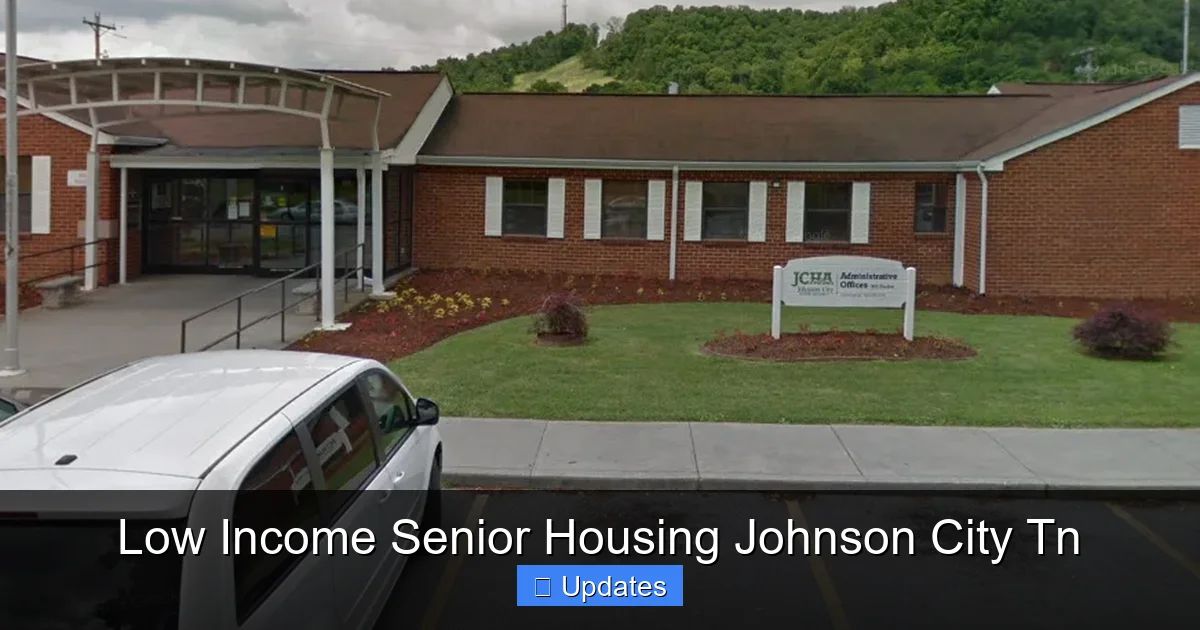
Visual guide about Low Income Senior Housing Johnson City Tn
Image source: lowincomehousing.us
Johnson City offers several types of subsidized senior housing, each with unique features and eligibility criteria. Understanding your options helps you find the best fit for your lifestyle and needs.
Public Housing for Seniors
Administered by the Johnson City Housing Authority (JCHA), public housing units are among the most affordable options available. Properties like Maplewood Terrace and Oak Ridge Commons offer two-bedroom apartments with utilities partially covered. Residents must be 62 or older and meet income guidelines set annually by HUD (U.S. Department of Housing and Urban Development).
One advantage of public housing is its long-standing reputation for reliability. Applications are processed through waitlists managed by JCHA, and once approved, tenants receive consistent support from property managers who understand the unique challenges seniors face.
Section 202 Supportive Housing
Funded by HUD under Section 202 of the National Housing Act, this program supports elderly individuals with disabilities or chronic illnesses. Facilities like Mountain View Gardens provide studio and one-bedroom units along with supportive services such as housekeeping, meal delivery, and transportation assistance.
Unlike traditional apartments, Section 202 properties emphasize accessibility—think grab bars in bathrooms, roll-in showers, and wide doorways. They’re ideal for seniors who want independence but may need occasional help with daily tasks.
Nonprofit and Faith-Based Communities
Several faith-based organizations and nonprofits operate affordable senior housing in Johnson City. Examples include First Baptist Church Senior Residences and Hands of Compassion Housing, which combine spiritual support with practical aid. These communities often host weekly Bible studies, volunteer opportunities, and holiday gatherings.
While rent levels vary, many nonprofit properties cap charges at $400–$700 per month for qualified applicants. They’re especially appealing to seniors seeking a values-driven environment with strong community bonds.
How to Qualify for Low Income Senior Housing in Johnson City
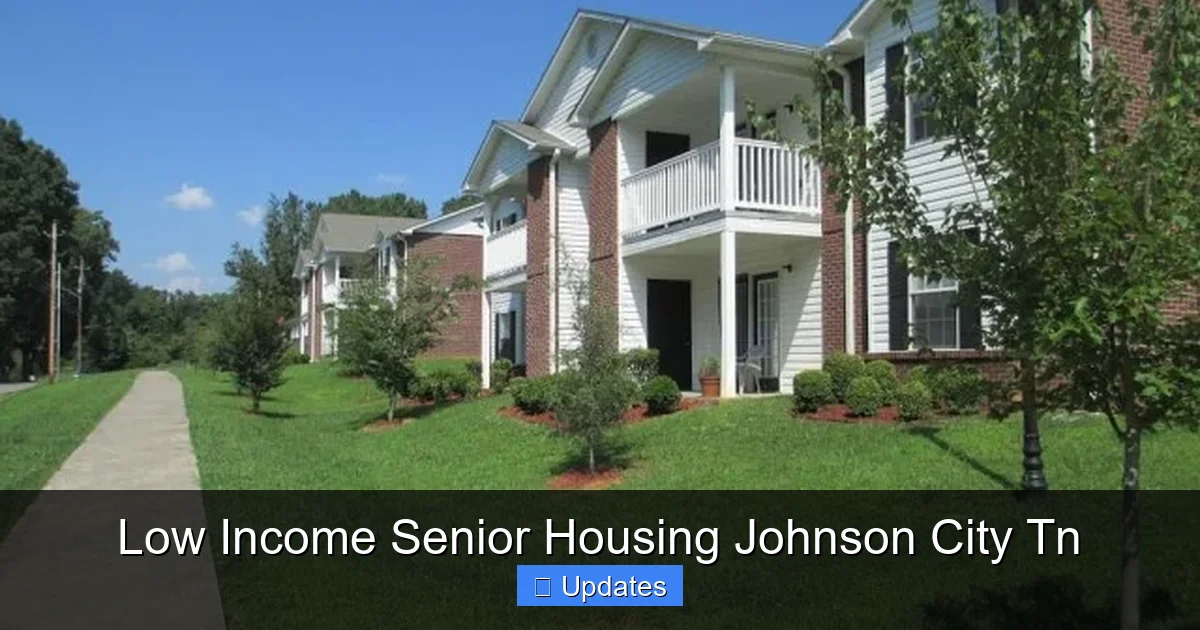
Visual guide about Low Income Senior Housing Johnson City Tn
Image source: publichousing.com
Securing a spot in any subsidized senior housing program requires meeting specific criteria. While rules differ slightly between providers, most follow a similar framework based on age, income, and residency status.
Ages Requirement
The majority of low-income senior housing in Johnson City serves residents aged 62 or older. However, some communities accept applicants as young as 55 if they have documented disabilities affecting mobility or cognition. Always verify the minimum age requirement before applying.
Income Limits
Income thresholds are adjusted yearly and vary depending on family size and household composition. As of 2024, the limit for a single person in Johnson City is approximately $28,000 annually—roughly 50% of the area median income. Couples may qualify up to $35,000.
To prove compliance, applicants must submit recent tax returns, benefit statements (like SSA-1099 forms), bank records, and proof of other income sources (e.g., rental property, dividends).
Citizenship and Residency Status
U.S. citizens and certain non-citizens (including lawful permanent residents) are eligible. You’ll need to provide documentation such as a birth certificate, passport, or green card. Proof of Tennessee residency (driver’s license, utility bill, voter registration) is also required.
Background Checks and References
Most housing authorities conduct criminal background checks and contact personal references. Past evictions, excessive noise complaints, or lease violations could disqualify an applicant. Being honest during interviews builds trust and increases approval chances.
Applying for Low Income Senior Housing: Step-by-Step Guide
Visual guide about Low Income Senior Housing Johnson City Tn
Image source: publichousing.com
Navigating the application process can feel overwhelming—but breaking it into manageable steps makes it easier. Here’s how to apply for low income senior housing in Johnson City:
Step 1: Research Available Properties
Start by visiting the Johnson City Housing Authority website or calling their intake office at (423) 926-1950. Ask about current vacancies, waitlist status, and upcoming lottery dates. You can also explore listings on HUD’s Public Housing Agency Directory.
Tip: Sign up for email alerts! Many agencies notify waitlisted applicants via text or phone when spots open unexpectedly.
Step 2: Gather Required Documents
Common documents include:
– Government-issued ID (driver’s license, state ID)
– Social Security cards for all household members
– Proof of income (last 2–3 months of pay stubs, pension statements, bank statements)
– Medical records (if applying for disability-related housing)
– Lease agreements or eviction notices (if currently renting)
Organize these in a binder or digital folder to streamline submission.
Step 3: Complete the Application Form
Applications are usually submitted online, by mail, or in person. Be thorough—omitting details may delay processing. Double-check spelling, dates, and signatures before sending.
Some properties use random lotteries to select new residents, so don’t assume early applications guarantee priority.
Step 4: Attend Interviews or Site Visits
If selected from the waitlist, expect to schedule an interview or tour. This allows staff to assess your needs and answer questions about amenities, policies, and resident responsibilities.
During visits, ask about:
– Meal plans and dietary accommodations
– Guest visitation rules
– Pet policies (some allow small dogs/cats with fees)
– Noise restrictions and quiet hours
Step 5: Wait and Follow Up
Wait times vary widely—from a few weeks to over a year. Stay proactive by calling monthly or signing up for updates. If your circumstances change (e.g., job loss, health decline), inform the housing authority immediately; they may fast-track your case.
Costs and Financial Assistance Options
Even within low income senior housing, expenses add up. Fortunately, Johnson City residents have access to multiple financial assistance programs to offset costs.
Rent Structure
Rent is calculated as a percentage of gross monthly income—usually no more than 30%. For example, someone earning $2,000/month would pay roughly $600 toward rent. Utilities may be included (check individual leases).
Utility Assistance Programs
The Tennessee Valley Authority (TVA) offers weatherization grants to lower heating/cooling bills. Seniors on SNAP (food stamps) or Medicaid often qualify automatically. Apply through the TVA website or call (800) 822-1307.
Medicaid Waivers and Home Care Services
The Choices for Independent Living (CIL) waiver program covers in-home care for qualifying seniors. Services include bathing, meal prep, and medication reminders—all paid for by Medicaid. Contact the Northeast Tennessee Regional Office at (423) 283-3500 to start the evaluation process.
Senior Property Tax Relief
Tennessee’s Property Tax Freeze Program caps annual increases for homeowners aged 65+. Eligible applicants must have lived in their home for at least one year and earn below income limits ($28,000 single / $35,000 couple in 2024). Visit the Tennessee Department of Revenue for details.
Community Resources Supporting Johnson City Seniors
Beyond housing, Johnson City offers robust networks of support services designed to enhance quality of life. Leveraging these resources ensures you or your loved one stays healthy, engaged, and independent.
Area Agency on Aging (AAA)
Operated by the East Tennessee State University Center for Healthy Aging, the AAA connects seniors with transportation, nutrition, legal aid, and caregiver support. Their website includes downloadable guides, event calendars, and eligibility checklists.
Senior Centers and Recreational Activities
The Johnson City Senior Center hosts bingo nights, exercise classes, and arts & crafts workshops every Tuesday through Saturday. Located at 201 N Roan St, it’s free to join and open to ages 50+. Call (423) 434-5921 for schedules.
Meal Delivery Programs
Meals on Wheels delivers hot lunches to homebound seniors five days a week. Volunteers also perform wellness checks—a crucial safety net for isolated older adults. Enrollment requires a brief phone screening. Reach them at (423) 928-7000.
Legal and Financial Counseling
The Senior Citizens Law Project provides free advice on Medicare, estate planning, and elder abuse prevention. Walk-ins welcome at 110 W Market St, Suite 200. Hours: Monday–Friday, 9 AM–3 PM.
Tips for Finding and Securing Low Income Senior Housing
With competition fierce and demand high, standing out during the application process matters. Use these insider tips to boost your odds:
- Apply Early and Broadly: Don’t put all your eggs in one basket. Submit applications to 2–3 different properties simultaneously.
- Update Your Documents Regularly: Keep bank statements, benefit letters, and IDs current to avoid delays.
- Network with Local Advocates: Talk to social workers at hospitals or churches—they often hear about hidden vacancies first.
- Practice Your Interview Skills: Be ready to explain why you need housing, what you bring to the community, and how you’ll contribute positively.
- Stay Persistent but Patient: Rejections happen. Follow up respectfully and keep refining your approach.
Remember: securing affordable senior housing isn’t just about dollars—it’s about finding a place where you feel respected, secure, and part of something bigger.
Conclusion: Your Path Forward in Johnson City
Finding low income senior housing in Johnson City, TN is absolutely possible—even in today’s competitive market. By understanding eligibility rules, preparing thorough applications, and tapping into local support systems, you position yourself for success. Whether you choose a public housing unit near downtown or a supportive nonprofit community nestled in the hills, the key is taking action now.
Don’t let fear of rejection or confusion hold you back. Reach out to the Johnson City Housing Authority, visit senior centers, and connect with advocates who’ve walked this path before. Every step forward brings you closer to dignified, affordable housing that supports your health, happiness, and independence.
For more guidance, check out our related articles on how to qualify for low-income senior housing or explore similar programs in nearby cities like Spokane, WA or St. Paul, MN. You’re not alone in this journey.
Frequently Asked Questions
Who qualifies for low income senior housing in Johnson City?
Applicants must be at least 62 years old (or 55+ with disabilities), meet strict income limits (typically under $28,000/year for singles), and provide proof of U.S. citizenship or legal residency. Each property has its own rules, so checking specifics with the housing authority is recommended.
Are there waiting lists for Johnson City senior housing?
Yes, most subsidized senior housing programs operate on waitlists due to limited availability. Wait times can range from a few months to over a year. Staying proactive by calling monthly and updating your application increases your chances of moving up the list.
What documents do I need to apply?
Essential items include government-issued ID, Social Security cards, recent tax returns, pay stubs or benefit statements (like SSA-1099), bank records, and medical documentation (if applicable). Keeping these organized saves time during the review process.
Can pets be kept in low income senior housing?
It depends on the property. Some allow small dogs or cats with a pet deposit and breed/size restrictions. Others prohibit animals entirely. Always ask about pet policies before finalizing your decision.
Is transportation provided to doctors or grocery stores?
Many Johnson City senior housing complexes offer scheduled shuttles or partnerships with local transit services. Contact individual properties directly—some even coordinate rides through the Area Agency on Aging.
What if my application is denied?
If rejected, request written feedback explaining why. You may appeal or reapply after six months if circumstances improve (e.g., reduced income, health changes). Consider reaching out to advocacy groups for additional support.