
Low Income Senior Housing Akron Ohio No Waiting List


Lightweight Aluminum Walker

Medication Reminder Alarm

Bathtub Grab Bar
Finding low income senior housing in Akron, Ohio with no waiting list is possible through state and federal programs designed to support older adults on fixed incomes. These housing options offer safe, affordable homes with supportive services, helping seniors maintain independence while accessing healthcare and community resources. With the right approach, you can secure immediate placement without months or years of delays.
Key Takeaways
- Akron offers several no-waiting-list senior housing options: Programs like Section 202 Supportive Housing and local nonprofit initiatives provide immediate availability for eligible seniors.
- Eligibility is based on income and age: Most programs require applicants to be 62+ and have an income at or below 50% of the area median income (AMI).
- Supportive services are often included: Many no-waiting-list units come with meal programs, transportation, wellness checks, and social activities.
- Application timing matters: Some housing providers accept applications year-round, but it’s smart to call ahead or visit in person to confirm current availability.
- Local agencies can help navigate options: The Summit County Office of Senior Services and Area Agency on Aging connects seniors with housing resources.
- Documentation is key: Be ready with proof of age, income, residency, and medical needs when applying to speed up the process.
- No waiting list doesn’t mean no rules: Even with quick access, you must meet ongoing requirements like rent payments and participation in community activities.
Key Takeaways
- Understanding low income senior housing akron ohio no waiting list: Provides essential knowledge
📑 Table of Contents
- Why Low-Income Senior Housing Matters in Akron
- Types of Low-Income Senior Housing in Akron
- How to Qualify for No-Waiting-List Senior Housing
- Where to Apply: Top Resources in Akron
- Practical Tips for Securing Immediate Placement
- What Happens After You Move In?
- Common Misconceptions About No-Waiting-List Housing
- Long-Term Planning and Advocacy
Why Low-Income Senior Housing Matters in Akron
As we grow older, maintaining a safe, comfortable, and affordable place to live becomes one of life’s most important priorities. For many seniors in Akron, Ohio, rising housing costs and limited income make this goal feel out of reach. That’s where low-income senior housing comes in—offering not just shelter, but stability, dignity, and peace of mind.
In Akron, several housing programs are specifically designed for older adults who need financial assistance. What makes these programs especially valuable is that some offer **no waiting list**, meaning eligible seniors can move in quickly instead of waiting months or even years for a spot. This is especially crucial for those facing health challenges, isolation, or sudden financial hardship.
Whether you’re a retired teacher, a widow living on Social Security, or someone transitioning from independent living into assisted care, knowing your options can change everything. Let’s explore what’s available in Akron, how to qualify, and where to start your search.
Types of Low-Income Senior Housing in Akron
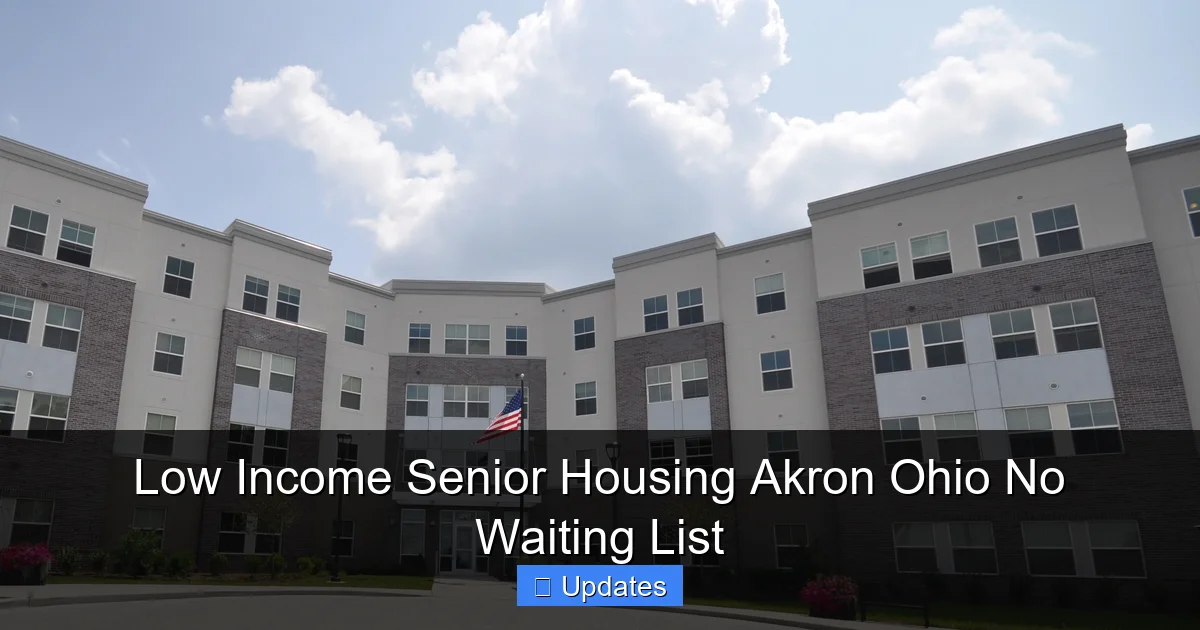
Visual guide about Low Income Senior Housing Akron Ohio No Waiting List
Image source: publichousing.com
Not all senior housing is the same. In Akron, you’ll find several types of low-income housing tailored to different needs:
1. Public Housing for Seniors
Administered by the Akron Metropolitan Housing Authority (AMHA), these properties are open to residents aged 62 and older. Units are subsidized so rent is typically 30% of the resident’s monthly income. AMHA manages several senior-only communities, including Pineview Apartments and West Hill Senior Village. One major benefit? They often operate on a first-come, first-served basis with no formal waiting list.
2. HUD-Assisted Properties
Properties funded by the U.S. Department of Housing and Urban Development (HUD) may offer rental assistance through vouchers or project-based subsidies. Some of these buildings in Akron are reserved exclusively for seniors and have immediate openings. Examples include the renovated facilities at the former Goodyear Senior Center site and several developments managed by nonprofit partners.
3. Nonprofit and Faith-Based Housing
Organizations like Catholic Charities, the Salvation Army, and local church groups run supportive housing communities with sliding-scale rents. These places often include meals, housekeeping, and transportation. For example, the St. Vincent de Paul Society in Akron operates a small but welcoming senior residence near downtown that rarely has vacancies.
4. Veterans’ Housing Options
If you’re a veteran, you may qualify for housing through the VA’s Aid and Attendance benefit. Several Akron properties reserve units for honorably discharged veterans over 65. These spots frequently turn over due to relocations or downsizing, creating opportunities for new applicants.
5. Congregate and Assisted Living Models
Some no-waiting-list housing includes congregate living—where seniors share common dining areas and receive light support services. These models are ideal for those who want companionship without full-time skilled nursing. One such option is the recently expanded facility at the Akron Senior Center, which added 20 new units last year.
Each type has its own application process, so it’s helpful to know which aligns best with your lifestyle and budget.
How to Qualify for No-Waiting-List Senior Housing
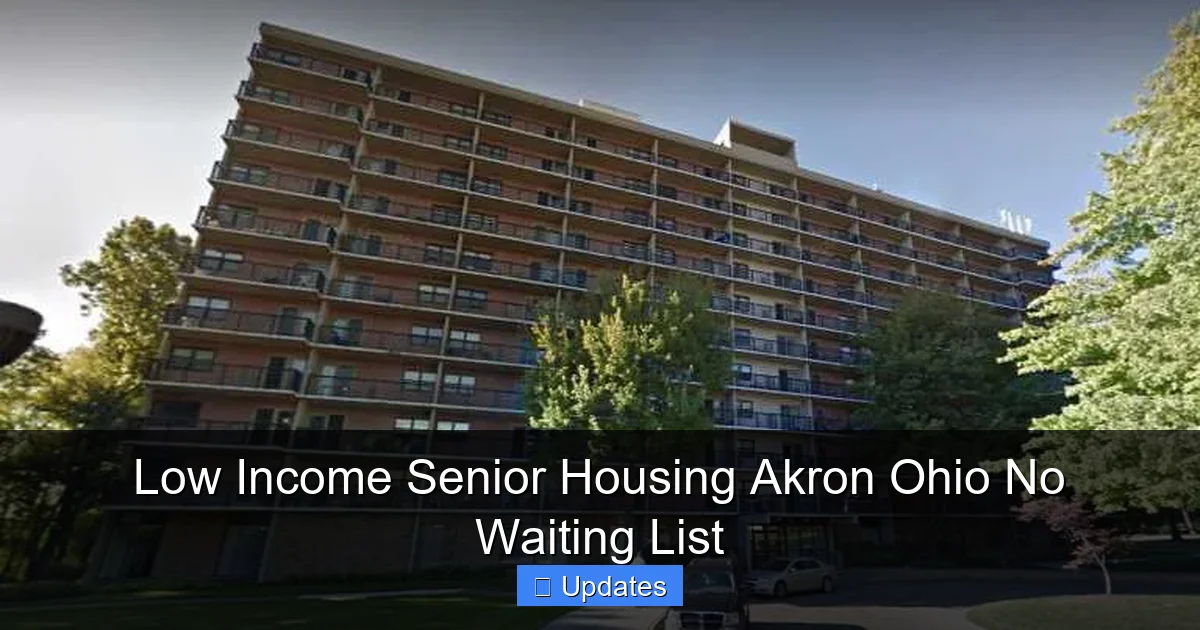
Visual guide about Low Income Senior Housing Akron Ohio No Waiting List
Image source: lowincomehousing.us
Just because a housing complex says “no waiting list” doesn’t mean anyone can move in tomorrow. There are clear guidelines to follow.
First, you must be at least 62 years old. Some programs extend to 55+, especially if they include disabled residents. Your household income must also fall below a certain threshold—typically 50% of Akron’s median income, which currently sits around $58,000 annually for a single person. If your only income is Social Security ($1,913/month as of 2024), you likely qualify.
You’ll also need to prove residency in Summit County and provide documentation such as:
- Birth certificate or driver’s license
- Social Security statements
- Bank statements
- Rent receipts or utility bills
- Medical records (if applying for health-related support)
Don’t worry if you don’t have everything ready at once. Staff at housing offices are used to helping people gather paperwork step by step.
Where to Apply: Top Resources in Akron
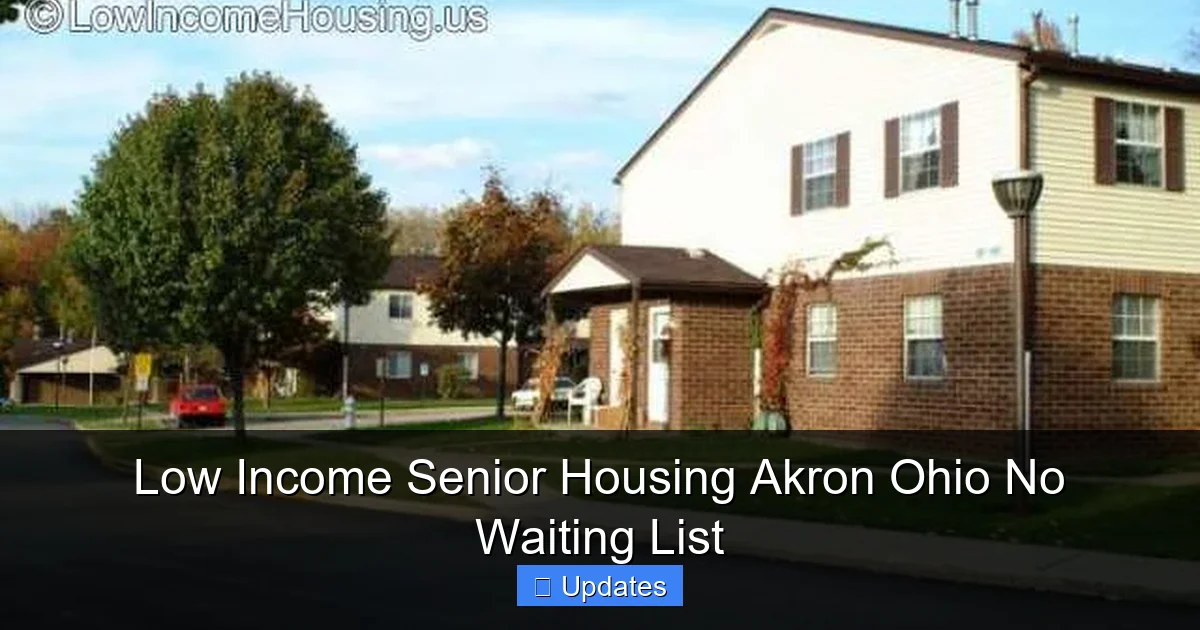
Visual guide about Low Income Senior Housing Akron Ohio No Waiting List
Image source: lowincomehousing.us
Knowing where to apply can save time and stress. Here are the top places to check for **low income senior housing in Akron, Ohio with no waiting list**:
The Akron Metropolitan Housing Authority (AMHA)
AMHA is your go-to for public senior housing. Visit their office at 220 S. Broadway Ave., Suite 100, or call (330) 762-2700. Their staff will walk you through available units and help complete the application online or in person. They update their website weekly with vacancy alerts.
Summit County Office of Senior Services
Located at 375 E. Market St., this agency offers free case management and helps connect seniors with housing, nutrition, and transportation. Call (330) 926-6000 or email [email protected]. They also host monthly housing fairs at the Akron Public Library.
Catholic Charities of the Diocese of Cleveland
They manage several affordable housing sites in Greater Akron, including the St. Mary’s Senior Residence in Cuyahoga Falls. Phone (330) 762-2220. Applications are accepted year-round, and they prioritize urgent cases.
The Salvation Army – Akron Corps Community Center
Offers emergency housing vouchers and permanent supportive housing. Contact them at (330) 725-5751. While not all units are no-waiting-list, they do have overflow beds and referral networks.
VA Medical Center – Akron
For veterans, the VA provides housing assistance and coordinates with local landlords. Reach out to their Social Work Department at (330) 543-8100 ext. 2234.
These organizations don’t just hand out keys—they guide you through every step, from filling out forms to attending orientation meetings.
Practical Tips for Securing Immediate Placement
Even with no waiting list, competition exists. Here’s how to increase your chances:
Be Proactive
Call housing offices before visiting. Ask: “Are there any units expected to open in the next 30 days?” If you hear “yes,” ask to be placed on an informal notification list. Some managers will text or call when space opens.
Visit in Person
Online applications can get lost. Stop by during business hours and introduce yourself. Bring a friend or family member if mobility is an issue. Managers remember faces and are more likely to help those who show initiative.
Highlight Urgency
If you’re living alone, isolated, or have health concerns, mention this respectfully. Many programs reserve priority slots for vulnerable seniors.
Check Multiple Sources
Don’t put all your eggs in one basket. Apply to AMHA, Catholic Charities, and the Salvation Army simultaneously. Sometimes one closes a unit while another announces a new opening.
Follow Up Weekly
After submitting an application, call back every few days. Persistent but polite calls show seriousness and keep you top-of-mind.
Remember: getting into no-waiting-list housing isn’t just about luck—it’s about preparation and persistence.
What Happens After You Move In?
Securing housing is only half the journey. Once you’ve moved into your new home, expect regular check-ins and responsibilities.
Most low-income senior housing requires tenants to pay 30% of their income toward rent. Utilities may be included, or you might receive a utility allowance. You’ll also agree to participate in community activities—like monthly potlucks or health screenings—to foster connection and accountability.
Maintenance requests are usually handled within 24–48 hours. Housekeeping or meal delivery may be offered depending on the property. And most importantly, you’ll gain access to a network of neighbors, volunteers, and staff who genuinely care about your well-being.
This sense of community makes all the difference in preventing loneliness and promoting healthy aging.
Common Misconceptions About No-Waiting-List Housing
There are myths floating around that could hold you back unnecessarily.
Myth 1: “It’s Free”
Truth: Nothing is free. Rent is based on income, and you still pay something—even if it’s just $10 per month. But it’s dramatically lower than market rates.
Myth 2: “Only Poor People Get It”
Truth: Many seniors on fixed incomes—including pensions, retirement accounts, and part-time work—still qualify if their total income is under the limit.
Myth 3: “You Have to Give Up Independence”
Truth: Most no-waiting-list housing is independent living with optional support. You choose how much help you take.
Myth 4: “It’s Only for Sick Seniors”
Truth: While some programs serve frail elders, others welcome active retirees who just need affordability and safety.
Understanding these facts helps you apply with confidence.
Long-Term Planning and Advocacy
Once you’re settled, think ahead. Housing needs evolve—especially as health changes. Keep an eye on programs like the Ohio Home Choice for the Elderly (HOPE) voucher, which offers additional rental support for those needing extra assistance.
Also, get involved locally. Attend city council meetings where housing policy is discussed. Join senior advisory boards at agencies like the Area Agency on Aging. Your voice can influence how resources are distributed across Akron.
And never underestimate the power of word-of-mouth. Recommend great housing options to friends. When others succeed, it creates momentum for more no-waiting-list openings.
—
Final Thoughts: Finding **low income senior housing in Akron, Ohio with no waiting list** isn’t always easy—but it’s absolutely achievable. With the right knowledge, persistence, and support, you can secure a safe, affordable home where you belong.
Start today: pick one agency from this article, call them, and begin the conversation. Your future self will thank you.
Frequently Asked Questions
Is there really low-income senior housing in Akron with no waiting list?
Yes, several housing providers in Akron operate on a first-come, first-served basis without formal waiting lists. These include public housing managed by AMHA and nonprofit-run residences that accept applications year-round.
How old do I have to be to qualify?
Most programs require applicants to be at least 62 years old. Some housing for disabled individuals may accept applicants as young as 55, depending on program rules.
What income level qualifies for low-income senior housing?
In Akron, you generally need to earn less than 50% of the area median income—about $58,000 annually for a single person. Social Security benefits alone typically qualify seniors well below this threshold.
Do I need to apply to multiple places at once?
Yes, it’s wise to contact several housing providers simultaneously. Applying to AMHA, Catholic Charities, and the Salvation Army increases your chances of finding immediate availability.
Can I bring my pet?
Many Akron senior housing complexes allow pets under size or breed restrictions. Always ask about pet policies before applying, as rules vary by building.
Are utilities included in the rent?
Sometimes, yes. Some no-waiting-list units bundle electricity, water, and trash removal into the rent. Others provide utility allowances to help cover costs.
