
Low-income Pet Friendly Senior Apartments


Upright Walker

Compression Socks

Electric Recliner Lift Chair
Finding a safe, affordable place to live as a senior shouldn’t mean giving up your beloved pets. Low-income pet friendly senior apartments offer exactly that: dignified housing with income limits, accessibility features, and no pet restrictions. These communities are changing lives by combining affordability, compassion, and community support for older adults and their animal companions.
Living on a fixed income can make finding a comfortable home feel overwhelming—especially when you’re trying to balance independence, safety, and companionship. For many seniors, pets are more than just animals; they’re family, confidants, and sources of daily joy. Yet, traditional senior housing often bans or restricts pets, leaving older adults feeling isolated and forced to choose between their well-being and their beloved companions.
That’s where low-income pet friendly senior apartments come in. These specially designed communities understand the bond between seniors and their pets and work hard to create environments where both can thrive. Whether you’re living on Social Security, retirement savings, or disability benefits, these affordable housing options offer dignity, stability, and a welcoming space for you and your furry (or feathered) friend.
In this guide, we’ll walk you through everything you need to know about finding, qualifying for, and thriving in a low-income pet friendly senior apartment. From eligibility requirements and application tips to pet policies and support services, we’ve got you covered.
—
Key Takeaways
- Affordable housing with pet policies: These apartments are designed specifically for seniors on fixed incomes who want to keep their pets—often with reduced rent, subsidies, or HUD funding.
- Pet-friendly does not mean unrestricted: Most properties have size, breed, or weight limits, but many welcome cats, small dogs, birds, and even emotional support animals.
- Accessibility is key: Many low-income pet friendly senior apartments include features like grab bars, roll-in showers, wide doorways, and emergency call systems.
- Application process varies: Expect income verification, background checks, and sometimes pet interviews or references from veterinarians.
- Support services often included: Some communities offer transportation, social activities, health screenings, or pet wellness programs.
- Location matters: Look for neighborhoods near medical centers, grocery stores, parks, and pet services like groomers or vets.
- Waitlists exist: Due to high demand, applying early and being flexible with location can increase your chances of securing housing.
📑 Table of Contents
- What Are Low-Income Pet Friendly Senior Apartments?
- Who Qualifies for Low-Income Pet Friendly Senior Housing?
- Benefits of Choosing Pet-Friendly Senior Housing
- How to Apply for Low-Income Pet Friendly Senior Apartments
- Tips for Thriving in Your New Home
- Real-Life Examples: Success Stories
- Common Misconceptions Debunked
- Resources to Help You Find Housing
- Conclusion
What Are Low-Income Pet Friendly Senior Apartments?
Low-income pet friendly senior apartments are subsidized housing units specifically built or adapted for adults aged 55+ (or 62+) who meet certain income thresholds and want to live with their pets. These aren’t just “senior buildings” with a few dog-friendly units—they’re purpose-built communities that prioritize affordability, accessibility, and inclusivity for both people and animals.
Most of these apartments receive funding from federal or state programs like the U.S. Department of Housing and Urban Development (HUD), Section 202 Supportive Housing for the Elderly, or local housing authorities. This funding allows landlords to charge lower rents while still maintaining safe, clean, and well-maintained properties.
Unlike standard senior housing—which may ban pets outright—these communities actively welcome animals under reasonable conditions. That means you won’t have to hide your golden retriever or surrender your cat at the door. Instead, you’ll find thoughtful policies, designated pet areas, and staff trained to handle resident concerns with empathy and respect.
—
Who Qualifies for Low-Income Pet Friendly Senior Housing?
Eligibility depends on several factors, including age, income level, household size, and sometimes residency status. Here’s what typically applies:
Age Requirements
Most low-income pet friendly senior apartments require residents to be at least 55 years old, though some set the minimum at 62 or higher. This aligns with HUD’s definition of “elderly housing.”
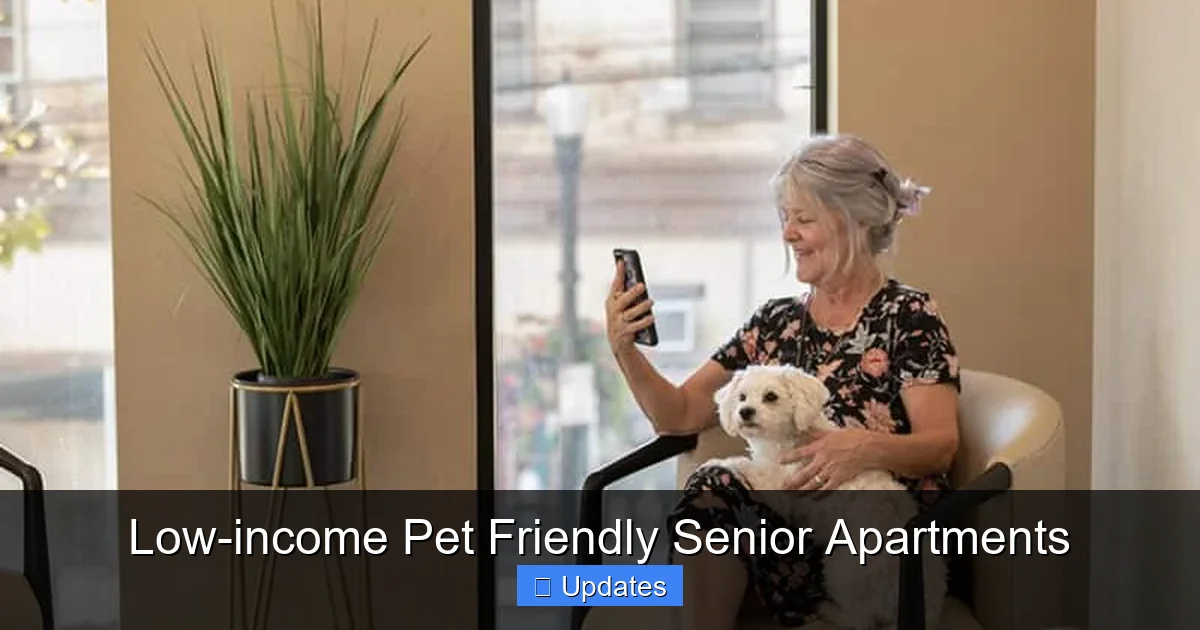
Visual guide about Low-income Pet Friendly Senior Apartments
Image source: landisplace.org
Income Limits
Rents are based on your annual income, which must fall below a specific percentage of the area’s median income. For example:
- Extremely Low Income (ELI): Below 30% of AMI
- Very Low Income (VLI): Below 50% of AMI
- Low Income: Below 80% of AMI
For a one-person household in most parts of the U.S., that could mean earning $30,000 or less annually. Larger households may qualify with slightly higher incomes.
Pet Ownership Policies
Even if you meet age and income requirements, you’ll need to follow the building’s pet rules. Common restrictions include:
- Breed or size limitations (e.g., no large breeds over 50 lbs)
- Maximum number of pets per unit (usually 1–2)
- Required vaccinations and updated tags
- Proof of spay/neuter or bird health certifications
Some communities even require a pet interview or reference letter from a vet to ensure compatibility and responsibility.
—
Benefits of Choosing Pet-Friendly Senior Housing
Choosing a low-income pet friendly senior apartment isn’t just about keeping your pet—it’s about improving your quality of life in multiple ways.
Emotional and Mental Health Support
Studies consistently show that pet ownership reduces stress, combats loneliness, and encourages routine. For seniors living alone, having a dog greet them at the door or a cat curl up beside them during quiet hours makes a huge difference. In fact, animal-assisted therapy programs are increasingly integrated into senior living communities.
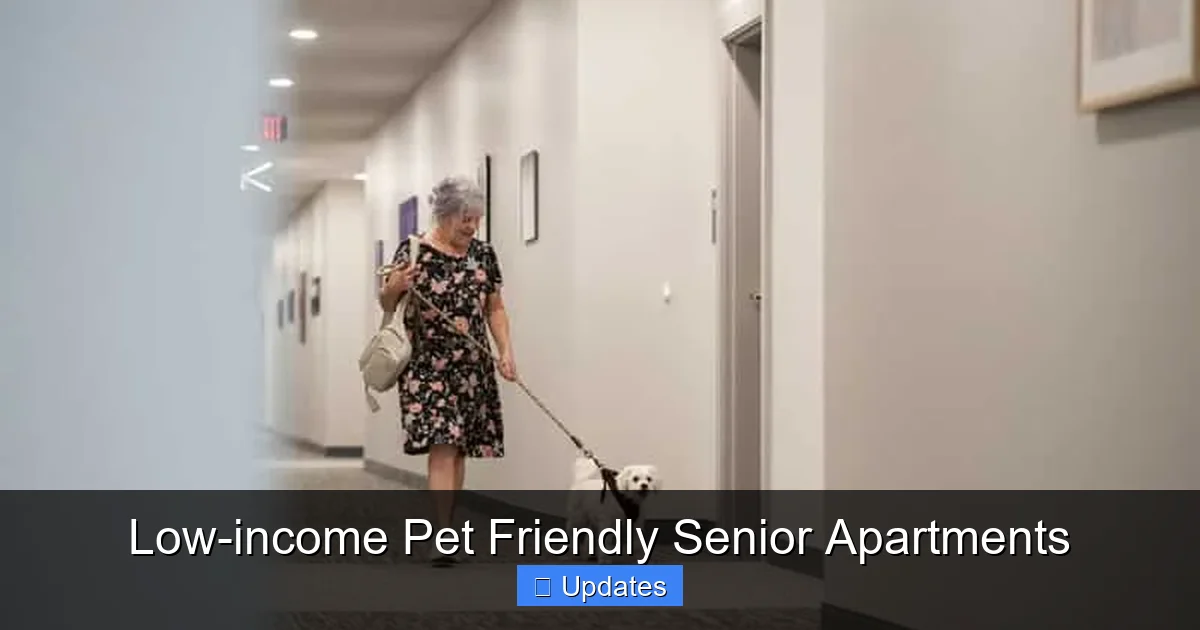
Visual guide about Low-income Pet Friendly Senior Apartments
Image source: landisplace.org
Increased Physical Activity
Walking a dog, playing fetch, or even cleaning a cage promotes light exercise—something many seniors struggle to get otherwise. Regular movement helps maintain mobility, balance, and cardiovascular health.
Social Connection
Pets act as social catalysts. Neighbors bond over shared walks, pet stories, or joint trips to the vet. Some pet friendly senior apartments host “pet meetups,” adoption events, or even pet grooming days—creating natural opportunities for friendship.
Peace of Mind
Knowing your home welcomes your pet eliminates the anxiety of rehoming. You don’t have to worry about guilt or disruption when you travel for short visits or medical appointments. Plus, many pet friendly senior communities offer emergency vet contacts or pet-sitting referrals.
—
How to Apply for Low-Income Pet Friendly Senior Apartments
The application process can feel daunting, but breaking it down into steps makes it manageable. Here’s how to get started:
Step 1: Research Local Options
Use tools like the HUD Housing Locator (hud.gov/housing), Senior Living Finder, or local Area Agencies on Aging to search for pet friendly senior housing in your area. Filter by “pet allowed,” “income-based rent,” and “age-restricted.”

Visual guide about Low-income Pet Friendly Senior Apartments
Image source: images.trovit.com
Step 2: Gather Required Documents
Typical paperwork includes:
- Proof of age (driver’s license, birth certificate)
- Recent pay stubs or benefit statements (Social Security, pension, SSI)
- Tax returns or bank statements
- Veterinary records showing current shots, microchip info, and spay/neuter status
- Photo ID of your pet(s)
- Lease history or landlord references (if applicable)
Step 3: Submit Your Application
Applications are usually submitted online, by mail, or in person. Be sure to include all requested pet documentation. Late or incomplete applications are often deprioritized.
Step 4: Waitlist Process
Many low-income pet friendly senior apartments operate on waitlists due to high demand. Priority may go to those with urgent needs (e.g., medical conditions, homelessness) or veterans. Being flexible with move-in dates and locations improves your odds.
Step 5: Lease Agreement & Pet Deposit
If approved, you’ll sign a lease that outlines pet responsibilities. A refundable pet deposit (typically $100–$300) covers potential damages. Some communities also charge a monthly pet rent ($10–$25), though this is less common in subsidized housing.
—
Tips for Thriving in Your New Home
Once you’ve secured your spot, here’s how to make the most of your new low-income pet friendly senior apartment:
Get to Know Your Neighbors
Introduce yourself and your pet. Share tips on local dog parks, quiet hours, or emergency contacts. Building rapport early prevents conflicts and fosters a supportive community.
Keep Your Pet Well-Mannered
Train your pet to respond to basic commands (sit, stay, quiet). Avoid excessive barking or digging in communal areas. A well-behaved pet is less likely to disturb others and more likely to be welcomed long-term.
Schedule Regular Vet Visits
Preventive care keeps your pet healthy and reduces liability. Bring vaccination records to your first community meeting—many managers appreciate transparency and responsibility.
Explore On-Site Amenities
Does your building have a courtyard, walking paths, or pet relief zones? Use these spaces responsibly. Some communities even offer pet waste stations with biodegradable bags.
Ask About Support Programs
Inquire about pet wellness workshops, discounted vet clinics, or pet food assistance. Many subsidized senior housing partners with nonprofits to help residents care for their animals.
—
Real-Life Examples: Success Stories
Meet Margaret, 72, who moved into a low-income pet friendly senior apartment in suburban Ohio after her previous landlord banned her 12-pound terrier mix, Buster. “I was heartbroken,” she says. “Buster was my constant companion since my husband passed.” Thanks to a referral from her local aging services office, she found Maplewood Gardens—a HUD-funded complex that welcomes small dogs under 25 pounds. Now, Buster gets daily walks with neighbors, and Margaret attends weekly bingo nights. “We’re both happier,” she smiles.
Another example: James, 68, lives with his rescued cockatiel, Sunny, in a pet friendly senior apartment in Phoenix. The community provides a bird-safe aviary area and hosts monthly feather-care seminars. “Sunny sings every morning,” James laughs. “It wakes me up better than an alarm clock!”
These stories aren’t rare. Across the country, thousands of seniors are finding homes where they belong—with their pets by their side.
—
Common Misconceptions Debunked
Let’s clear up some myths about low-income pet friendly senior apartments:
Myth #1: “All Senior Housing Bans Pets”
False. While older “no-pet” buildings still exist, many modern subsidized senior housing now explicitly allow pets. It’s becoming more common as society recognizes the importance of human-animal bonds.
Myth #2: “You Can Bring Any Pet You Want”
Not quite. Most communities restrict exotic animals (snakes, rodents, reptiles) or aggressive breeds. However, cats, small dogs, birds, and even rabbits are widely accepted with proper documentation.
Myth #3: “These Apartments Are Filthy or Unsafe”
Subsidized housing undergoes regular inspections and maintenance. Pet-friendly doesn’t mean dirty—it means thoughtfully designed for both people and animals.
Myth #4: “Only Wealthy Seniors Get to Keep Their Pets”
On the contrary, low-income pet friendly senior apartments serve those who might otherwise lose their pets due to cost. Subsidies make it possible for modest-income seniors to stay together.
—
Resources to Help You Find Housing
Don’t go it alone. These organizations can guide you:
- HUD Resource Center: Call 1-800-927-9275 or visit hud.gov
- Area Agency on Aging (AAA): Find yours at eldercare.acl.gov
- National Council on Aging (NCOA): Offers housing assistance tools at ncoa.org
- Pet Partners: Helps connect seniors with therapy animals at petpartners.org
Also check out our related guides:
– Low Income Pet Friendly Senior Apartments Near Me
– Pet Friendly Senior Apartments Near Me
– Low Income Senior Housing Pet Friendly
—
Conclusion
Finding a place to live as a senior shouldn’t require sacrificing the companionship you love. Low-income pet friendly senior apartments prove that affordability, accessibility, and compassion can coexist. With careful planning, patience, and the right resources, you can secure a home where you’re valued not only for your age and income—but for the joy and comfort your pet brings.
Remember: You deserve a dignified, happy life—with your best friend by your side. Start your search today, and take the first step toward a future full of wagging tails, purring cats, and warm welcomes.
—
Frequently Asked Questions
Are there low-income pet friendly senior apartments near me?
Yes—many exist across the U.S. Use HUD’s locator tool or contact your local Area Agency on Aging to find options in your city or county.
Can I bring my large dog or multiple pets?
Most communities limit pets to 1–2 animals and enforce size/breed rules. Small dogs, cats, birds, and emotional support animals are typically allowed with proper documentation.
Do I need to pay extra for having a pet?
Some places charge a refundable pet deposit ($100–$300) or small monthly fee, but many low-income senior housing waives or reduces these costs due to subsidies.
What if my pet has behavioral issues?
Many communities require a pet interview or vet reference to assess compatibility. If problems arise, staff may mediate or refer you to training resources.
Can I adopt a pet once I move in?
Some buildings allow new adoptions after approval. Others require existing pets only. Always review the lease agreement before moving.
Are there pet-related services available?
Many pet friendly senior apartments partner with local vets, groomers, or nonprofits to offer discounted care, wellness checks, or pet food pantries.