
Low Income Pet Friendly Senior Apartments Near Me


Electric Kettle with Auto Shutoff

Kindle E-Reader

Easy Grip Knife Set
Finding low income pet friendly senior apartments near me means accessing safe, affordable housing tailored for older adults who also love animals. Many communities now recognize the emotional and physical benefits pets bring to seniors, especially those on fixed incomes. These specialized housing options combine financial assistance, accessibility features, and compassionate policies toward animal companionship. Whether you’re a retiree with a loyal dog or a widow who adopted a rescue cat, there are resources available to help you maintain your independence while keeping your beloved pet close.
Finding low income pet friendly senior apartments near me doesn’t just mean securing a roof over your head—it means building a home where you and your four-legged companion can thrive together. As we age, companionship becomes more important than ever, and for many seniors, pets are not just family; they’re lifelines. Yet, rising living costs and rigid housing policies have historically made it difficult for older adults on fixed incomes to keep their furry friends in safe, comfortable environments.
Thankfully, times are changing. Across the United States, developers, nonprofits, and government agencies are recognizing that aging shouldn’t mean saying goodbye to your pet. Today, thousands of affordable senior housing units specifically welcome animals—many with minimal or no pet deposits, flexible weight limits, and thoughtful community design that supports both humans and hounds (or kitties). These aren’t luxury condos; they’re practical, accessible spaces where budget-conscious seniors can enjoy dignity, independence, and unconditional love—all under one roof.
Whether you live alone after retirement, rely on Social Security as your primary income source, or simply want to avoid the stress of moving away from familiar surroundings, finding low income pet friendly senior apartments near me offers hope. This guide walks you through how these housing options work, where to look, what to expect during the application process, and how to advocate for yourself when navigating eligibility requirements. We’ll also share real-world examples from across the country so you know exactly what’s possible—even on a tight budget.
Key Takeaways
- Financial Assistance Available: Programs like Section 202 Supportive Housing and HUD’s Housing Choice Voucher (Section 8) help cover rent based on income, making low income pet friendly senior apartments more affordable.
- Pets Are Welcomed: Many senior housing communities now allow cats, small dogs, and other approved animals—often with no extra pet fees or strict breed restrictions.
- Location Matters: Searching “near me” helps you find walkable neighborhoods with medical facilities, grocery stores, and parks ideal for both you and your pet.
- Waiting Lists Exist: Popular low income pet friendly senior apartments often have long waitlists, so applying early is crucial.
- Additional Benefits: Some complexes offer pet amenities like outdoor walking paths, pet relief areas, and even discounted grooming services for residents.
- Eligibility Requirements Vary: Age (usually 62+), income limits, and residency rules apply—but many programs are flexible for veterans, disabled individuals, or those with chronic health conditions.
- Support Networks Help: Nonprofits and local agencies can guide you through applications, provide emergency pet supplies, or connect you with foster networks if needed.
📑 Table of Contents
- What Are Low Income Pet Friendly Senior Apartments?
- How Do You Qualify for Affordable Senior Housing With Pets?
- Where Can You Find Low Income Pet Friendly Senior Apartments Near Me?
- What Amenities Do These Apartments Offer Seniors and Their Pets?
- How Long Are Waiting Lists for These Apartments?
- What If Your Current Landlord Won’t Allow Pets?
What Are Low Income Pet Friendly Senior Apartments?
Low income pet friendly senior apartments are purpose-built housing communities designed primarily for adults aged 62 and older. Unlike traditional retirement homes or nursing facilities, these complexes prioritize affordability, accessibility, and quality of life. Residents typically qualify based on income level—often capped at 50% of the area median income—and may receive subsidies through federal, state, or private programs.
What sets them apart is their inclusive approach to pet ownership. While older adults once faced barriers like excessive pet fees, breed bans, or outright prohibitions, modern senior housing increasingly embraces animals as essential members of the household. Policies vary by property, but common guidelines include:
– Allowing cats and small to medium-sized dogs (typically under 50 pounds)
– Requiring vaccinations, spaying/neutering, and updated tags
– Limiting the number of pets per unit
– Mandating liability insurance or pet deposits (though often waived for low-income applicants)
These communities often feature ground-floor units, grab bars, emergency call systems, and communal gardens—ideal spots for morning walks with your golden retriever or afternoon sunbathing with your calico cat. And because they’re located near public transit, pharmacies, and veterinary clinics, you won’t have to choose between your health and your pet’s well-being.
It’s worth noting that not all senior apartments are created equal. Some cater exclusively to independent living, while others offer assisted living services like meal delivery or medication reminders. When searching for low income pet friendly senior apartments near me, clarify whether you need basic housing or additional care services before applying.
How Do You Qualify for Affordable Senior Housing With Pets?
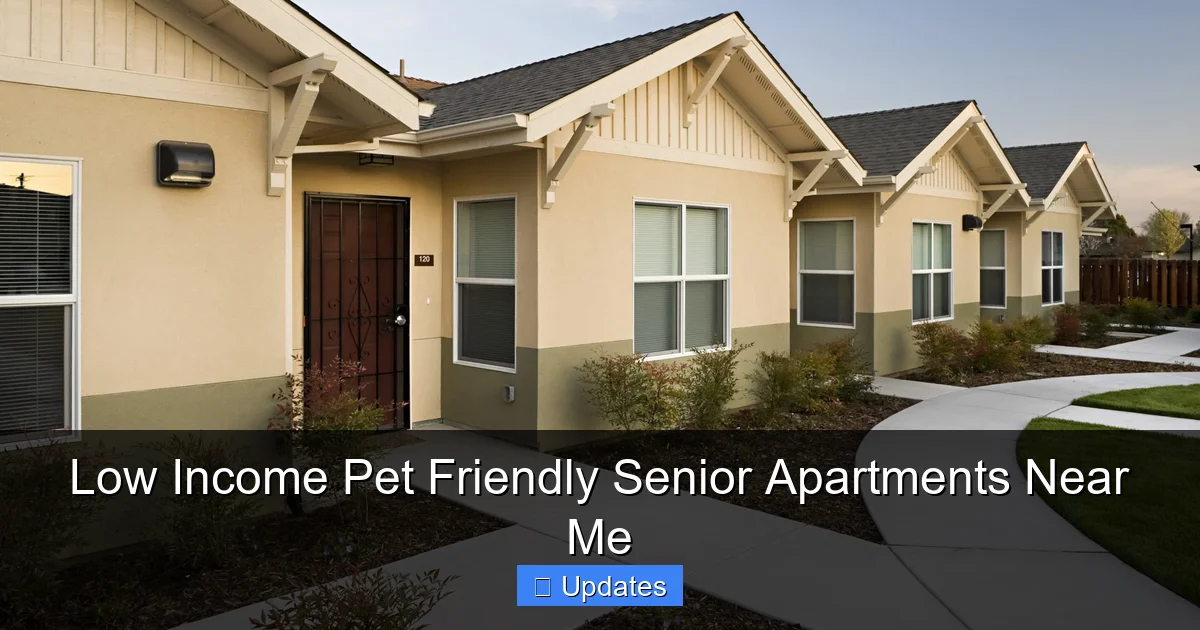
Visual guide about Low Income Pet Friendly Senior Apartments Near Me
Image source: lowincomehousing.us
Qualifying for low income pet friendly senior apartments starts with understanding the eligibility criteria. While each community sets its own rules, most follow national guidelines established by the U.S. Department of Housing and Urban Development (HUD). Here’s what typically matters most:
Income Limits
Your annual household income must fall below a specified threshold—usually between 30% and 50% of your area’s median income. For example, in a city where the median income is $70,000, your gross earnings might need to stay under $35,000. Single seniors often qualify with much lower incomes, sometimes as little as $15,000 annually.
Age Requirements
The majority of these properties require residents to be at least 62 years old. However, some developments accept younger tenants if they’re disabled or receiving certain types of public assistance. Always confirm age policies directly with the leasing office.
Residency Rules
You’ll usually need to prove you live within the designated service area—which could be a city, county, or metropolitan region. Some communities prioritize local residents or honorably discharged veterans.
Pet Policies
Even if you meet financial and age requirements, your pet must comply with health, safety, and behavioral standards. Expect requests for:
– Veterinary records showing up-to-date immunizations
– Proof of spay/neuter status
– A signed liability waiver
– Photos of your pet (to verify appearance matches application)
Some properties charge nominal pet rent ($15–$25/month) instead of a large deposit. Others waive fees entirely for seniors enrolled in HUD-assisted programs.
Pro tip: If your current apartment restricts pets due to lease terms, consider relocating sooner rather than later. Many low income pet friendly senior apartments have waiting lists spanning 6–18 months—so starting the search early gives you the best chance of securing a spot.
Where Can You Find Low Income Pet Friendly Senior Apartments Near Me?
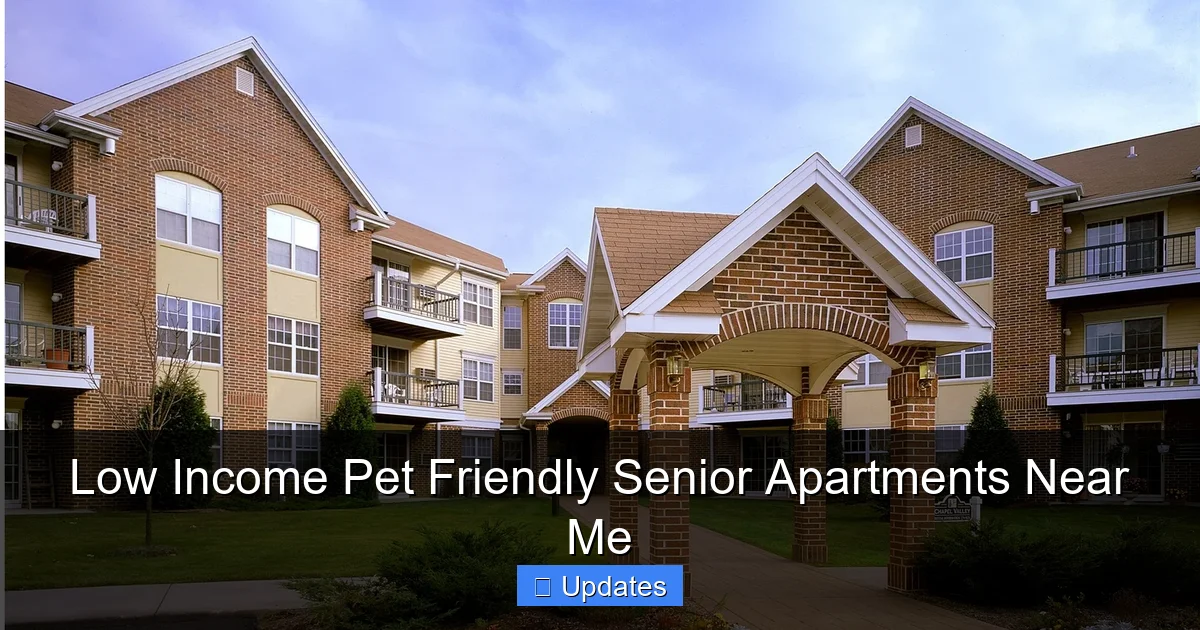
Visual guide about Low Income Pet Friendly Senior Apartments Near Me
Image source: lowincomehousing.us
The internet has made it easier than ever to locate low income pet friendly senior apartments near me. Start with these trusted resources:
HUD’s Official Database
Visit HUD’s Public Housing Authority Locator to find agencies administering Section 8 vouchers and project-based rental assistance. From there, contact your local housing authority to inquire about senior-specific properties that permit animals.
Nonprofit Housing Organizations
Groups like the National Council on Aging (NCOA) and the Human Animal Bond Research Institute (HABRI) maintain directories of pet-inclusive senior housing. Their websites often filter results by location, pet type, and subsidy availability.
Real Estate Listing Sites
Platforms such as Apartment Finder, Zillow, and Rent.com let you apply advanced filters—including “pets allowed” and “senior living.” Be sure to read reviews carefully; some listings exaggerate pet-friendliness.
Community Outreach Events
Many municipalities host senior expos or housing fairs where representatives from affordable complexes set up booths. Attendees receive application packets and can ask questions about pet policies on the spot.
When evaluating options, prioritize proximity to:
– Veterinarians open after 5 PM
– Grocery stores with pet food sections
– Dog parks or walking trails
– Public transportation stops
For instance, in Tucson, AZ, the Tucson Low-Income Senior Housing Program includes several pet-friendly units managed by nonprofit developers. Similarly, in North Las Vegas, NV, residents benefit from nearby parks and low-cost vet clinics—making daily walks with Fido both convenient and economical.
If you’re unsure which cities offer the most robust options, consider relocating temporarily. States like California, Florida, and Texas lead the nation in senior housing inventory, while smaller towns often partner with faith-based groups to create micro-communities tailored to locals.
What Amenities Do These Apartments Offer Seniors and Their Pets?
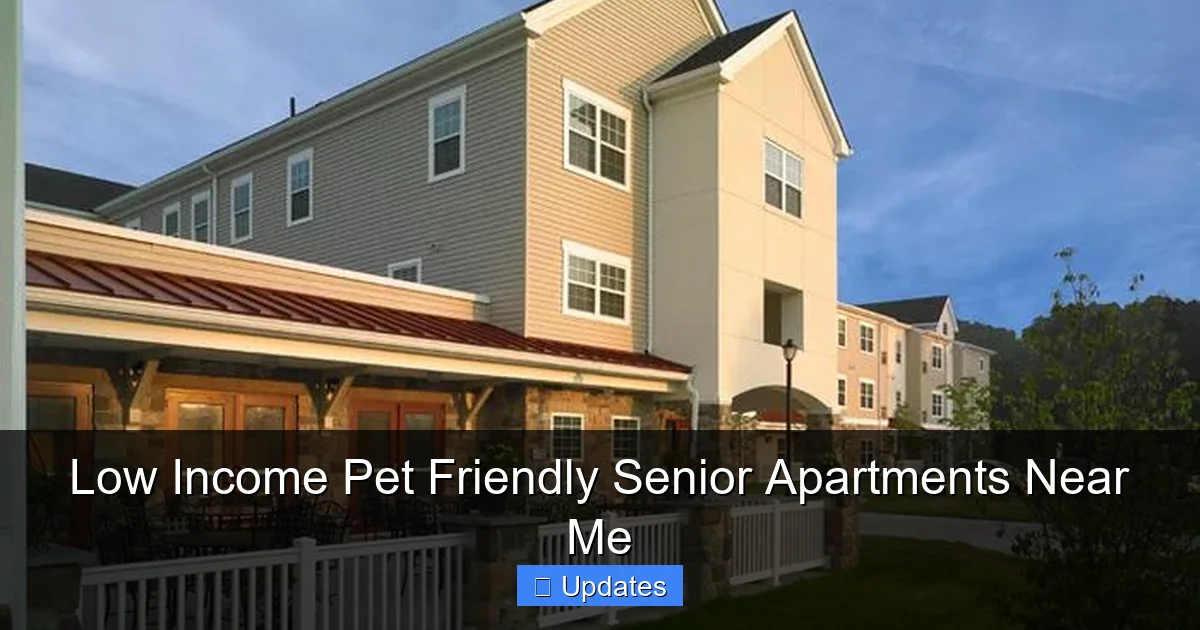
Visual guide about Low Income Pet Friendly Senior Apartments Near Me
Image source: lowincomeapartments.us
Beyond affordability and pet acceptance, low income pet friendly senior apartments often go above and beyond to enhance resident quality of life. Common features include:
Accessible Floor Plans
One-story buildings with wide doorways, roll-under sinks, and non-slip flooring reduce fall risks—critical for seniors managing arthritis or balance issues. Many units also include walk-in showers and adjustable countertops.
On-Site Staff Support
While not full-time caregivers, staff members assist with:
– Medication reminders
– Light housekeeping
– Transportation coordination
– Emergency response systems
In rare cases, select properties integrate assisted living services directly into the complex, allowing residents to age in place without relocating.
Pet-Focused Design Elements
Look for:
– Designated pet relief stations with waste bags
– Fenced courtyards for off-leash play
– Pet washing areas with heated floors
– Community bulletin boards featuring lost-and-found alerts
Some complexes even host monthly “Pet Socials” where residents bond over treats and training tips.
Health and Wellness Programming
Fitness classes (like water aerobics or chair yoga), nutrition workshops, and mental health seminars help combat isolation—a known risk factor for depression in seniors. And since pets encourage regular movement, many residents report improved mobility and mood simply from walking their dogs.
Importantly, these amenities don’t come with hidden costs. Subsidized rents already factor in operational expenses, so you won’t pay extra for pet-friendly upgrades or wellness activities. That said, always clarify fee structures during your tour—some properties charge administrative fees for pet registration or liability waivers.
How Long Are Waiting Lists for These Apartments?
Patience is key when pursuing low income pet friendly senior apartments near me. Due to high demand and limited funding, waiting lists frequently extend six months to two years. Factors influencing wait times include:
– Geographic location (urban vs. rural)
– Number of available units
– Priority given to veterans, disabled individuals, or extremely low-income applicants
– Frequency of applicant turnover (e.g., someone moving out unexpectedly)
To minimize delays:
– Apply to multiple properties simultaneously
– Provide complete documentation upfront (proof of income, medical records, pet credentials)
– Follow up weekly with leasing offices
– Ask if you can join a “preference list” for future openings
In cities like Spokane, WA, where housing shortages are acute, some applicants wait nearly three years. But persistence pays off—many seniors eventually secure spots and describe the move as life-changing.
What If Your Current Landlord Won’t Allow Pets?
If you’re currently renting and facing eviction due to your pet, don’t panic. Several legal protections exist:
– Fair Housing Act: Prohibits discrimination based on familial status (which includes children and, increasingly, pets deemed “emotional support animals”).
– Reasonable Accommodations: If your pet provides therapeutic value (e.g., alleviating anxiety), you may request an exception under disability laws.
– Local Ordinances: Over 20 states ban breed-specific restrictions in multi-family housing—check your city’s code.
Reach out to tenant rights organizations or legal aid clinics immediately. They can draft appeal letters, negotiate with landlords, or help you transition to subsidized housing before facing penalties.
Remember: Staying in an unaffordable or unsafe rental harms both you and your pet. Prioritizing stable, low income pet friendly senior apartments near me isn’t selfish—it’s necessary for long-term health and happiness.
Frequently Asked Questions
Are there any low income pet friendly senior apartments near me that don’t charge pet fees?
Yes! Many HUD-subsidized senior housing projects waive pet deposits or monthly pet rent entirely for income-qualified residents. Properties affiliated with nonprofits or veteran support groups often adopt this policy to reduce financial strain. Always ask during your application about fee waivers—especially if you’re enrolled in SNAP, Medicaid, or SSI.
Can I bring my large dog to a low income pet friendly senior apartment?
It depends on the property’s size limits and insurance requirements. While most allow small-to-medium dogs (under 50 lbs), larger breeds may require additional documentation, higher liability coverage, or special approval. Some communities even designate specific units for bigger pets. Contact individual complexes to discuss your dog’s breed, temperament, and vaccination history.
Do I need to register my pet as an emotional support animal (ESA)?
Not necessarily. Emotional support designation is only required if your pet helps manage a diagnosed mental health condition—and even then, it doesn’t override standard pet policies. Instead, focus on complying with basic requirements: updated shots, leash laws, and clean-up responsibilities. Many seniors successfully live with pets without formal ESA status.
What documents do I need to apply for low income pet friendly senior housing?
Gather proof of identity (driver’s license, passport), income verification (Social Security statements, pension stubs, bank records), residency documentation (utility bills), and your pet’s veterinary records (vaccination certificates, spay/neuter proof, photo ID). Some properties also request references from current landlords or healthcare providers.
Are utilities included in low income pet friendly senior apartment rents?
Rarely. Most subsidized housing separates base rent from utility costs (electricity, gas, water, trash). However, energy-efficient appliances and bulk purchasing agreements can lower bills significantly. Ask if the property participates in utility assistance programs like LIHEAP, which helps low-income households offset heating/cooling expenses.
Can I visit low income pet friendly senior apartments before applying?
Absolutely! Virtual tours are widely available, but nothing replaces seeing the space in person—especially the pet-friendly areas. Bring your pet if possible, observe noise levels, inspect stair railings, and chat with current residents about management responsiveness. Trust your instincts; comfort matters more than square footage.
