
Pet Friendly Senior Apartments Near Me


Back Massager with Heat

Talking Clock

Electric Kettle with Auto Shutoff
Finding the right senior living community is about more than just amenities—it’s about finding a home where you and your beloved pet can thrive together. This comprehensive guide navigates the search for pet friendly senior apartments near me, covering everything from understanding pet policies and breed restrictions to practical tips for moving with a pet and building a new community. We provide actionable strategies to locate communities that welcome cats, dogs, and other companions, ensuring your next chapter includes your best friend.
For millions of seniors, the decision to downsize or move into a senior living community comes with a heart-wrenching question: “What about my pet?” That loyal dog who greets you every morning, the cat who curls up on your lap in the evening—they are family. The thought of separating from them can be a major barrier to moving, sometimes even preventing a necessary move to a more supportive environment. But here’s the wonderful news: the landscape of senior housing is changing rapidly. The concept of pet friendly senior apartments near me is no longer a rare exception; it’s a growing, vibrant standard. Communities are increasingly recognizing that welcoming pets isn’t just a kindness—it’s a cornerstone of resident well-being, engagement, and happiness. This guide is your roadmap to finding a place where both you and your furry, feathered, or finned friend can put down roots and enjoy this next chapter together.
Key Takeaways
- The bond is paramount: Pets provide crucial companionship, reducing loneliness and encouraging physical activity, making pet-friendly housing a health priority for seniors.
- Policies vary widely: Always read the fine print on pet agreements, including breed/weight restrictions, fees, deposits, and required pet resumes or references.
- Search requires specific keywords: Use terms like “pet friendly senior living,” “dog friendly apartments for 55+,” and your city/state to narrow down options effectively.
- Prepare your pet and your paperwork: Gather vet records, update ID tags, and create a “pet resume” to showcase your responsible ownership to prospective communities.
- Community matters for pets too: Look for amenities like dog parks, pet washing stations, and nearby green spaces to enhance quality of life for both you and your pet.
- Financial planning is key: Factor in monthly pet rent, deposits, and potential pet insurance when budgeting for your new apartment.
- Advocate and ask questions: Don’t be shy about asking detailed questions about the pet policy’s real-world application and the community’s pet culture.
📑 Table of Contents
- Why Pets Are Non-Negotiable for Senior Well-Being
- Decoding the “Pet Friendly” Label: What It Really Means
- Your Strategic Search: How to Find “Pet Friendly Senior Apartments Near Me”
- Preparing Your Pet (and Yourself) for the Move
- Building Your New Pet-Friendly Community
- Financial and Logistical Considerations for the Long Haul
- Conclusion: Your Home Awaits—Paws and All
Why Pets Are Non-Negotiable for Senior Well-Being
Before we dive into the “how,” let’s talk about the “why.” Understanding the profound impact pets have on senior health can give you confidence and clarity during your search.
The Unbreakable Bond: More Than Just a Pet
For a senior, especially one living alone or facing limited mobility, a pet is a constant source of unconditional love and purpose. The routine of feeding, walking, and caring for an animal provides structure to the day. That simple act of getting up to let the dog out or fill the cat’s bowl is a powerful motivator that fights depression and isolation. Studies show pet owners have lower blood pressure, reduced stress hormones, and better cardiovascular health. The tactile act of petting a dog or cat is inherently calming. In a new environment, your pet becomes your social ambassador, a natural conversation starter that helps you connect with neighbors faster than any welcome committee could.
A Catalyst for an Active Lifestyle
Dogs, in particular, are the best personal trainers. They need walks. That means you need to walk. This daily, gentle exercise is invaluable for maintaining mobility, balance, and stamina. It gets you outside, exposing you to sunlight (vital for Vitamin D) and the ever-changing world of the neighborhood. Even caring for a cat involves bending, stretching, and light activity. This built-in motivation for movement is a huge health benefit that senior-focused communities actively encourage.
Decoding the “Pet Friendly” Label: What It Really Means
Not all “pet friendly” policies are created equal. Seeing a community advertised as such is just the first step. The details in the lease agreement are where the truth lies.

Visual guide about Pet Friendly Senior Apartments Near Me
Image source: landisplace.org
Common Restrictions to Unpack
Be prepared to ask very specific questions. “Pet friendly” can mean:
- Breed Restrictions: Many communities, often influenced by insurance policies, prohibit breeds they consider “aggressive,” such as Pit Bull Terriers, Rottweilers, German Shepherds, or Doberman Pinschers. These lists can be long and specific.
- Weight Limits: It’s common to see a maximum weight for dogs, often 25, 40, or 50 pounds. This usually doesn’t apply to cats.
- Number of Pets: Most limit residents to one or two pets total. Some may have different rules for cats vs. dogs.
- Type of Pets: “Pets” almost always means cats and dogs. Exotic pets, reptiles, birds (beyond small caged birds), or livestock are almost universally prohibited.
The Financial Side: Fees, Rent, and Deposits
This is a critical part of your budget. Typical costs include:
- Non-Refundable Pet Deposit: A one-time fee, often $200-$500 per pet.
- Monthly Pet Rent: An added charge to your monthly rent, typically $25-$75 per pet.
- Refundable Pet Deposit: Less common now, but some may hold a separate, refundable deposit for potential damages.
- Pet Application Fee: Sometimes there’s a small fee just to process your pet’s information.
Ask if these fees are per pet or per apartment. Also, inquire if there are any additional fees for service/emotional support animals—by law, communities cannot charge fees for these, but you must have proper documentation.
Your Strategic Search: How to Find “Pet Friendly Senior Apartments Near Me”
Now, let’s get practical. A passive online search won’t cut it. You need a targeted strategy.
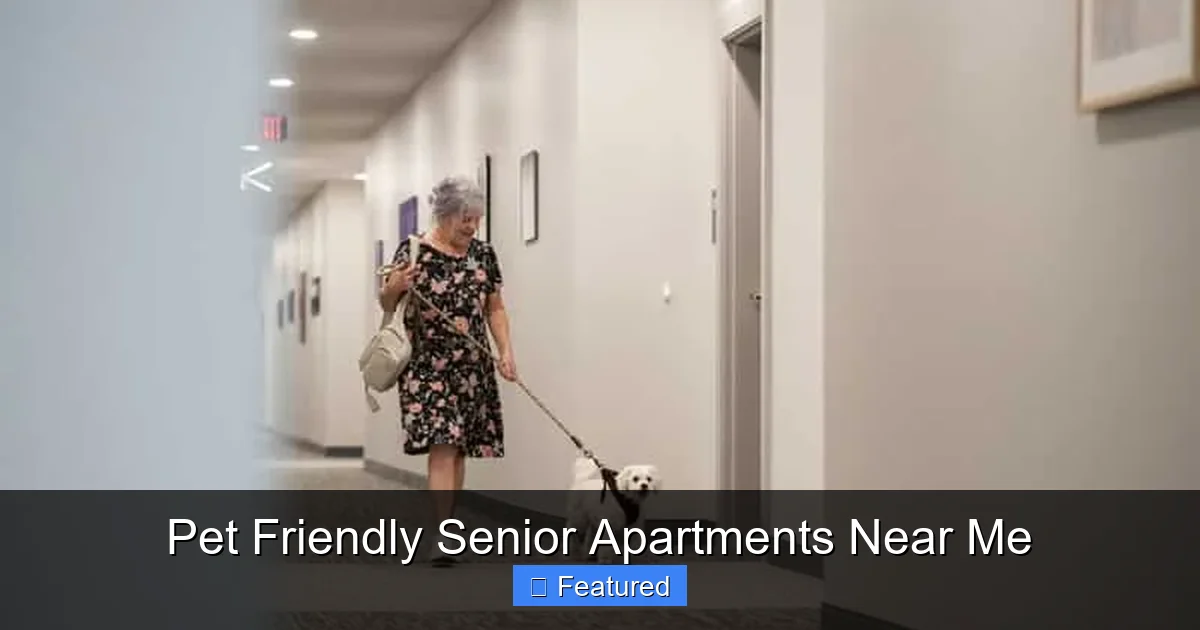
Visual guide about Pet Friendly Senior Apartments Near Me
Image source: landisplace.org
Mastering Online Search with the Right Keywords
Go beyond just “senior apartments.” Your search strings need to be specific. Try combinations like:
- “pet friendly senior apartments near me“
- “55+ communities that allow dogs in [Your City]”
- “cat friendly independent living [Your State]”
- “senior housing with dog parks near me”
- “no breed restriction senior apartments [Your Zip Code]”
Use quotation marks for exact phrases. Filter results on major apartment sites (like Apartments.com, Zillow) for “pet policy” and “senior community.” But remember, the most reliable information is always on the community’s own website or, better yet, from the leasing office directly.
The Power of the Phone Call: Your Must-Ask Questions
Once you have a list of 5-10 potential communities, pick up the phone. A quick 5-minute call can save you hours of wasted tours. Be polite but direct. Here’s your script:
- “I am looking for an apartment for a senior and I have a [dog/cat]. Can you confirm you accept [breed/weight]?”
- “What is the total one-time move-in cost for a pet? (Deposit, fee, etc.)”
- “What is the monthly pet rent?”
- “Are there any breed or weight restrictions I should be aware of?”
- “Do you have any on-site amenities for pets, like a dog run or pet washing station?”
- “Could you email me the full, current pet policy addendum to review?”
If the answer to the first question is “no” or they are vague about restrictions, cross them off your list immediately. Your time is too valuable.
Preparing Your Pet (and Yourself) for the Move
You’ve found a few promising communities. Now, prepare your application and your companion for a smooth transition.
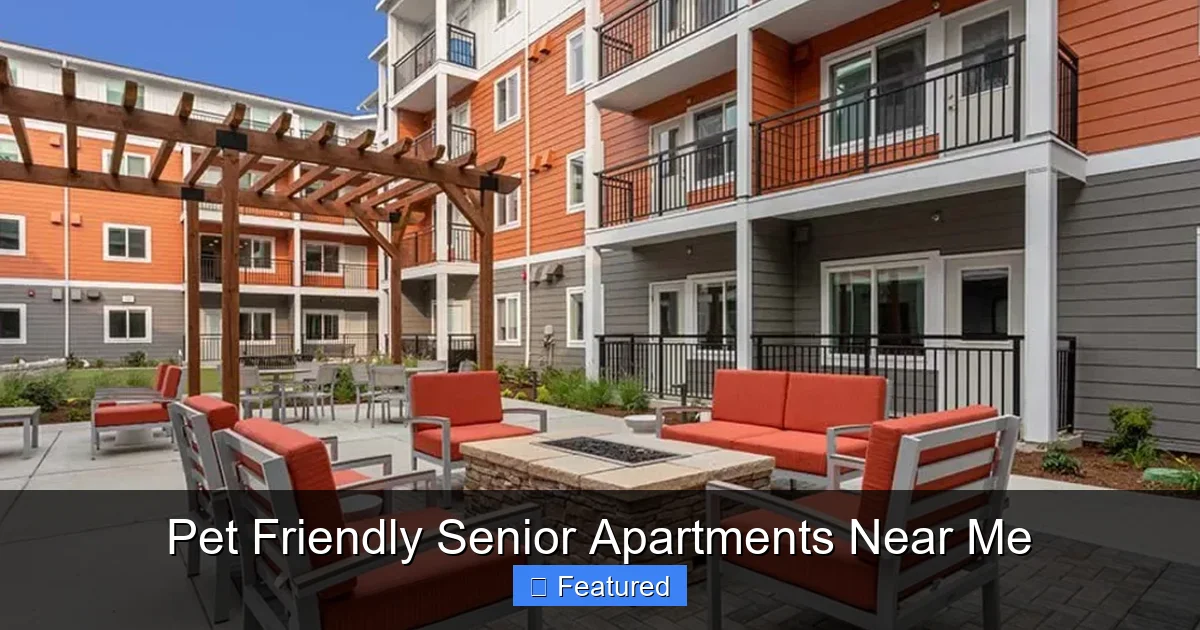
Visual guide about Pet Friendly Senior Apartments Near Me
Image source: g5-assets-cld-res.cloudinary.com
Creating a “Pet Resume” and Gathering Documentation
Yes, this is a real thing, and it works. A simple one-page document that presents your pet as a model tenant. Include:
- A cute, clear photo.
- Your pet’s name, age, breed, weight.
- Spay/neuter status (mandatory in most places).
- Vaccination records (Rabies, DHPP for dogs; FVRCP for cats).
- Proof of current flea/tick prevention.
- References: your current veterinarian and a neighbor or friend who can attest to your pet’s good behavior.
- A brief note about their personality: “Loves napping,” “Gentle with strangers,” “Enjoys short leash walks.”
This proactive step shows you are a responsible, caring owner and can ease a manager’s concerns. Have digital and printed copies ready. You’ll also need these vet records for the application itself.
Making the New Apartment Pet-Safe and Comfortable
Senior apartments often have different layouts than a single-family home. Think about your pet’s needs:
- Flooring: Hardwood or luxury vinyl is easier for paws to grip and for you to clean than carpet. If you have a dog with arthritis, slippery floors might require a few strategic area rugs.
- Space: Ensure there’s enough room for your pet’s bed, food/water stations, and a litter box (for cats) in a discreet but accessible location.
- Balconies/Patios: If you have one, ensure it’s secure. Check for gaps in railings. Never leave pets unattended on a high balcony.
- Windows: Secure window screens are a must for cats. Consider a window perch for bird-watching entertainment.
- Quiet Corners: Moving is stressful. Set up their bed and favorite toys in a quiet bedroom first to give them a safe haven.
Building Your New Pet-Friendly Community
Moving into a pet friendly senior apartments near me isn’t just about the lease—it’s about finding a community where you and your pet can socialize.
Looking for On-Site Pet Amenities
These features are a huge bonus and indicate a community that truly embraces pets:
- Designated Dog Parks or Patios: Fenced areas where dogs can play off-leash safely.
- Pet Washing Stations: A lifesaver for muddy paws after a walk, often located near the main entrance or pool area.
- Pet Relief Areas: Clearly marked spots with waste stations and bags, sometimes with small patches of artificial grass.
- “Yappy Hours” or Pet Socials: Some forward-thinking communities organize casual gatherings for residents and their pets.
Ask the leasing agent about any existing pet clubs or informal groups. A community that invests in these amenities is one that understands your lifestyle.
Navigating the Neighborhood
Do a recon before moving day. Use apps like BringFido or Sniffspot to find nearby parks, trails, and pet-friendly cafes. Identify the closest 24-hour emergency vet hospital. Knowing where you can comfortably walk your dog or where the nearest pet supply store is located will make you feel instantly at home. If you have a small dog, look for neighborhoods with lots of other people walking dogs—it’s safer and more social.
Financial and Logistical Considerations for the Long Haul
A sustainable pet-friendly lifestyle requires planning beyond the initial move-in costs.
Budgeting for the True Cost of Pet Ownership
Create a monthly budget that includes:
- Food and Treats: Quality nutrition is an investment in health.
- Preventative Medications: Flea, tick, and heartworm prevention are non-negotiable monthly expenses.
- Pet Rent: As outlined in your lease.
- Routine Veterinary Care: Annual exams, vaccines, dental cleanings. Consider a pet wellness plan to spread costs.
- Pet Insurance: Highly recommended for seniors to avoid catastrophic vet bills. Compare plans like Lemonade, Healthy Paws, or Nationwide.
- Toys, Bedding, Grooming: Ongoing supplies.
This realistic budget ensures your pet’s care never becomes a financial strain.
Planning for the Future: Your Pet’s “What If?”
It’s not a pleasant topic, but responsible pet ownership means having a plan. What happens to your pet if you become temporarily hospitalized or permanently unable to care for them? Have a candid conversation with a family member or close friend who has agreed to be your pet’s emergency guardian. Put this in writing. Ensure they have a set of keys, know the vet, and have a copy of your pet’s medical records and insurance policy. This peace of mind is invaluable.
Conclusion: Your Home Awaits—Paws and All
The journey to find the perfect pet friendly senior apartments near me is a journey toward a fuller, happier, and healthier life. It requires diligence, clear questions, and a bit of paperwork, but the reward is immeasurable. You are not choosing between your comfort and your companion; you are choosing a community that understands that true comfort includes the joy, laughter, and quiet comfort a pet brings. By arming yourself with knowledge—understanding policies, preparing your pet’s resume, budgeting accurately, and seeking out communities with pet-centric amenities—you transform a daunting search into an empowering mission. You deserve a home that fits your lifestyle, and your pet deserves a home where they are loved and welcomed. Start your search today with confidence, knowing that the perfect, pet-loving community is out there waiting for both of you.
Frequently Asked Questions
What is a typical pet deposit and monthly pet rent for senior apartments?
A non-refundable pet deposit usually ranges from $200 to $500 per pet, and monthly pet rent is commonly between $25 and $75 per pet. These fees vary significantly by community and location, so always get the exact amounts in writing before applying.
Are there senior apartments that accept large dog breeds?
Yes, but they are less common. Many communities have weight limits (often 25-50 lbs). Your best strategy is to search for “no breed restriction senior housing” or “large dog friendly 55+ communities” in your specific area and be upfront about your dog’s size during initial calls.
Can emotional support animals (ESAs) live in pet-friendly senior apartments without fees?
Yes. Under the Fair Housing Act, communities must make reasonable accommodations for ESAs. They cannot charge pet deposits or monthly pet rent for a legitimate ESA. However, you must provide documentation from a licensed healthcare professional stating your need for the animal. The community can still enforce general rules about behavior and waste cleanup.
How can I make my pet more appealing to a prospective senior apartment community?
Create a “pet resume” with a photo, vaccination records, spay/neuter proof, and a reference from your current vet. During the application process, be honest and proactive. Demonstrating that your pet is well-trained, healthy, and that you are a responsible, long-term owner significantly increases your chances of approval.
What should I do if my new apartment has carpet and my pet is older?
Request a unit with more hard-surface flooring if possible. If not, invest in quality, washable area rugs to protect the carpet in high-traffic areas like near the food/water bowls and litter box. Use a highly absorbent, waterproof liner under the litter box. Schedule more frequent professional cleanings after moving in to address any accidents promptly.
What happens to my pet if I need to go to the hospital or rehab temporarily?
This is a critical part of responsible pet ownership. You must have a pre-arranged emergency plan. Designate a trusted family member, friend, or even a professional pet-sitting service who has keys, knows your pet’s routine, and has copies of vet records. Some senior communities may also offer limited temporary pet care assistance or have recommendations for local services.