
What to Wear for Senior Portraits


Reading Light for Bed

Jar Opener for Weak Hands

Bathroom Grab Bar Set
Choosing what to wear for senior portraits can feel overwhelming, but it doesn’t have to be. The right outfit highlights your personality, complements the setting, and ensures your photos look polished and timeless. With a few smart styling tips, you’ll feel confident and look amazing in every shot.
Key Takeaways
- Choose outfits that reflect your personality: Your senior portraits are a celebration of who you are, so wear clothes that feel authentic and represent your style.
- Stick to solid colors and simple patterns: Avoid busy prints, logos, or overly bold designs that distract from your face and expression.
- Coordinate with the location and season: Match your outfit to the backdrop—think earthy tones for outdoor shoots and classic neutrals for studio sessions.
- Layer for versatility and depth: Jackets, cardigans, or vests add visual interest and give you more posing options during the shoot.
- Prioritize fit and comfort: Clothes should fit well and allow you to move naturally—avoid anything too tight, loose, or restrictive.
- Bring 3–5 outfit options: Having variety ensures you can adapt to lighting, weather, or mood changes during the session.
- Accessorize thoughtfully: Simple jewelry, scarves, or hats can enhance your look without overpowering it.
📑 Table of Contents
- What to Wear for Senior Portraits: A Complete Guide
- Why Your Outfit Matters in Senior Portraits
- Choosing the Right Colors and Patterns
- Outfit Ideas Based on Location and Style
- Layering and Accessorizing Like a Pro
- What to Avoid When Choosing Your Outfit
- Final Tips for a Successful Senior Portrait Session
What to Wear for Senior Portraits: A Complete Guide
Your senior year is a big deal—it’s the final chapter of high school, a time of growth, achievement, and excitement about what’s next. And what better way to celebrate this milestone than with a set of stunning senior portraits? These photos will be shared with family, posted on social media, and kept as cherished memories for years to come. But before you step in front of the camera, there’s one important question: What should I wear?
It’s a common dilemma. You want to look your best, but you also want your photos to feel authentic and timeless. The last thing you want is to look back in ten years and cringe at an outfit that was trendy for five minutes. The good news? With a little planning and some smart styling choices, you can create a look that’s both fashionable and meaningful. This guide will walk you through everything you need to know about what to wear for senior portraits—from color choices and fabrics to layering tips and location-based styling.
Why Your Outfit Matters in Senior Portraits
You might be thinking, “It’s just a photo—how much can my outfit really matter?” The truth is, your clothing plays a huge role in how your senior portraits turn out. It sets the tone, influences the mood, and can even affect how flattering the lighting looks on your skin. Think of your outfit as part of the overall composition—just like the background, lighting, and pose.

Visual guide about What to Wear for Senior Portraits
Image source: i.pinimg.com
When you wear something that makes you feel confident, it shows in your expression. A great outfit can boost your self-esteem, helping you relax and smile naturally. On the flip side, wearing something uncomfortable or unflattering can make you tense up, leading to stiff or awkward photos. Plus, your senior portraits are meant to capture you—your personality, your style, your journey. The right outfit helps tell that story.
The Psychology of Color in Photography
Color is one of the most powerful tools in photography. It can draw attention, evoke emotion, and even influence how people perceive your mood. When choosing what to wear for senior portraits, consider how different colors interact with your skin tone and the background.
For example, warm tones like coral, mustard yellow, and olive green tend to look great on most skin tones and add a cozy, inviting feel to photos. Cool tones like navy, teal, and soft gray can create a calm, sophisticated look. Avoid neon colors or overly bright shades that might reflect light in unflattering ways or clash with the environment.
Also, think about contrast. If you’re shooting in a forest with lots of green, wearing a green shirt might make you blend in. Instead, opt for a complementary color like burgundy or cream to make you stand out. The goal is to create balance—your outfit should enhance the photo, not compete with it.
Timeless vs. Trendy: Striking the Right Balance
It’s tempting to wear the latest fashion trends for your senior portraits—after all, this is your moment to shine. But remember, these photos will be around for decades. What’s stylish today might look dated in a few years.
The key is to blend timeless pieces with a few personal touches. For instance, a classic white button-down shirt or a simple black dress will never go out of style. Pair it with a trendy accessory like a statement necklace or a cool jacket, and you’ve got the best of both worlds. This way, your photos feel current but won’t look outdated in five or ten years.
Choosing the Right Colors and Patterns
When it comes to what to wear for senior portraits, color and pattern choices can make or break your look. The goal is to highlight your face and expression, not distract from them. Here’s how to get it right.
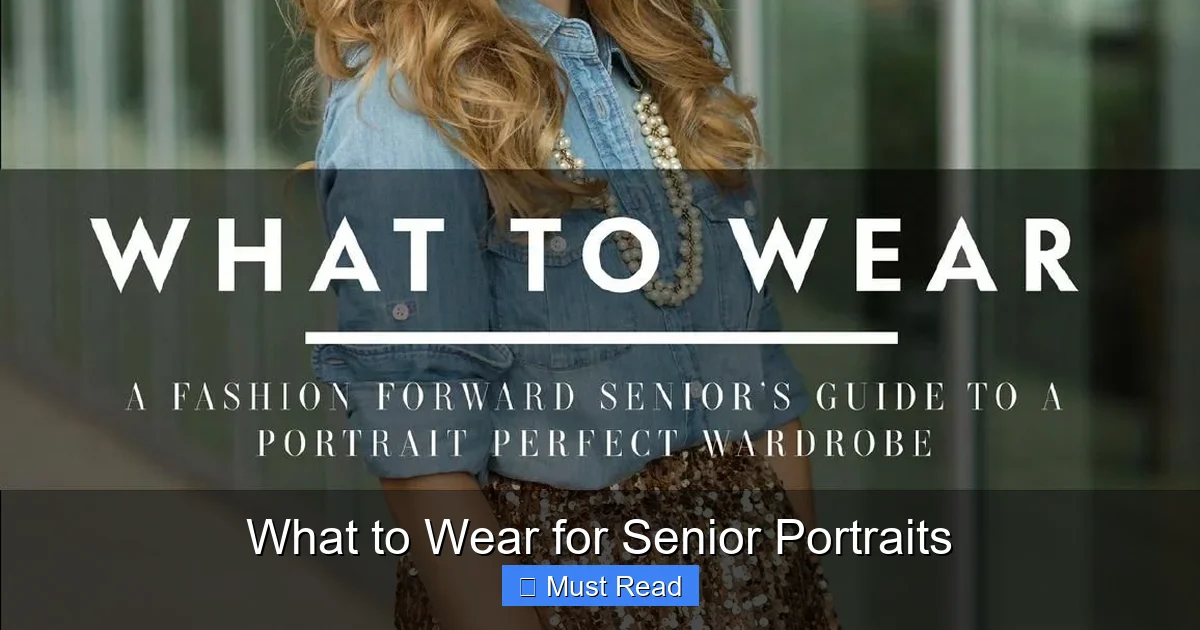
Visual guide about What to Wear for Senior Portraits
Image source: i.pinimg.com
Best Colors for Senior Portraits
Some colors simply photograph better than others. Here are a few go-to options that work well in most settings:
- Navy blue: A classic, versatile color that looks great on everyone. It’s rich and sophisticated without being too dark.
- Emerald green: Adds a pop of color while still feeling elegant. It’s especially flattering in outdoor settings.
- Burgundy or wine red: Warm and bold, these shades add depth and contrast, especially against natural backdrops.
- Soft pastels: Think blush pink, lavender, or light blue. These colors are gentle and feminine, perfect for a soft, romantic look.
- White or cream: Clean and timeless, these neutrals reflect light beautifully and work in almost any environment.
Avoid overly bright or neon colors like electric yellow or hot pink. They can reflect light in harsh ways and may not complement your skin tone. Also, steer clear of pure black unless you’re going for a dramatic, high-contrast look—it can sometimes make skin appear dull in photos.
Patterns: Keep It Simple
Patterns can add personality to your outfit, but they need to be used wisely. Busy patterns like large florals, bold stripes, or geometric prints can be distracting in photos. They might create visual noise or even cause moiré patterns (wavy lines) when captured by the camera.
Instead, opt for subtle patterns like small polka dots, delicate florals, or fine pinstripes. These add texture without overwhelming the image. If you love patterns, consider wearing them on a scarf, skirt, or accessory rather than a top—this keeps the focus on your face.
Solid colors are always a safe bet. They’re clean, classic, and allow your personality to shine through. If you’re unsure, start with solids and add pattern through layering or accessories.
Outfit Ideas Based on Location and Style
One of the most important factors in choosing what to wear for senior portraits is the location. Your outfit should complement the setting, not clash with it. Here are some tailored suggestions based on popular photo shoot locations.

Visual guide about What to Wear for Senior Portraits
Image source: i.pinimg.com
Outdoor Nature Shoots
Whether you’re in a park, forest, or field, outdoor settings call for natural, earthy tones. Think greens, browns, creams, and soft blues. These colors blend beautifully with the environment and create a harmonious look.
For girls, a flowy sundress in a floral print or solid pastel works wonders. Pair it with flat sandals or boots for a casual, effortless vibe. For guys, try a chambray shirt with dark jeans or khakis. Roll up the sleeves for a relaxed feel.
Avoid wearing all white in bright sunlight—it can wash you out. Instead, go for off-white or cream. Also, consider the season. In fall, rich jewel tones like burnt orange or deep red look stunning against autumn leaves. In spring, soft pinks and greens complement blooming flowers.
Urban and City Settings
Cityscapes offer a modern, edgy backdrop. Here, you can play with bolder styles and urban fashion. Dark denim, leather jackets, and structured blazers work well against brick buildings, graffiti walls, or city streets.
For a chic look, try a black turtleneck with tailored trousers or a sleek midi skirt. Add a statement coat or a bold scarf for extra flair. For guys, a fitted blazer with a simple tee and dark jeans creates a sharp, contemporary look.
Just be mindful of busy backgrounds. If the setting has lots of signs, lights, or movement, keep your outfit simple to avoid visual clutter.
Studio and Indoor Shoots
Studio portraits offer more control over lighting and background, so you have more flexibility with your outfit. Classic, timeless pieces work best here—think a white button-down, a little black dress, or a tailored suit.
Solid colors are ideal for studio shots because they reflect light evenly. Avoid shiny fabrics like satin or silk, which can create glare under studio lights. Instead, choose matte materials like cotton, wool, or knit.
This is also a great opportunity to showcase your personality. If you’re into music, wear a band tee under a blazer. If you’re artistic, try a creative print or unique accessory. The studio setting lets you focus on you—so let your style shine.
Layering and Accessorizing Like a Pro
Layering is one of the best ways to add depth and versatility to your senior portrait outfit. It gives you more posing options and helps you adapt to changing weather or lighting during the shoot.
Why Layering Works
Layers create visual interest without being overwhelming. A simple tee under a cardigan, a vest over a blouse, or a jacket over a dress can transform your look in seconds. Plus, if you get too warm or the lighting changes, you can easily remove a layer and keep shooting.
For example, start with a basic long-sleeve shirt, add a denim jacket, and finish with a scarf. If the sun comes out, you can take off the jacket and still look put together. Layers also help define your silhouette, making your outfit more flattering in photos.
Accessories: Less Is More
Accessories can elevate your look, but it’s easy to go overboard. The rule of thumb? Keep it simple. A delicate necklace, small earrings, or a classic watch can add polish without distracting from your face.
Avoid large, shiny jewelry that might reflect light or draw attention away from your expression. If you love bold accessories, choose one statement piece—like a chunky bracelet or a colorful scarf—and keep the rest minimal.
Hats can be fun, but make sure they don’t cast shadows on your face. A wide-brimmed hat might look great in person, but in photos, it could hide your eyes. Opt for a beanie, fedora, or baseball cap instead, depending on your style.
Shoes matter too—even if they’re not always visible. Wear something comfortable that matches your outfit. For outdoor shoots, boots or flats are practical. For studio shots, dress shoes or heels can add a touch of elegance.
What to Avoid When Choosing Your Outfit
Even with the best intentions, it’s easy to make outfit mistakes that can ruin your photos. Here are some common pitfalls to avoid when deciding what to wear for senior portraits.
Logos and Brand Names
Wearing clothes with large logos or brand names can date your photos and distract from your face. It’s best to choose items that are logo-free or have subtle branding. If you love a particular brand, that’s great—just make sure it doesn’t dominate the photo.
Overly Revealing or Casual Clothing
Senior portraits are a celebration of your achievements, so aim for a look that’s respectful and timeless. Avoid crop tops, low-cut shirts, or overly short skirts unless they fit your personal style and the shoot’s tone. Similarly, sweatpants, tank tops, or gym clothes might look too casual unless you’re going for a specific athletic theme.
Clothes That Don’t Fit
An ill-fitting outfit can ruin even the most beautiful photo. Clothes that are too tight can create unflattering bulges, while loose clothing can make you look shapeless. Make sure your outfit fits well and allows you to move comfortably.
If you’re unsure about fit, try on your outfit a few days before the shoot and take a few test photos. This will help you spot any issues and make adjustments.
Ignoring the Weather
Weather can make or break your shoot. If it’s cold, bring a stylish coat or jacket—you can take it off for some shots. If it’s sunny, wear sunscreen and consider a hat or sunglasses (but be ready to remove them for close-ups). Rain? Have a backup plan and maybe a cute umbrella for a fun, moody shot.
Final Tips for a Successful Senior Portrait Session
Now that you know what to wear for senior portraits, here are a few final tips to ensure everything goes smoothly.
Plan Ahead
Don’t wait until the day of the shoot to pick your outfit. Start planning at least a week in advance. Try on different combinations, take photos, and get feedback from friends or family. This gives you time to shop, alter, or swap out pieces if needed.
Bring Backup Options
Always bring 3–5 outfit options to the shoot. This gives you flexibility and ensures you have something that works no matter what happens. Pack them in a garment bag to avoid wrinkles.
Communicate with Your Photographer
Your photographer is your partner in creating great photos. Share your outfit ideas with them ahead of time. They can offer advice on what will look best with the lighting and location. They might even suggest specific colors or styles based on their experience.
Stay True to Yourself
Above all, wear something that makes you feel like you. Your senior portraits are about celebrating your journey, your personality, and your future. If you love vintage style, rock a retro dress. If you’re into sports, wear your team jersey. The best photos come from people who feel confident and authentic.
Remember, there’s no one-size-fits-all answer to what to wear for senior portraits. The perfect outfit is the one that makes you smile, feel proud, and look like the best version of yourself.
Frequently Asked Questions
Can I wear glasses in my senior portraits?
Yes, absolutely! If you wear glasses every day, they’re part of your look and should be included. Just make sure they’re clean and free of smudges. If glare is a concern, your photographer can adjust the lighting or angle to minimize reflections.
Should I match my outfit to my best friend’s if we’re doing a joint shoot?
You don’t need to match exactly, but coordinating colors or styles can create a cohesive look. Choose complementary colors or similar tones instead of identical outfits. This keeps the focus on both of you while maintaining individuality.
Is it okay to wear makeup in senior portraits?
Yes, but keep it natural. Heavy makeup can look harsh in photos, especially under bright lights. Go for a fresh, polished look with light foundation, neutral eyeshadow, and a touch of lip color. Avoid glitter or shimmer that might reflect light.
Can I wear my school colors or mascot gear?
Absolutely! Wearing your school colors, letterman jacket, or team jersey is a great way to show school spirit. Just make sure the outfit still fits well and complements the background. It’s a meaningful way to honor your high school journey.
What if I don’t have nice clothes?
You don’t need expensive outfits to look great. Focus on fit, color, and simplicity. Borrow from friends or family, shop at thrift stores, or mix and match pieces you already own. The most important thing is that you feel confident and comfortable.
How far in advance should I plan my senior portrait outfit?
Start planning at least one to two weeks before your shoot. This gives you time to try on outfits, make adjustments, and order anything you need. Last-minute decisions can lead to stress and less-than-ideal choices.