
Infrared vs Digital Thermometer for Senior Care


Book Holder Stand

Folding Walking Stick with Seat

Easy Grip Knife Set
Choosing an infrared vs digital thermometer is a common health choice. Caregivers and older adults need a trusted tool. A good device tracks body heat safely at home. Fevers can show early signs of illness. You must know the true facts quickly.
Both tools check for fevers very well. Yet, they work in very different ways. Your choice depends on your daily needs. Budget and hand strength also play a huge role. Finding the right fit brings peace of mind to your home.
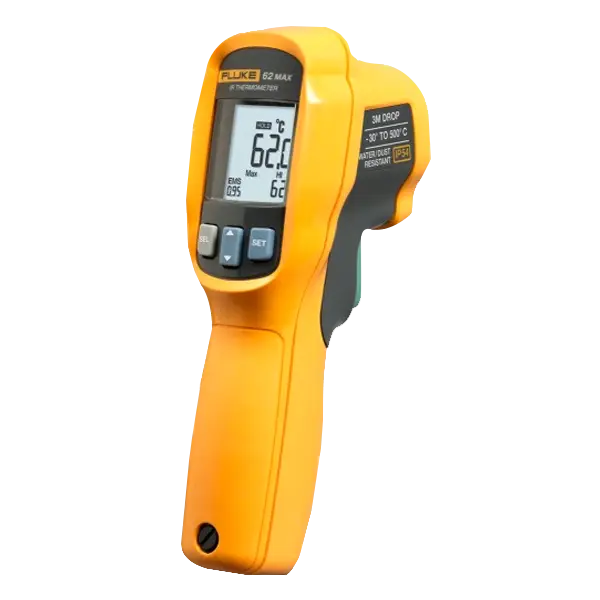
An infrared tool is best for fast, touch-free scans. It is perfect for caregivers watching over a resting adult. You get results in just one single second. This makes daily care much less stressful.
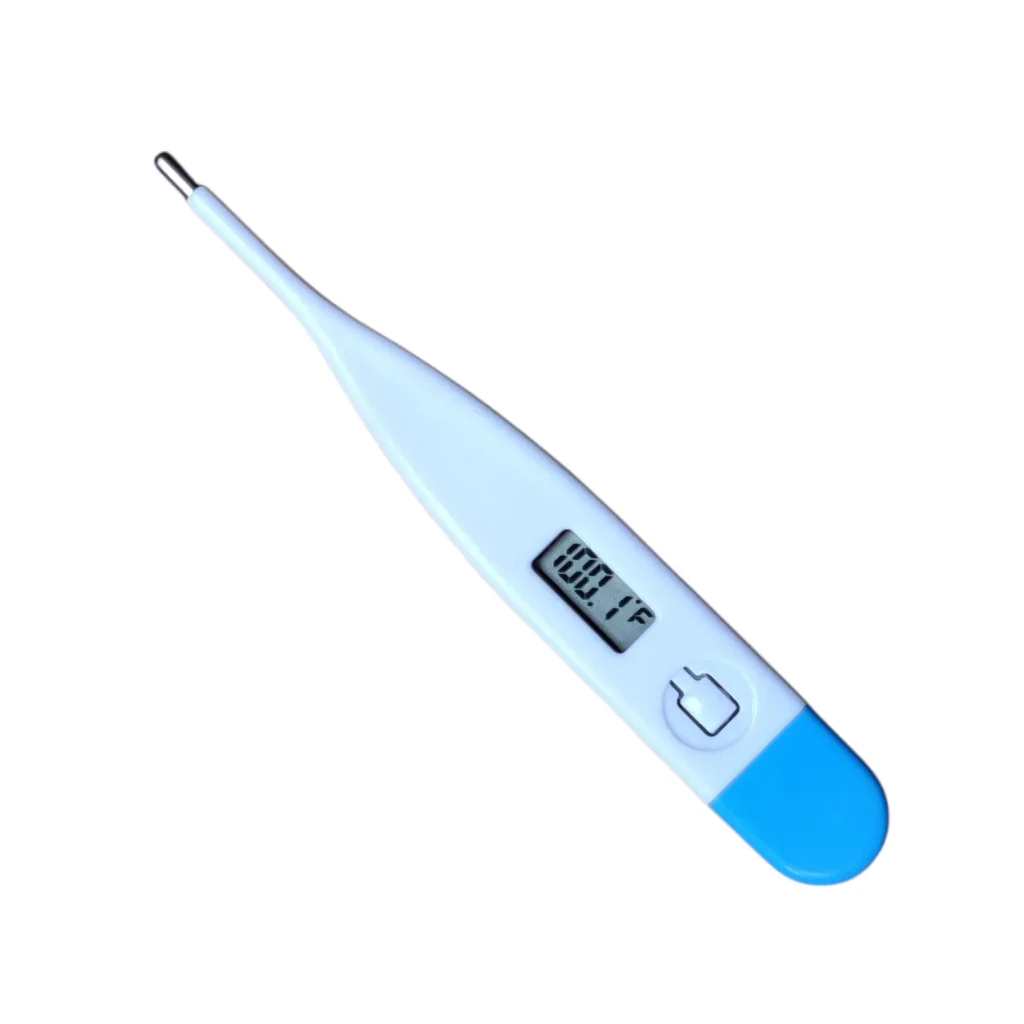
A standard digital model is great for high accuracy. It is very cheap and easy to use. It just takes a little more time to get a clear reading. This classic tool fits well in any basic first aid kit.
At A Glance Product Comparison
Here is a quick look at how these two tools compare. Each style has unique traits that help older adults stay safe.
| Feature | Infrared Model | Digital Model |
| Speed | One second | Sixty seconds |
| Screen Size | Very large | Very small |
| Physical Effort | Very low | Low |
An Infrared Thermometer Full Review
These modern devices read heat from the head or ear. They are very fast and need almost zero user effort.
Ease of Use
You just point the tool and press a single button. The large screen lights up right away. This makes it very easy to read in a dark room. You do not have to wake a sleeping person.
Key Strengths
- Gives very fast results in just one second.
- Needs zero skin contact for forehead scans.
- Large screens are very easy to see.
- Saves past scans to show your doctor.
Potential Drawbacks
- Costs a lot more money up front.
- Needs exact aim to work the right way.
- Uses up battery power much faster.
A Standard Digital Thermometer Review
These classic tools use a small metal tip to read heat. They are simple, trusted, and found in most homes today.
Ease of Use
You put the tip under the tongue or an arm. Then, you wait for a soft beep. The screen is small, but the steps are very easy to learn. Most seniors have used this style for many years.
Key Strengths
- Very cheap to buy at any local store.
- Highly exact and trusted by medical staff.
- Small shape is easy to pack and store.
- The tiny battery lasts a very long time.
Potential Drawbacks
- Takes up to a full minute to work well.
- Must be washed with care after each use.
- Small numbers can be hard to read clearly.
Which Is Easier for Seniors to Use?
Daily use is a huge deal for older adults. Caregivers and active seniors have very different health routines.
An infrared tool is easier if a senior has weak hands. The user does not have to hold it in their mouth. A caregiver can simply scan the forehead with ease. This saves time and cuts down on daily stress. You simply aim, click, and read the bright numbers.
A digital tool is good for active, strong seniors. It is small and very simple to hold. However, keeping it steady in the mouth can be hard for some. If a person shakes, a fast infrared scan is a much better choice.
“Ease of use means finding a basic tool that fits your daily life without adding new stress.”
Comparing Speed and Accuracy Levels
Both items give safe and true health facts. Yet, their speed and touch rules differ a great deal.
An infrared device gives a number in one single second. This fast speed is truly amazing. But you must hold it at the exact right spot. If you hold it too far away, the number will be wrong. Room heat can also change the final scan.
A digital device takes much more time. It might take thirty to sixty seconds to beep. Because it touches the body, it is very exact. It leaves very little room for simple user errors. You get a true fact every single time.
Comfort and Senior-Friendly Design
A health tool should never cause any pain or stress. The physical shape matters just as much as the internal parts.
Infrared tools have thick, smooth handles. They are very easy to grip with stiff hands. Many older adults find them simple to hold tight. They also beep loudly when the scan is done. Some even flash red if a fever is high. This helps seniors who have poor eyesight.
Digital tools are thin like a standard pen. They can be hard to grab with stiff fingers. Pushing the tiny power button can be tough for some. The beep is often very quiet and brief. This can be hard for seniors with hearing loss to notice.
Comparing the Core Health Features
New health tools come with fun and smart settings. This simple table shows what you get from each distinct style.
| Feature | Infrared Tool | Digital Tool |
| Backlight | Always included | Rarely included |
| Memory | Holds many past scans | Holds one past scan |
| Fever Alarm | Beeps and turns red | Simple soft beep |
Price, Maintenance, and Total Value
Budget plans are a big deal for fixed incomes. Both tools offer good value, but upkeep costs change over time.
| Cost Factor | Infrared Tool | Digital Tool |
| Base Price | Much higher | Very cheap |
| Batteries | Cost more to replace | Last for years |
| Cleaning | None needed | Needs alcohol pads |
Infrared models cost more at first. You might pay thirty to fifty dollars for a good one. You also need to buy new batteries more often. However, there are no tips to wash. This saves time and keeps germs away.
Digital models cost very little money. You can find them for under ten dollars at most shops. You must wipe them clean with alcohol after each use. They offer great overall value if you do not mind washing them.
Who Should Choose an Infrared Model?
This fast tool fits many home care plans perfectly.
- Choose this if you care for a bed bound senior.
- Choose this if the user has a hard time sitting still.
- Choose this if you want a large, bright screen.
- Choose this if you want to avoid spreading germs.
Who Should Choose a Digital Model?
The classic choice is still great for many simple homes.
- Choose this if you want the most exact reading.
- Choose this if you want to spend very little money.
- Choose this if the senior can hold a small item easily.
- Choose this if you need a tiny tool for travel bags.
Infrared vs Digital Thermometer Final Verdict
Making a choice comes down to your need for quick speed. Both items will keep you informed about your true health.
The infrared model is best for most caregivers. It is fast, bright, and needs no physical touch. The digital model is the best value for a tight budget. It is very exact and trusted by many. If the senior can sit still, the digital model works great. If they need fast comfort, go with the infrared tool.
Comparison Scoring Summary Table
We break down the facts into simple scoring groups. This helps you see the true winner for your exact needs.
| Category | Infrared Tool | Digital Tool |
| Ease of Use | 9/10 | 7/10 |
| Senior Design | 9/10 | 6/10 |
| Exact Numbers | 8/10 | 9/10 |
| Total Value | 7/10 | 9/10 |
How We Grade These Health Tools
We look closely at things that matter most to older adults. Safety, grip size, and clear screens guide our real reviews.
We check how easy it is to press the buttons. We look at the size of the screen text in the dark. We also think about the true cost over a long time. Our basic goal is to help you find a safe and simple tool.
Senior-Specific Buying Factors
Keep these exact points in mind before you buy a new device. They will save you lots of time and money later.
- Screen Size: Can you read the numbers in low light?
- Button Size: Are the keys too small for stiff fingers?
- Memory Banks: Does the tool save past scans for your doctor?
- Sound Alerts: Is the soft beep loud enough to hear easily?
- Device Weight: Is the thick handle too heavy to hold up?
Common Thermometer Buying Mistakes
Avoid these basic errors when you shop for medical items.
- Buying a cheap tool with a tiny, dark screen.
- Forgetting to check what type of battery it needs first.
- Buying a complex smart tool when you just want simple facts.
- Not checking if the tiny tool needs plastic probe covers.
- Throwing away the guide book before learning the error codes.
Health and Daily Safety Guidelines
Using a tool the right way gives a true health fact. Always read the small guide that comes in the local box.
Never use a broken or cracked tool on a senior. Keep all loose batteries far away from pets and small kids. If you get a high fever reading, check it one more time. If the fever stays high, call a doctor for real medical advice. Do not use an ear tool if the ear has wax build up or pain.
Final Thoughts on Your Choice
Picking a safe health tool is all about your daily life. An infrared tool gives fast facts and needs zero touching. It is a true dream for caregivers and seniors with bad eyesight. It costs a bit more but saves so much time.
A digital tool is cheap, exact, and very easy to pack away. Take a close look at your budget and your hand strength. The right choice will bring daily peace of mind to your home.
