
Independent Senior Living with Gardening


Button Hook Dressing Aid

Adjustable Walker with Wheels

Sock Aid for Seniors
Independent senior living with gardening combines the freedom of private apartments with access to beautiful gardens and nature. This lifestyle supports physical health, mental well-being, and meaningful social connections. Communities like Brier Creek Independent Senior Living Community show how thoughtful design can turn gardening into a daily joy for older adults.
Key Takeaways
- Gardening boosts physical activity: Light gardening tasks like planting, weeding, and harvesting help maintain strength, balance, and flexibility—key components of healthy aging.
- Mental health improves significantly: Studies show that spending time in green spaces reduces stress, anxiety, and symptoms of depression among seniors.
- Social engagement increases naturally: Garden clubs, shared plots, and outdoor events create opportunities for conversation and friendship without pressure.
- Cognitive function benefits: Planning plant growth, remembering watering schedules, and identifying species keep the mind sharp and engaged.
- Independence is preserved: Unlike traditional assisted living, independent living allows seniors to garden at their own pace while still having support nearby if needed.
- Communities integrate gardens thoughtfully: Top facilities design accessible paths, raised beds, and shaded rest areas so everyone can enjoy the outdoors safely.
- Customization enhances satisfaction: Whether it’s growing herbs, flowers, or vegetables, residents choose what they love—making gardening personal and rewarding.
Key Takeaways
- Understanding independent senior living with gardening: Provides essential knowledge
📑 Table of Contents
What Is Independent Senior Living With Garding?
Imagine waking up to the sound of birds chirping, stepping outside your front door into a sun-dappled garden path, and choosing whether to tend to your rose bushes or sit quietly on a bench with a cup of tea. That’s the essence of independent senior living with gardening—a lifestyle that blends the comfort and privacy of private apartment living with the therapeutic and social benefits of being surrounded by nature.
These communities are designed specifically for adults aged 55+ who want to maintain their independence but still benefit from amenities, activities, and sometimes even light support services. What sets them apart? Access to beautifully maintained outdoor spaces where gardening isn’t just allowed—it’s encouraged. From community plots to individual balcony planters, these environments turn everyday moments into opportunities for growth—both in plants and in spirit.
Unlike full-service assisted living or memory care facilities, independent senior living communities don’t provide medical support or help with daily tasks. Instead, they offer maintenance-free living so you can focus on hobbies like gardening, reading, or visiting friends. And when you add gardening into the mix, you get something truly special: a way to stay active, connected, and grounded right in your own backyard.
Why Gardening Matters For Seniors
Visual guide about Independent Senior Living with Gardening
Image source: humangood.org
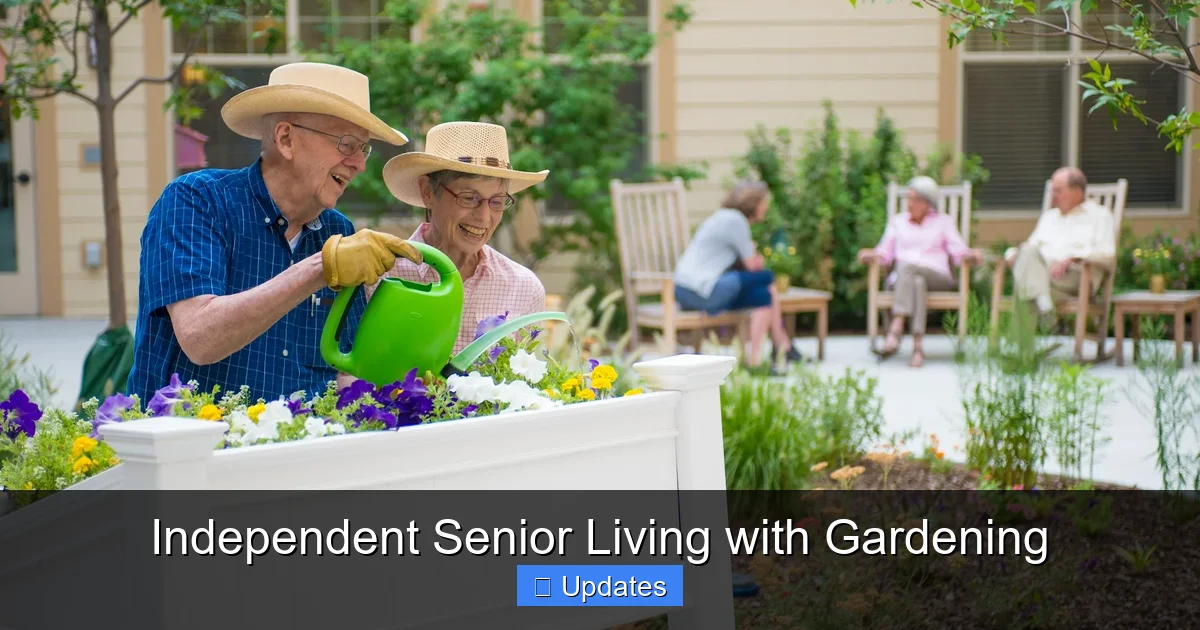
Gardening isn’t just about growing tomatoes or roses—it’s a holistic practice that touches nearly every aspect of well-being. For seniors, especially those living independently, gardening offers tangible health benefits that go far beyond fresh produce or pretty flowers.
First, consider the physical advantages. Even moderate gardening tasks—digging, planting, weeding—count as low-impact exercise. They strengthen core muscles, improve coordination, and increase range of motion. Raised garden beds eliminate the need to bend over, making it safer for those with back issues or arthritis. And because gardening often involves walking between plots or along garden paths, it gently encourages cardiovascular activity without feeling like a workout.
Mentally, gardening works wonders. It provides structure and purpose—something many retirees crave after decades of work-related routines. Tending to plants gives you something to look forward to each day: checking soil moisture, pruning leaves, watching buds open into blossoms. This routine fosters mindfulness, helping quiet anxious thoughts and anchor your attention in the present moment.
Socially, gardens become natural gathering spots. Neighbors might stop by to admire your marigolds or trade cuttings from their basil plants. Seasonal harvests invite potlucks; butterfly sightings spark conversations. In fact, many independent senior communities organize garden club meetings where residents share tips, swap seeds, or simply enjoy coffee together under shade trees.
Perhaps most importantly, gardening supports cognitive health. Remembering when to water specific plants, planning crop rotations, or learning botanical names all challenge the brain in enjoyable ways. Research shows that people who engage in hands-on horticulture have lower rates of dementia and slower cognitive decline compared to those who don’t.
How Gardens Are Designed For Seniors
Visual guide about Independent Senior Living with Gardening
Image source: images.squarespace-cdn.com
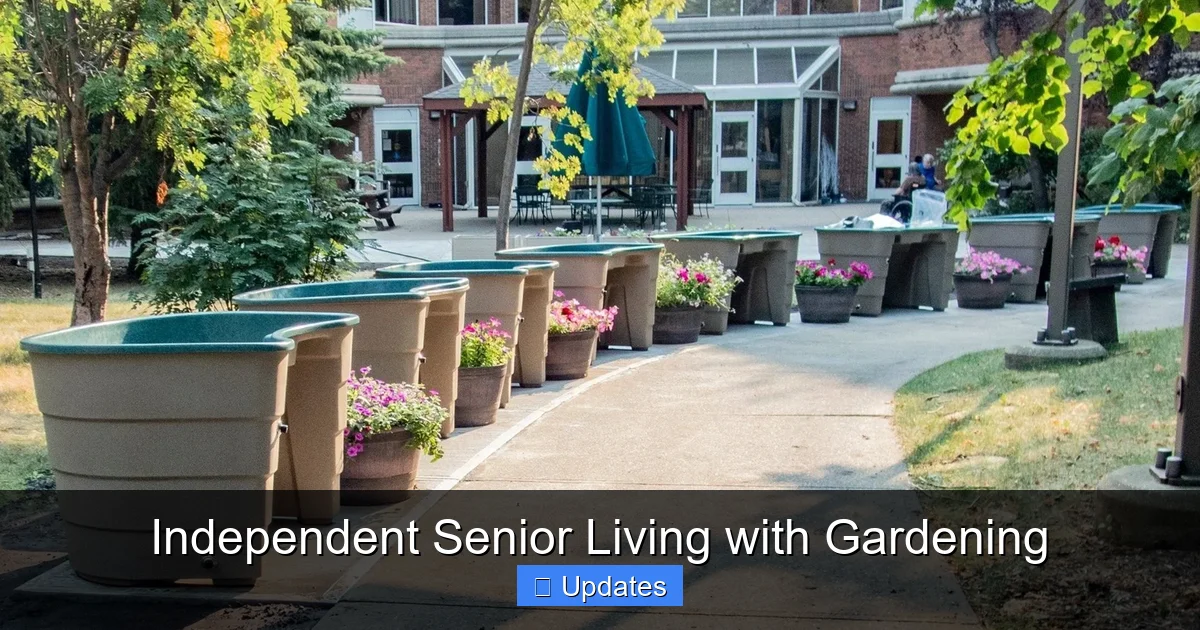
Not all gardens are created equal—especially not when it comes to supporting older adults. Thoughtful design makes the difference between a peaceful retreat and a frustrating obstacle course. Leading independent senior living communities invest heavily in creating accessible, safe, and inviting green spaces tailored to common age-related needs.
Accessibility starts at ground level. Wide, smooth pathways made of non-slip materials allow easy navigation for walkers, rollators, or wheelchairs. These paths wind through gardens instead of cutting straight lines across lawns, giving residents scenic routes rather than shortcuts. Benches are placed every 50–75 feet so tired gardeners can rest comfortably without feeling isolated.
Raised garden beds are another hallmark feature. Built 30–42 inches off the ground, they eliminate the need to kneel or stoop—a major relief for anyone dealing with joint pain or mobility limitations. Most communities use lightweight composite wood or recycled plastic materials that won’t splinter, crack, or require staining over time.
Shade structures are equally important. Canopies over seating areas or communal plots protect from intense sun exposure, which becomes more dangerous with age. UVA rays can damage eyes and raise skin cancer risk, so umbrellas, pergolas, or mature tree coverage play a crucial role in safety planning.
Water features add ambiance without complexity. Small fountains or birdbaths attract wildlife and create soothing sounds, but they’re designed to minimize tripping hazards. Automated drip irrigation systems also help reduce manual labor—perfect for seniors who want to garden but don’t want to haul heavy watering cans.
Finally, sensory elements make gardens more engaging. Lavender, rosemary, and mint release fragrant oils when brushed against or stepped on. Textured mulch, smooth river rocks, and woven willow baskets provide tactile variety. Colorful blooms like zinnias, petunias, and daylilies offer visual stimulation year-round, even in colder months when bulbs bloom indoors.
Practical Tips For Starting Your Own Senior Garden
Visual guide about Independent Senior Living with Gardening
Image source: i.pinimg.com
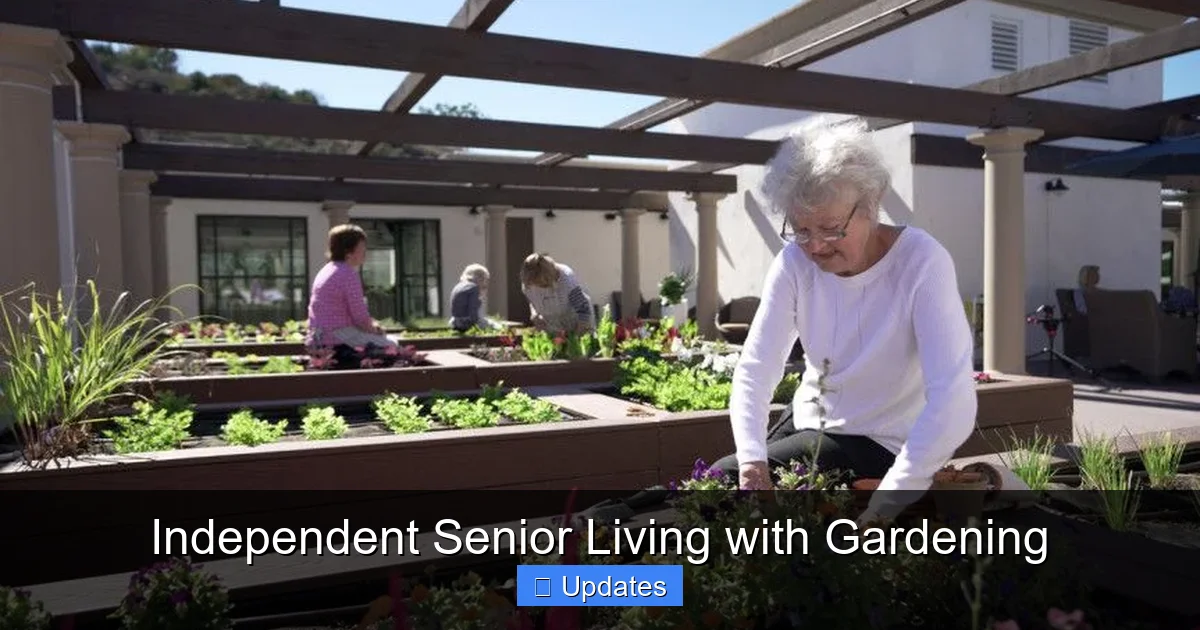
Even if you’re not moving into a community yet, you can start reaping the benefits of gardening today—right in your current home or yard. The key is starting small and building confidence gradually.
Begin with container gardening if space is limited. Pots on patios, balconies, or window ledges grow herbs, strawberries, lettuce, and dwarf fruit trees. Choose self-watering containers with built-in reservoirs so you don’t have to check soil moisture constantly. Brands like Smart Pots or Miracle-Gro’s line include drainage holes and handles for easy transport.
If you have a yard, consider installing one or two raised beds. Cedar, redwood, or composite lumber lasts longer than untreated pine. Fill them with a mix of topsoil, compost, and perlite for optimal drainage. Start with easy-to-grow crops like radishes, spinach, or cherry tomatoes—they yield quickly and require minimal maintenance.
Timing matters. Plant cool-season vegetables (lettuce, kale) in early spring and fall, then switch to heat-lovers (tomatoes, peppers) in summer. Use seed-starting kits or buy starter plants from local nurseries to avoid overwhelming yourself. Many senior centers host beginner workshops teaching transplanting techniques or companion planting basics.
Don’t forget vertical gardening. Trellises for peas or climbing beans save space and keep fruits off the ground. Hanging baskets drape over fences or railings, adding height and color without requiring bending.
And remember—gardening doesn’t mean working hard. Sit down! Use knee pads sparingly, take frequent breaks, and listen to your body. If rainwater fills puddles too fast, skip the hose. If a storm threatens your seedlings, cover them with old sheets. Flexibility is part of the joy.
Top Independent Senior Communities With Exceptional Gardens
While no single source lists every community with great gardens, several stand out based on resident feedback, design awards, and accessibility features. These properties prove that combining independent living with lush green spaces is not only possible—it’s thriving.
One shining example is Brier Creek Independent Senior Living Community, located near Raleigh, North Carolina. Their “Garden Club” meets weekly, and every unit has a screened porch overlooking a butterfly meadow. Paths loop past koi ponds and shaded benches, and raised beds are reserved for residents upon request. Maintenance staff prune hedges and mow lawns, letting guests focus purely on enjoying nature.
Another gem is The Springs Of Scottsdale in Arizona. Nestled in desert terrain, they’ve transformed arid land into xeriscaped gardens featuring native succulents, drought-resistant shrubs, and fruit trees like pomegranate and fig. Walking trails wind past art installations and meditation nooks, and outdoor kitchens host seasonal cooking classes using homegrown ingredients.
In coastal settings, Brightview Lake Tappan in New Jersey offers waterfront views paired with herb gardens perfect for sipping morning tea. Residents grow thyme, oregano, and lemon balm directly outside their doors, and the community greenhouse supplies seedlings for spring planting parties.
For urban dwellers, Hefner Mansions Senior Independent Living in Oklahoma City packs greenery into tight spaces. Rooftop terraces grow salad greens and cherry tomatoes, while indoor hydroponic towers display kale and microgreens in hallways. Even stairwells feature vertical gardens to brighten transitions between floors.
Lastly, Olive Grove Terrace in California blends Mediterranean charm with edible landscapes. Olive groves frame courtyards, citrus trees dot shaded patios, and olive oil tasting events celebrate the harvest. Every resident gets a small plot to cultivate olives, lemons, or rosemary—connecting them deeply to the land’s rhythms.
These communities show that gardening in independent senior living isn’t a luxury—it’s a standard of quality care. When developers prioritize nature integration, everyone wins: residents gain purpose and pleasure, families feel reassured, and staff see higher satisfaction scores.
The Future Of Gardening In Senior Living
As baby boomers continue aging in place longer and demand more fulfilling lifestyles, the intersection of independent senior living and gardening will only grow stronger. Forward-thinking developers are already experimenting with innovative models that merge technology, sustainability, and wellness.
Smart gardens represent one exciting trend. Sensors monitor soil moisture, sunlight exposure, and pest activity, sending alerts to tablets or phones. Automated sprinklers adjust based on weather forecasts, reducing waste and effort. Apps like “Plantix” or “Gardenate” guide users through planting calendars and troubleshooting tips—ideal for tech-savvy seniors wanting precision without complexity.
Hydroponics and aquaponics systems bring food production indoors year-round. These soil-free methods use nutrient-rich water instead of dirt, ideal for apartments or shaded courtyards. Some communities install shared hydroponic towers where residents vote on what to grow each season—tomatoes one month, lettuce the next.
Therapeutic horticulture programs are expanding too. Trained horticulturists lead sessions focused on emotional regulation, sensory stimulation, or reminiscence therapy. Patients with mild cognitive impairment might identify herbs by smell alone; veterans could tend to symbolic flower arrangements representing their service years.
Sustainability initiatives tie everything together. Rain barrels collect runoff for irrigation; compost bins turn kitchen scraps into fertilizer; solar-powered lights illuminate evening strolls. Carbon-neutral certifications become selling points, appealing to environmentally conscious retirees.
Most importantly, policy changes may soon incentivize green space inclusion. Tax credits for developers who allocate 15% of property area to gardens, grants for adaptive tools, or insurance discounts for fall-prevention landscaping—these possibilities are already being discussed in urban planning circles.
One thing is certain: the future belongs to communities that treat gardens not as extras, but as essential infrastructure for healthy aging. As we learn more about nature’s healing power, expect to see gardens woven deeper into the fabric of independent senior living—proving once again that growing things together grows people closer.
Frequently Asked Questions
Is gardening safe for seniors with mobility issues?
Yes, especially with proper setup. Raised garden beds, ergonomic tools, and accessible paths make gardening safe for seniors with limited mobility. Many independent senior living communities offer adaptive equipment and staff assistance for tasks like digging or lifting.
Can I grow food if I live in an apartment?
Absolutely. Container gardening fits any space—balconies, patios, or windowsills. Herbs, leafy greens, strawberries, and dwarf fruit trees thrive in pots. Self-watering containers reduce maintenance, and vertical planters maximize limited room.
How does gardening help mental health?
Gardening reduces cortisol levels, lowers blood pressure, and increases serotonin production. The rhythmic motions, fresh air, and sense of accomplishment calm the nervous system. Plus, caring for living things fosters purpose and reduces loneliness.
Are there senior-specific gardening programs?
Many independent senior communities host garden clubs, seed exchanges, and seasonal planting days. Some partner with local universities for therapeutic horticulture courses. Check with your community’s activity coordinator to find offerings near you.
What if I’ve never gardened before?
Start simple! Beginners can begin with easy plants like marigolds, basil, or radishes. Join a beginner workshop at a local nursery or senior center. Most importantly, be patient—gardening is a skill learned over time, not overnight.
Do I need to pay extra for garden access?
In most independent senior living communities, garden access is included in your monthly fee—just like housekeeping or meals. Additional costs only arise if you request custom features (e.g., extra raised beds), but basic outdoor space is typically free.
