
How Much Food Should I Feed My Senior Dog


Bed Rails for Elderly Adults Safety, 380 LBS

OMRON Bronze Upper Arm Blood Pressure Monitor

AUVON Plug-in LED Night Light 4 Pack, Motion & Dusk to Dawn Sensor
Feeding your senior dog the right amount of food is key to keeping them healthy and comfortable in their golden years. As dogs age, their metabolism slows down and activity levels often decrease, which can lead to weight gain if not properly managed. This article will walk you through how much to feed your senior dog based on breed, size, weight, and health status. We’ll cover everything from reading pet food labels to recognizing signs that your dog may need more or less food.
Key Takeaways
- Portion size depends on weight and activity level: A 15-pound senior Chihuahua needs far less than a 100-pound senior Labrador, even if both are the same age.
- Adjust for health conditions: Dogs with arthritis, kidney disease, or diabetes may need fewer calories but higher-quality nutrients.
- Monitor body condition regularly: Use the “rib check” method weekly to ensure your dog isn’t losing or gaining too much weight.
- Switch to senior-specific formulas: These foods support joint health, digestion, and energy levels tailored for aging bodies.
- Divide meals into two smaller portions: Feeding twice daily helps maintain steady blood sugar and reduces digestive stress.
- Consult your vet before major changes: Especially if your dog has chronic illnesses like heart disease or obesity history.
📑 Table of Contents
- How Much Food Should I Feed My Senior Dog?
- Understanding Your Senior Dog’s Nutritional Needs
- How to Calculate the Right Portion Size
- Choosing the Right Senior Dog Food
- Feeding Frequency and Timing
- Signs Your Dog Is Overfed or Underfed
- Special Considerations for Health Conditions
- Monitoring and Adjusting Over Time
- Conclusion: Love Through Nutrition
How Much Food Should I Feed My Senior Dog?
You’ve probably noticed subtle changes in your furry friend lately—maybe they’re not jumping quite as high, or they seem slower getting up from their favorite spot on the couch. Your dog is likely entering their senior years, and along with these physical shifts comes a new set of care considerations. One of the most important decisions you’ll make during this time is figuring out how much food to feed your senior dog. It’s not just about quantity; it’s about providing balanced nutrition that supports their changing body without causing unnecessary strain.
As dogs age, their metabolism slows, and many become less active. This combination can easily lead to weight gain if their diet isn’t adjusted accordingly. On the flip side, some seniors lose muscle mass or struggle with appetite, requiring careful monitoring to avoid undernourishment. The goal isn’t one-size-fits-all—it’s about tailoring their diet to match their individual needs. In this comprehensive guide, we’ll break down everything you need to know about feeding your senior dog, including how much, when, and what kind of food works best.
Understanding Your Senior Dog’s Nutritional Needs
Before diving into specific amounts, it’s essential to understand why senior dogs have different nutritional requirements than younger ones. Think of it like comparing a sports car to a hybrid sedan—both get from point A to B, but they use fuel differently. Senior dogs often burn calories more slowly and may require fewer calories overall, but they still need high-quality protein, healthy fats, fiber, vitamins, and minerals to stay strong and vibrant.

Visual guide about How Much Food Should I Feed My Senior Dog
Image source: dogsfirst.ie
The Role of Age, Breed, and Size
Just as human seniors vary widely in health and lifestyle, so do senior dogs. Small breeds like Yorkies or Dachshunds typically reach “senior” status around 8–10 years old, while large breeds such as German Shepherds or Golden Retrievers are considered seniors by 7 or 8 years old. This distinction matters because larger dogs tend to age faster internally and often have shorter lifespans.
For example, a 9-year-old Beagle might be considered a young senior, whereas a 7-year-old Great Dane is definitely in senior territory. Because of differences in bone density, organ function, and metabolic rate, feeding guidelines must reflect these variations. A senior Maltese won’t eat the same amount as a senior Saint Bernard, even if they’re the same chronological age.
Metabolism Changes in Older Dogs
As dogs enter their later years, their resting energy requirement (RER) decreases. That means they don’t need as many calories simply to keep their basic bodily functions running. However, maintaining lean muscle mass becomes more challenging with age. Without enough high-quality protein, seniors can lose strength and mobility—especially if they’re also dealing with joint issues like arthritis.
Additionally, older dogs may experience reduced senses of smell and taste, which can lead to decreased appetite. This doesn’t mean they’re not hungry—it just means food may not seem as appealing. Adding warm water to dry kibble or switching to wet food can sometimes help stimulate their interest in eating.
How to Calculate the Right Portion Size
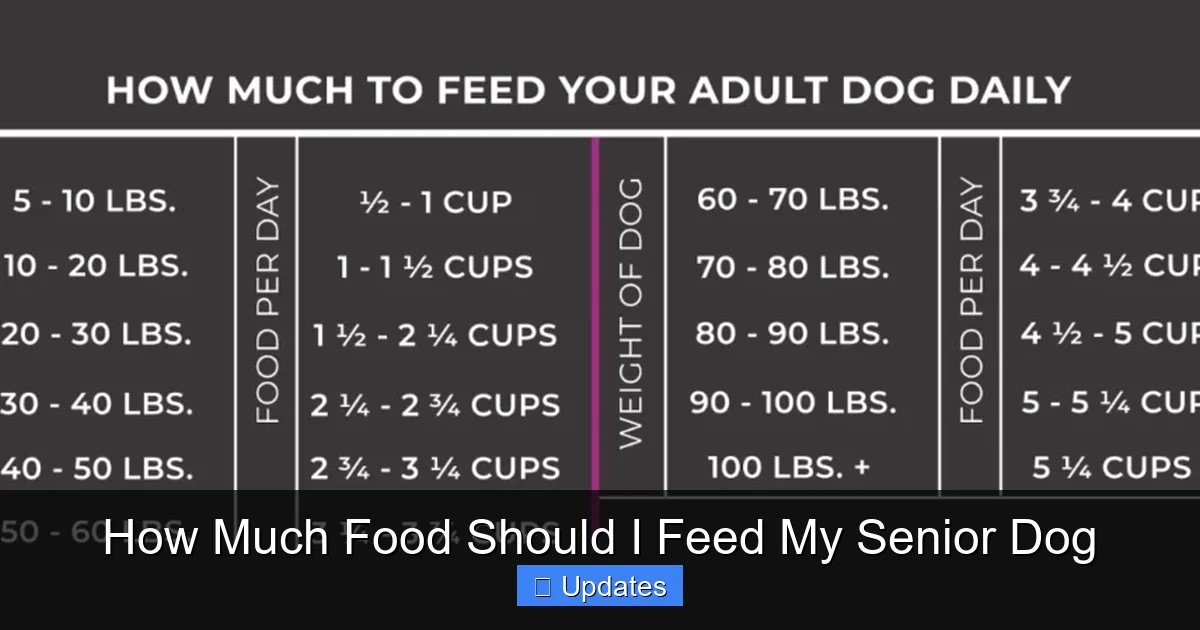
So how do you figure out exactly how much food to feed your senior dog? Start with the feeding recommendations on your current dog food bag. These are usually listed per pound of body weight or per day, depending on the brand. But remember—those numbers are estimates. You’ll need to adjust based on your dog’s actual weight, activity level, and body condition.
Visual guide about How Much Food Should I Feed My Senior Dog
Image source: ultimatespetfood.com
Step-by-Step: Determining Daily Calorie Needs
To calculate your dog’s ideal calorie intake, follow this simple process:
- Weigh your dog: Use a pet scale or weigh yourself holding your dog, then subtract your own weight.
- Check the dog food label: Most bags list kcal per cup or per 100 grams.
- Use an online calculator: Websites like PetMD or Hill’s Science Diet offer tools to estimate daily caloric needs based on weight, age, and activity level.
- Start conservatively: If your dog is overweight, reduce portions slightly and monitor weekly.
For instance, let’s say your 10-year-old Labrador weighs 60 pounds and is moderately active. According to general guidelines, he might need around 1,000–1,200 calories per day. If his food provides 400 kcal per cup, you’d start with 2.5–3 cups daily. But if he’s carrying extra padding around his middle, cut back to 2 cups and add light walks or playtime to burn off the difference.
Example: Feeding Amounts by Weight
Here’s a rough guide for common senior dog weights (adjust based on your vet’s advice):
- Small dogs (under 20 lbs): ¾ to 1½ cups per day
- Medium dogs (20–50 lbs): 1½ to 3 cups per day
- Large dogs (50–90 lbs): 3 to 5 cups per day
- Giant breeds (over 90 lbs): 5+ cups per day, but split into two meals
Again, these are starting points. Always observe your dog’s response—are they energetic? Sluggish? Gaining or losing weight?
Choosing the Right Senior Dog Food
Not all dog foods are created equal—especially when it comes to senior formulas. Look for brands specifically designed for older dogs. These typically contain:

Visual guide about How Much Food Should I Feed My Senior Dog
Image source: thepetsmagazine.com
- Higher digestible protein sources (like chicken meal or salmon)
- Omega-3 fatty acids for skin and coat health
- Glucosamine and chondroitin for joint support
- Fiber to aid digestion
- Limited fillers like corn, wheat, or soy (unless your dog tolerates them well)
Some popular options include Blue Buffalo Senior Dog Food, Wellness Senior Canned Dog Food, and Hill’s Science Diet Adult 7+. Wet food can also be great for seniors who have dental issues or low appetite, since it’s easier to chew and more palatable.
When to Switch Foods
If your dog is suddenly refusing dry kibble or seems uncomfortable after meals, consider switching to a softer texture. There are plenty of canned senior dog foods available online that offer both moisture and flavor. Just be sure to check the ingredient list—some canned foods are high in sodium or artificial additives.
Feeding Frequency and Timing
Most vets recommend feeding senior dogs twice a day rather than one large meal. This helps prevent spikes in blood sugar and supports better digestion. Plus, splitting meals can reduce the risk of bloat in large breeds.
Morning vs. Evening Meals
A typical schedule might look like:
- 7:00 AM: Small portion of senior formula + any supplements
- 6:00 PM: Second meal, possibly mixed with cooked vegetables or probiotics
Make sure bowls are clean and placed in a quiet, accessible location. Avoid feeding right before or after vigorous exercise, especially in hot weather.
Signs Your Dog Is Overfed or Underfed
Your dog’s body language tells a story. Here’s how to tell if they’re getting too much or too little food:
Overfed Indicators
- Ribs hard to feel when lightly pressing
- Abdomen sagging or ballooning
- Reluctance to move or play
- Frequent panting or snoring
Underfed Signs
- Ribs easily visible without touching
- Loose or dry skin
- Loss of muscle tone, especially in the hindquarters
- Low energy or lethargy
If you notice either extreme, consult your vet before making drastic changes. Sudden shifts in diet can upset their system.
Special Considerations for Health Conditions
Many senior dogs develop chronic conditions that affect how much they should eat. For example:
- Diabetes: May require consistent, measured meals to regulate insulin
- Kidney disease: Often benefits from lower phosphorus and protein diets
- Arthritis: Can be managed with anti-inflammatory ingredients like turmeric or omega-3s
In cases like these, your veterinarian may prescribe therapeutic diets. Don’t switch foods without approval—even small changes can impact medication effectiveness.
Monitoring and Adjusting Over Time
Senior dogs change month to month. What was perfect six months ago might not work today. Schedule regular weigh-ins every 4–6 weeks and note any behavioral shifts. Keep a journal if needed—track food intake, stool quality, energy levels, and bathroom habits.
Also consider seasonal adjustments. In winter, dogs may burn slightly more calories due to cold exposure; in summer, heat can suppress appetite. Be flexible!
Conclusion: Love Through Nutrition
Feeding your senior dog isn’t rocket science—but it does require attention, observation, and a willingness to adapt. There’s no magic number that fits every dog, but by understanding their unique needs and responding with love and care, you’ll help them enjoy their golden years comfortably and happily. Whether you’re adjusting portions, trying new foods, or simply spending extra time at mealtime, remember: every bite is an act of devotion.
Frequently Asked Questions
How much food should I feed my senior dog per day?
Daily amounts depend on your dog’s weight, breed, and activity level. Generally, small seniors eat ¾–1½ cups, medium dogs 1½–3 cups, and large dogs 3–5 cups split into two meals. Always base this on your vet’s recommendations and adjust based on body condition.
Should I feed my senior dog once or twice a day?
Twice a day is ideal for most senior dogs. This helps stabilize blood sugar, supports digestion, and prevents overeating. Avoid free-feeding unless advised by your veterinarian, especially if your dog has obesity or diabetes.
Can I give treats to my senior dog?
Yes, but sparingly. Treats should make up no more than 10% of their daily calories. Choose low-calorie options like carrots, green beans, or vet-approved dental chews. Too many treats can contribute to weight gain and dental problems.
What if my senior dog isn’t eating much?
Try warming their food with broth (no onions or garlic), adding a sprinkle of grated cheese, or mixing in a bit of plain yogurt. Ensure their teeth and gums aren’t painful—sometimes dental issues cause loss of appetite. See your vet if they refuse food for more than 24 hours.
Is wet food better than dry food for seniors?
Wet food can be beneficial for seniors with dental problems, sensitive stomachs, or low thirst drive. It’s also more palatable and hydrating. However, some dogs prefer crunchy kibble for dental health. Mixing both types is also an option.
How often should I weigh my senior dog?
Weigh your dog every 4–6 weeks to monitor weight trends. Sudden gains or losses could signal illness or dietary imbalance. Regular check-ins help catch issues early and allow timely adjustments to their feeding plan.