
What Are Good Hobbies for Seniors Who Enjoy Animals?


Bedside Commode Chair

Sock Aid for Seniors

Adult Coloring Book
Quick Answer
Good hobbies for seniors who enjoy animals include birdwatching, wildlife photography, volunteering at an animal shelter, dog training, pet sitting, fostering, nature journaling, and visiting zoos or sanctuaries. The best option matches your mobility, energy, budget, and desired amount of animal contact; the ASPCA is also a useful starting point for learning about ways people can support animals.
Good places to start
- For nature lovers: Try birdwatching, wildlife photography, or keeping a nature journal.
- For dog lovers: Try trick training, scent games, obedience practice, or gentle dog walking.
- For social contact: Volunteer with a shelter, rescue organization, or wildlife group.
- For limited mobility: Watch birds from home, photograph backyard wildlife, or help an animal group remotely.
- For responsibility: Consider pet sitting or fostering only when the daily care demands suit your routine.
An easy first step
- Pick one activity and test it for two weeks before buying expensive equipment or making a long-term commitment.
Animals can turn an ordinary hobby into something you look forward to each week. Whether you love backyard birds, cats, horses, or an energetic Border Collie, there are options for almost every activity level.
I especially like animal-centered hobbies because you don’t always need to own an animal. A senior can enjoy dogs, wildlife, farm animals, or birds without taking on full-time pet care.
In This Guide
- What animal hobbies are good for seniors?
- How do you choose the right animal hobby?
- Is volunteering with animals a good hobby for seniors?
- What dog hobbies can seniors enjoy?
- What animal hobbies work with limited mobility?
- How do wildlife hobbies compare with pet ownership?
- What safety issues should seniors consider?
- How can you start an animal hobby?
- Frequently asked questions
What Animal Hobbies Are Good for Seniors?

The strongest choices combine genuine interest with manageable responsibility. You can choose anything from ten minutes of backyard birdwatching to several hours of shelter volunteering each week.
Definition: An animal-centered hobby is a leisure activity built around observing, caring for, learning about, photographing, training, or helping animals without necessarily requiring pet ownership.
Birdwatching
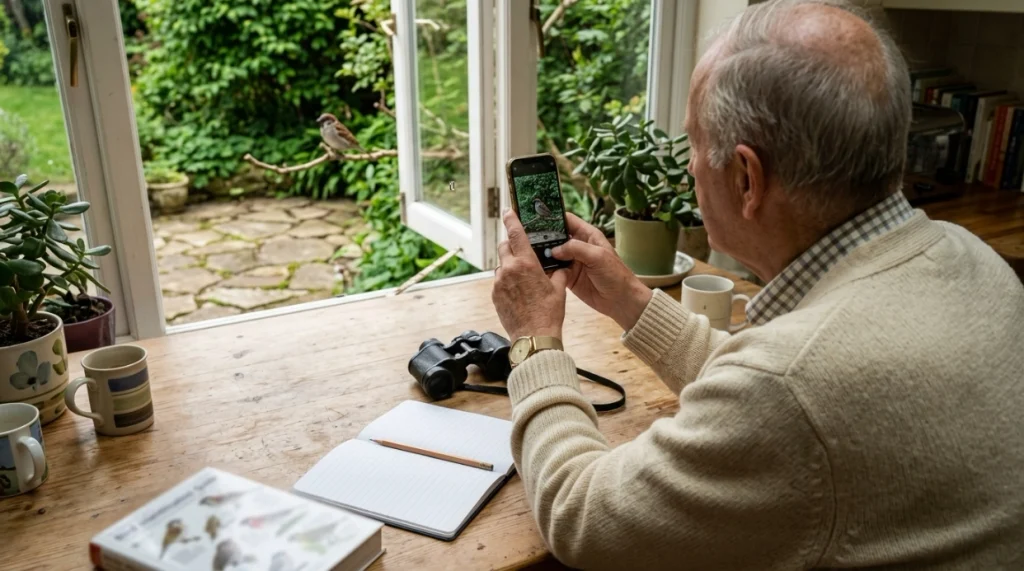
Birdwatching is one of the easiest animal hobbies to test. You can start from a window, balcony, backyard, park bench, or accessible walking path.
- Start simply: Watch for 10 to 15 minutes at the same time each morning.
- Learn slowly: Identify three common local birds before adding more.
- Keep notes: Record colors, calls, behavior, and seasonal changes.
Wildlife photography
A smartphone is enough for a beginner. Photograph birds, butterflies, squirrels, insects, neighborhood cats, or animals at a local park.
The hobby becomes more interesting when you create small projects. You might photograph one species, one local park, or wildlife through all four seasons.
Pet sitting
Pet sitting can suit someone who likes companion animals but doesn’t want full-time ownership. Starting with a relative’s familiar cat or calm dog usually keeps the learning curve manageable.
Be realistic about lifting, stairs, feeding schedules, medication, and dog walking. Not every pet is an easy guest.
Animal art and nature journaling
You can combine animals with drawing, watercolor, writing, scrapbooking, or photography. This works especially well if you enjoy animals but prefer a quiet hobby at home.
- Sketch birds visiting a feeder.
- Paint favorite dog or cat breeds.
- Write short observations from nature walks.
- Create a scrapbook of wildlife photographs.
- Research the history and characteristics of animal breeds.
Animal education
Learning can become the hobby itself. You might study dog behavior, bird identification, marine life, horses, insects, or wildlife conservation.
Breed research can also be fascinating. Herding dogs such as the Border Collie, Australian Shepherd, and Kelpie give you plenty to explore through their working history and behavior.
Section Takeaway: The best animal hobby doesn’t require the most contact with animals. It requires an activity you enjoy enough to repeat comfortably.
How Do You Choose the Right Animal Hobby?
Choose based on your real routine rather than an ideal version of yourself. Energy, transportation, mobility, cost, and responsibility matter more than age alone.
Compare the practical demands first
| Hobby | Suggested First Session | Physical Demand | Animal Contact | Works From Home? |
|---|---|---|---|---|
| Birdwatching | 10–15 minutes | Very low to moderate | Observation only | Yes |
| Wildlife photography | 15–30 minutes | Low to moderate | Observation only | Sometimes |
| Dog training | 5–10 minutes | Low to high | Direct | Yes |
| Shelter volunteering | Varies by role | Low to high | Varies | Some roles |
| Nature journaling | 10–20 minutes | Very low | Observation only | Yes |
These session lengths are simple beginner suggestions, not medical or exercise targets. Longer isn’t automatically better.
Decide how much responsibility you want
Watching wildlife creates almost no daily obligation. Fostering a dog or caring for someone’s pet creates a schedule that must continue even when you’re tired.
- Low responsibility: Birdwatching, wildlife photography, animal documentaries, drawing, or breed research.
- Moderate responsibility: Occasional volunteering, organized nature walks, or helping a friend with a pet.
- Higher responsibility: Pet sitting, fostering, regular dog walking, or owning an animal.
Start one level below what you think you can manage. It’s easier to add responsibility later than escape a commitment that has become exhausting.
Is Volunteering With Animals a Good Hobby for Seniors?
Yes, when the role fits your physical abilities and schedule. Animal organizations often need help with far more than walking large dogs.
For broader ideas about volunteering and meaningful activities in later life, the National Institute on Aging offers useful guidance.
Look beyond hands-on animal care
- Preparing adoption packets
- Answering phones or helping at a front desk
- Taking adoption photographs
- Writing animal profiles
- Sorting donated supplies
- Helping at fundraising events
- Making blankets or simple enrichment items
- Transporting animals when appropriate
- Helping with social media or email
Ask the organization what roles are available before assuming shelter work means cleaning kennels. Some positions involve little or no lifting.
Try a short commitment first
I prefer a trial shift before agreeing to a regular weekly schedule. It shows you the noise level, standing time, travel demands, and emotional side of the work.
A good volunteer position should leave you satisfied more often than exhausted. Changing roles is perfectly reasonable if your first assignment isn’t a good match.
What Dog Hobbies Can Seniors Enjoy?
Dog hobbies range from quiet indoor training to active outdoor sports. Match the activity to both the person and the individual dog.
The American Kennel Club provides information on training, breeds, and many organized dog activities if you want to explore the subject further.
Short training sessions
Basic obedience, tricks, scent searches, and household manners can all become hobbies. Five to ten focused minutes can be easier to repeat than a long session.
With Border Collies, I’ve always preferred short sessions with a clear goal. A smart herding dog can make sloppy repetition obvious rather quickly.
- Practice sit, stay, down, and recall.
- Teach a simple trick such as touch or spin.
- Hide treats for a beginner scent-search game.
- Practice calm leash walking in a familiar area.
- Teach the dog to settle on a mat.
Choose the dog before choosing the activity
A working collie, Australian Shepherd, or Kelpie may bring much more intensity than a calm older companion dog. Breed tendencies matter, but the individual animal matters even more.
Don’t pick a hobby because it looks impressive online. Pick something both you and the dog can enjoy safely.
What Animal Hobbies Work With Limited Mobility?
Limited mobility doesn’t rule out animal hobbies. It simply makes location, equipment, and setup more important.
Try hobbies that bring nature closer
- Window birdwatching: Keep a chair where you can comfortably see trees, sky, or a feeder area.
- Backyard photography: Photograph wildlife without traveling far.
- Animal webcams: Follow wildlife, zoos, or conservation projects from home.
- Nature journaling: Record species, weather, behavior, or seasonal changes.
- Animal art: Draw, paint, knit, or craft animal-themed projects.
- Remote volunteering: Ask rescues about administrative or online roles.
You can also combine hobbies. Photograph a bird from your window, identify it, then record the sighting in a journal.
Adapt tools instead of giving up the activity
A lightweight camera, chair, tablet stand, binocular harness, larger screen, or easy-grip pen can make a hobby more comfortable. Small equipment changes often matter more than buying premium gear.
Energy can also vary from day to day. Choose a hobby that still feels worthwhile when you only have ten minutes.
How Do Wildlife Hobbies Compare With Pet Ownership?
Wildlife hobbies offer animal enjoyment without daily caregiving. Pet ownership offers direct companionship but brings ongoing responsibility.
- Wildlife hobbies: Flexible schedule, minimal commitment, and easy to pause.
- Volunteering: Regular contact without full responsibility for an animal at home.
- Pet sitting: Temporary caregiving with clear start and end dates.
- Fostering: Meaningful but more demanding because the animal lives with you temporarily.
- Pet ownership: Daily feeding, cleaning, exercise, veterinary care, and long-term planning.
Don’t adopt an animal merely because you’re looking for a hobby. A pet is a living responsibility, not hobby equipment.
If long-term care feels uncertain, birding, photography, shelter volunteering, or occasional pet sitting may provide the animal connection you’re looking for.
What Safety Issues Should Seniors Consider?
The main risks depend on the activity. Think about falls, scratches, bites, allergies, lifting, weather, animal behavior, and your ability to handle an unexpected situation.
Use sensible precautions around animals
- Don’t handle an unfamiliar animal without guidance from its owner or shelter staff.
- Avoid walking a dog that can pull you off balance.
- Wash your hands after handling animals, waste, food bowls, or bedding.
- Wear suitable shoes on trails, wet grass, kennel floors, and uneven ground.
- Take water and weather protection on longer outdoor outings.
- Stop an activity if pain, dizziness, unusual shortness of breath, or instability develops.
For reliable veterinary information, the American Veterinary Medical Association and PetMD are useful starting points. Your own veterinarian remains the best source for questions about an animal’s individual health or behavior.
Vet note: If animal handling creates a safety concern for you or the animal, ask your healthcare professional about your own limitations and a veterinarian about the animal’s needs.
Don’t underestimate the animal
A friendly dog can still pull suddenly when it sees a squirrel. A frightened cat can scratch even when it normally enjoys being handled.
Choose animals with manageable size and behavior whenever direct handling is involved. Calm and predictable beats challenging.
How Can You Start an Animal Hobby?
Start small enough that failure costs almost nothing. You don’t need specialized equipment, a new pet, or a full calendar.
- Choose your favorite animal interest. Dogs, cats, birds, horses, wildlife, insects, and marine life all lead to different hobbies.
- Decide how active you want to be. Choose seated, light, moderate, or more active options.
- Pick one activity. Don’t start birding, volunteering, photography, and pet sitting at the same time.
- Use what you already own. A phone camera, notebook, library book, or comfortable chair may be enough.
- Try it for two weeks. Give yourself enough time to get past the unfamiliar first session.
- Notice how you feel afterward. Keep hobbies that leave you interested rather than drained.
A simple seven-day animal hobby challenge
- Day 1: Watch local birds or wildlife for 10 minutes.
- Day 2: Learn the names of three animals you commonly see.
- Day 3: Take five wildlife or pet photographs.
- Day 4: Read about one favorite species or dog breed.
- Day 5: Research one nearby animal organization.
- Day 6: Try a small animal-themed art or writing project.
- Day 7: Decide which activity you want to repeat next week.
As of 2026, you can explore many animal hobbies without buying specialized gear. Free educational resources and phone-based photography make testing an interest especially easy.
Frequently Asked Questions
What is the easiest animal hobby for a senior to start?
Birdwatching is one of the easiest because you can begin from home with no special equipment. Spend 10 to 15 minutes watching birds through a window, from a porch, or at a nearby park and learn a few common species first.
What animal hobbies are good for seniors who can’t walk far?
Window birdwatching, backyard wildlife photography, nature journaling, animal drawing, online animal education, and remote rescue volunteering can all work with limited walking. A seated activity can still provide plenty of learning and enjoyment.
Can seniors volunteer at animal shelters?
Yes. Ask about roles that match your strength, mobility, hearing, and preferred amount of animal contact. Shelters may need help with adoption paperwork, photographs, phones, events, laundry, supplies, social media, or direct animal care.
Is pet sitting a good retirement hobby?
It can be a good fit when you enjoy routine animal care but don’t want permanent pet ownership. Begin with a familiar, manageable animal and make sure feeding, walking, lifting, medication, and emergency responsibilities are clear beforehand.
Should a senior get a dog as a hobby?
A dog shouldn’t be acquired only as a hobby because ownership creates a long-term care commitment. If you’re unsure, try volunteering, helping a friend’s dog, pet sitting, or fostering before deciding whether permanent ownership suits your lifestyle.
What are good hobbies for seniors who love dogs?
Good choices include trick training, scent games, obedience practice, dog photography, breed research, shelter volunteering, pet sitting, dog-club activities, and gentle walks with a suitable dog. The best option matches both your abilities and the dog’s temperament.
Can animal hobbies be social?
Absolutely. Birding groups, shelter teams, dog clubs, training classes, wildlife organizations, rescue events, and photography groups create natural reasons to meet people with similar interests while keeping animals at the center of the activity.
If animals make your day more interesting, turn that interest into something repeatable. Choose one low-pressure activity, try it for two weeks, and see whether you look forward to doing it again.
You don’t need to own a pet or tackle an ambitious project. Sometimes one bird outside the window, one shelter shift, or one short training game is enough to create a hobby worth keeping.